REVIEW · PHNOM PENH
Beyond The Oudong Temple and Birdwatching in Phnom Penh
Book on Viator →Operated by Vana Adventure Travel · Bookable on Viator
Bird calls begin before the sun rises. This Phnom Penh day trip mixes Tonle Sap birding with a visit to Oudong Temple and floating village life.
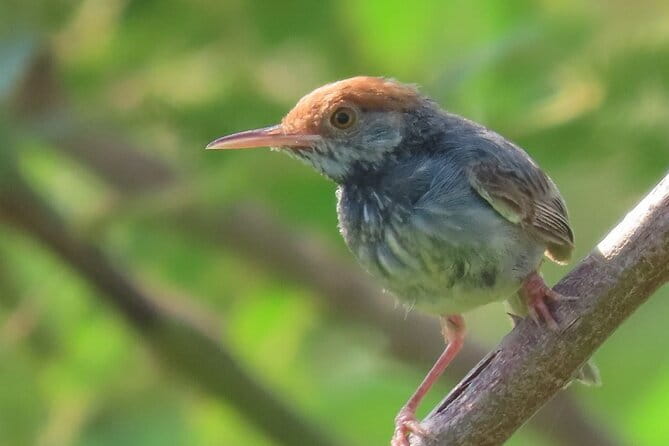
I love the bird variety across countryside ponds, river edges, and temple grounds. I also like how the local guide works both by sight and sound, pointing out birds such as the Cambodian tailorbird and Black-crowned Night-heron as the day unfolds.
The only catch is the early start: pickup around 5:30 am and a long morning in field conditions, so plan for bugs and heat later on.
In This Review
- Key Points at a Glance
- Birdwatching Day Starts in the Dark, Ends with Oudong Views
- The 5:30–6:00 am Start: How to Make It Comfortable
- First Birding Stop: Countryside Ponds and the Fast-Spot Guide Style
- Tonle Sap Riverside Drive: Rice Fields, River Life, and Different Species
- Coffee and Fruit Break: A Real Pause for Wetland Watching
- Floating Village on Tonle Sap: Birds Meet Human River Rhythm
- Oudong Temple Birding: Old-Capital Grounds With New Bird Angles
- Price and Value: What $110 Really Buys You
- What You’ll See: Birds as Your Main Checklist (But Not Your Only Goal)
- Practical Stuff to Know Before You Go
- Who This Tour Suits Best (and Who Might Skip It)
- Should You Book This Early Birding + Oudong Temple Day Trip?
Key Points at a Glance
- Start before sunrise so the wetlands are active and birds are easier to spot
- Multi-habitat route (ponds, rice fields, riverbanks, temple grounds) for more species variety
- Small group size (max 8) means you get real attention from the guide
- Guides use calls + visual ID, not just random bird names
- Meals and drinks are handled: breakfast, fruit, coffee, lunch, and purified water
- Oudong Temple adds context, tying birds to the historic old-capital landscape
Birdwatching Day Starts in the Dark, Ends with Oudong Views
This is the kind of tour that feels like a trade: you give up sleep, and you get a better chance at real bird sightings. You start in Phnom Penh very early, with pickup offered in the morning (often around 5:30 am) or you can meet at the Independence Monument. The early hour matters because wetlands and open fields are just waking up, and many birds are more vocal and visible than they are later.
What I like most is that the day isn’t only about a single viewing spot. The route moves you through different habitats around Tonle Sap—water, grass, rice fields, and temple surroundings—so your eyes keep getting rewarded. In a place like Cambodia, that variety is not extra; it’s the point.
Also, it’s a small-group tour (maximum 8 travelers). That size helps a guide manage the pace—stops are more intentional, and you’re less likely to get stuck behind other people when a rare-looking bird flashes into view.
One more practical win: the tour includes purified drinking water, morning coffee and breakfast, fruit refreshments, and lunch. That keeps the day from turning into a scramble for snacks while you’re trying to watch birds.
You can also read our reviews of more tours and experiences in Phnom Penh.


The 5:30–6:00 am Start: How to Make It Comfortable
You’ll be up early. The tour begins with pickup around 5:30 am, and there’s also a listed 6:00 am meeting time at Independence Monument. Either way, the plan is the same: you’re out before the heat really locks in.
Here’s how to make it easier:
- Wear light clothes but keep skin covered for insects during the early roadside and wetland walks.
- Bring a hat and something for sun later. By mid-morning, the Cambodia sun doesn’t ask permission.
- Expect the morning to feel cool at first and then warmer as you move through open areas and stop to scan water and grass.
If you’re sensitive to early schedules, this is the only part that can feel like a stretch. But if you enjoy being outdoors before the crowds and traffic pick up, you’ll feel grateful you started early.
First Birding Stop: Countryside Ponds and the Fast-Spot Guide Style
After leaving Phnom Penh, you head about a half-hour to the first site. This is where you get your first wave of birds from countryside water and wetland areas. The sightings you can look for include small, active species that make scanning worth it, like:
- little bee-eater and kingfisher
- little grebe and pied kingfisher
- blue-tailed bee-eater and plaited prinia
- little egret and great cuckoo
This is also the moment where a good guide changes the entire experience. The tour uses a local birding guide who’s experienced at spotting. That includes calling out what to look for (shape, behavior, and movement), not just tossing bird names at you.
If you want to get more out of this stop, use a simple routine: pick one area of water or grass, watch it for a few minutes, then scan outward. Many birds move quickly, but they often follow predictable lanes—edges of ponds, perches near water, and patches of grass where small birds feed.
Binocular tip: binoculars are included, but you’re also encouraged to bring your own if you have them. If you rely on your own settings/fit, bring them.
Tonle Sap Riverside Drive: Rice Fields, River Life, and Different Species
Next you drive along the Tonle Sap Riverside. On the way, you pass rice fields and a Muslim community, and the scenery shifts as you get closer to water-based habitat. You set up another observation site and focus on birds that favor river edges and open wet areas.
This section can be especially fun because it mixes “birding” with “watching how people live.” You’re not just staring at water—you’re seeing the way the land and water connect in daily life.
Examples of birds to watch for here include:
- yellow bittern
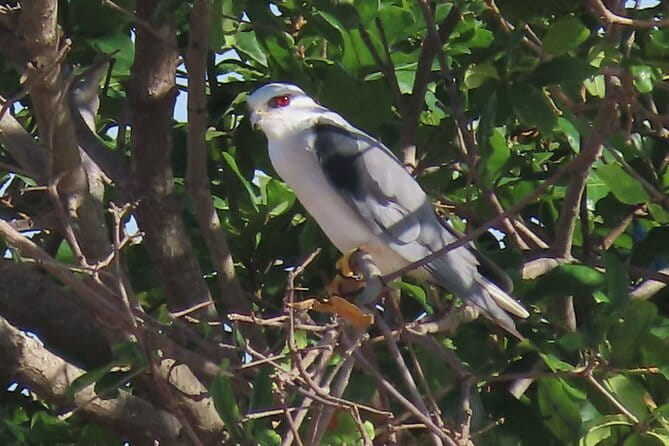
- black-winged kite
- sunbirds and Indian roller
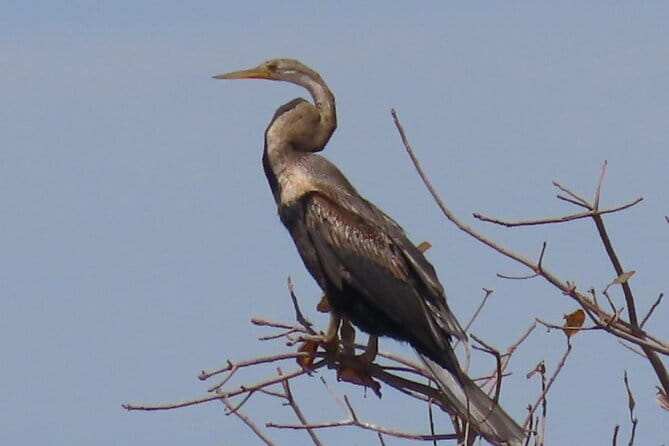
- oriental darter and Asian yellow weaver
- plus other water and wetland species as conditions allow
The guide’s job is to help you notice what’s right in front of you. For many birders, the biggest challenge in a new country isn’t spotting—it’s knowing what to ignore. The guide helps you focus your scanning so you spend less time guessing and more time confirming.
Coffee and Fruit Break: A Real Pause for Wetland Watching
Mid-morning includes a coffee and fruit break while you look out over grass fields. This matters more than it sounds. Birdwatching can get intense fast—especially when you start identifying birds by shape and call. A planned break helps you reset your attention.
After the break, the birding continues, and the highlights include species such as:
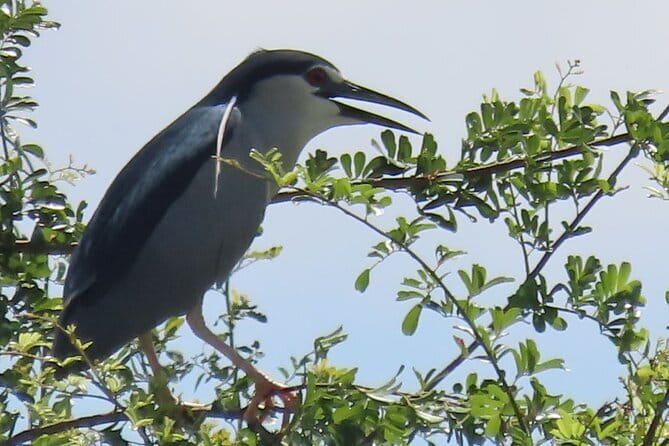
- black-crowned night heron
- Mayan pond heron
- common greenshank and black-winged stilt
- grey heron and great egret
- Cambodian tailorbirds
- common kingfisher and pied kingfisher
This is also where you’ll likely appreciate sound identification. Some birds are easier to find by call first. When the guide points out a singing bird, it turns you from a passive observer into an active listener, which makes the whole day feel more rewarding.
Floating Village on Tonle Sap: Birds Meet Human River Rhythm
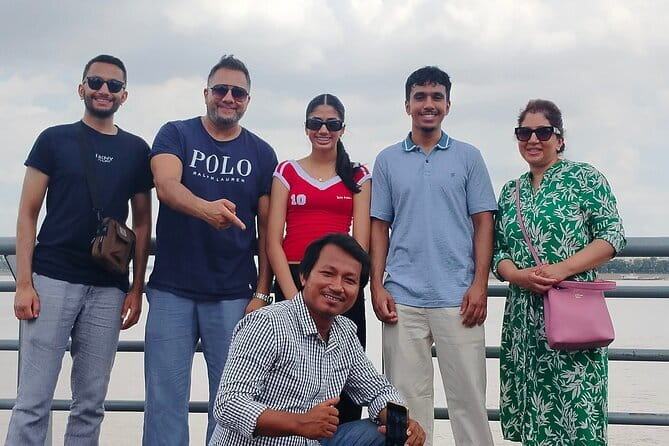
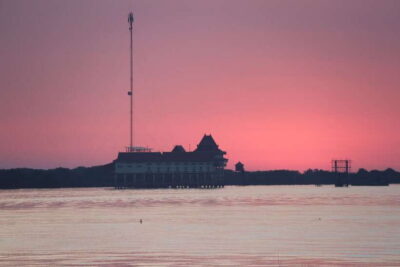
Once you’ve had time to scan the wetlands and coffee has worked its magic, you move toward the floating village on the Tonle Sap River. This part isn’t about checking a box. It gives context. You’re seeing the river not just as a backdrop, but as a living system that supports both people and birds.
You’ll head out to explore floating village life after setting the birding pace. Expect the atmosphere to feel different here: more movement, more river activity, and a slower rhythm compared to the “scan and move” style of bird spots.
Then it’s lunch. The tour includes lunch, and it’s a genuine rest point after the early start and the steady outdoor time.
Oudong Temple Birding: Old-Capital Grounds With New Bird Angles

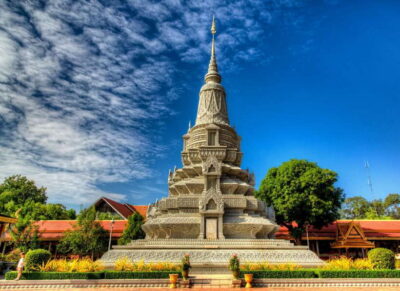
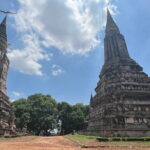
The final birding stretch includes Oudong Temple. You get a look at the temple area and the chance to spot birds around the temple setting, not just out in open wetlands.
This is where the day’s theme changes a bit. Instead of only thinking in terms of habitats like ponds and rice fields, you’re also watching birds in a cultural landscape. The tour includes time to explore the historic old capital city setting while enjoying birdwatching at the temple.
Why that blend works: birds aren’t only “wild places” species. Perches, trees, and open edges near human spaces can host plenty of bird activity. And when you’re at Oudong, you’re seeing Cambodia’s past while your guide helps you connect what you’re seeing now to what you’re learning about the area.
It also gives a nice emotional finish to the day. The morning is focused and methodical. The temple portion feels more reflective, while you still get practical bird time before heading back to Phnom Penh around 3 or 4 pm.
Price and Value: What $110 Really Buys You

At $110 per person, this is not the cheapest thing in Phnom Penh. But you’re paying for a full early-day experience with real supports built in.
Here’s what you get for your money:
- round-trip vehicle support
- an English-speaking birding guide
- purified drinking water plus fruits
- morning coffee and breakfast
- lunch
- binoculars included (with a recommendation to bring your own if you have them)
- a small group capped at 8 travelers
The value comes from the combination: guide effort + early timing + multiple habitats + meals. If you tried to copy this on your own, you’d spend time figuring out transport, timing, and who can actually help you identify birds in real conditions. With a guide, you get help at the exact moments that matter—when a bird lands, calls, or moves out of sight.
Also, the review-style feedback tied to guides like Simon and Mr Thong highlights careful spotting and organization—plus the practical side of keeping water and snacks ready. When that’s done well, the tour feels smoother, not rushed.
What You’ll See: Birds as Your Main Checklist (But Not Your Only Goal)
This tour’s bird list is built around wetland species and river-edge birds. A few examples of the kinds of birds you may encounter across the day include:
- Black-crowned Night-heron and Mayan pond heron
- Oriental Darter and Asian Openbill
- Lesser Whistling-duck and Little Grebe
- Cinnamon Bittern and Grey Heron
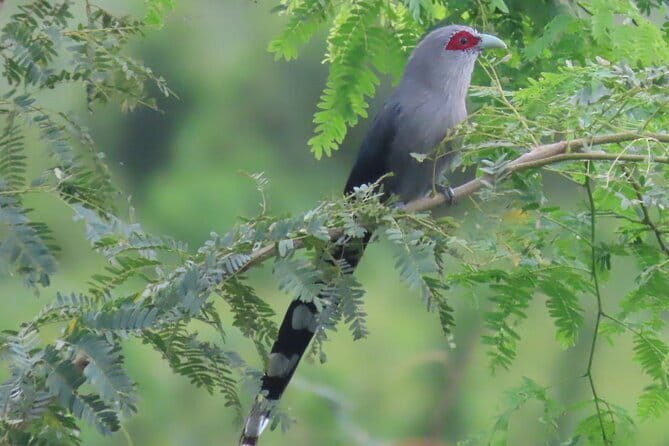
- Java Pond Heron and Green-billed Malkoha
- Black drongo, Black-shouldered Kite, and various kingfishers
Even if you can’t identify every bird by name, you’ll still get something useful: a stronger eye for bird shape, a better sense of wetland behavior, and an understanding of which habitats produce which species.
And if you enjoy learning beyond the field names, you’ll appreciate the way the guide connects changing landscapes with Cambodian life—rice fields, river communities, and what the day looks like outside the city.
Practical Stuff to Know Before You Go
A few details help you plan smartly:
- Bring your own binoculars if you have them, even though the tour provides some.
- Plan for walking and scanning. You’ll stop often, but you’ll also reposition as birds move.
- Start early means you should keep dinner the night before simple. You’ll want energy for a long morning.
- Expect a return to Phnom Penh around 3 or 4 pm, so it won’t eat your entire day.
If you’re the kind of traveler who likes quiet mornings, guided focus, and learning in small steps, this fits.
Who This Tour Suits Best (and Who Might Skip It)
This birding day trip is ideal if:
- you like early starts and are excited to spot birds rather than just sightseeing
- you want a guide to help with real identification (not only reading bird names off a page)
- you enjoy Tonle Sap scenery and want floating village time
- you’d rather do one well-planned day than try to piece together multiple stops yourself
You might want to think twice if:
- you strongly dislike very early mornings
- you prefer full-day temple exploring over a structured mix of field stops and bird scans
- you want a relaxed, slow sightseeing pace only (this tour is active by design)
Should You Book This Early Birding + Oudong Temple Day Trip?
If you want a Phnom Penh experience that’s genuinely different from the standard museum-and-market rhythm, book it. The best reason is simple: you get multiple habitats, a small group, and guide-led identification from sunrise onward, then finish with Oudong Temple and a connection to the area’s human story.
Do it if you enjoy being outside before the city wakes up. Skip it if you’re not ready for an early start or if birdwatching isn’t your main interest.
If you’re on the fence, choose this tour when you can commit to the morning time. The birds—and the whole feel of the day—are better when you’re already in the field early.