REVIEW · PHNOM PENH
Phnom Penh: The Killing Fields & Tuol Sleng Genocide Museum
Book on GetYourGuide →Operated by The Killing field and Toul Sleng genocide museum S21 Tour · Bookable on GetYourGuide
The Khmer Rouge story is heavy, and it’s handled well. This half-day Phnom Penh outing links Tuol Sleng (S-21) and the Killing Fields with a guide-led walkthrough, not just a self-guided audio plan. I especially love the way the guides keep the tone respectful while still giving clear context, and I like that you get real time on site to ask questions. The only drawback is the subject matter is extremely emotional, and the museum includes some very intense material.
You’ll start in Phnom Penh, board an air-conditioned van, and get a history briefing during the drive—Pol Pot, the Khmer Rouge, and what life became from 1975 to 1979. Then the tour slows down in the places where the aftermath is visible: mass graves, memorials, and small prison spaces that make the scale of suffering feel frighteningly close.
By the time you reach the city-center museum, you’re not just looking at artifacts. You’re following a guided story that helps you understand how the regime worked—then you get a chance to hear survivor accounts and continue asking questions. It’s efficient, organized, and designed so you don’t feel rushed, but it still lands on you emotionally.
In This Review
- Key things you’ll notice on this Phnom Penh genocide tour
- Why the Killing Fields and Tuol Sleng belong together in one Phnom Penh half-day
- Meeting point, AC van, and the quick history briefing that sets the tone
- Choeung Ek Killing Fields: mass graves, the memorial stupa, and time to pay respect
- Tuol Sleng Genocide Museum (S-21): small prison spaces that explain the machine of terror
- Meeting survivors and asking questions without feeling rushed
- Price and value: what you get for $19, plus the real total
- How to prepare: clothing, pace, heat, and emotional readiness
- Who should book this Phnom Penh Killing Fields and Tuol Sleng tour
- Should you book this tour
- FAQ
- How long is the Phnom Penh Killing Fields and Tuol Sleng tour?
- What’s included in the price of the tour?
- Do I need to buy tickets for the Killing Fields and the Genocide Museum?
- Which sites do you visit during the tour?
- What should I wear for the tour?
- What language is the tour guide?
Key things you’ll notice on this Phnom Penh genocide tour
- AC van + guided briefing on the way out of the city, so the history clicks faster.
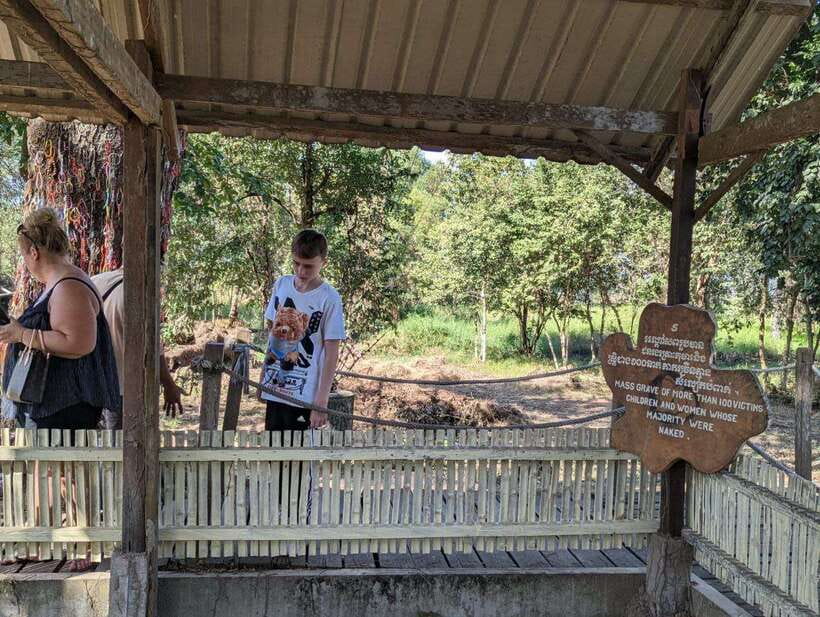
- Choeung Ek time to reflect, including mass grave areas and the memorial stupa.
- S-21 Tuol Sleng focus, with small cells/rooms and period photos explained by your guide.
- Respectful, sensitive guiding, including how guides handle harrowing details without getting cold or clinical.
- Survivor stories, plus plenty of room for questions as you go.
Why the Killing Fields and Tuol Sleng belong together in one Phnom Penh half-day
If you’re only doing one “dark history” stop in Phnom Penh, I’d pick this pairing. The Killing Fields show what happened to people outside the system, after capture and forced separation. Tuol Sleng, meanwhile, is where the regime ran a prison-and-interrogation pipeline that the museum presents through recovered artifacts, photographs, and reconstructed spaces.
Seeing them back-to-back gives you the cause-and-effect chain. The day turns from names and dates into a process you can picture: capture, imprisonment, interrogation, then execution and mass graves. That’s why the experience feels more complete than doing just one site.
Also, you’re learning about Cambodia’s trauma from less than 50 years ago, which makes the details sharper. The museum and the memorial grounds are presented with the idea that memory matters, not as “tourist content,” but as a record of lives lost—over 1 million people, according to the tour description.
You can also read our reviews of more museum experiences in Phnom Penh
Meeting point, AC van, and the quick history briefing that sets the tone
You’ll get pickup from many Phnom Penh hotels across the city. That matters more than it sounds: with a topic this intense, having a smooth start helps you stay focused. If your hotel isn’t on the pickup list, you’re directed to a set meeting point at 178 Corner Sisovat quay, Riverside Path, Phnom Penh 120201, with morning and afternoon tour times.
Either way, the tour is run from an air-conditioned van, and you’ll have water for the day. In hot Phnom Penh weather, that’s not a minor perk. It keeps the outing from turning into a physical struggle while you’re emotionally processing what you’re seeing.
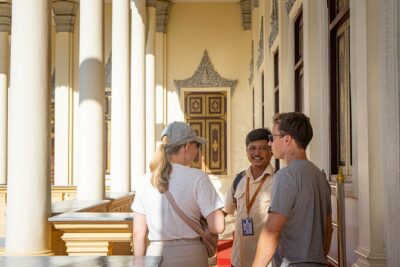
On the drive, your English-speaking guide adds a presentation about Pol Pot and the Khmer Rouge. Guides named in the reviews include Baboon and Sum Cheath, plus other guide names like Visal and Powerful Monday. The consistent theme is that they explain the history in a sensitive, clear way and then you can ask questions as the day unfolds.
One practical note: the tour instructions stress that they need confirmation by WhatsApp before pickup starts. If you book, include the right WhatsApp number so the start time runs cleanly and you don’t get left waiting on the wrong corner.
Choeung Ek Killing Fields: mass graves, the memorial stupa, and time to pay respect
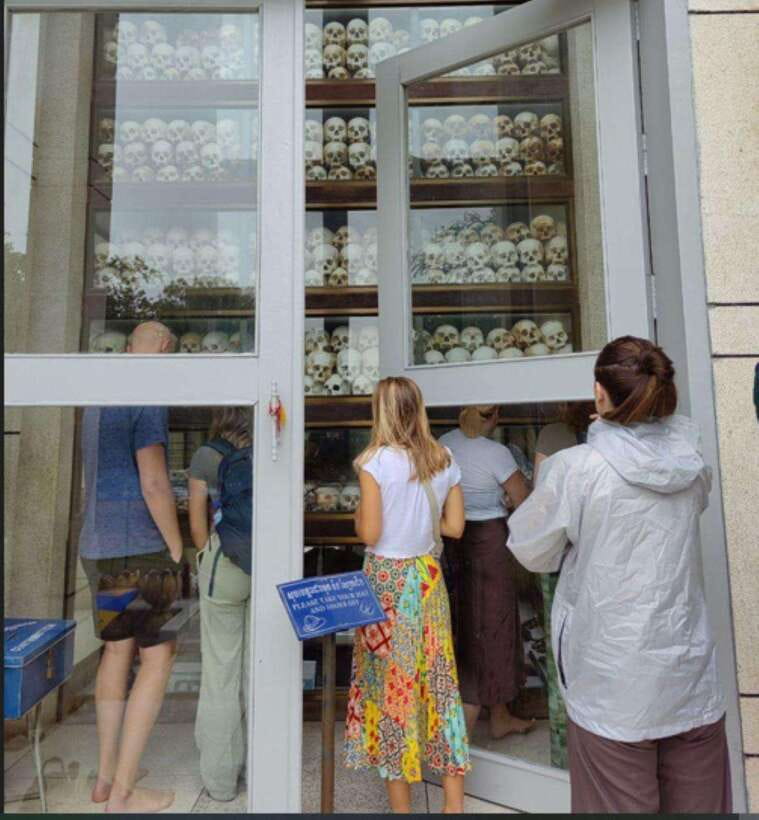
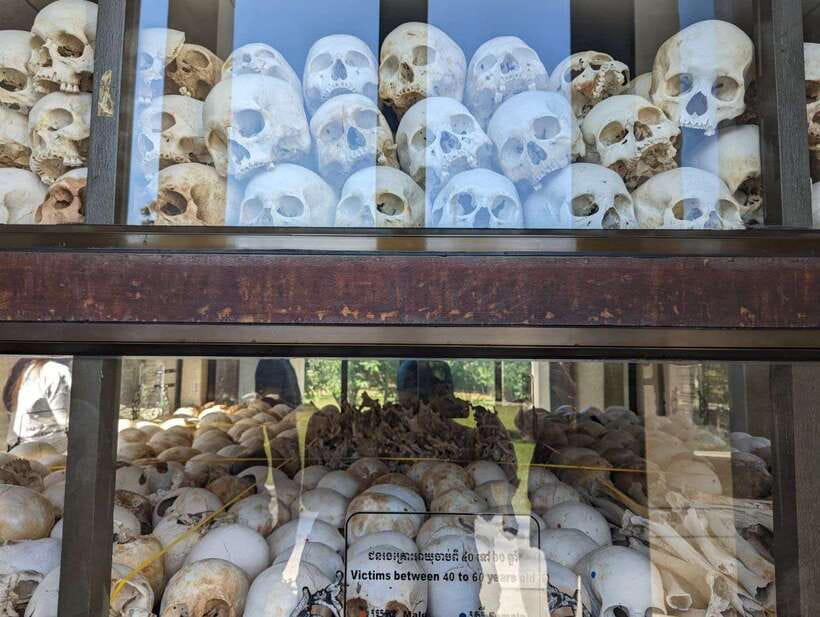
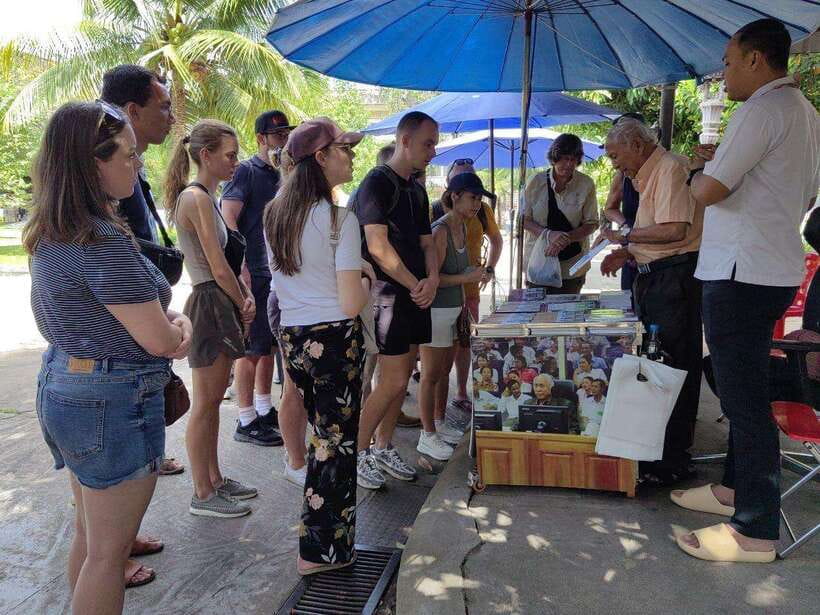
Choeung Ek is where you feel the scale. The tour includes a visit of about one hour here, but the bigger point is the pace. You’re not pushed through photos and out the door. You’re given time to look carefully, and your guide encourages questions so you understand what you’re seeing.
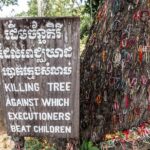
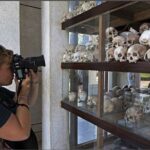
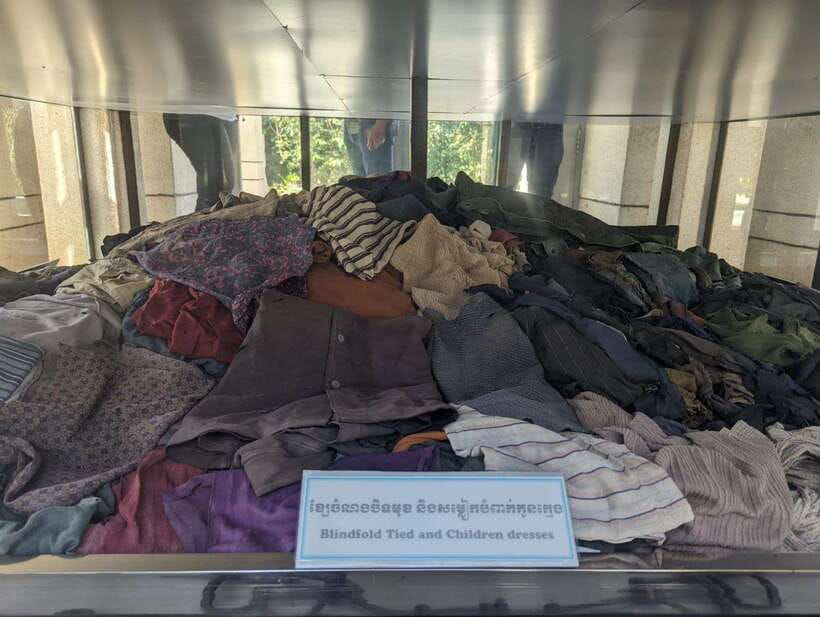
At the Killing Fields, the tour description points you toward remnants such as bones and clothing rags left by victims. That can be shocking, even if you’ve read about the Khmer Rouge before. The goal of the site is remembrance, and your guide’s role is to help you keep context while you process the visuals.
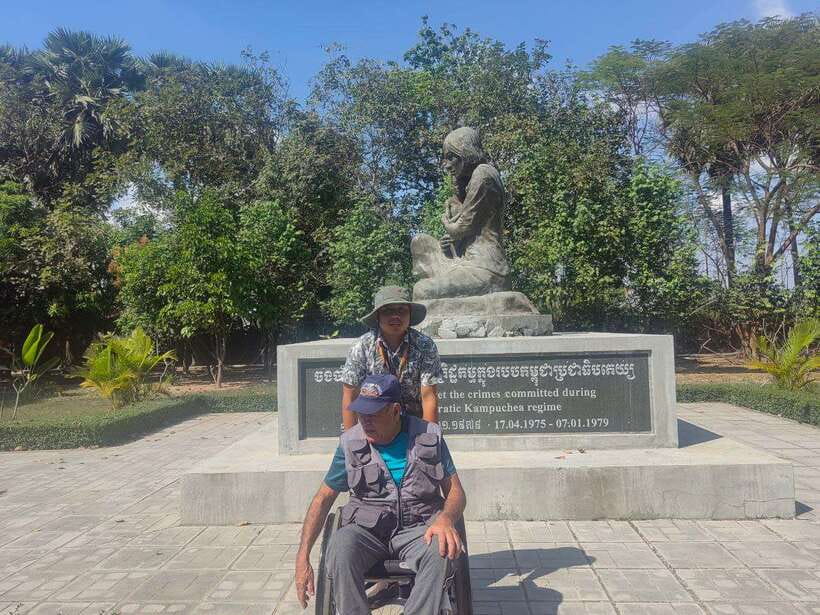
You’ll also visit mass grave areas and the memorial stupa, which is a place for quiet respect. You’ll want to slow your own breathing here. This is not the kind of place where “keep moving” works well. Give yourself permission to stand, look, and absorb. That time is part of what makes the tour more meaningful than a checklist.
Potential drawback to flag: if you’re sensitive to graphic or emotionally heavy scenes, be prepared. Some reviews explicitly mention intense imagery and an awful, harrowing story. You can’t really soften Choeung Ek. What you can control is whether you go on a day when you’re ready to handle grief and anger head-on.
Tuol Sleng Genocide Museum (S-21): small prison spaces that explain the machine of terror
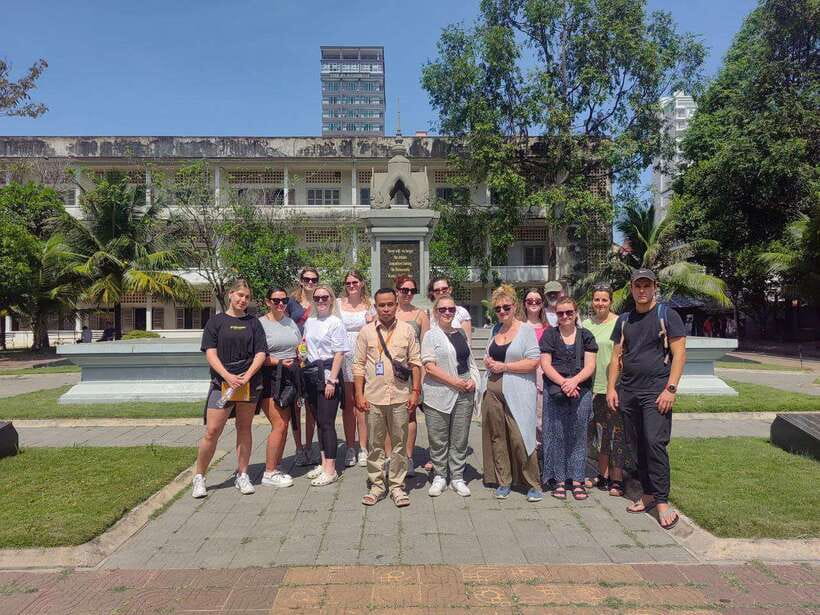
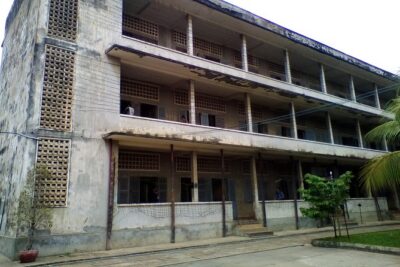
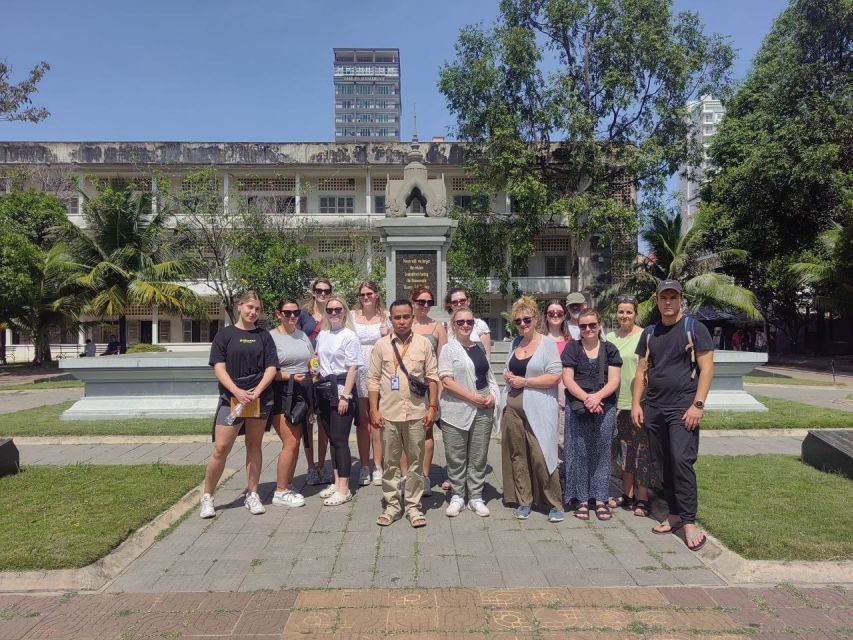
After Choeung Ek, you head back into Phnom Penh for the Tuol Sleng Genocide Museum, often referred to as S-21. The tour typically sets aside about two hours here, which is a good chunk of time for reading, looking, and letting the facts land.
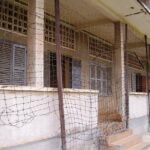
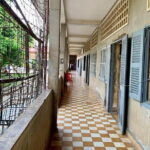
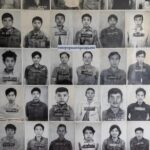
The museum is presented through small rooms and cells, photos from the time, and recovered relics associated with the regime. The key value of doing it with a guide is translation of meaning. A self-guided visit can be informative, but it may not connect the dots quickly enough to understand how the prison system functioned.
In the reviews, guides like Baboon and Sum Cheath get praised for balancing fact with compassion. That matters because Tuol Sleng doesn’t feel like a distant history lesson. Even without the worst details, the architecture of confinement can make it feel personal. Some reviews mention very intense imagery at S-21, so keep expectations grounded: this is not a light museum stop.
Also, the tour design gives you time to ask questions. If you feel stuck between “I understand the basics” and “I still don’t get how the system worked,” that’s where a good guide can rescue your understanding. The best guides answer in plain language, without turning it into a lecture.
Meeting survivors and asking questions without feeling rushed
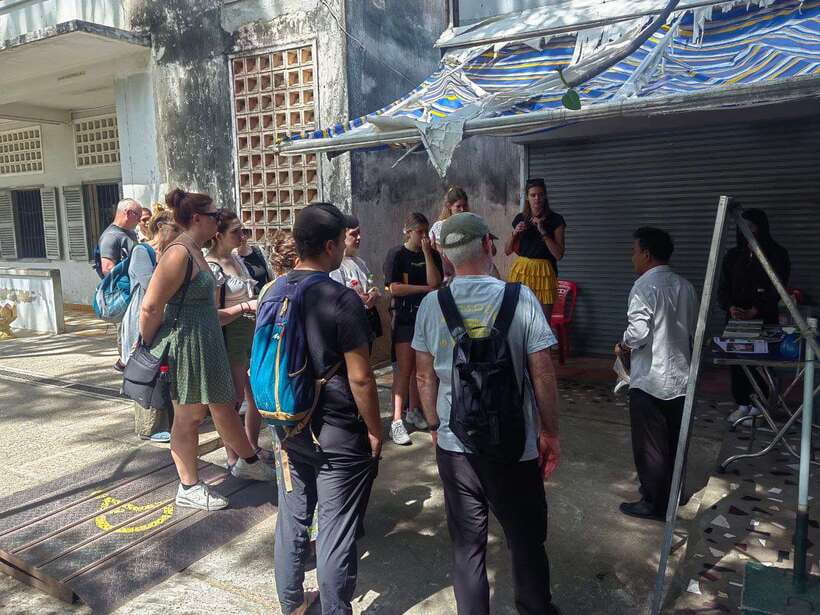
One of the strongest parts of this tour is that it isn’t only about exhibits. The tour description says you’ll have a chance to meet some survivors and hear their stories about what they went through and how they made it out alive.
Even when the survivor interaction is brief, it changes the visit. Artifacts and photographs show what’s left. Survivor voices show what endurance looks like in real time, and it’s often where the day’s emotional weight becomes something closer to testimony than tragedy.
You’ll also have openings to ask your guide questions throughout the day. That’s crucial. People often leave genocide museums with one of two feelings: either you’re overwhelmed, or you feel like you missed the deeper meaning. Questions help you clarify both history and implications—how the regime operated, what Khmer Rouge rule meant day-to-day, and what Cambodia has had to live with afterward.
One thing I appreciate in the setup: the tour doesn’t sound like it’s built around strict speed. It’s described as taking your time at each site, and reviews repeatedly point to how the tour runs smoothly and stays organized.
Price and value: what you get for $19, plus the real total
The listing price is shown as $19 per person, for a 4-hour half-day tour including pickup/drop-off, an air-conditioned van, a guide, and water. Then there are separate entry tickets: $3 for the Killing Fields and $5 for the Genocide Museum, with food not included.
So your “plan budget” is closer to $27 total for entries, plus meals and anything else you want after the tour. For a guided experience at two major memorial sites—plus a vehicle and a guide-led presentation on the way—that can be strong value, especially if you don’t want to juggle independent transport while you’re in a sensitive, emotionally demanding part of the city.
Where value can drop is if you’re the type who already knows the history deeply and prefers reading alone with minimal guiding. In that case, paying for guided context might feel less necessary. But for most first-timers, the guide’s job is to make the sites understandable and respectful, which is exactly what you want here.
How to prepare: clothing, pace, heat, and emotional readiness
This tour asks you to dress properly by covering your shoulders and knees to respect the victims. That’s not a vague “temple etiquette” request. It’s practical and essential, and it can also help shift you into the right mindset before you arrive.
Bring sunscreen if you’re sensitive, but also remember you’ll be in AC for parts of the day. You’ll have water provided, which is useful when you’re trying to stay present and not distracted by dehydration.
Emotionally, go in with a simple plan: expect a sobering day. The experience is described as harrowing, tragic, and difficult to comprehend, with intense material at S-21 and a brutal reality at the Killing Fields. Some reviewers mention being moved to tears, and that’s not surprising. This is a place where your reactions are normal.
If you have a tight schedule that day, be cautious. You may want to keep the rest of your day lighter afterward—nothing that requires fast cheerful energy.
Who should book this Phnom Penh Killing Fields and Tuol Sleng tour
This tour is best for you if:
- You want the most important memorial sites in Phnom Penh connected into one coherent story.
- You prefer a guide who can explain Pol Pot and the Khmer Rouge clearly, while keeping the tone sensitive.
- You like asking questions and getting direct answers rather than relying only on signs and audio.
It might not be the right fit if:
- You’re avoiding emotionally intense content for personal reasons.
- You want a purely educational visit with minimal emotional impact. This tour is designed around remembrance and understanding, not distance.
Families: if you’re traveling with younger kids, you’ll need to judge carefully. The visit includes tragedy tied to real mass death and imprisonment. The tour description doesn’t specify child suitability, so you’ll want to use your judgment based on your family.
Should you book this tour
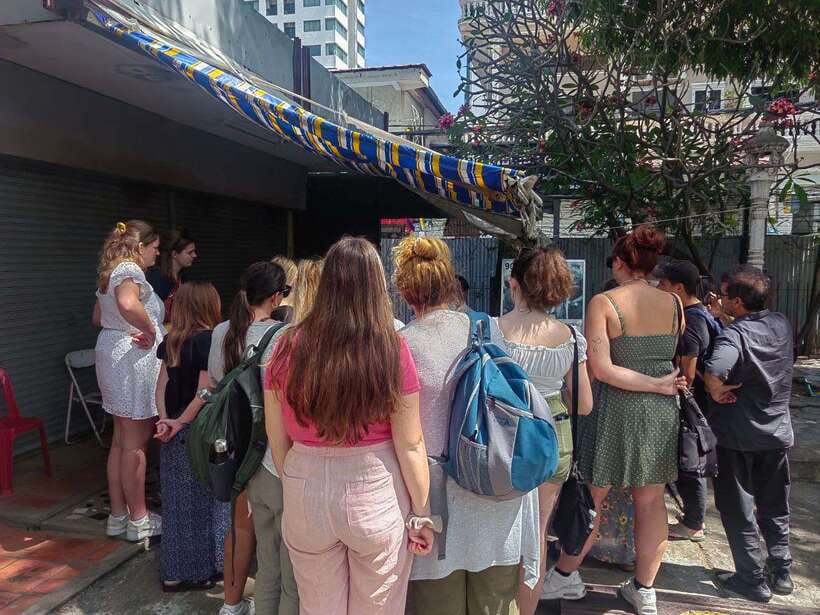
I’d book it if you want a guided, respectful way to understand Cambodia’s genocide history without turning the day into a DIY logistics puzzle. The transport is comfortable, you get water, and the guides named in reviews—like Baboon, Sum Cheath, Visal, and Powerful Monday—are praised for handling a heavy topic with sensitivity and clear English explanations.
The big decision is emotional readiness, not price. If you can handle a difficult visit, this half-day plan gives you structure: drive briefing, time to reflect at Choeung Ek, museum context at Tuol Sleng, and the chance to hear survivor stories. That mix is why the experience consistently rates highly.
FAQ
How long is the Phnom Penh Killing Fields and Tuol Sleng tour?
The tour runs about 4 hours total, including pickup travel time and visits to both Choeung Ek and Tuol Sleng.
What’s included in the price of the tour?
Pickup and drop-off from the meeting point, an air-conditioned van, a tour guide, and water are included.
Do I need to buy tickets for the Killing Fields and the Genocide Museum?
Yes. Entry tickets are not included: the Killing Fields ticket is listed at $3 and the Genocide Museum ticket is listed at $5.
Which sites do you visit during the tour?
You visit Choeung Ek (the Killing Fields) and the Tuol Sleng Genocide Museum (S-21) in Phnom Penh.
What should I wear for the tour?
The tour instructions say to dress properly by covering your shoulders and knees to respect the victims.
What language is the tour guide?
The tour is offered in English.