REVIEW · PHNOM PENH
The Killing Field and Toul Sleng Genocide Museum (S21) Tour
Book on Viator →Operated by The Killing field and Toul Sleng genocide museum S21 Tour · Bookable on Viator
Half-day, but it stays with you. This tour links the Killing Fields with Phnom Penh’s Tuol Sleng Genocide Museum (S21), using a guided group format that helps you understand what happened from 1975 to 1979. I like how smoothly the day runs with hotel pickup, an air-conditioned vehicle, and return transfers. I also like the pace: you get guided context before you’re left with time to reflect inside each site. One drawback: the subject matter is intense, and one guide-style complaint suggests some presentations can feel too graphic or rushed for sensitive visitors.
You’ll choose either a morning or afternoon departure, then ride out with a professional English-speaking guide and driver. You’ll stop at two major sites—first Choeung Ek Genocidal Center, then S21—with admission fees added on top of the tour price. If you want maximum quiet time or lots of unscheduled questions, a group tour structure may feel a bit pressurizing at moments.
In This Review
- Key things to know before you go
- Why the Killing Fields and S21 should be on your Phnom Penh list
- Price and logistics: what you’re actually paying for
- The half-day flow: Choeung Ek first, then S21
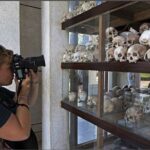
- Choeung Ek Genocidal Center: a place to learn and reflect
- Tuol Sleng (S21): the “how did this happen” moment
- How the guide affects everything (and why names matter)
- What to bring: cash, comfort, and respect
- Group size and pacing: large-cap, real-world feel
- Should you book this Killing Fields + S21 tour?
- FAQ
- How long is the Killing Fields and S21 tour?
- What’s included in the tour price?
- Are entry fees included?
- Can I choose a morning or afternoon departure?
- Will I be picked up from my hotel?
- Where does the tour start?
- Is the tour suitable for people with wheelchairs or strollers?
- Are infant seats available?
- Is tipping included?
- Can I cancel for a refund?
Key things to know before you go
- Hotel pickup and return transfers are included, so you don’t have to sort out rides on your own.
- Choeung Ek + S21 in one day is a strong value if you want both locations without hopping between tickets and guides.
- Entry fees are extra: $3 for Choeung Ek and $5 for S21, per person.
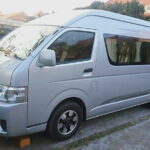
- Air-conditioned transport plus cool water makes the half-day more comfortable in Phnom Penh heat.
- Guides can vary in how detailed they get, so if you’re sensitive, plan to set your comfort level early.
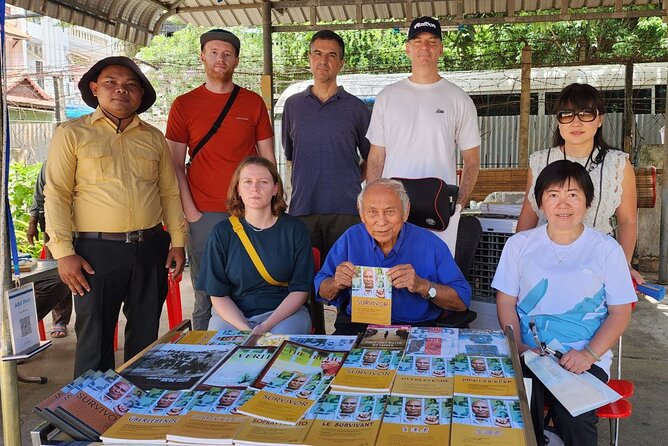
- You can buy survivor-written books at the sites; bring extra cash if that matters to you.
Why the Killing Fields and S21 should be on your Phnom Penh list
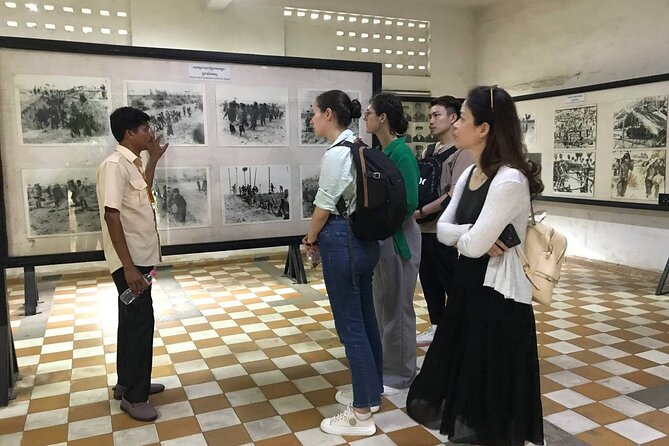
This isn’t the kind of tour you book for a fun afternoon. It’s the kind you book so you can understand Cambodia’s recent history without looking away. In Phnom Penh, the distance between “history class” and “this happened here” is shockingly small. That’s what makes this combo tour powerful: you move from historical explanation into real place-based memory.
I also like that the tour doesn’t pretend this is light. Your guide sets the stage—Pol Pot and the Khmer Rouge, and what life was like under the regime—then you visit the sites themselves. It’s somber. But it’s structured in a way that helps you make sense of what you’re seeing instead of just absorbing raw emotion.
If you’re the type who needs context before a museum visit, this format fits you well. If you need everything to be gentle and hands-off, you should know upfront that the material is heavy and the tone is rarely light.
You can also read our reviews of more museum experiences in Phnom Penh
Price and logistics: what you’re actually paying for
The tour price is $19.20 per person, and it runs about 4 hours. That price covers a lot of what can make museum days stressful: hotel pickup, a guided group experience, and return transfers back to where you started in Phnom Penh (the tour also lists ending back at the meeting point).
What’s not included is the admissions:
- Choeung Ek Genocidal Center: $3 per person
- Tuol Sleng Genocide Museum (S21): $5 per person
So the all-in cost is about $27.20 per person before tipping. For what you get—two major sites, English guidance, and comfortable transport—that usually lands as good value. You’re paying for logistics and interpretation, not just access.
The tour also notes that it uses an air-conditioned vehicle and includes cool water. You can even request infant seats. Most travelers can participate, and the tour highlights wheelchair and stroller-accessible museums, which is a practical win if you’re traveling with kids or mobility needs.
The half-day flow: Choeung Ek first, then S21
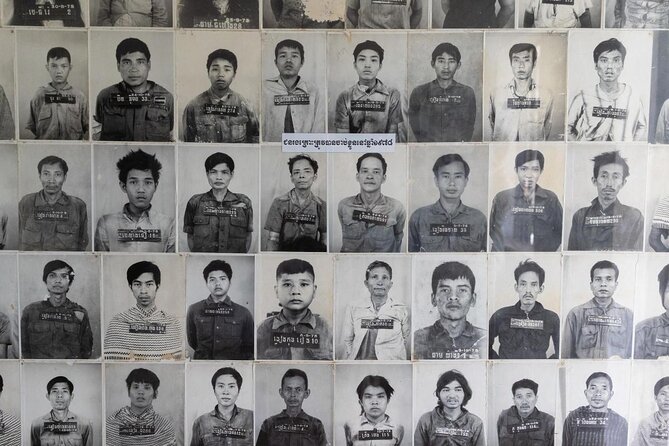
This is a two-stop route tied to the same historical period. You start with Choeung Ek Genocidal Center, then move on to S21. In between, you’re in the car with time to settle your mind again before the next site.
That sequencing matters. Choeung Ek comes first, and it’s framed as Cambodia’s history from 1975 to 1979. Then S21 follows as the other side of that story—still within the same tragic time window, but with a different kind of evidence: a museum-prison space that forces you to confront how the system worked.
Your guide will stay with the group, answering questions along the way. You’ll also have time at each site to explore and reflect, not just march through.
Choeung Ek Genocidal Center: a place to learn and reflect
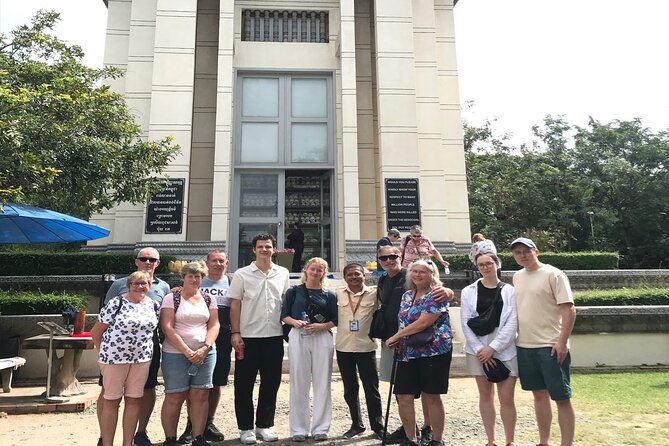
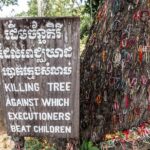
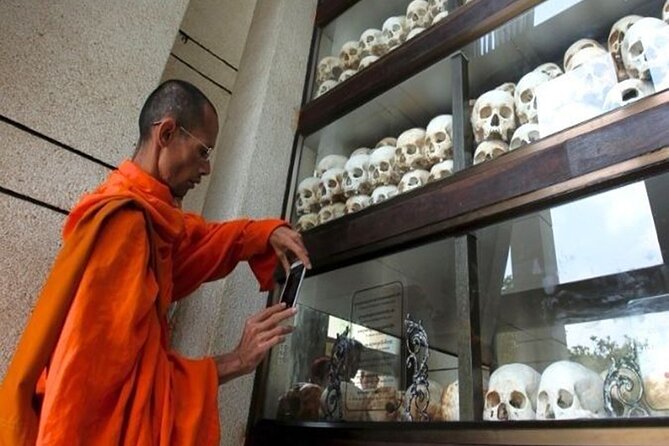
At Choeung Ek Genocidal Center, you’ll spend about 2 hours. The tour positions it as part of Cambodia’s history from 1975 to 1979, and the visit is guided, with time for you to look around and take it in.
What makes this stop special is the way it sits inside the story you’ll hear on the bus. You don’t just arrive and absorb. You arrive having been warned this is emotionally intense, and you’re given context so your brain can organize what you’re seeing.
A common theme from the way this tour is described: the experience encourages reflection. Guides often explain background before you reach the site, and then they keep the group moving at a pace that gives you room to process. One review noted the visit time is enough for reflection, while another mentioned feeling a bit rushed in S21—so pacing can feel different depending on the day and group.
If you know you need extra space to absorb what you’re seeing, bring that mindset. You can still respect the site and your own emotional bandwidth by slowing your looking time, even if the group is moving.
Tuol Sleng (S21): the “how did this happen” moment
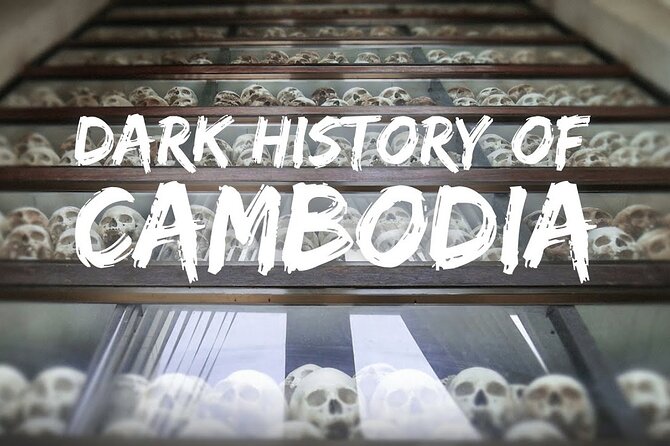
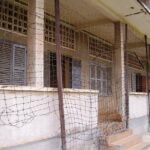
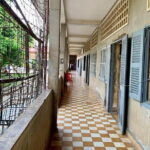
S21 is the anchor point of the tour. You’ll spend about 2 hours at the Tuol Sleng Genocide Museum. Again, the tour frames it within Cambodia’s 1975 to 1979 history, but S21’s power comes from how directly it connects to the Khmer Rouge prison system.
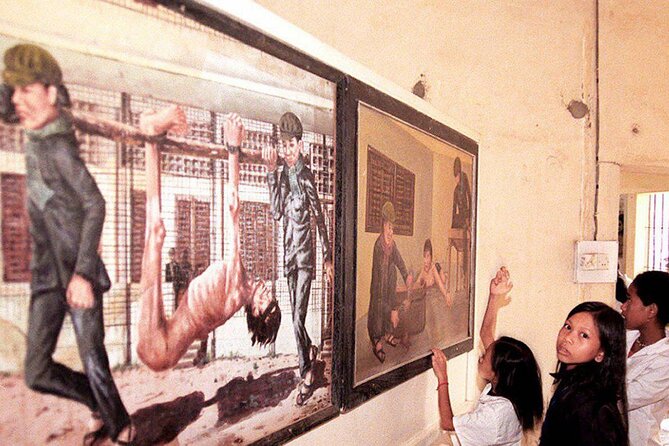
This is the stop where people often feel the hardest emotional pull. Not because the guide is trying to shock you, but because the place itself makes the idea of a regime feel physical. The guided approach helps here too. If you’re new to this period, you’ll get the story from Pol Pot and the Khmer Rouge and what they did to Cambodian society, explained in English.
One thing to watch: presentation style can vary. There was at least one complaint about a guide giving too much detail about torture. That doesn’t mean all guides do this, but it does mean you should think about your comfort level. If graphic descriptions will hit you hard, it’s reasonable to tell your guide early that you want historical context without the most explicit specifics.
Also, some visitors said the S21 portion felt slightly rushed at moments, with still a lot to read inside. If you’re a slow reader or you want to spend longer with what’s written, go in mentally prepared to prioritize what you personally need: a quick sweep first, then a second look if you can.
How the guide affects everything (and why names matter)
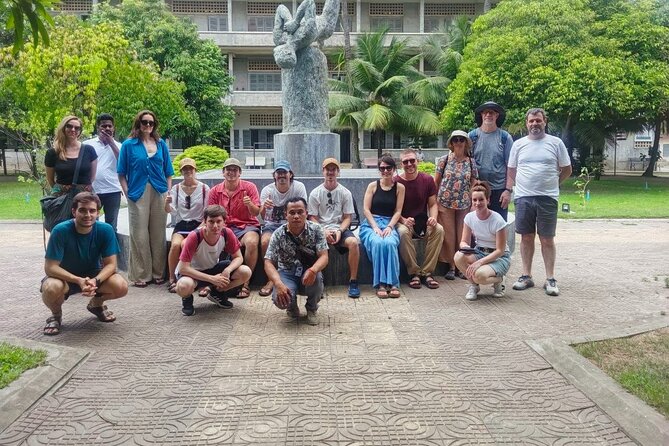
In a tour like this, the guide isn’t just narration. They help you hold the material without drowning in it. The best days are when the guide balances history, context, and room for your own reactions.
This tour is described as run with a professional English-speaking guide and driver. In practice, different guides are named by different groups, including Visal, Sum Cheath, Cheath, Moon, and Mr Baboon. The pattern across these names is the same: people call out strong organizing skills and clear explanation on the way to the sites.
I’d treat guide quality as part of your planning, even when you don’t choose the exact person. If you care about how heavy the presentation gets, or whether the guide invites questions, be proactive:
- Ask a question early, when you’re still on the bus.
- Let the group know what you need (for example, less graphic detail, more time reading).
- If you feel rushed, aim your first visit for the sections you most want, then use any spare minutes to slow down.
One honest caution from the feedback: some people felt lectured or pushy about following the guide’s pace. That’s not unique to this topic, but it can matter here because you’ll want to linger where your attention lands. If you’re the kind of person who hates being “kept together,” you’ll want to mentally plan for a guided group rhythm.
What to bring: cash, comfort, and respect
This tour is straightforward, but you’ll want to come ready for the parts that cost extra and the parts that affect your comfort.
First, money:
- Admission fees are not included, so you need cash or payment ready for $3 at Choeung Ek and $5 at S21.
- You might also want extra cash if you want to buy books written by survivors. One visitor mentioned survivor books around $10 each.
- Tipping isn’t included. If you plan to tip, keep small bills or spare change.
Second, comfort:
You’ll be on an air-conditioned vehicle, and cool water is provided. Still, you’re visiting during the day, and the emotional intensity can drain you faster than you expect. Wear clothes that are comfortable for walking and standing in museum spaces. If you’re traveling with a stroller or need accessibility support, the tour indicates these museums are wheelchair and stroller accessible.
Third, your own boundaries:
This is a difficult subject. Some groups feel the tour is well balanced, while others felt it became too detailed. If you want to keep your experience sustainable, decide in advance how you’ll handle heavy sections—read less, move slower, and ask the guide for a high-level explanation when needed.
Group size and pacing: large-cap, real-world feel
The tour lists a maximum group size of 50 travelers. That number matters because it shapes the feel of your experience. Even if you end up in a smaller bus load, you should expect the day to be managed like a group day: meeting points, staying together, and timing the sites.
Some visitors reported bus loads that felt smaller (around 15 people). The key takeaway for you: don’t assume you’ll have fully private pacing. If your ideal museum visit is slow and solitary, consider building in extra time on your own afterward—though this specific tour ends back at the meeting point and includes return transfers to your hotel.
If you do take this tour, use the guide’s presence to your advantage. Ask the questions you have when you’re with them, not after you’ve already entered the most intense spaces.
Should you book this Killing Fields + S21 tour?
Book it if you want one efficient half-day that connects the Khmer Rouge story across two of Phnom Penh’s most important memorial sites. I think it’s a strong choice for first-timers because you get context from a guide, then time to reflect at both locations. With hotel pickup and return transfers included, it also removes a lot of friction.
Skip or reconsider if you’re very sensitive to graphic detail and you know you can’t handle explicit descriptions. In that case, still consider the sites—but you might prefer a plan that lets you go at your own pace, or you should set expectations with the guide early.
If you do book: bring cash for both admissions, and bring emotional patience for a day that isn’t meant to feel comfortable. This tour isn’t about entertainment. It’s about understanding, respect, and remembering.
FAQ
How long is the Killing Fields and S21 tour?
It runs about 4 hours (approx.), with around 2 hours scheduled for each main stop.
What’s included in the tour price?
The tour includes hotel pickup, a professional English-speaking tour guide and driver, clean air-conditioned transportation, and cool water.
Are entry fees included?
No. Entry fees are an additional cost: Choeung Ek Genocidal Center is $3 per person and Tuol Sleng Genocide Museum (S21) is $5 per person.
Can I choose a morning or afternoon departure?
Yes. You can choose either a morning or an afternoon tour.
Will I be picked up from my hotel?
Yes. The tour includes hotel pickup, and return trip transfers to your hotel are included as well.
Where does the tour start?
The start meeting point is Grand River Sports Bar, 178 Corner Sisovat quay, Riverside Path, Phnom Penh 120201, Cambodia.
Is the tour suitable for people with wheelchairs or strollers?
The tour description says the museums are wheelchair and stroller accessible, and it states most travelers can participate.
Are infant seats available?
Yes, infant seats are available.
Is tipping included?
Tipping service is not included, and it’s listed as an additional personal expense.
Can I cancel for a refund?
Yes. You can cancel for a full refund up to 24 hours in advance. The experience also requires good weather, and if it’s canceled due to poor weather you’ll be offered another date or a full refund.