REVIEW · PHNOM PENH
Private One Day Tour in Phnom Penh Capital City
Book on GetYourGuide →Operated by Tour Guide Team Cambodia · Bookable on GetYourGuide
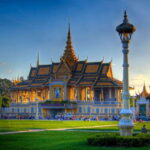
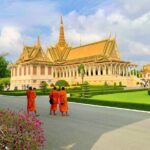
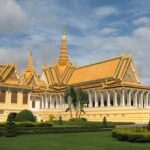
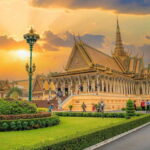
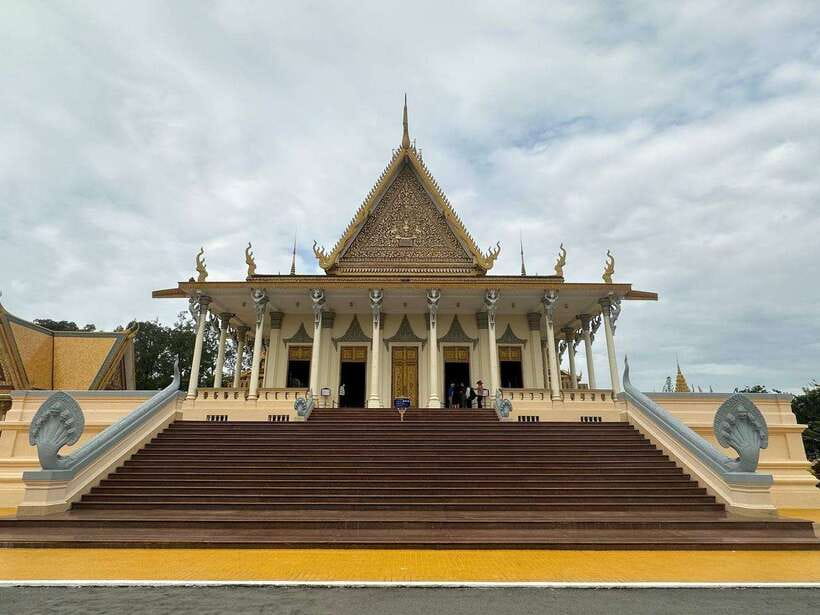
A day in Phnom Penh can be intense fast. This private tour strings together the city’s top religious-and-royal landmarks with the sobering places tied to the Khmer Rouge. I love how it’s organized door-to-door, so you’re not wrestling tuk-tuks between major sites. And the Royal Palace complex is a showpiece of Cambodian power and artistry, especially the Throne Hall area.
What I like most is the pacing: you get real time for Royal Palace highlights first, then you shift gears to the heavier history. The main drawback is that Tuol Sleng and Choeung Ek are emotionally difficult. If you want a light sightseeing day, this isn’t that kind of route.
The payoff is that you can see Phnom Penh as more than a stopover. You’ll get a clean arc from royal tradition to modern memorial space, with a licensed guide keeping things clear and respectful—plus cool water and wipes waiting on you in the van.
In This Review
- Key reasons this private Phnom Penh tour works
- Door-to-door in air-con: how logistics feel on a private day
- Royal Palace and Silver Pagoda: where Cambodian power shows up in gold and iron
- Wat Phnom: Phnom Penh’s old origin story, from 1372
- Independence Monument: a short stop that changes the mood
- Tuol Sleng Genocidal Museum (S21): understanding the system behind the horror
- Choeung Ek Killing Fields: the route to fate, and the space for reflection
- What you actually pay for: $75 tour rate plus entrance fees
- How to prepare so the day feels good (even when it hurts)
- Who this private tour is best for
- Should you book this 6-hour Phnom Penh private tour?
Key reasons this private Phnom Penh tour works
- 100% private door-to-door comfort with a licensed driver and air-conditioned vehicle.
- Skip-the-line access using a separate entrance at major stops.
- Royal Palace details you’d miss alone, from the Throne Hall to the Napoleon III Pavilion and Silver Pagoda.
- Wat Phnom’s origin story tied to Daun Penh (Grandma Penh) and five Buddha statues from 1372.
- S21 and Choeung Ek with real numbers: 17,000 prisoners passed Tuol Sleng, only seven survived; 8,985 remains are memorialized at Choeung Ek.
- A calmer cultural break with Wat Phnom and a stop at Independence Monument’s quiet, reflective mood.
Door-to-door in air-con: how logistics feel on a private day
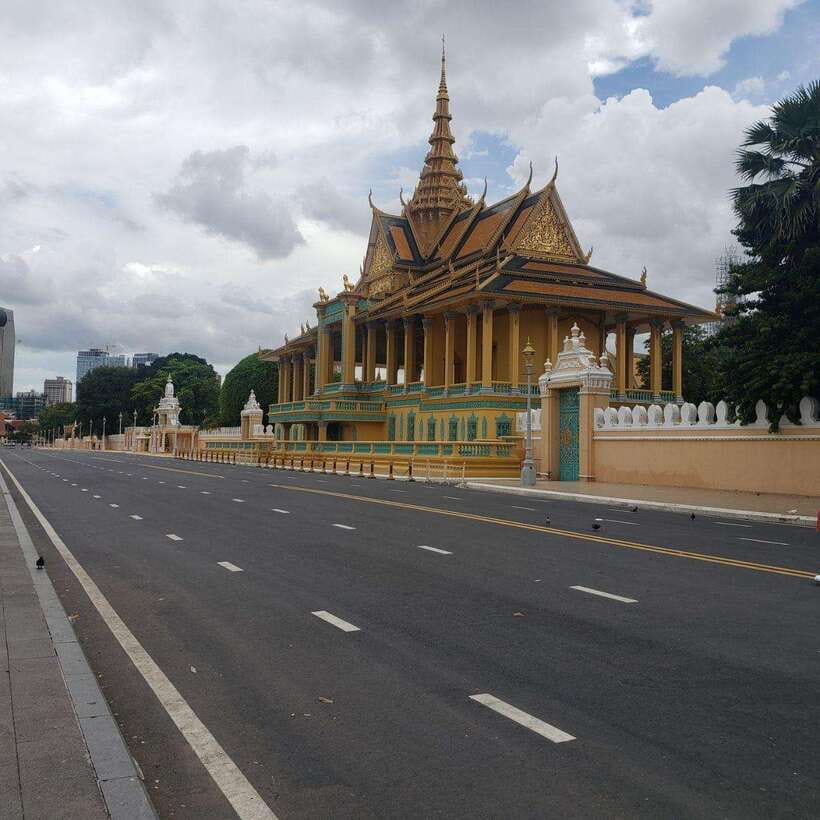
You start with pickup at your hotel lobby in Phnom Penh, then ride in a private, air-conditioned vehicle to each stop. That matters here. Phnom Penh traffic can be unpredictable, and the sites on this route aren’t spaced for carefree wandering.
This tour also includes the practical stuff that makes a difference on a hot day: cold waters and wipes, car parking handled, and toll roads covered. You’re traveling with a private driver who’s licensed and a professional guide who’s also licensed and speaks English. There’s even a safety briefing during the visits, which is helpful when you’re moving between busy entrances and memorial spaces.
The tour runs about 6 hours, with guided time blocks at the big sights. If you want a slightly faster or slower pace, this format gives your guide room to adjust—especially since it’s just your group, not a bus full of strangers.
You can also read our reviews of more city tours in Phnom Penh
Royal Palace and Silver Pagoda: where Cambodian power shows up in gold and iron
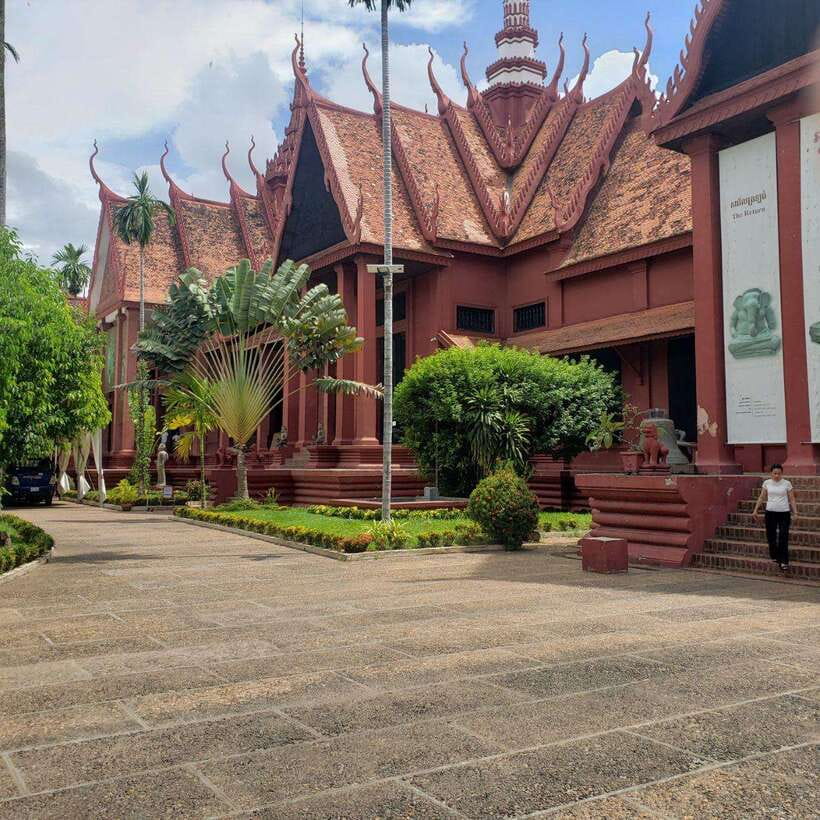
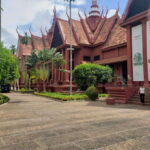
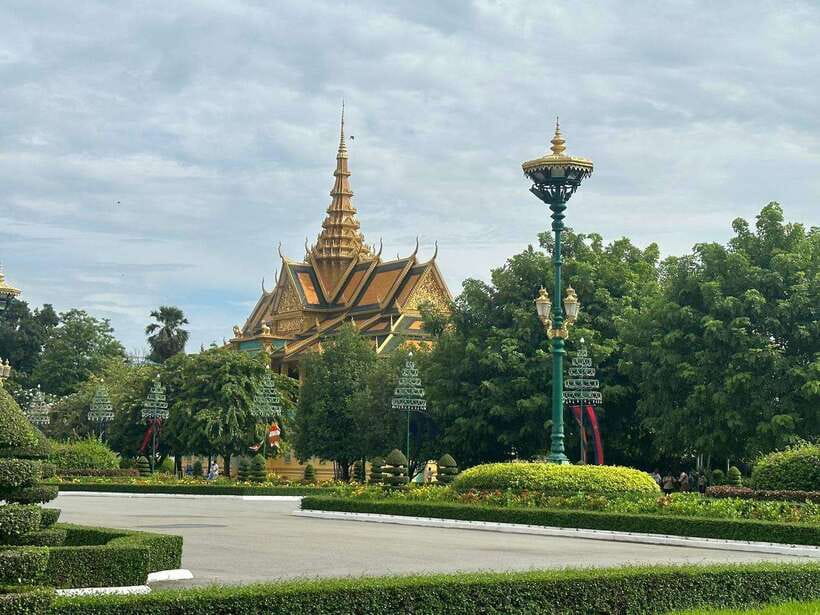
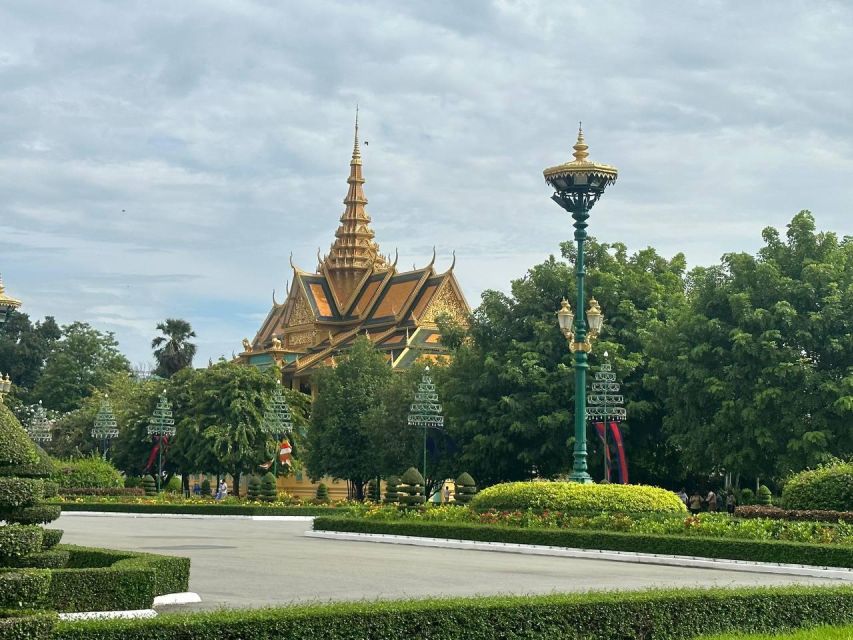
The Royal Palace visit is the first big-ticket moment, and it’s not just about pretty buildings. You begin around the royal gardens—tropical plants, gleaming spires, and that sense of stepping into a formal, curated world.
Inside, the Throne Hall is a key stop. It’s where royal receptions took place, and it’s tied to Cambodian royal coronations. If you care about how countries stage authority, this hall is a strong example of how architecture and ritual work together.
Two details here make the experience feel specific, not generic:
- The Napoleon III Pavilion, built from iron and gifted by the French emperor in the 19th century. It’s a reminder that Cambodia’s story includes outside influence, even while Cambodian identity remains front and center.
- The Silver Pagoda, named for the floor covered with 5,000 silver tiles, with each tile described as weighing about 1 kilogram.
Then comes one of those moments that feels almost too polished for real life: inside the Silver Pagoda is a life-size gold Buddha described as set with 9,584 diamonds, and noted as weighing about 25 carats. Whether you’re into religious art or you just like craftsmanship, you’ll probably spend extra seconds looking up and around.
A practical tip: plan to dress respectfully, keep your shoulders and knees covered, and keep your camera handy. This complex is a photo-friendly zone, but you’ll enjoy it more if you also pause for a quiet look, not just a click-and-run.
One more thing that helps: this tour includes skip-the-line entry through a separate entrance. That reduces stress when lines form and keeps you moving without feeling rushed.
Wat Phnom: Phnom Penh’s old origin story, from 1372
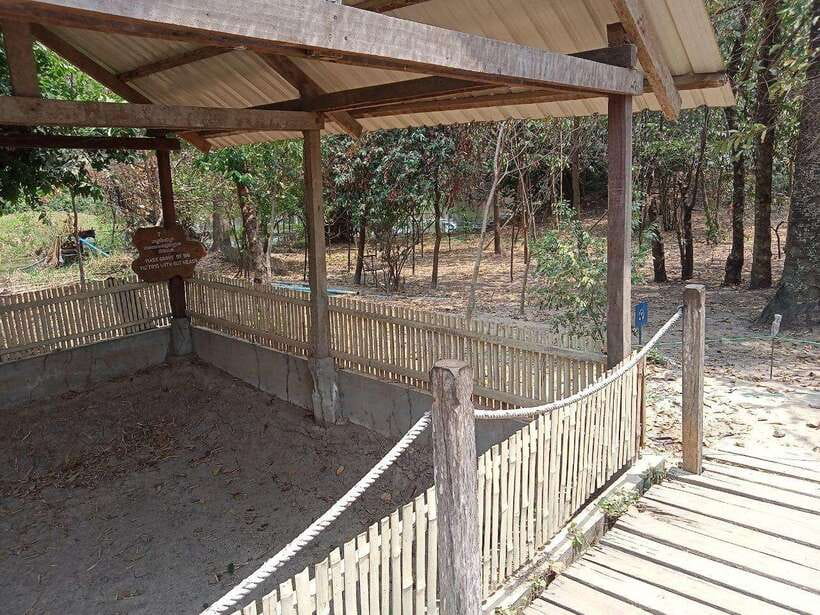
After the royal complex and the big emotional sites later, Wat Phnom is a calmer way to re-anchor your day. The temple sits on a hill and it’s tied to a well-known origin story involving Daun Penh, often called Grandma Penh.
The account goes back to 1372. Daun Penh, described as a wealthy widow, retrieved from a river a log holding five Buddha statues. She then ordered a temple to be built on her property to house them. The story continues with the idea that she and local villagers later moved to build the temple on the hilltop and brought the four Buddha statues up there.
You’ll also learn that a standing statue of a goddess was placed in a shrine located on the eastern side of the hill. That detail matters because it shows the site isn’t only about one relic—it’s a designed place for ongoing worship, blessings, and prayer.
Practically, you’ll get guided time here and scenic views along the way. Wear sun protection. The walk up and around can feel longer than it looks, especially in midday heat.
If you’re the type of person who likes your religious sites with context, Wat Phnom will deliver. It’s not just a postcard. It’s a story you can stand inside.
Independence Monument: a short stop that changes the mood
This route also includes Independence Monument. It was built in 1958 and inaugurated in 1962 during the Sangkum Reastr period (as described on your tour). The monument is meant to commemorate people who sacrificed their lives for the country’s welfare.
What makes the stop worthwhile isn’t the monument alone. It’s the atmosphere around it—described as cool and serene. That matters when your day is moving from royal symbolism to genocide memorials. A short pause at a place like this gives your mind somewhere to land between heavy experiences.
If you’re trying to mentally pace yourself, that’s a smart design choice. Don’t rush this moment. Even five minutes of quiet looking will help you transition.
Tuol Sleng Genocidal Museum (S21): understanding the system behind the horror
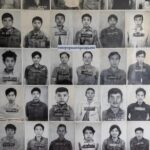
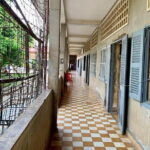
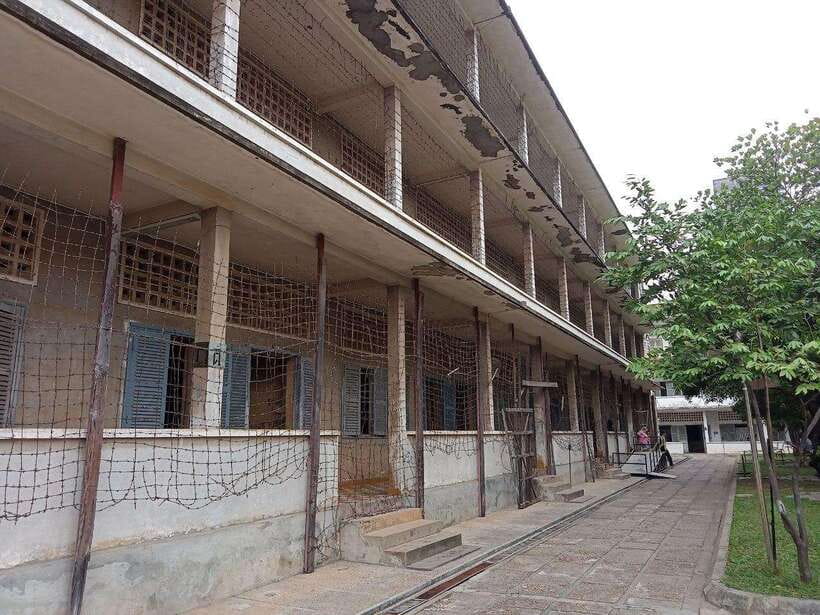
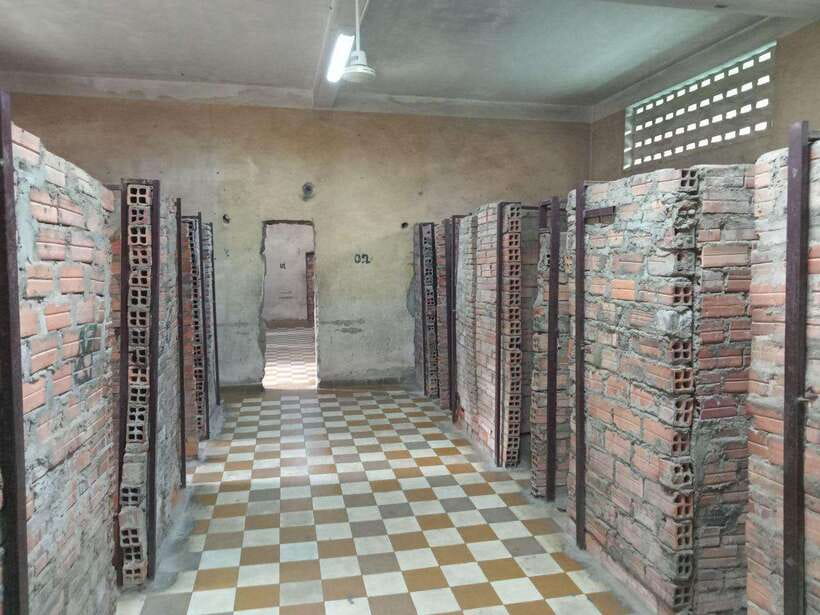
Tuol Sleng is the kind of place where you don’t just look—you learn, and you remember. The site began as a high school. Under the Khmer Rouge, it was turned into a center for interrogation, torture, and death. Today it operates as the Tuol Sleng Genocidal Museum, created to remind visitors about the atrocities that happened in Cambodia.
The numbers given here are staggering: 17,000 people passed through the gates, and only seven lived to tell the tale. Those facts don’t come across as trivia. With a guide, they become a framework for understanding what you’re seeing.
One powerful point of the tour is that your guide explains this wasn’t random suffering. It was a process, a route, and it had an end. That sets up what you’ll see at Choeung Ek later, so the transition doesn’t feel disconnected.
Plan for a guided visit with walking and time for photos only if you feel respectful doing so. Some sections may feel hard to process. That’s normal. It’s also why the tour is private: you can move at a pace that feels right for your group.
If you’re worried about doing this site justice emotionally, ask your guide for moments to pause. A good guide will read the room, not just the schedule.
You can also read our reviews of more private tours in Phnom Penh



Choeung Ek Killing Fields: the route to fate, and the space for reflection
After Tuol Sleng, you continue to Choeung Ek, a killing field memorial. Your guide explains that prisoners from Tuol Sleng followed the same route to their fate. The site began as an old Chinese cemetery called ChoengEk, and it was transformed into an extermination camp for political prisoners.
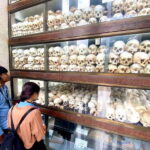
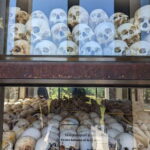
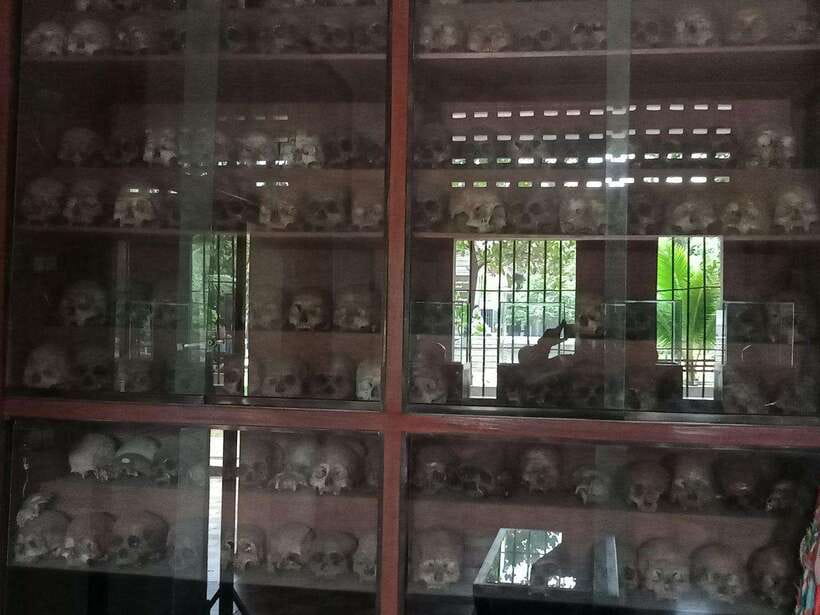
Here, you’ll see how the memorial is built around what was found after the fact. The tour notes that the remains of 8,985 people were exhumed from mass graves and are kept in a memorial stupa.
Even with the horrors behind it, the description is clear that it is peaceful, offering a tranquil place to reflect. That contrast can be hard to hold. But it also makes the memorial function important: it becomes a place for remembrance rather than spectacle.
Practical advice for this stop: bring your patience. This is not a quick photo stop. You’ll likely want your camera put away for some moments and then taken out later for the parts that feel appropriate.
If your group needs breaks, don’t force it. The tour includes time built for walking and guided context; use that structure to slow down when you need to.
What you actually pay for: $75 tour rate plus entrance fees
The tour price is $75 per person, and it’s clearly built around private transport and a licensed guide. For Phnom Penh, that’s decent value when you’re covering major sites that are spread out and emotionally intense (so you don’t want to spend that energy negotiating logistics).
One key cost detail: entrance fees are not included for the Royal Palace and the major genocide sites (Tuol Sleng and Killing Field). The tour also lists entrance fees not included for the National Museum. So you’ll want to budget extra on top of the $75.
That’s why this tour asks you to bring cash. Even though you’re getting skip-the-line access, you still need to be ready for ticket payments at the gates.
Good to know: the tour includes private transport costs (tolls and parking), travel insurance, and refreshments (cold water and wipes). So once you’re on the day, you’re not constantly paying small surprises.
How to prepare so the day feels good (even when it hurts)
The sites here mix heat, walking, and heavy emotions. A few preparation steps make a big difference.
Bring:
- Sun hat
- Camera
- Cash (for entrance fees)
- Biodegradable insect repellent
Not allowed:
- Pets
Also, the tour isn’t listed as suitable for wheelchair users or visually impaired people. If mobility is limited, this route’s walking and hilltop temple elements (Wat Phnom) could be tough.
Finally, use the private nature of the day. You can set a respectful pace that matches your energy. If you want to move quickly, you can ask your guide to keep things moving. One traveler’s experience noted they requested a faster pace and it worked well—so it’s worth telling your guide what you prefer.
Who this private tour is best for
This is a strong fit if you want:
- A private, licensed-guide day that covers the biggest Phnom Penh landmarks without planning headaches.
- A mix of royal culture and the hard history of the Khmer Rouge, with interpretation that keeps the story clear.
- Door-to-door comfort in air-conditioning, especially for the midday heat.
It’s also ideal for couples, small families, or anyone who wants the emotional weight handled with space and structure rather than rushing through on a crowded bus.
If you’re the kind of traveler who hates structured schedules, you might feel the day is packed. But the order makes sense: you start with royal and religious context, then you move into the memorial route tied to how S21 functioned.
Should you book this 6-hour Phnom Penh private tour?
Book it if you want one efficient day that connects Cambodia’s public face (Royal Palace, Wat Phnom, Independence Monument) to the reality behind the nation’s darkest chapter (Tuol Sleng and Choeung Ek). The private setup makes the logistics smoother, and the guide support matters a lot at the genocide sites.
Skip it if you’re looking for a purely light, casual tour, or if emotional topics would be too difficult for your group right now. This is a day that asks you to pay attention and to be steady.
If you book, do two things: bring cash for entrance fees and give yourself permission to slow down during the memorial parts. That’s where the tour becomes more than a checklist.