REVIEW · PHNOM PENH
Killing field and Toul Sleng genocide museum Tour
Book on Viator →Operated by Phnom Penh Tours · Bookable on Viator
Somber, essential, and better with translation. This half-day strings together Choeung Ek and Tuol Sleng so the Khmer Rouge story makes more sense, not less. You get an English-speaking guide to translate what you’re seeing, plus a comfortable ride and bottled water.
I love that the tour isn’t just a walking route. It’s guided translation that turns wall text and photos into clear human context. I also love the practical setup: air-conditioned vehicle, clean and safe transport, and a smooth hotel pickup/drop-off.
One consideration: this visit is emotionally brutal. And at Tuol Sleng, you should expect to rely on your guide rather than audio headsets.
4-6 Key Things To Know Before You Go
- Two sites, one coherent story: Choeung Ek first, then Tuol Sleng S-21.
- Your guide does the translating: you’ll get help understanding exhibits, not just hearing facts.
- Comfort on the ride: air-con van plus bottled water.
- Admission is extra: plan for Choeung Ek and Tuol Sleng entry fees on top of the $19 price.
- Small group size: capped at 20 travelers, which helps questions stay on track.
- No audio fallback: don’t count on museum audio—your guide is the main tool.
In This Review
- Phnom Penh In One Half-Day: A Route Through Khmer Rouge Reality
- Choeung Ek Killing Fields: From Orchard to Execution Ground
- Tuol Sleng S-21 Museum: A High-Security Prison in a Former School
- The Guide Makes or Breaks This Kind of Tour
- How the 4 Hours 15 Minutes Actually Works
- Price and Value: What the $19 Ticket Really Buys
- What to Expect: Somber Content, Real Details, No Escaping It
- Who This Tour Suits Best (and Who Might Want a Different Plan)
- Should You Book This Tour With Phnom Penh Tours?
- FAQ
- How long is the Killing Fields and Tuol Sleng genocide museum tour?
- Does the tour include hotel pickup and drop-off?
- Are admission tickets included in the $19 price?
- What does the tour include besides the guide?
- How big are the groups?
- Is weather important for this experience?
Phnom Penh In One Half-Day: A Route Through Khmer Rouge Reality
This tour hits two of Phnom Penh’s hardest places, and it does it in a way that helps your brain connect the dots. Choeung Ek shows what happened in the killing fields. Tuol Sleng shows how people were imprisoned and interrogated before many were killed.
You’re not left alone with labels. Your guide translates displays and answers questions as you walk. That matters, because the wording in memorial sites can feel cold unless someone turns it into something you can actually understand.
The tour runs about 4 hours 15 minutes, with a balanced pace between both stops. You’ll have enough time to look, read, and listen without feeling rushed through either site.
Choeung Ek Killing Fields: From Orchard to Execution Ground
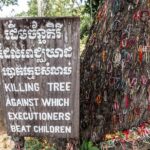
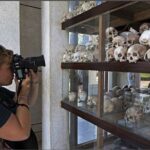
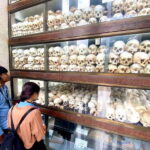
Choeung Ek is roughly 9 miles south of Phnom Penh, and the trip out gives you a few minutes to shift gears. The place carries a long, horrifying transformation: it was once an orchard and even connected to a Chinese cemetery. Under the Khmer Rouge led by Pol Pot, it became what people now call the killing fields.
At this stop, the guide puts the history into plain language and helps you interpret what you’re seeing. You’ll also get the chance to pay your respects. That sounds simple, but it changes the tone of the visit. It makes it feel less like sightseeing and more like a memorial.
The numbers here are staggering. The tour description states the Khmer Rouge massacred and buried around 20,000 victims at Choeung Ek, and that over three years they killed and buried roughly 2.5 million people. Even if you’ve read about this before, hearing it organized into a narrative helps it land.
What I like about this stop: it’s not just a list of atrocities. The guided explanations help you understand the system—the idea that people were targeted, removed, and then processed. That theme sets up Tuol Sleng perfectly.
What can catch you off guard: the emotional weight is real. If you’re the type who needs a moment to regroup, build in that time. Your guide can also slow down if you ask questions.
You can also read our reviews of more museum experiences in Phnom Penh

Tuol Sleng S-21 Museum: A High-Security Prison in a Former School
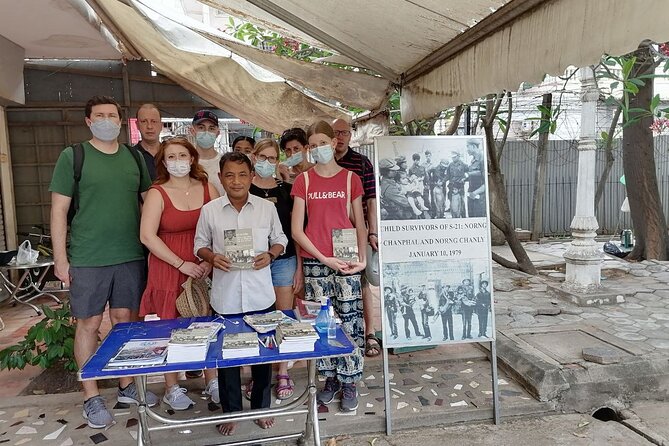
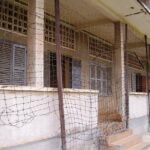
After Choeung Ek, you head back to Phnom Penh for Tuol Sleng, also known as S-21. The name Tuol Sleng is tied to the location’s meaning, often described as the hill of the poisonous trees. The Khmer Rouge turned a former school into a prison with high security.
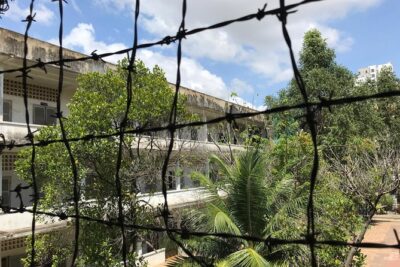
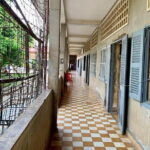
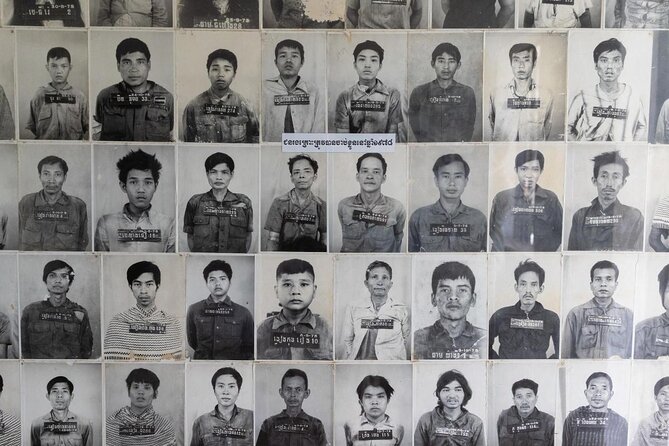
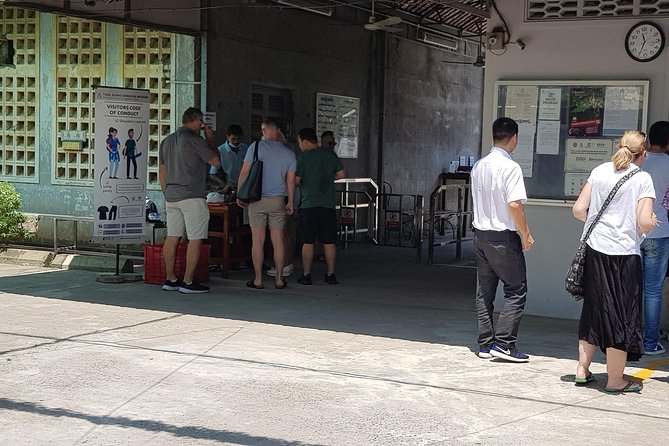
This is the most notorious interrogation center in Cambodia, and it’s housed in those old classrooms. The tour notes that between 14,000 and 17,000 prisoners were detained there. Many were tortured in primitive brick cells built in former classrooms, which makes the setting feel uncomfortably real.
What makes Tuol Sleng especially powerful is how it forces you to confront details. You’ll see the physical space where interrogation happened. You’ll also get translated context for displays and documents, so you understand what the items represent and why they were kept.
Also, plan for a specific kind of pacing. You’ll spend about 2 hours here. That’s long enough to absorb the story, but short enough that you’re not trapped in one room for ages. Your guide’s job—translating and answering questions—keeps you from getting lost in facts that feel disconnected.
One more practical point: there’s no mention of audio headsets being provided. So if you rely on audio guides, adjust your expectations. The tour experience is built around your guide’s translation instead.
The Guide Makes or Breaks This Kind of Tour
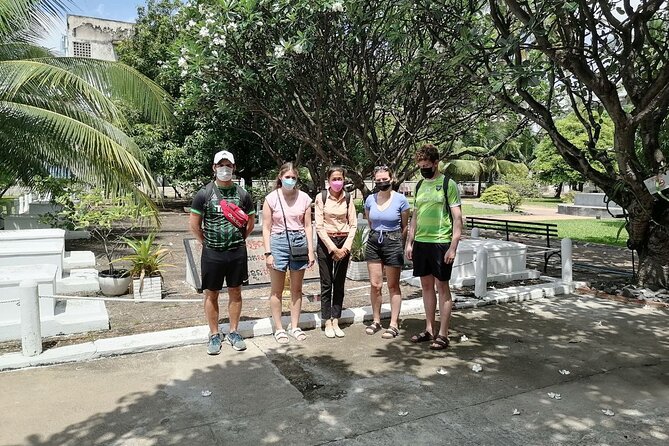
I put a lot of weight on guides for memorial sites, because the difference between dates and meaning is huge. Here, the tour’s biggest selling point is that the guide speaks English and translates the exhibits. That’s exactly what you want when the subject is hard to decode.
The guide element seems to be a standout across the range of people who lead this tour. Names like Makara, Darian, Ron, Chamroeun, Rouan, Neang, Ohm, Sammy, and Om come up as examples of guides who bring both structure and personal context. More than once, the standout theme is clear English plus an ability to explain Khmer Rouge history without turning it into a lecture.
Some guides also share personal connections. You’ll hear experiences from people who lived through the Khmer Rouge era or whose families were affected. That personal layer can make the stories hit harder, because you’re not only seeing history—you’re seeing memory.
How to get the most from your guide
Ask what you’re looking at. If you’re staring at photos or documents and thinking, I don’t get it, your guide can usually translate the purpose and significance. Also ask questions if you feel confused. The best moments tend to happen when you stop and clarify instead of rushing forward.
How the 4 Hours 15 Minutes Actually Works
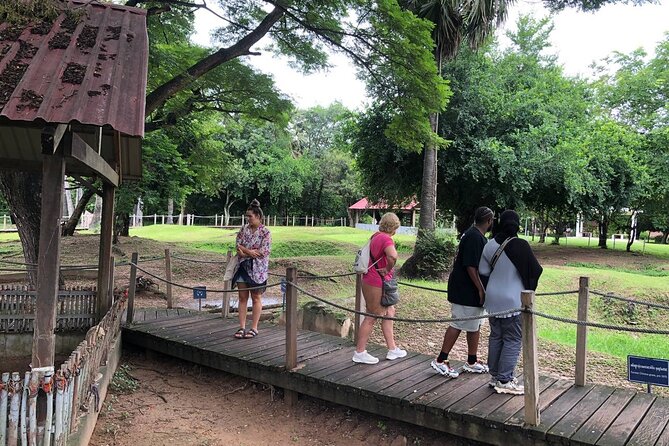
The schedule is built for two equal stops, with travel time in between. You’ll start from the pickup point at Amanjaya Pancam Hotel (Dekcho Damdin St. (154), Phnom Penh). The tour ends back at the meeting point.
In total, you’re looking at about 2 hours at Choeung Ek and 2 hours at Tuol Sleng, plus drive time and the handoff between sites. That’s a good use of half a day in Phnom Penh, especially if you’re planning other temples or museums afterward.
Because the tour can include hotel pickup and uses an air-conditioned vehicle, it’s easier on your day than trying to figure out transport yourself. It also helps you avoid the stress of coordinating timing between two far-apart sites.
One timing note: pickup can require you to stay alert to messages. Some guests have described confusion when pickup messages didn’t match their breakfast timeline. My advice is simple—keep your phone handy, and don’t assume the pickup will happen exactly at a time you choose. If the operator sends a message, follow it.
Price and Value: What the $19 Ticket Really Buys
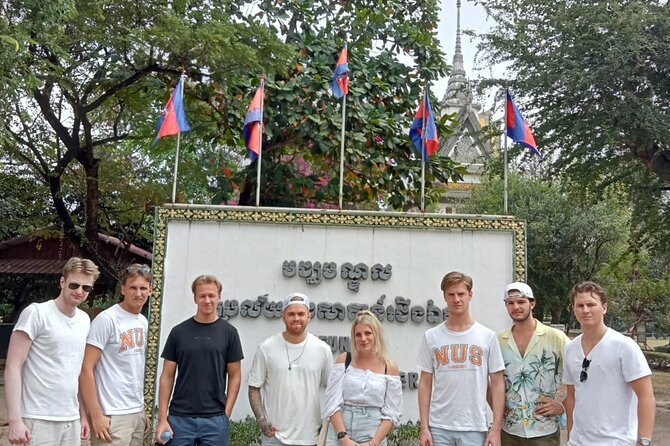
At $19 per person, this tour is priced for access to a guided, air-conditioned, two-stop experience. The catch is that entry fees are not included.
You’ll pay admission separately:
- Choeung Ek Genocidal Center: $3.00
- Tuol Sleng Genocide Museum: $5.00
So your all-in cost before tips is about $27 per person, assuming you’re paying standard rates. For a half-day with translation at both sites, a clean air-conditioned van, bottled water, and a professional English-speaking guide, that can feel like solid value—especially because memorial sites are where a good guide saves you from misunderstandings.
Don’t forget tipping. The tour lists tipping as not included, and given the emotional heaviness and the translation work involved, it’s worth budgeting something. Even if you’re unsure how much, plan for it so you don’t feel stuck at the end.
What to Expect: Somber Content, Real Details, No Escaping It
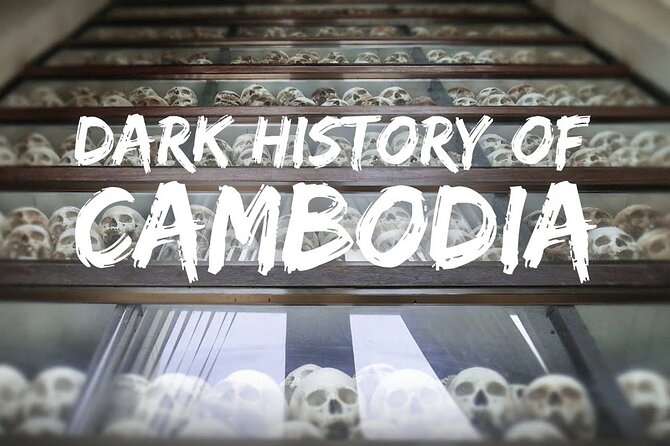
This tour is not light. It covers the Khmer Rouge genocides and the way the regime targeted people, imprisoned them, and then killed many of them. The overview also states that at least two million Cambodians were killed under the Khmer Rouge. Those numbers are hard to hold.
Choeung Ek sets a tone of mass execution and burial. Tuol Sleng shifts to interrogation: the machinery of control, the physical cells, and the process that led prisoners toward death.
You might also notice that the tour is structured to keep you moving while still giving time to look. That’s important, because if you stop too long without context, your brain can turn the visit into a blur. If you stop and ask questions, the guide helps you turn what you see into understanding.
If you’re the type who gets emotional fast, bring something practical: a little water (you’ll already get bottled water), a plan to take short breaks, and a clear idea that you might want a quiet evening after. I’ve found this kind of site sticks to you longer than typical museums.
Who This Tour Suits Best (and Who Might Want a Different Plan)
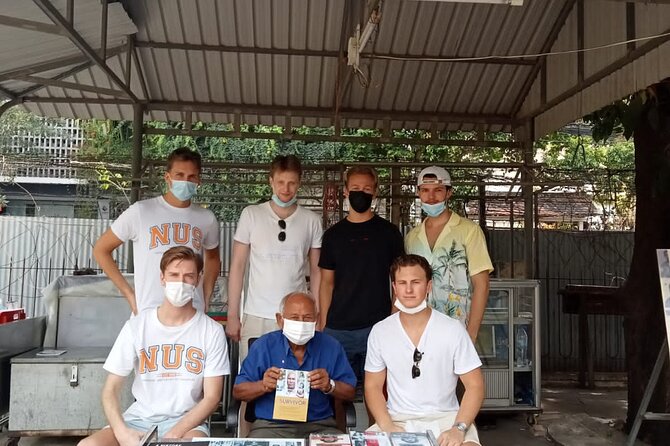
This is best for you if:
- You want the big two: Choeung Ek and Tuol Sleng, in one efficient route.
- You prefer a guide who translates and answers questions, not just a self-guided checklist.
- You care about understanding the Khmer Rouge system, not only seeing locations.
It’s also a good fit if you’re short on time. Phnom Penh can swallow a day with traffic and museum hopping. Two sites in half a day keeps your schedule sane.
This might be a tougher choice if you:
- Want a fully self-paced experience with minimal talking.
- Don’t handle heavy historical material well.
- Rely on audio headsets instead of human explanation (here, the tour experience is built around translation by the guide).
Should You Book This Tour With Phnom Penh Tours?
If you’re visiting Phnom Penh and you want a guided, understandable route through two core Khmer Rouge sites, this tour is an easy yes. The price is reasonable once you factor in transport, an English-speaking guide with translation support, and the fact you’re covering both Choeung Ek and Tuol Sleng in one go.
Book it if you’re willing to face the subject honestly and you want help turning the displays into meaning. And if you care about doing it right, show up with an open mind and a willingness to ask questions. The guide’s job here is not to soften the story—it’s to make sure you understand it.
FAQ
How long is the Killing Fields and Tuol Sleng genocide museum tour?
It runs about 4 hours 15 minutes (approximately), including time at both sites and driving.
Does the tour include hotel pickup and drop-off?
Yes. Pickup is offered, and the tour ends back at the meeting point near Amanjaya Pancam Hotel.
Are admission tickets included in the $19 price?
No. Admission fees are extra: $3 for Choeung Ek Genocidal Center and $5 for Tuol Sleng Genocide Museum.
What does the tour include besides the guide?
You’ll get an air-conditioned vehicle, a professional English-speaking guide with translation, and bottled water. Transportation is described as clean, safe, and hygienic.
How big are the groups?
The tour has a maximum of 20 travelers.
Is weather important for this experience?
Yes. It requires good weather. If it’s canceled due to poor weather, you’ll be offered a different date or a full refund.