REVIEW · PHNOM PENH
Phnom Penh: Silk Islands Bike Tour
Book on GetYourGuide →Operated by Cambo Tours Services · Bookable on GetYourGuide
Silk, tofu, and pedals in Phnom Penh. I love the way the ride follows the Mekong trail and threads through farming villages, and I love hearing the backstory of silk weaving from the people who keep it going. It’s one of those days where you’re outside, moving, and still learning real-life culture.
One thing to consider: you should be comfortable cycling through Phnom Penh streets and doing roughly a 28 km bike journey during the tour.
In This Review
- Key highlights at a glance
- Getting to Silk Island: pickup, bike fit, ferry crossing
- Phnom Penh streets to the ferry: you start riding, not just sightseeing
- The Mekong trail and farming villages: what the ride teaches you
- Dried tofu at a family-run stop: food culture you can taste
- Silk weaving with local villagers: the craft, the origin story, and the people
- Timing and pace: 5 hours that land you back around midday
- Price and value: why $49 can make sense for this kind of day
- What to bring and how to get the most out of the ride
- Who this tour suits best (and who should consider alternatives)
- Should you book the Phnom Penh: Silk Islands Bike Tour?
- FAQ
- How long is the Phnom Penh: Silk Islands Bike Tour?
- What is the price?
- Is the guide available in English?
- Will I cross by ferry?
- What’s included in the tour cost?
- Do I need a helmet?
- What time will I be back in Phnom Penh?
- Can I cancel for free?
Key highlights at a glance
- English-speaking, safety-minded guides (names you may see include David, Ted, and Ter)
- Ferry to Silk Island plus cycling through rural farming villages
- Family-run dried tofu stop where everyday food meets local tradition
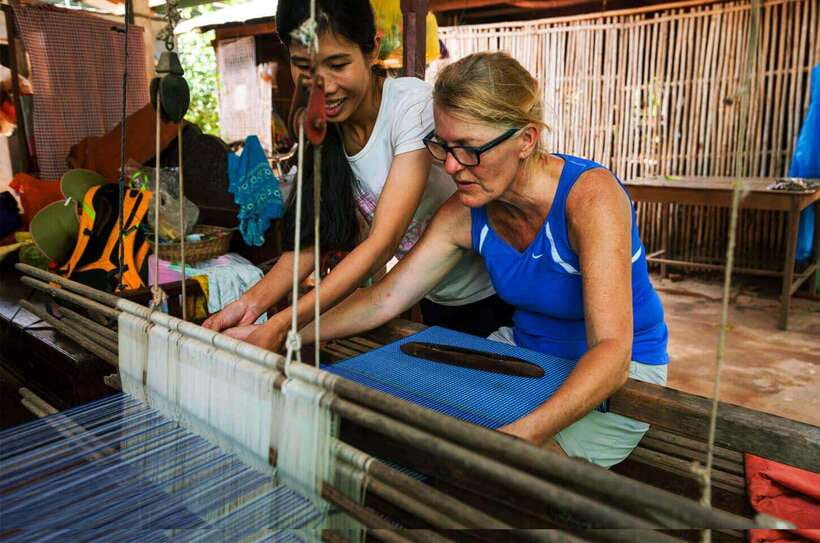
- Silk weaving lessons with explanations of how the craft was passed down
- Hotel pickup, bike + helmet, snacks, and fruit—so you’re not scrambling all day
Getting to Silk Island: pickup, bike fit, ferry crossing
The day starts with hotel pickup and drop-off in Phnom Penh, which matters because you’re spending your energy on the ride, not on logistics. You’ll head to a bike shop for a quick bike fitting and briefing, then you’re rolling out from the city.
The first major transport moment is the ferry to Silk Island. That short water crossing breaks up the day and sets expectations: you’re not just cycling in one urban bubble—you’re heading toward quieter countryside life.
Before you go, expect a straightforward plan: listen to the briefing, get comfortable on the bike, and keep your water handy. You’ll have bottled water, plus snacks and fruit during the experience, which is a nice touch for a 5-hour outing.
You can also read our reviews of more cycling tours in Phnom Penh


Phnom Penh streets to the ferry: you start riding, not just sightseeing
Here’s the practical heads-up that can make or break your enjoyment: the tour isn’t only a scenic island cruise. The ride begins from the start location, and you may need to cycle through challenging city streets to get to the ferry and out toward the countryside.
This is also where the guide’s job really shows. In the feedback I saw, guides like David, Ted, and Ter were praised for putting cycling safety first and for being attentive while you’re moving through traffic or tighter routes. If you’re the type who likes active travel—rather than being chauffeured—this part can be a lot of fun.
If you’re not a confident cyclist, don’t panic. Just be honest about your comfort level during the briefing, take the pace the guide sets, and keep your eyes up. City cycling rewards calm focus.
The Mekong trail and farming villages: what the ride teaches you
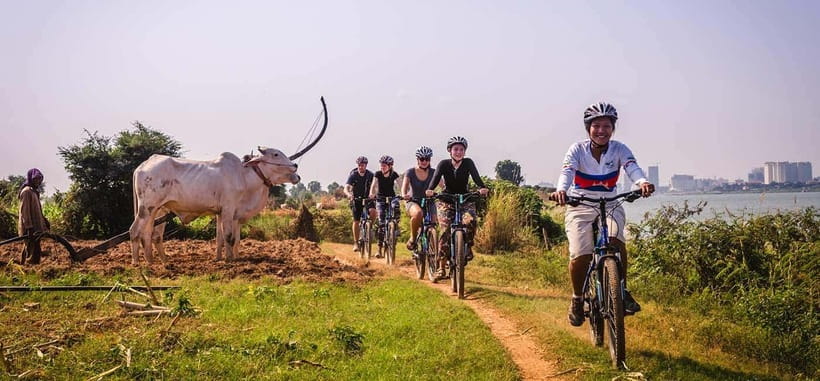
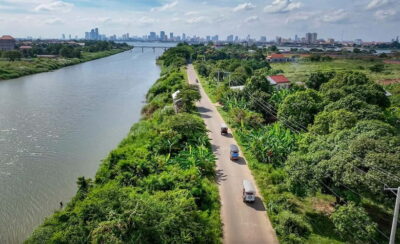
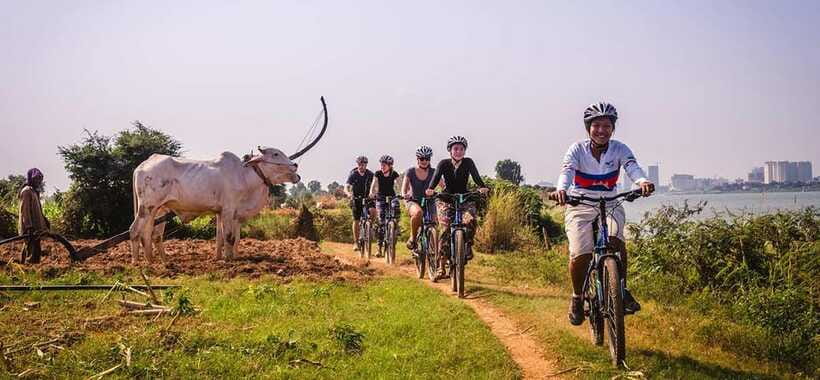
Once you arrive and set off through the countryside, the day shifts from traffic to texture: small farms, daily work, and the slow rhythm of rural Cambodia. This is where I like the tour format. A walk can take you deep, but a bike lets you cover more ground and connect the dots between communities faster.
You’ll see day-to-day life and traditions in the Phnom Penh area, not just a single photo stop. That matters because you start to understand how people live around the water, how fields support families, and why local crafts and foods exist in the first place.
The views are part of it too, but don’t expect this to be only postcard scenery. The real payoff is noticing details: how routes are shaped by work, how villages stay connected, and how the landscape supports livelihoods. You’ll breathe easier out there, away from the busier streets.
Dried tofu at a family-run stop: food culture you can taste
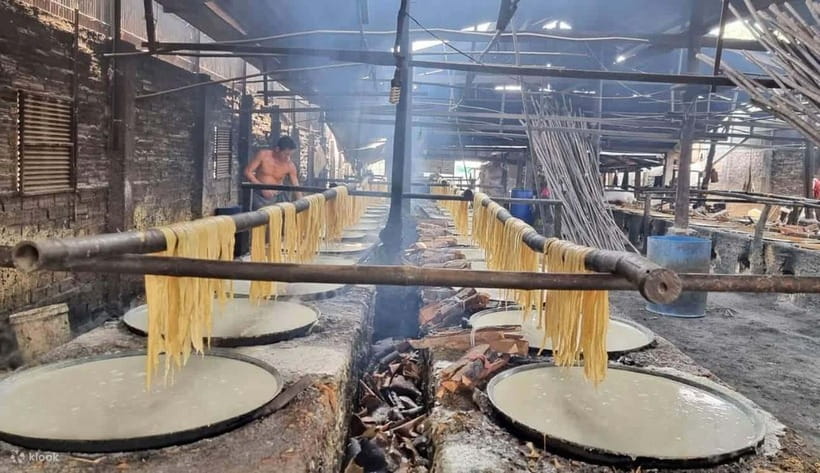
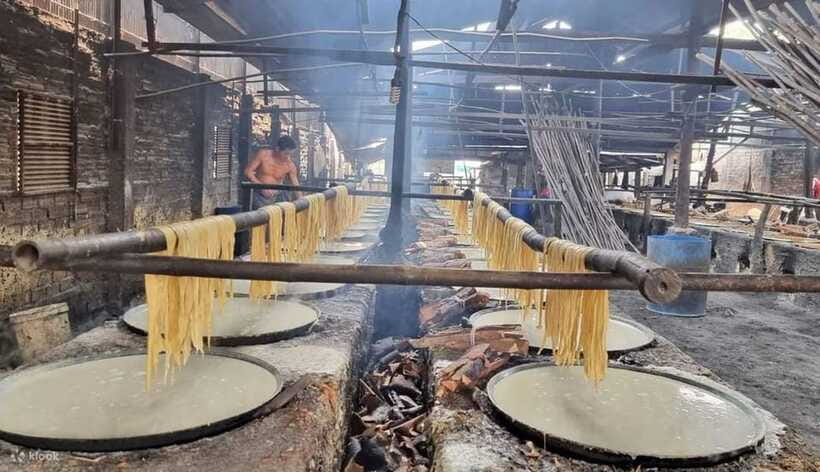
One of the standout experiences on this tour is the visit to a family-run business specializing in dried tofu. This isn’t a random souvenir stop. It’s a look at a food practice that’s tied to routine and skills passed through families.
Even if you’ve never thought much about dried tofu before, this kind of stop is valuable because it grounds culture in something practical. People don’t preserve food just because it’s interesting—they do it because it fits daily needs, storage, and local markets.
If you enjoy learning through hands-on curiosity, you’ll likely appreciate how the guide connects the stop to the wider theme of tradition. And if you like eating while you learn, you’re in good shape since you’ll also have snacks and fruit during the tour.
Silk weaving with local villagers: the craft, the origin story, and the people
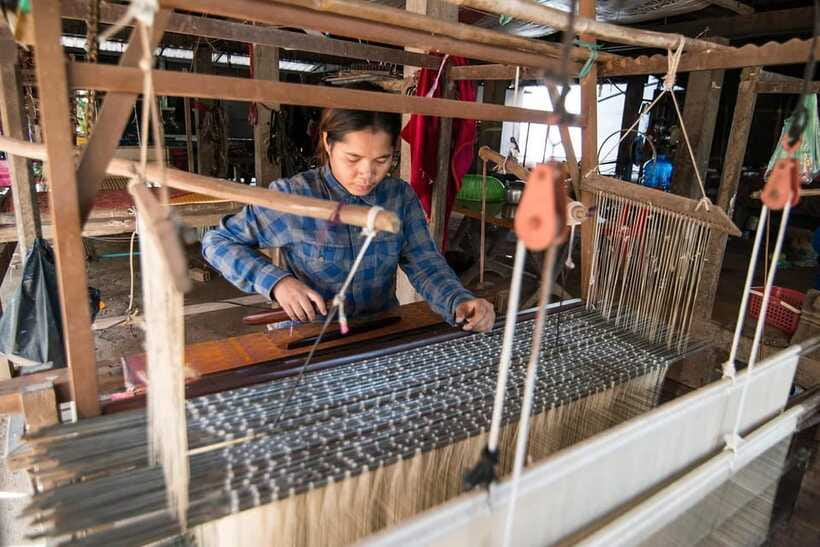
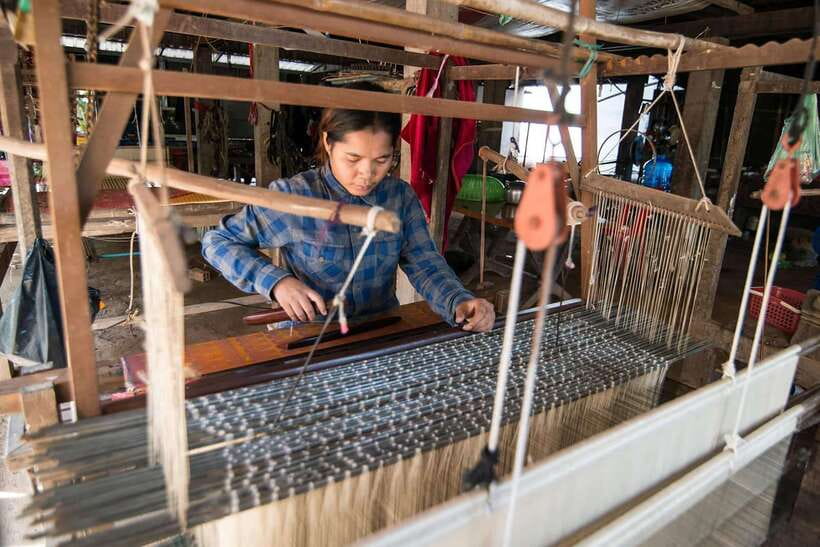
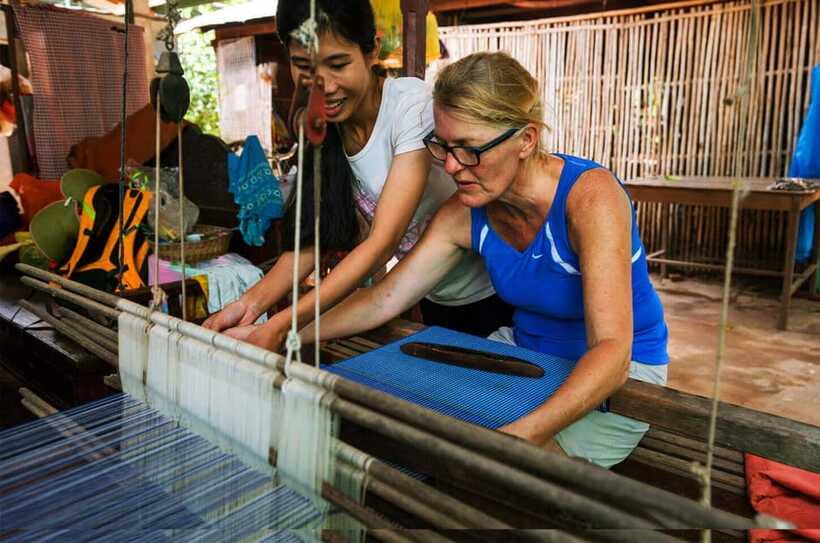
The silk weaving component is the heart of the day. You’ll learn from local villagers and hear about the origins of silk weaving in Cambodia, including how the tradition was passed from parent to child.
I love this kind of cultural stop because it’s not just watching something made. You’re getting context for why it was preserved and how families kept skills alive across generations. That turns a visual experience into something you can carry home as understanding.
Also, pay attention to how the guide explains the craft. In the feedback I reviewed, guides were praised for detailed explanations and clear English. So if you care about the story behind what you see, you’ll probably feel like the time is well-used rather than rushed.
And yes, you’ll get a sense of how these skills fit into daily life—not as a museum display, but as living work.




Timing and pace: 5 hours that land you back around midday
The total tour time is 5 hours, which is a sweet spot if you want an active day without eating the entire schedule. The tour is designed so you can head back to Phnom Penh with an expected arrival at midday.
The pace is built around moving between moments: pickup → bike fit → city-to-ferry transit → countryside riding → cultural stops → return ride. Because it’s a set timeframe, you won’t get stuck waiting around forever, and you’ll still feel like you did a full outing.
One more practical note: wear comfortable clothes and be ready to pedal. You’re not doing this to feel like you’re strolling. The joy is in the rhythm—ride, stop, learn, repeat.
Price and value: why $49 can make sense for this kind of day
At $49 per person, this tour looks affordable on paper—and it’s more interesting when you account for what’s included. You get hotel pickup and drop-off, a bicycle, helmet, bottled water, snacks, fruit, and a village donation. Add an English-speaking guide and the cost becomes easier to justify.
The value is also in the structure. Organizing a bike, arranging ferry access, coordinating local cultural visits, and getting an English guide would be a hassle if you tried to DIY it. Here, the planning is done for you, so your day stays simple.
It’s especially good value if you like authentic culture but don’t want to spend your whole trip chasing it. This tour gives you a concentrated slice of rural life—silk weaving, daily food production, and the ride between places.
What to bring and how to get the most out of the ride
The tour includes the big basics: bike, helmet, water, snacks, and fruit. That said, you’ll still want to show up ready for active cycling and time outdoors.
Bring sun protection (it’s Phnom Penh), and think about what you can comfortably wear for a 5-hour day. If you’re prone to feeling chilly on the return, light layers can help—because your comfort depends on wind and movement, not just weather.
Most importantly: go into it with the right mindset. This is not a sit-and-watch day. It’s a riding day with cultural stops. If you enjoy learning while moving, you’ll get more out of each stop and feel less like you’re just being delivered from one location to another.
Who this tour suits best (and who should consider alternatives)
This tour suits you if you want active sightseeing with real-world context. I think it’s a great match for cyclists who are comfortable in at least some urban riding and who enjoy learning about crafts and daily life.
It can also work well for people who don’t want a full-day marathon. At 5 hours, it’s easy to fit into a Phnom Penh itinerary, especially if you want the morning or midday window to stay open.
If you have trouble with longer rides or you hate the idea of cycling through city streets, take the caution seriously. The tour includes a substantial ride (about 28 km from one account), and that’s the part to judge honestly before you book.
Should you book the Phnom Penh: Silk Islands Bike Tour?
Yes, if you want a guided day that combines rural cycling, a silk weaving lesson, and a family-run dried tofu stop—all with hotel pickup, a helmet, and the basics handled. It’s good value for the time you get and for how much culture you pack into five hours.
Skip it or consider a different option if you’re nervous about cycling through Phnom Penh streets or you prefer fully relaxed sightseeing. This tour is for people who like pedals, focus, and clear explanations—exactly the style praised by guides like David, Ted, and Ter.
FAQ
How long is the Phnom Penh: Silk Islands Bike Tour?
The tour lasts 5 hours, with different starting times depending on availability.
What is the price?
The price is $49 per person.
Is the guide available in English?
Yes. The live tour guide speaks English.
Will I cross by ferry?
Yes. The tour includes a ferry ride to Silk Island before you set off through the countryside.
What’s included in the tour cost?
You get a guide, hotel pickup and drop-off, bicycle, helmet, bottled water, snacks, fruit, and a village donation.
Do I need a helmet?
A helmet is provided as part of the tour.
What time will I be back in Phnom Penh?
The tour has an expected arrival back around midday.
Can I cancel for free?
You can cancel up to 24 hours in advance for a full refund.