City noise fades fast on this silk trip. You trade Phnom Penh traffic for tuk-tuk lanes, ferry rides, and rural village life on the Mekong side. I especially like the mix of craft and everyday scenes, with hands-on silk weaving stops plus local snack breaks along the way.
The other big plus is the people factor: you get a professional English-speaking guide who keeps the day moving and explains what you’re seeing, with names like Tin Tin, Kim, Lee, Sok, and Nuth showing up in the guiding mix. One consideration: it’s only a half day, so if you want a long, slow tour with lots of time at each site, you might feel the schedule is a bit tight.
In This Review
- Key highlights I think you’ll care about
- Tuk-Tuk to Silk Island: a smart way to see rural Cambodia
- Getting from Phnom Penh to the Mekong side (pickup, tuk-tuk, ferry time)
- Mekong Silk Island 099: village life, markets, and temple stops
- Heng Naysim Traditional Weaving House: watch silk weaving in action
- Don’t skip the tofu skin stops and snack rhythm
- Small group size and English guides: the day’s real engine
- Price and value: what $29 gets you in real terms
- Who this tuk-tuk silk tour suits (and who should think twice)
- What to pack so the day stays comfortable
- Should you book this tuk-tuk to Silk Island tour?
Key highlights I think you’ll care about
- Hotel pickup and drop-off: saves time and hassle in Phnom Penh
- Tuk-tuk + ferry routing: you actually leave the city and reach the island side
- Silk weaving workshops: watch the process and learn the tradition behind it
- Tofu skin and market stops: the day covers more than just silk
- Small group (max 12 people): easier questions and a less rushed feel
Tuk-Tuk to Silk Island: a smart way to see rural Cambodia
This tour works because it doesn’t try to cram only big-name sights into a short window. Instead, it uses a tuk-tuk ride to get you out of the city, then switches to ferry travel so you can reach the Silk Island area and see how people live and work away from the main tourist circuit.
You’re also not stuck watching a screen or following a script. You visit places tied to real production—silk weaving, and even tofu-skin making—so the day feels practical. That matters in Cambodia, where craft isn’t just a souvenir idea. It’s a skill passed down in families, and you get to witness the steps.
The length helps too. At about 4 hours 30 minutes, it’s long enough to feel like a full outing, but short enough to pair with Phnom Penh’s museums, markets, or riverside dinner the same day.
You can also read our reviews of more tours and experiences in Phnom Penh.


Getting from Phnom Penh to the Mekong side (pickup, tuk-tuk, ferry time)
The day starts with hotel pickup and drop-off, which is a real value-add in Phnom Penh. You don’t have to sort transport on your own or worry about being late to the right dock.
Once you’re picked up, you head out of Phnom Penh by tuk-tuk. Then you board a ferry to reach the island area. The ferry transfer is part of the fun, not just logistics. It creates a clear “you’re leaving the city” moment, and it gives you that calm sense of river travel before you hit the workshops.
Timing-wise, expect the first stretch to get you out of the city, then a longer block on the island side. The tour is roughly paced so you can see multiple stops without sprinting through them.
A small comfort tip: the tour includes cold water and local snacks, so you’re not walking around dehydrated or hungry while waiting between sites. Bring a hat and sunscreen anyway, especially in warmer months, because ferry time and outdoor village walking can add up.
Mekong Silk Island 099: village life, markets, and temple stops
The island visit is where the day broadens beyond craft into daily life. You’re set to explore the countryside with time for farming villages, a local market, and Buddhist temple visits as part of the route.
This part matters because silk production doesn’t happen in a vacuum. You’re seeing the surroundings that support the work—agriculture, community routines, and the small places where local goods change hands. Even if you’re not shopping, the market stop helps you understand what people choose to eat and use, not just what they produce for tourists.
One practical note: the admission ticket for this island stop is not included. That’s normal for many craft and site visits in Cambodia, but it does mean you should plan a little extra money for entrance fees.
How long is it? About 2 hours on this island/countryside block. That’s enough to get a real feel for the area and still reach the weaving stop while you’re fresh.
Heng Naysim Traditional Weaving House: watch silk weaving in action
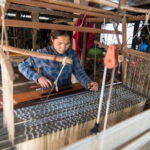
The final main stop is a Traditional Cambodian Weaving House where you learn about the craft of silk weaving. The focus here is the process and the people behind it—especially the idea that this tradition has been passed down across generations.
The time block is about 2 hours, which is helpful. Silk weaving isn’t a “look once, done” kind of activity. You’ll want time to watch the steps, ask questions, and get a sense of what’s involved—especially if you’re the type who likes seeing how something becomes a finished product.
Just like the island stop, the admission ticket is not included. So you’ll likely need to pay entrance or workshop fees on the day (exact amounts aren’t listed in the info you provided). In many weaving houses, you may also see finished products for sale. If you do buy, it can function as direct support for the workshop, and the pricing is often described as fair when you meet the makers.
Also keep an eye on how you’re greeted. Guides like Sok and Nuth are often praised for staying on top of pacing and making sure you feel included. In one case, a guide was noted for ensuring a person using a cane could still participate, which is worth noting if mobility is a factor for you.
Don’t skip the tofu skin stops and snack rhythm
Silk gets the headline, but the day often includes other food- and work-related stops that make the outing feel more complete. In particular, you may see tofu skin making (sometimes described as a tofu skin workshop or tofu skin factory stop) alongside the silk production.
Tofu skin is one of those foods that most visitors only know from menus. Seeing it made adds context for how ingredient work becomes craft work—quiet labor, repeated steps, and a final product that looks simple only after you understand the process.
Between the production stops, you get local snacks and cold water. Several guides are noted for building in small breaks, including market fruit and coffee-style refreshment stops, plus rice snacks. That snack rhythm matters more than you’d think. It keeps the day comfortable during walking and ferry transfers, and it reduces that “tour fatigue” that can happen on half-day itineraries.
If it rains, don’t panic. One full tour experience was described continuing even with about an hour of near-monsoon rain. That’s a reminder to pack a light rain layer and keep your plans flexible.

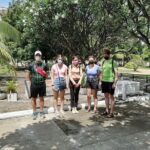
Small group size and English guides: the day’s real engine
A lot of tours in Cambodia move fast and treat information like background noise. This one aims for the opposite. The group size is capped at 12 people, which usually means fewer delays and easier conversation with your guide.
The guide is described as professional English-speaking, and the guiding style is often praised for being friendly and tuned to the group. Names that show up in the guiding experience include Tin Tin, Kim, Lee, Sok, and Nuth—and what connects them is clear English explanations plus an ability to connect craft to daily life.
In practical terms, a good guide helps you do three things:
- Ask better questions at the weaving house and silk-related stops
- Understand what you’re seeing without needing to guess
- Move between sites comfortably, so the ferry and walking feel manageable
If you’re the kind of person who likes learning but hates lectures, this format usually fits. You get explanation at each stop, then time to look and ask.
Price and value: what $29 gets you in real terms
The listed price is $29 per person, and for this type of outing, the value comes from the included “travel labor.”
You get:
- Hotel pickup and drop-off
- A professional English-speaking guide
- Cold water and local snacks
- Ferry trips to reach the island area
That combination is usually where budget tours often cut corners. Here, the core transport and guiding are included, so you’re not piecing together multiple services.
What’s not included is also important. Personal expense is not included, and the admission tickets at the island and weaving house aren’t included. That means your final day cost may be a little higher depending on site fees and what you choose to buy (drinks, souvenirs, or workshop products).
Still, the structure is solid: the price covers getting you out there, keeping you fed and hydrated, and getting you the kind of explanations that make craft visits meaningful.
Who this tuk-tuk silk tour suits (and who should think twice)
This tour is best for you if you want:
- A half-day outing that feels like more than a quick photo stop
- Silk weaving and village craft as the centerpiece
- A rural side of Phnom Penh you can actually reach in one morning or afternoon
You’ll also like it if you enjoy food and work-related stops. The tofu skin element (when included in your day’s routing) adds texture beyond silk alone.
You might want to think twice if:
- You don’t like walking between stops, because the day involves multiple locations and you’ll likely move around outdoors
- You want more time at each workshop, since the schedule is paced and there’s limited slack in a 4.5-hour window
On the bright side, the included snacks and the guided pacing help smooth the day, even when weather turns.
What to pack so the day stays comfortable
Since this is a tuk-tuk and ferry mix, pack like you’re planning for movement, not a stay-put museum visit.
Bring:
- Comfortable shoes for outdoor paths between sites
- Sunscreen and a hat for any exposed village or market time
- A light rain layer in case the sky changes fast
- A little extra cash for site admissions (since stop admissions aren’t included) and optional purchases
Water is provided, but bringing a small personal backup bottle can calm nerves if you’re the type who drinks often.
If you plan to tip workers or buy goods from the weaving house, keep a wallet ready. The tour is set up so you can choose what feels right.
Should you book this tuk-tuk to Silk Island tour?
Yes, I’d book it if you want a short, well-structured escape from city life that focuses on real production and community routine. The standout value is the combo of hotel pickup, ferry access, a small group, and silk weaving plus craft learning—not just sightseeing.
I’d pause before booking if your top priority is major monuments and you’re not that interested in craft workshops, village markets, and process-based learning. Also, if you have limited mobility, ask about walking demands before you go, since even a well-paced half day can involve moving between several places.
If you’re curious about silk, tofu skin, temples, and how everyday Cambodian life connects to craft, this half-day trip is a strong fit.