REVIEW · PHNOM PENH
Silk Island & countryside of Phnom Penh by Tuk Tuk
Book on Viator →Operated by Vana Adventure Travel · Bookable on Viator
Phnom Penh quickly turns into countryside calm. This half-day trip uses tuk tuk and local ferries to take you out to Silk Island for farms, craft workshops, and a simple Khmer meal. I really like how the route mixes big “Cambodia by water” moments with small, human-scale stops, like sedge mat weaving and a family-run silk process. One thing to keep in mind: it’s a local-routine day, so expect heat, simple dining, and no pressure to be on a polished tourist schedule.
The ferry crossing sets the tone right away. You go over the Mekong at the confluence with the Tonle Sap and Bassac, then continue through working villages and fields. I love that the tour is paced so you can move at your own speed once you’re on the island, instead of racing from one photo spot to the next. A possible drawback is the “hands-on” nature of workshops: some sites can feel more like demonstrations than full production lines, so keep your expectations flexible and ask questions when you’re there.
In This Review
- Key highlights worth your attention
- Why Silk Island feels like a reset from Phnom Penh
- Getting out of the city: tuk tuk pickup, then ferry time
- Phsar Areyksat: market energy, then rural crafts
- On the road to Silk Island: ginger, vegetables, and working farms
- The silk weaving experience: what you’ll actually see
- Bean curd (tofu skin) on Silk Island: the food link people remember
- Temples and monasteries: quiet pauses on a working island
- Lunch or dinner by the river: what included really means
- The tuk tuk Romork rides: fun, but plan for the heat
- Price and value: why $45 can work here
- Who should book this Silk Island tour
- Should you book Silk Island & the Phnom Penh countryside by tuk tuk?
- FAQ
- How long does the Silk Island and countryside tour take?
- Is hotel pickup and drop-off included?
- What is included in the price?
- Is there a vegetarian option for the meal?
- Is the ferry and admission covered?
- What is the dress code?
- Can I cancel for a full refund?
Key highlights worth your attention
- Mekong river ferry ride at the confluence of Mekong, Tonle Sap, and Bassac
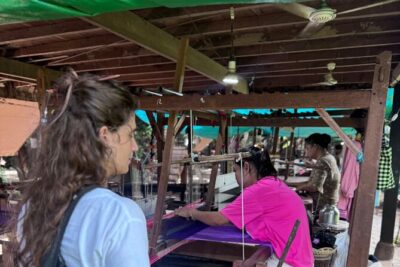
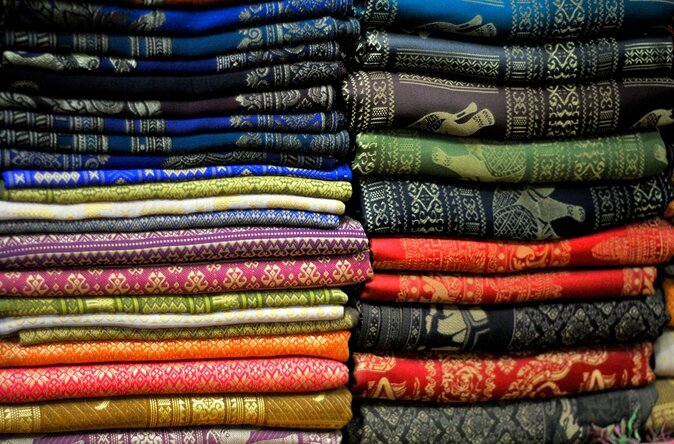
- Silk weaving and village craft stops, including sedge mat weaving and silk work
- Bean curd (tofu skin) production visit on the island, tied to everyday Cambodian cooking
- Monastery and temple moments, including a painted nun temple reported by many
- Tuk tuk style cruising with ferry hops, often with a small group (max 12)
Why Silk Island feels like a reset from Phnom Penh
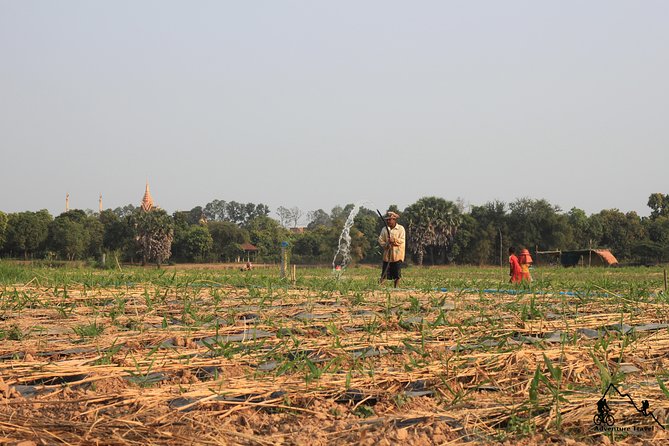
If Phnom Penh is starting to press in on you, this is the kind of outing that gives your brain space back. You leave the main roads, trade traffic noise for river air, and spend the afternoon in a patchwork of farms and small communities.
The big win here is balance. You get a serious sense of “how life runs” away from the city, but the day still has clear comfort built in: hotel pickup/drop-off, an English-speaking guide, a driver who knows the route, and a meal included. It’s not a survival trip. It’s more like a guided walk through rural rhythms, with transport that keeps things easy.
What I’d call the second win is value for the money. At $45 per person for roughly 3 to 5 hours, you’re paying for transport, guides, ferry fees, and a meal—not just a walk. If you’ve already decided you want something more real than another city sightseeing loop, this pricing matches that goal well.
You can also read our reviews of more tours and experiences in Phnom Penh.


Getting out of the city: tuk tuk pickup, then ferry time
Your day starts with pickup and drop-off from your hotel. The ride out is by tuk tuk (Romork), or a minivan if the group size demands it. Either way, the plan is built around the reality of the area: you’re not just sightseeing from land. You’re moving like locals do, using waterways when the islands make more sense.
The first real “wow” is the ferry crossing at the rivers’ meeting point. The confluence of the Mekong, Tonle Sap, and Bassac is one of those geographic moments that makes Cambodia feel bigger than the streets you’ve been walking. You’ll also pass through the city’s edges and then step into countryside patterns.
One practical note: this isn’t a “show up, stay indoors, stay cool” tour. Cambodia’s heat can hit hard. Bring light clothing and stay hydrated. The included water helps, but it won’t replace smart sun habits.
Phsar Areyksat: market energy, then rural crafts
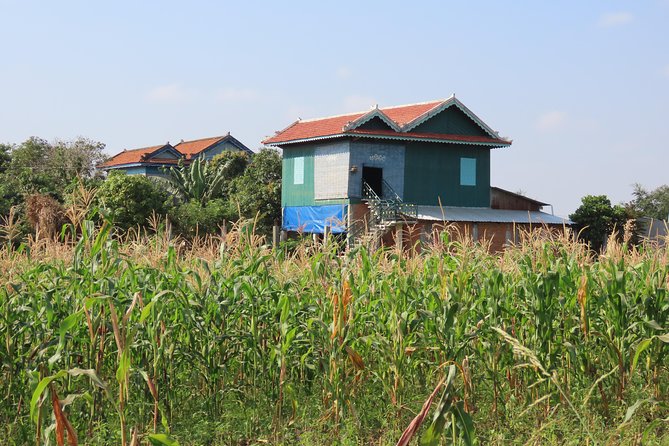
The tour begins with a stop around Phsar Areyksat, then moves toward local village life. You’ll take a leisurely stroll and see a busy wet market setting. This is the kind of stop that’s less about shopping and more about getting your bearings: what people grow, cook, trade, and use every day.
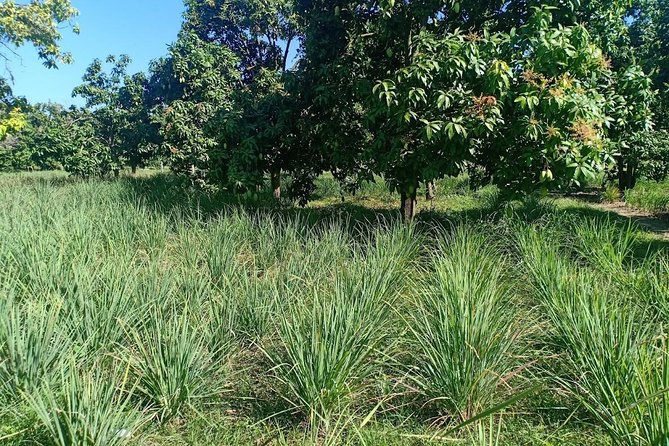
After the market, you shift into countryside scenes. The route passes plantations tied to Cambodian cooking and snack life. Expect to see farms linked to crops like mango, banana, corn, and lemongrass. Even if you don’t know every crop name, the pattern becomes clear fast: agriculture here isn’t a backdrop. It’s the main character.
Then comes a craft stop many people remember: sedge mat weaving. Along the Mekong, sedge is turned into practical woven goods. The value of this stop isn’t just watching hands work. It’s understanding why woven items matter—because they’re made for real life, not for export trends.
If you like asking questions, this is a great moment to do it. Ask how the materials are gathered, how long weaving takes, and what products are most in demand. Guides often connect the craft to daily chores and seasonal rhythms.
On the road to Silk Island: ginger, vegetables, and working farms
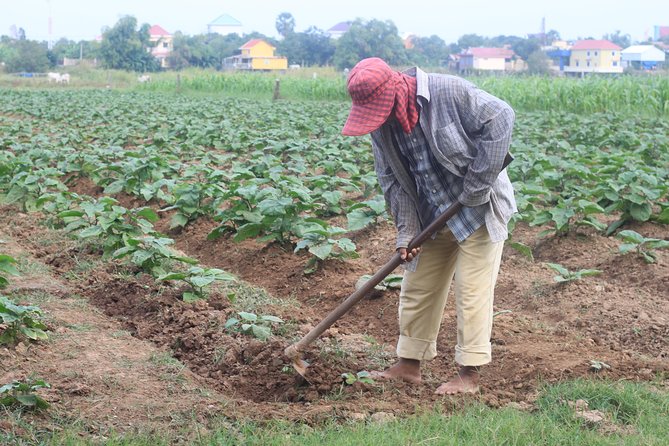
Once you’re moving toward Silk Island, the tour keeps showing the same theme from different angles: farms, food, and small businesses.
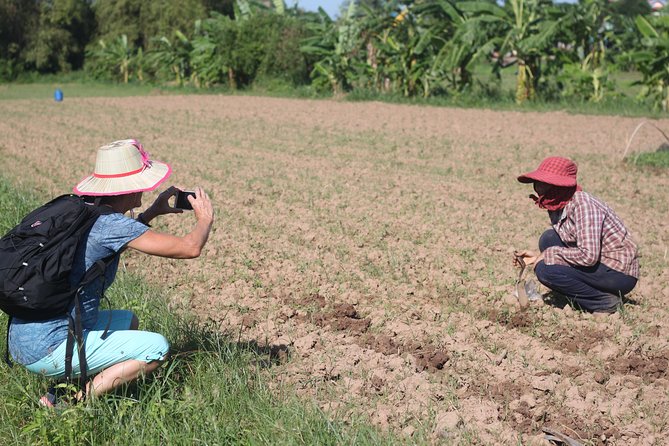
You’ll encounter ginger and vegetable farms, and you’ll also visit a place tied to silk work. In practice, these stops tend to feel educational in a low-pressure way. You’re not being herded through a factory line. You’re getting a look at how families and small operators keep production going, including the steps that make silk products possible.
Some groups also mention time to walk around and take in the island at your own pace once you arrive. That flexibility is a real advantage. On days like this, it’s nice to have a guide to explain the “why,” but also a chance to slow down and just watch.
The silk weaving experience: what you’ll actually see
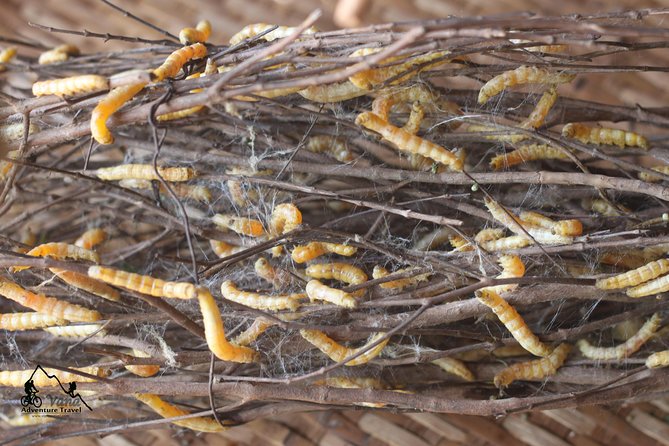
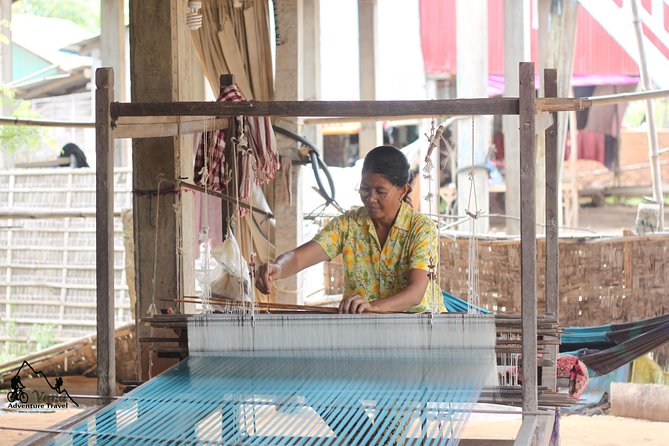
Silk is the headline here, and the tour doesn’t treat it like a quick photo moment. You’ll visit a silk workshop and learn how the craft works, including how scarves and other textile items get made. Many people also say they got a better appreciation for the patience involved after seeing the process up close.
At the same time, keep expectations grounded. A small number of people felt the silk stop leaned more toward demonstration than full, behind-the-scenes production. That doesn’t automatically mean it’s bad. It just means you should approach it like a cultural visit, not a factory tour with conveyor-belt precision.
If silk is your main interest, here’s what helps: ask what portion is handmade on-site and what portion is produced elsewhere. Good guides will clarify, and you’ll leave with a clearer picture of the real supply chain.
Also, the day’s mood stays calm. Even when you’re learning, it doesn’t feel like a rushed “commodity show.” The best moments are often the quiet conversations—watching hands move, then hearing how families pass skills from one generation to the next.
Bean curd (tofu skin) on Silk Island: the food link people remember
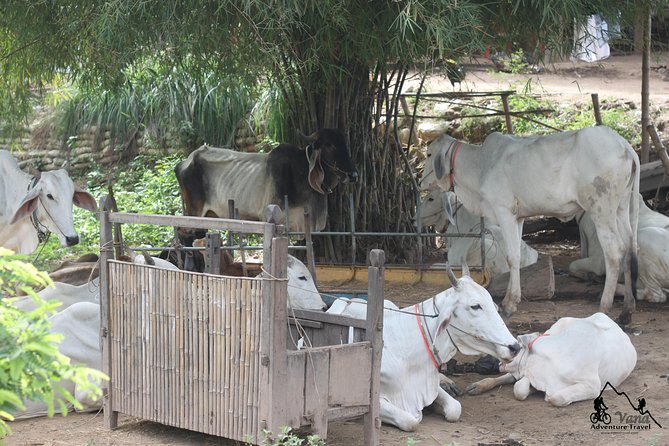
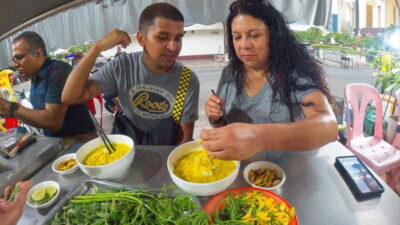
One of the most useful stops on this tour is the bean curd / tofu skin production visit. It may not sound as romantic as silk, but it’s tied directly to Cambodian cooking habits. Bean curd is a staple ingredient in soups and stir-fried noodles, and seeing it made turns it from a menu item into a process.
Why I like this: it gives you a “food literacy” moment. You’ll likely eat Cambodian dishes later in your trip, and suddenly the ingredients make more sense. That’s one of the sneaky benefits of this kind of rural tour. You don’t just collect sights. You build context.
If you’re trying to decide what to eat at Khmer restaurants later, this stop can guide your instincts. You’ll know what tofu skin is, what it can look like in dishes, and why it shows up so often.
Temples and monasteries: quiet pauses on a working island
Between farms and craft work, you’ll also visit spiritual sites, including a Buddha monastery. Many groups add an extra memorable element here—reports mention a beautifully painted nun temple and other serene temple surroundings.
These stops matter because they break the day’s rhythm. Farms and markets run on practical needs: food, materials, trade. Temples run on a different kind of time. Even a short visit can give you a better sense of what people prioritize alongside work.
What to expect: you’ll likely walk around, take in details, and learn enough context to not feel lost. The guide’s job is to connect what you’re seeing to Cambodia’s everyday spiritual framework, without turning it into a lecture marathon.
Lunch or dinner by the river: what included really means
Food is not an afterthought here. The tour includes tropical fruits and lunch or dinner with the locals, plus drinking water. Many people describe the meal as peaceful—often served in a simple setting near the river.
A floating dining setup comes up in multiple experiences, which makes sense. When you’re on island time, eating “by water” feels natural. And because it’s part of the cultural rhythm rather than a staged restaurant performance, the whole moment tends to feel slower.
If you’re thinking about dietary needs: vegetarian options are available if you tell the operator at booking. That matters, because rural meals can be hard to customize without advance notice.
One caution, based on the overall feedback pattern: dining is local. That means insects can show up, and the environment may not look like a polished restaurant. Most people loved the food anyway, but if you’re very sensitive about cleanliness presentation, keep that in mind before you commit.
The tuk tuk Romork rides: fun, but plan for the heat
The transport style is part of the appeal. You’ll ride in a tuk tuk (Romork) with an experienced driver, and you’ll also hop between islands by ferry. One recurring theme in positive feedback is that it feels “hilarious” in a good way—tuk tuk + ferries turns the day into a moving route of small adventures.
This is also why the island portion doesn’t feel like a single destination. The journey is the experience. You watch villages slide by. You see fields from road level. Then you hit another water crossing.
What you should do:
- Wear something light and breathable.
- Bring sun protection.
- Keep water intake steady.
Because this is a short half-day, you won’t have time to “recover” if you arrive dehydrated.
Price and value: why $45 can work here
Let’s talk value honestly. At $45 per person, you’re not only paying for a guide. You’re paying for:
- Hotel pickup and drop-off
- Professional English-speaking guide
- Ferry crossing fees plus a contribution to villagers
- Tuk tuk transport (or minivan depending on group size)
- Fruits and lunch/dinner
- Water
What you’re not paying for includes alcoholic drinks (available to purchase) and souvenir photos (sold separately).
So is it worth it? For a first rural outing from Phnom Penh, yes—especially if you want more than a cookie-cutter day trip. The included meal and the ferry crossings alone would add up quickly if you tried to DIY it with separate transport and guide time.
The other value angle is group size. With a maximum of 12, you’re less likely to get stuck in a huge, noisy bus group. That’s a big deal for a day that relies on conversation and small stops.
Who should book this Silk Island tour
This tour fits best if you want:
- A rural break from Phnom Penh without giving up comfort
- More than one kind of experience: market walk, farms, crafts, temple moments, and a real meal
- A guide who explains daily life through practical examples—like silk production steps and bean curd ingredients
It’s also a good choice for couples and families who want a calm day that doesn’t require long travel. People report they can adapt the route if time or interests shift.
Who might want a different option: if you only want big, fully modern attractions, this probably won’t match your style. This is local life. That means simpler facilities and a less controlled “show” feeling at some craft and dining stops.
Should you book Silk Island & the Phnom Penh countryside by tuk tuk?
If your goal is to step outside the city and learn how daily Cambodian life links to food, crafts, and faith, this is a strong pick. The river ferry, silk and craft workshops, and the included meal near the water make it feel like a complete half-day rather than a string of short stops.
Book it if you’re curious, patient, and happy with local-level dining. Pass or adjust expectations if you need everything to look pristine and perfectly staged, or if you’re highly sensitive to insects in outdoor-river settings.
FAQ
How long does the Silk Island and countryside tour take?
The tour runs about 3 to 5 hours.
Is hotel pickup and drop-off included?
Yes. Hotel pickup and drop-off are included.
What is included in the price?
You get a ferry crossing (fee plus a contribution to villagers), tuk tuk transport with an experienced driver, a professional English-speaking guide, tropical fruits, and lunch or dinner.
Is there a vegetarian option for the meal?
Yes. Vegetarian options are available. Let the operator know at booking.
Is the ferry and admission covered?
Yes. Admission tickets are included, and the ferry crossing fee is included as well.
What is the dress code?
The dress code is formal.
Can I cancel for a full refund?
You can cancel up to 24 hours in advance for a full refund. If you cancel within 24 hours of the start time, there is no refund.