REVIEW · PHNOM PENH
Boat trip to silk island with English speaking guide
Book on GetYourGuide →Operated by Amazing Cambodia Tours · Bookable on GetYourGuide
Silk thread meets river life. This Silk Island trip layers a calm boat ride on the twelfth-longest river with an English-speaking guide who explains how Khmer silk goes from live caterpillars to cloth. I especially like the hands-on clarity of the silk process and the fact that you get unlimited drinks plus a fresh fruit platter. One drawback: it is not set up for mobility impairments or wheelchair users.
You’ll also get a sharper view of Cambodia than you get from a single city stop. The route compares riverbank rural life with the feel of Phnom Penh, then slows down on the island for a pagoda visit and a village walk.
Bring cash, and double-check which cruise option you booked so you don’t face extra charges on board. The school stop is also subject to the school schedule, so timing can shift.
In This Review
- Key highlights worth your attention
- Why a Silk Island boat ride beats a standard city tour
- The 4-hour plan: pickup, boat ride, pagoda, and the silk farm
- One-way hotel pickup by tuk tuk
- Boat to Silk Island
- Arrival on the island: pagoda first
- School visit, if the schedule allows
- Stroll through the village
- Tuk tuk trip to the silk farm
- Return boat tickets
- The river views and why the journey is half the value
- Pagoda stop and school visit: how to stay respectful and flexible
- Pagoda basics you should follow
- The school visit is schedule-based
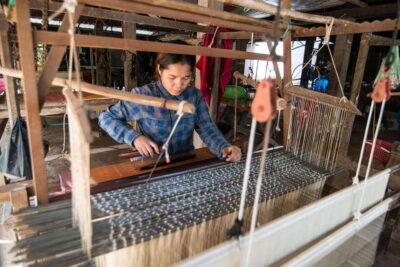
- Silk farm visit: from live caterpillars to weaving you can actually picture
- Rural Khmer life vs Phnom Penh city: the contrast that sticks
- What you get for $40: a value check that makes sense
- Who should book this Silk Island trip, and who should skip it
- Practical tips that make the day smoother
- Should you book this Silk Island tour?
- FAQ
- How long is the Silk Island boat trip?
- What is the price per person?
- Is there an English-speaking guide?
- Does the tour include hotel pickup?
- Is hotel drop-off included at the end?
- What is included in the price besides the guide?
- Is the school visit guaranteed?
- Do I need cash?
- Is the tour suitable for wheelchair users or mobility impairments?
Key highlights worth your attention
- A boat ride on the twelfth-longest river that sets the pace for the whole day
- English-speaking guide storytelling, including life-linked explanations of silk steps
- School visit that depends on the schedule, so you’ll go with a flexible mindset
- Pagoda + village stroll for context before you get technical about silk
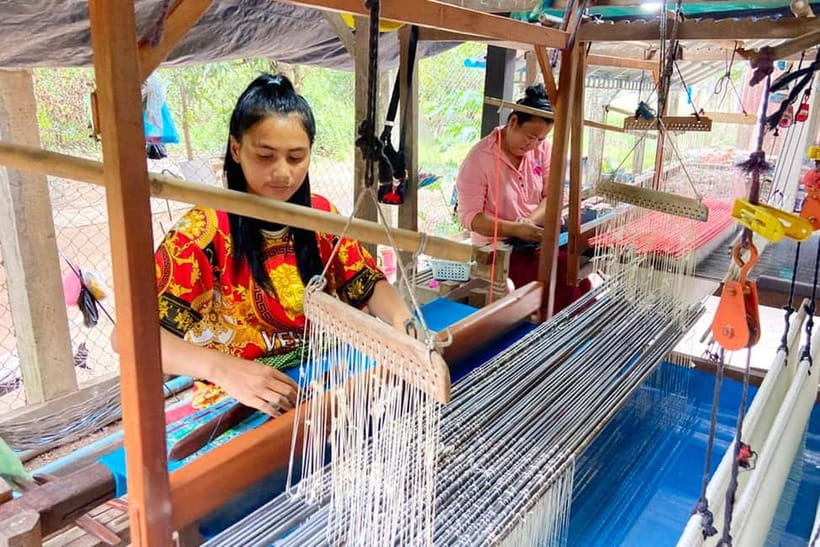
- Tuk tuk island loop, including a silk farm stop where you can watch weaving
Why a Silk Island boat ride beats a standard city tour
Silk Island is the kind of trip that makes you understand a place, not just photograph it. You’re not bouncing between famous landmarks. You’re moving through how people live along the water, then learning how silk fits into daily craft and local income.
The biggest win is the structure. The tour starts with the boat and a real sense of river life. That matters because silk in Cambodia is not a lab project. It’s tied to farms, small workshops, and people who keep showing up—sometimes long before tourists arrive.
You’ll also get a built-in contrast. The trip is designed to show the difference between rural riverside areas and Phnom Penh city. That contrast tends to land fast. One moment you’re seeing riverbank routines. The next, the guide connects it to the pace and feel of the capital.
And yes, the included unlimited beer and soft drinks are part of the comfort. It’s a four-hour outing, not an all-day slog, and the vibe stays easy.
You can also read our reviews of more boat tours in Phnom Penh



The 4-hour plan: pickup, boat ride, pagoda, and the silk farm

This is a tight schedule by design. It’s also why it works for people short on time. Here’s how the day typically flows, and what to watch for at each step.
One-way hotel pickup by tuk tuk
You’ll be collected about 20–30 minutes before departure. The pickup is one-way, so you’ll return to your own plans at the end instead of getting dropped back at your hotel.
Practical tip: if your hotel is easy to find, great. If not, message or call ahead to confirm the exact pickup spot and time. The tour operator notes that pickup location needs confirmation, so don’t assume.
Boat to Silk Island
Once you’re on the boat, you’re doing two things at once: getting transit time (which feels scenic) and getting context from the English-speaking guide. The ride takes you along the river described as the twelfth-longest river in the world, which adds a sense of scale even if you don’t memorize river rankings.
This is when you’ll hear the overview of the silk production story—often before you see the actual process. Guides on this trip are known for linking what you’re seeing to local life and even personal experience. Some guides go beyond facts and explain why certain steps matter, not just what happens.
Arrival on the island: pagoda first
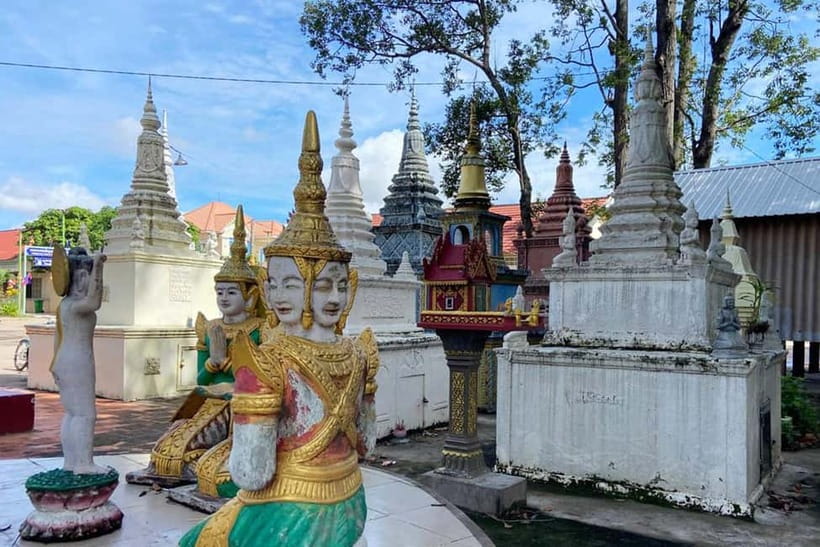
When you arrive, you walk to a local pagoda. This isn’t just a checkbox stop. It gives you a cultural anchor before the day turns hands-on with craft.
If you’ve visited temples in Cambodia before, you know the vibe: calm in the middle of daily activity, with routines that don’t stop for tour groups. Dress and behavior matter here, so keep it respectful and quiet.
You can also read our reviews of more guided tours in Phnom Penh




School visit, if the schedule allows
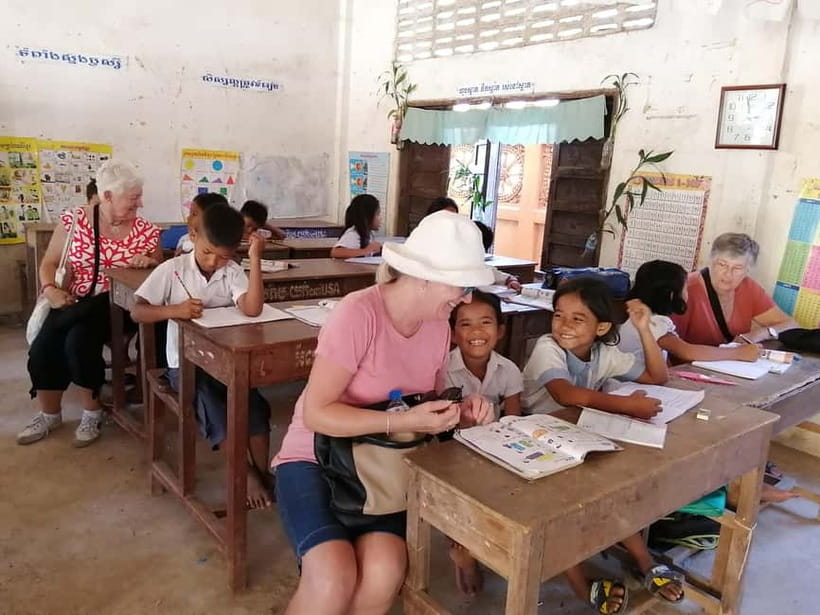
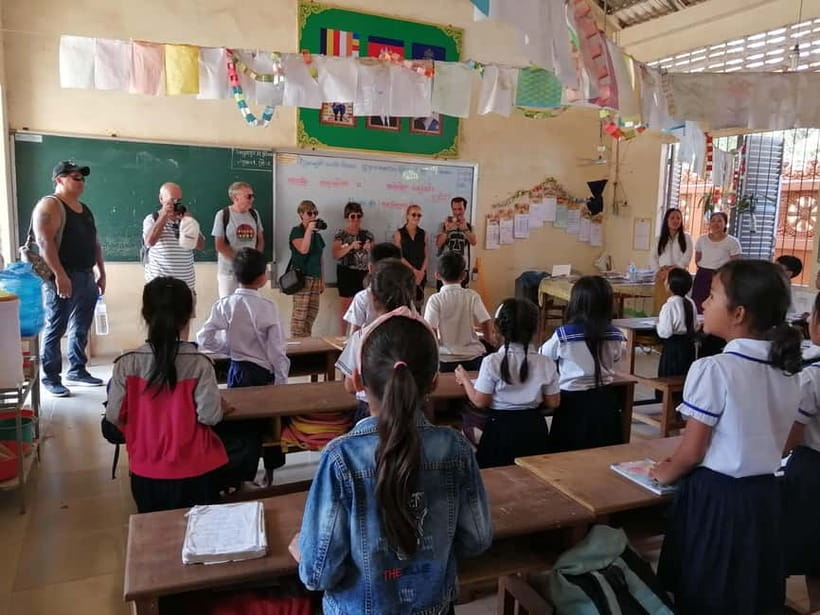
Next up is the chance to see children at school. This stop is explicitly subject to school schedule, so don’t expect a guaranteed moment at a specific clock time.
How to approach it: keep your reactions calm and friendly. If the schedule doesn’t line up, you’ll still have the rest of the village and farm portion. The important thing is to treat the school as a working place, not an attraction.
Stroll through the village
After the pagoda and school time, you’ll stroll through the village. This is where you notice the everyday stuff that makes silk production feel real. The craft isn’t isolated. You’ll get glimpses of the rhythms around it—homes, paths, and people moving through their day.
Tuk tuk trip to the silk farm
Then comes the part most people book for: transport around the island by tuk tuk to a silk farm area where you can learn about production in a direct, step-by-step way.
Tuk tuk makes the island feel manageable. You’re not hiking for hours, and you’re not stuck watching from a distance. It’s a good balance for a four-hour outing.
Return boat tickets
Return boat tickets to Silk Island are included, so you’re covered on the main transport back. The one thing you still manage is your hotel end—because the tour includes pickup, not hotel drop-off.
The river views and why the journey is half the value

The boat ride isn’t filler here. It’s a moving viewpoint that helps you understand what you’ll see later.
First, it gives you time to settle in. Four hours can be fast if you start with activities immediately, but the boat acts like a warm-up. Second, the guide’s explanations can land better when you’re physically surrounded by the river environment.
If you’re someone who gets tired of “look, point, move on,” this schedule is calmer than most. Even with multiple stops, the day has a steady rhythm: ride, walk, learn, ride again.
Another subtle value: you’ll likely notice how life shifts along the water. That rural-versus-Phnom Penh contrast isn’t random. It’s built into the tour concept, and it helps you avoid the common mistake of treating Cambodia as one uniform backdrop.
Pagoda stop and school visit: how to stay respectful and flexible
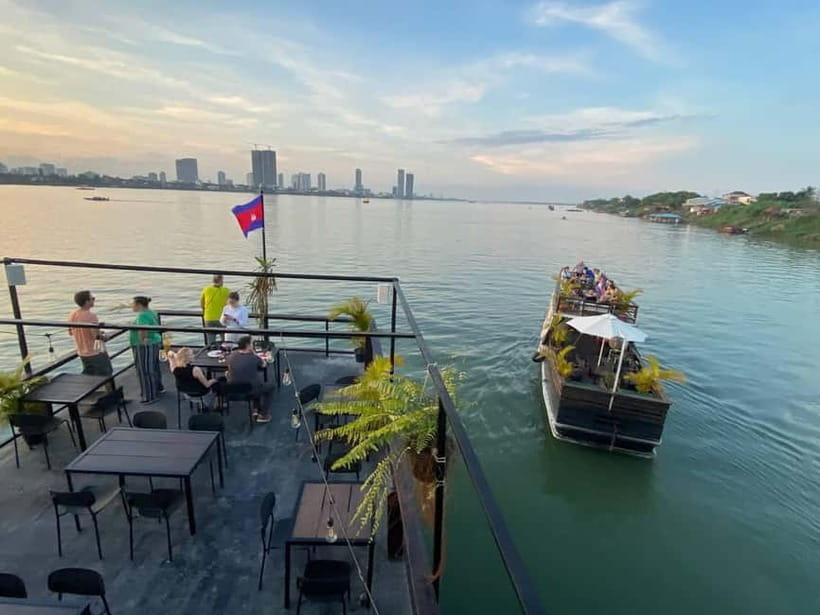
Two of the stops are more sensitive than a farm demo. A pagoda and a school deserve a different tone, and the tour’s design acknowledges that by shaping timing around the real schedule.
Pagoda basics you should follow
You’ll visit a local pagoda, so plan for basic modesty and respectful behavior. Keep voices low, and watch where you step. If there are rules posted, follow them. Guides typically steer the group, but you’ll still want to lead with common sense.
The school visit is schedule-based
Because the school visit is subject to the school schedule, the day can shift. If class time is happening, you may see children during the school block. If not, you still get the other village parts and the silk farm.
This flexibility is part of the deal. It also keeps things more ethical—schools don’t revolve around tour timing.
If your group includes people who want a guaranteed school photo moment, this might feel like a drawback. For most people, though, it’s a reminder to treat the visit as an opportunity to witness, not a staged performance.
Silk farm visit: from live caterpillars to weaving you can actually picture
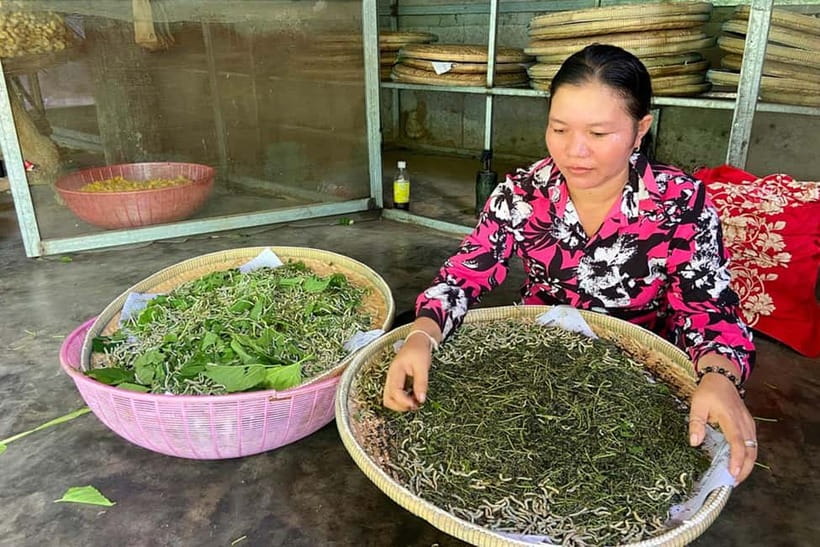
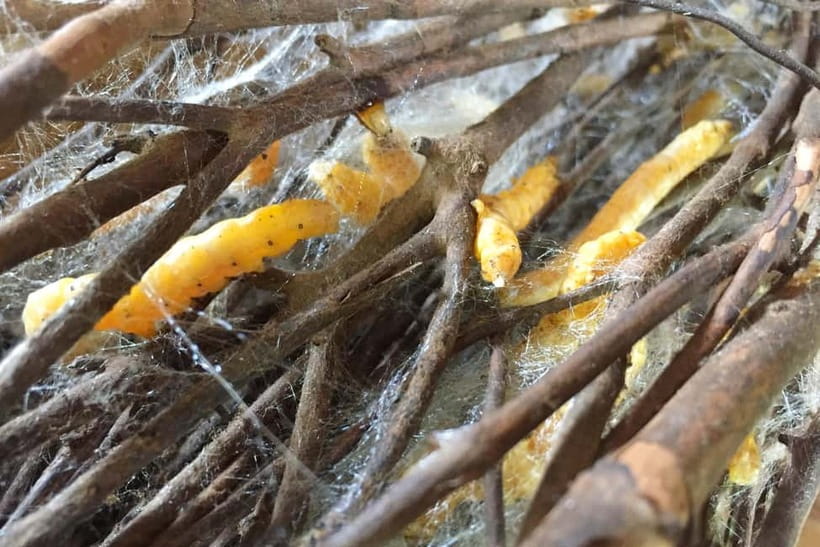
This is the heart of the experience. The tour is built to take you through silk production in order, from early steps to the woven fabric result you can see.
The key promise here is that you learn the process from the live caterpillars through to actual weaving. That means you’re not only hearing about silk. You’re seeing the stages that explain why the final cloth has the look it does.
Some guides go beyond generic narration. On this trip, I found that the best versions of the silk explanation tend to include personal storytelling—how a guide learned, how the craft connects to local life, and why certain steps are done the way they are. One guide named Vithy is specifically mentioned as attentive, and that kind of engagement usually makes technical steps easier to understand.
When you watch weaving after you’ve seen earlier stages, it clicks. You’re not staring at fabric wondering where it came from. You’ve already seen the earlier work that makes it possible.
What you should pay attention to during the silk demo:
- How each step connects to the next (so it doesn’t become a pile of disconnected facts)
- What changes visually as the process moves from thread to fabric
- Any explanation of traditional finishing or techniques the guide describes during the craft stages
One more detail that matters: part of the silk production discussion includes traditional methods such as silk joining or fixing techniques. Even if the exact method varies by farm, the idea stays the same—traditional craft is often about practical solutions, not just tradition for tradition’s sake.
Rural Khmer life vs Phnom Penh city: the contrast that sticks
A lot of tours show you rural Cambodia or show you Phnom Penh. This one tries to show both, using the river route and the island experience as the bridge.
Here’s why that contrast helps you as a visitor. Phnom Penh can feel like a single world—streets, buildings, traffic, and monuments. The island and riverbank portion shifts your attention to different priorities: daily craft, schooling rhythms, religious space, and community life that’s shaped by water.
You don’t have to pretend you can fully compare two places in one afternoon. The goal is simpler: get a more balanced mental map. This tour does that by moving you between environments that feel and sound different.
And if you’re already planning more city time, you’ll come away with questions you can carry into Phnom Penh—why certain crafts exist where they do, how people organize work around the day, and how the city connects to the river economy.
What you get for $40: a value check that makes sense
$40 per person for a 4-hour tour in Cambodia isn’t cheap in a strict “no-frills” way. But it’s not random pricing either.
Here’s what’s included:
- One-way hotel pickup by tuk tuk
- Unlimited beer and soft drinks
- Fresh fruit platter
- Entrance fee
- Tuk tuk trip around the island
- English speaking guide
- Return boat tickets
That set of inclusions matters more than you might think. Boat transport, guide time, local entrance fees, and multiple transfers are the expensive pieces that add up quickly if you try to DIY. The included drinks and fruit platter also make the tour feel smoother, especially if you’re traveling between morning and afternoon plans.
The main cost risk isn’t the headline price. It’s the note about cruise options: you should confirm which cruise inclusion you booked, because some options may add extras on board if you didn’t select the right one. That’s not a reason to avoid the tour—just a reason to double-check before you go.
Also remember: hotel drop-off is not included. That means you’ll need your own way back after the return.
Who should book this Silk Island trip, and who should skip it
This experience suits people who want culture plus a working craft lesson. If you like hands-on learning, you’ll enjoy watching silk production in sequence and seeing how weaving comes out of earlier steps.
You’ll likely also enjoy it if you:
- Want an easy four-hour plan without a full day commitment
- Prefer English narration with real context
- Care about Cambodia beyond just big monuments
- Appreciate community-focused visits like pagoda and school time (schedule-based)
Skip it if:
- You use a wheelchair or need mobility support. The tour is not suitable for mobility impairments.
- You dislike boat rides or multi-stop formats. It’s not a long, slow cruise, but it does include transfers and walking.
If you’re the type who gets grumpy about strict timing, consider the school visit flexibility. It’s a real-life schedule, not a guaranteed performance.
Practical tips that make the day smoother

This tour is simple, but these details help a lot.
- Bring cash. The tour specifically says to bring cash, so don’t rely on cards.
- Wear comfortable shoes. You’ll walk from the arrival point to the pagoda, then continue through the village areas.
- Confirm pickup details. Pickup happens 20–30 minutes before departure, and you may need to confirm where the driver meets you.
- Expect schedule variation. The school visit depends on the school schedule.
- Plan your end-of-day transport. Hotel drop-off isn’t included.
And one more tiny tip: drink water during the ride. You’ve got unlimited drinks, but your body will still want plain hydration.
Should you book this Silk Island tour?
I’d book it if you want a compact day that teaches you how silk is made and shows you riverbank community life in a respectful, structured way. The included boat + guide + transfers + silk farm learning is a strong value for the price, and the standout element is the step-by-step silk process with real explanations in English.
I wouldn’t book it if mobility is an issue or if you need a guaranteed, exact school-time slot. The school visit is schedule-based, and the tour involves walking.
If you’re deciding between a city-only Cambodia plan and something more grounded, this trip is one of the easier ways to get that balance—boat, village, pagoda, and then the craft you can trace from caterpillars to woven fabric.
FAQ
How long is the Silk Island boat trip?
The duration is 4 hours.
What is the price per person?
It costs $40 per person.
Is there an English-speaking guide?
Yes. The tour includes an English speaking guide.
Does the tour include hotel pickup?
Yes. It includes one-way hotel pickup by tuk tuk about 20–30 minutes before departure.
Is hotel drop-off included at the end?
No. Hotel drop-off is not included.
What is included in the price besides the guide?
Included items are unlimited beer and soft drinks, a fresh fruit platter, entrance fee, a tuk tuk trip around the island, and return boat tickets to Silk Island.
Is the school visit guaranteed?
No. Seeing the children at school is subject to the school schedule.
Do I need cash?
Yes. The tour advises bringing cash.
Is the tour suitable for wheelchair users or mobility impairments?
No. It is not suitable for people with mobility impairments or wheelchair users.