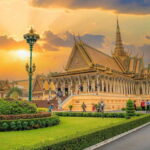
REVIEW · PHNOM PENH
Discover the Tastes Temples and Tales of Authentic Cambodia
Book on Viator →Operated by Lost Plate · Bookable on Viator
Food leads the way through Cambodia’s biggest ruins. This trip is food-forward from the first tuktuk ride in Phnom Penh to the final night in Siem Reap, with tastings at local places and a cooking class where you make Khmer dishes yourself. I also like that it pairs meals with history and temple time, including Angkor Wat at sunrise, plus a home-cooked lunch near the ruins.
I like how the group stays small (up to 10) and how you’re guided all the way with English support and local specialists at each stop. One consideration: it’s an active, packed schedule across long days of driving and a few hikes, so if you want lots of free time to wander alone, you’ll need to be okay with a plan.
In This Review
- Quick hits you’ll feel fast
- Why this Cambodia route is more than food tours and temples
- Phnom Penh tuktuks: the city food crawl starts strong
- Toul Tompong breakfast and the river’s happy hour
- Tuol Sleng plus dinner: how to handle the emotional whiplash
- Battambang countryside: the long drive is part of the show
- Battambang by bike (or tuktuk) and the bats of Bat Caves
- Street art, Chef Nary’s cooking class, and Phare Circus night
- Siem Reap temples: Bayon, Ta Prohm, and a jungle-family lunch
- Angkor Wat sunrise and a farewell dinner that actually feels like closure
- Price and logistics: what you’re really paying for
- Who this tour fits best (and who should think twice)
- Should you book this Cambodia food-and-temple tour?
- FAQ
- How long is the trip?
- Where does the tour start and end?
- What’s included in the price?
- Is airport pickup and drop-off included?
- Is this a small group tour?
- Are there any shopping stops where you’re expected to buy things?
- What kind of physical activity should I expect?
Quick hits you’ll feel fast
- Phnom Penh by tuktuk with a guided food crawl at safe-to-eat restaurants and a cold beer stop.
- Market breakfast at Toul Tompong (Russian Market) plus Khmer coffee and turmeric crepes.
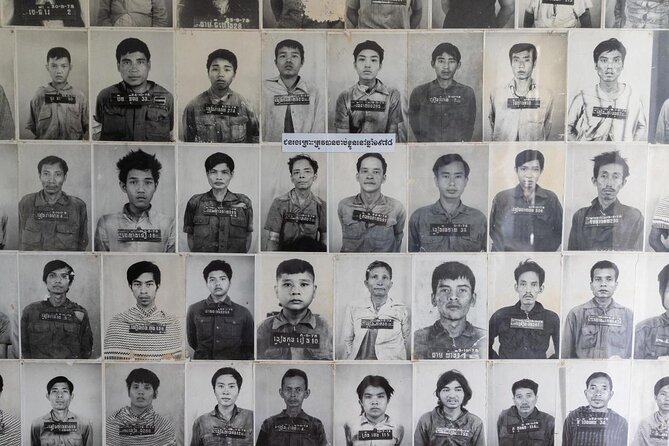
- Tuol Sleng (S21) paired with a riverside boat happy hour, so you understand the past and the present in one day.
- Battambang bats: a short hike up to a cave opening where millions of bats emerge.
- Chef Nary’s cooking class at the market, where you prepare four Cambodian dishes like fish amok.
- Angkor Wat sunrise followed by a multi-course farewell dinner in Siem Reap.
Why this Cambodia route is more than food tours and temples
This isn’t just a “eat and see stuff” checkbox trip. The structure matters. You start with Phnom Penh food culture, then move into history that shaped modern Cambodia, then shift to Battambang’s rural rhythm and street art, before finishing with Angkor Wat’s most iconic views.
If you care about how a country actually tastes, this kind of itinerary makes sense. A dish like fish amok isn’t only a recipe; it’s a clue to ingredients, cooking habits, and daily life. Same with Khmer coffee, noodles, and river fish dishes—Cambodia’s food is built around what’s available and what people know how to do well.
The other big win is pacing: you get guided time to connect the dots, but you’re not stuck in one museum room all day. Long sights days (like Siem Reap) still make room for meals and human-scale experiences, like eating a homemade lunch with a local family in the ruin area.
You can also read our reviews of more tours and experiences in Phnom Penh.
Phnom Penh tuktuks: the city food crawl starts strong
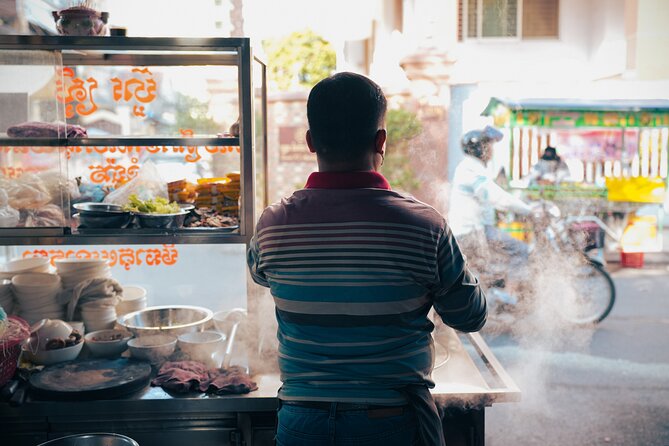
Day 1 in Phnom Penh is built like a warm welcome. After introductions, you hop into tuktuks for a food tour that takes you to four safe-to-eat restaurants, with a cold beer included along the way. You’re not just sampling; you’re meeting the people behind the dishes and learning what they use and how they make it.
This is a smart way to start because you’re doing three things at once:
1) You get your bearings fast in a city with intense street energy.
2) You learn the basics of Cambodian flavor profiles without needing a textbook.
3) You create a shared group mood early, which helps later on when the schedule gets long.
If you’re the kind of eater who wants to know what you’re tasting, this format is perfect. If you’re more of a quick-bite person, you’ll still like it, but you might want to pace your water and beer so you stay sharp for the rest of the week.
Toul Tompong breakfast and the river’s happy hour
Day 2 keeps the “food first” momentum, then turns it into a deeper cultural day.
You start at Toul Tompong Market (also called Russian Market). The morning includes a local breakfast of noodle soup, Khmer coffee, and turmeric crepes, followed by walking through the market. This isn’t a surface-level stop. Markets are where you learn how ingredients are bought, not just how dishes are plated.
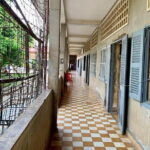
Then you hit Tuol Sleng Genocide Museum (S21). This is essential context if you want to understand why today’s Cambodia looks the way it does. It’s heavy, and you should go in mentally prepared for that.
Right after that, the tone shifts to something lighter: Sisowath Riverside Park and a private boat with a happy hour cruise. It’s a striking contrast—hard history, then breathing space on the water. And the rivers matter for food here: fresh fish is a staple, and Cambodia’s cooking is built around that abundance.
You finish the day with a big local dinner spread. It’s a nice reset after the museum, and it helps you keep your energy up for what comes next.
Tuol Sleng plus dinner: how to handle the emotional whiplash
I’m not going to pretend that day is easy. Tuol Sleng is intense, and pairing it with “fun” activities can feel like whiplash if you’re not ready. But the itinerary’s balance is also the point: Cambodia’s present is not separate from its past.
What helps is that the day isn’t only museum time and then nothing. You get guided structure, then you’re moved through the rest of the day with clear next steps—market breakfast, museum visit, riverside cruise, then dinner. That kind of flow keeps the emotional experience from turning into aimless wandering.
My practical tip: if you’re sensitive to heavy history, pace your day with breaks. You don’t need to force “rapid closure.” Sit with what you see, then let the boat and dinner do their job: helping you continue, not erasing what you learned.
Battambang countryside: the long drive is part of the show
On Day 3 you travel from Phnom Penh toward Battambang, and the countryside becomes its own highlight. This is the middle of the route where you start trading city movement for rice paddies, water buffalo, and big open spaces—plus a stronger sense of what daily life looks like outside the capital.
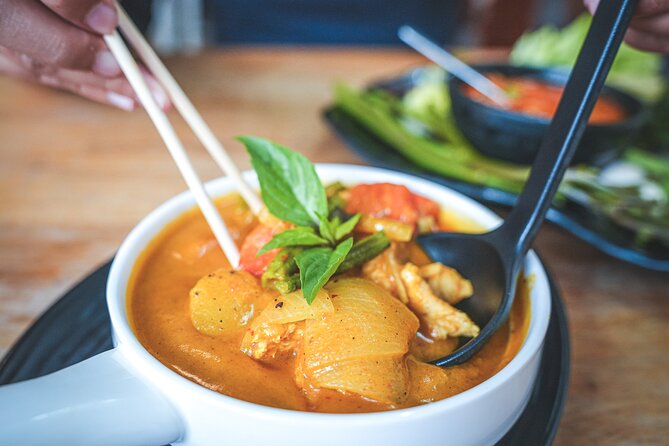
Even when nothing is “landmark-y,” this stretch is still valuable. It’s where you notice what the food depends on. When you later taste dishes tied to rice, coconut milk, river fish, and local herbs, you’ll understand where the ingredients live and how far they travel.
It also matters that the trip keeps things guided and scheduled. That reduces stress when you’re crossing rural roads and changing rhythms.
Battambang by bike (or tuktuk) and the bats of Bat Caves
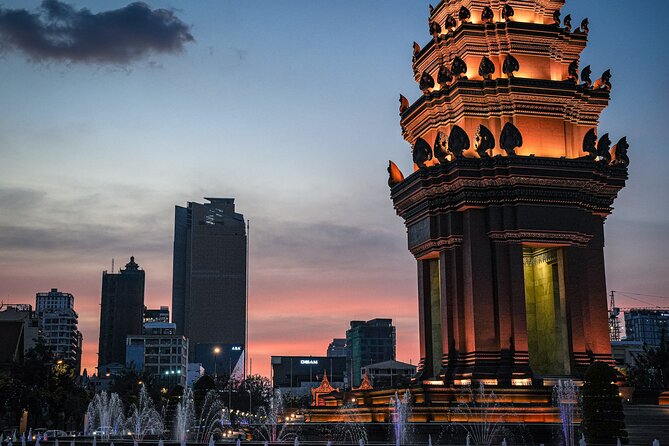
Day 4 is where Battambang turns adventurous.
First, you explore nearby countryside areas by bikes (or a tuktuk if you don’t cycle). You’ll visit rural roads and villages and get a feel for life outside the city. This is the kind of day where a small group size is a genuine advantage: it’s easier to move together and ask questions without feeling rushed.
Later, you go to Battambang Bat Caves. The highlight is a short hike up a hidden path to the cave opening, where millions of bats emerge. There’s a good chance you’ll leave with a story you’ll tell for years, not because it’s famous, but because it’s memorable and very “Cambodia in the details.”
For this day, wear shoes that handle uneven ground. The walking is short, but it’s not a flat sidewalk experience. If you’re traveling with knee or balance issues, do the tuktuk option when it’s offered earlier in the day, and take things slowly on the cave approach.
Street art, Chef Nary’s cooking class, and Phare Circus night
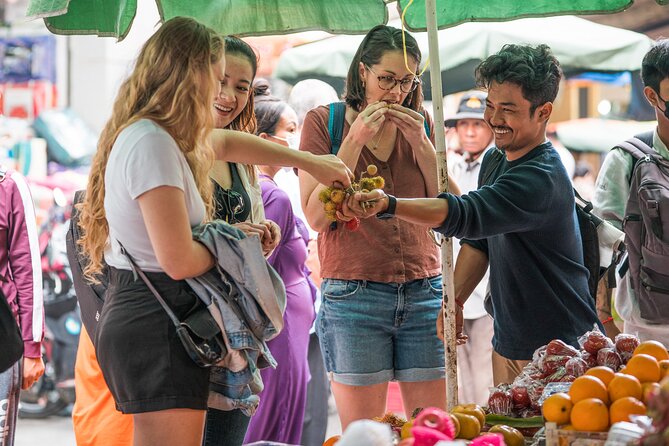
Day 5 blends creativity with hands-on cooking, then ends with evening performance.
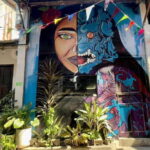
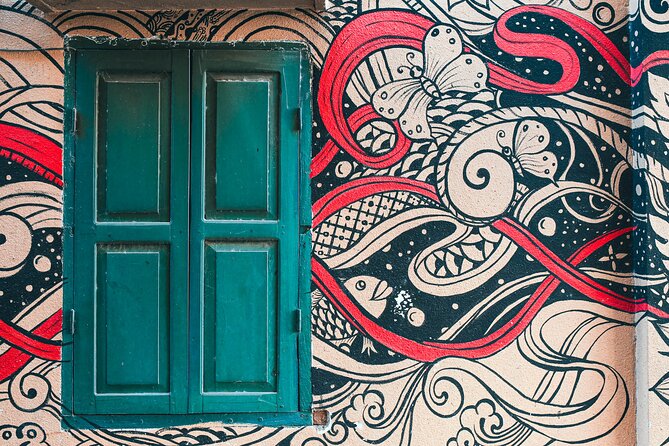
You start with time in Battambang focused on the area’s artistic scene—street art that grew after years of turmoil. It’s a hopeful angle on Cambodia’s recovery and creativity, and it gives the city a modern identity beyond temples and war history.
Next is the Battambang market, where you shop for lunch and join a cooking class. The big plus here is that you don’t just watch. You prepare four popular Cambodian dishes, including fish amok and a coconut milk dessert. Chef Nary is named as the chef involved with this class, and that matters because it puts a real person’s approach behind the food rather than a generic demo.
Then, you travel to Siem Reap and end the day with Phare, The Cambodian Circus. This works well after cooking because it switches you from “learn to taste” to “learn to see” through performance. It’s also a good way to decompress before the heavier temple mornings.
If you’re the type who hates being rushed between activities, this day may still feel full. But the rewards—hands-on cooking plus a cultural show—make it worth it.
Siem Reap temples: Bayon, Ta Prohm, and a jungle-family lunch
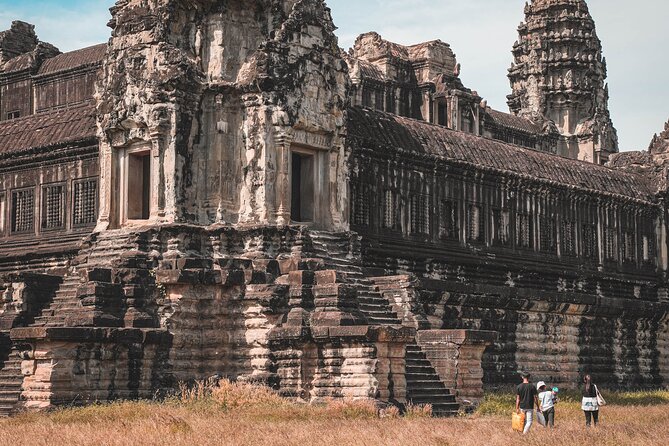
Day 6 is temple day with a thoughtful variety.
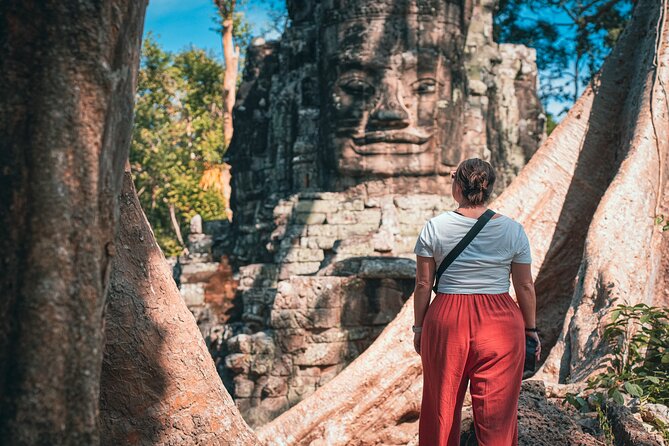
You start at Bayon Temple, which is part of Angkor’s broader UNESCO World Heritage zone. The numbers around the Angkor area can sound dizzying, but Bayon helps you focus on one stop at a time—then you move on.
Next is Ta Prohm, famous for its tree entanglement and the “Indiana Jones” style visual many people recognize. Still, going with a guide helps you see it as more than movie scenery. You understand why the ruins look the way they do and what the setting communicates.
Then comes one of the most distinctive moments in this itinerary: lunch with a local family who lives in a traditional home within the ruin-laden jungle, plus a fresh coconut. You’ll learn about their life connected to this area, and you’ll eat something homemade. This is where the “tastes temples and tales” idea becomes real. You’re not only looking at history; you’re meeting people who live near it.
One practical note: this is likely the longest day of walking and time on your feet. If you’re even mildly tired, bring a quick energy game-plan: hydrate and take short rest moments when the guide pauses the group.
Angkor Wat sunrise and a farewell dinner that actually feels like closure
Day 7 is designed to hit your senses in the right order.
You go to Angkor Wat for sunrise. The view of the three iconic pagodas is unforgettable any time of day, but sunrise is when the temple changes character as the light moves. This is also when you’ll feel the emotional peak of the trip, because you’ve been moving toward this moment since Phnom Penh.
After that you have a calmer block in Siem Reap, with happy hour at an outdoor bar-like setting followed by a multi-course dinner to end the trip. That final meal matters more than it sounds. After a week of tasting and walking, you want a last night that feels like a celebration, not an afterthought.
If you want one clear reason to choose this tour, it’s that it doesn’t treat Angkor Wat as an isolated checklist stop. It gives you build-up time, then a structured sunrise moment, then a proper send-off.
Price and logistics: what you’re really paying for
At $1,700 per person, this isn’t a budget tour. But if you break it down, a lot of cost drivers are handled for you:
- Private inter-city VIP van and driver, stocked with mineral water
- English speaking trip leader plus English speaking local guides/specialists at each attraction
- Tickets and entrance fees included for activities and sights
- Airport pickup in Phnom Penh and drop-off in Siem Reap
- No-shop tour promise (you’re not pushed into obligatory purchase stops)
- Pre-trip briefing and Q&A one week before departure
- Meals are included: 7 breakfasts, 6 lunches, 7 dinners
You still pay government fees of $35 per person, which is listed as not included. That’s worth budgeting for, even if it’s a smaller line item.
My take on value: you’re paying for time saved and decisions removed. When your days involve museum entry, market stops, cooking, boat time, temple timing, and inter-city transfers, it adds up fast if you plan it yourself. Here, the structure is the product.
One more logistics detail worth noting: you receive a mobile ticket and you’ll have a real plan for arrival and departure days.
Who this tour fits best (and who should think twice)
This trip is a good match if:
- You want Cambodian food as a central theme, not an optional side quest.
- You like guided history but still want your days to include meals, markets, and everyday life.
- You’re okay with a moderate fitness level and a few hikes.
You might think twice if:
- You prefer slow travel with lots of independent free time.
- You don’t enjoy early starts, since sunrise at Angkor Wat is a key moment.
- You’re very sensitive to emotionally heavy history days like Tuol Sleng.
Small group size (up to 10 travelers) helps make the experience feel less like a production and more like a shared week with a plan.
Should you book this Cambodia food-and-temple tour?
If you like your travel balanced—tastings plus context, ruins plus real people—this is an easy yes. The combination of Phnom Penh market mornings, a serious historical stop, rural Battambang adventures, a hands-on cooking class with Chef Nary, and sunrise Angkor Wat makes the itinerary feel purposeful rather than random.
Book it if you want a week where food is the thread, and the sights are chosen to explain the same culture from different angles. I’d pass if you want a totally relaxed schedule or you don’t want your trip to include difficult history.
If you do book, go in with one mindset: you’re not just eating Cambodia. You’re learning it through what Cambodians cook, buy, and share.
FAQ
How long is the trip?
It runs about 8 days, with the itinerary including a departure/drop-off day.
Where does the tour start and end?
You start with pick-up at Pochentong Airport in Phnom Penh, and you’re dropped off at Siem Reap airport (REP) on the final day.
What’s included in the price?
The package includes tickets/entrance fees for the itinerary activities, private VIP inter-city transport with an English-speaking driver and mineral water, English speaking trip leader and local guides, pre-trip briefing and Q&A, and meals (7 breakfasts, 6 lunches, 7 dinners). Government fees are not included.
Is airport pickup and drop-off included?
Yes. Airport pick-up in Phnom Penh and drop-off in Siem Reap are included.
Is this a small group tour?
Yes, the tour has a maximum of 10 travelers.
Are there any shopping stops where you’re expected to buy things?
No. It’s listed as a no-shop tour, meaning you will not be taken to places where you’re obligated to purchase.
What kind of physical activity should I expect?
The tour states a moderate physical fitness level is recommended, including walking and a short hike connected to the Bat Caves visit.