REVIEW · PHNOM PENH
One Day Trip to Phnom Da, Ta Prohm Bati, Neang Khmao & Chiso
Book on GetYourGuide →Operated by Tour Guide Team in Siem Reap · Bookable on GetYourGuide
One day can feel short, until you see these temples back to back. I especially like the private small-group setup (up to 6) and the licensed English guide who keeps each stop tied to Khmer history. You get a clear route through the southern circuit without the stress of arranging transport on your own.
The main thing to plan around is that meals and temple tickets aren’t included, so you’ll want to bring snacks or budget entry fees and a simple lunch before/after.
In This Review
- Key things that make this trip worth it
- Phnom Da to Phnom Chisor: the smart one-day temple circuit
- Private van, licensed driver, and why small-group matters
- Phnom Da: 100 steps to a temple layered with centuries
- Ta Prohm Bati (Tonle Bati): the sanctuary layout and the tree effect
- Yeay Peau and Neang Khmao: legend, naming, and the Black Virgin
- Phnom Chisor: hillside temples, a staircase show, and a monastery today
- Price and value: what $143 buys you (and what you must cover)
- Timing and day flow: van time, walking time, and where you’ll feel it
- Who this tour suits best
- Should you book this Phnom Penh temple day trip?
- FAQ
- What sites does this one-day trip include?
- Is the tour private or shared?
- How long is the tour?
- What’s included in the price?
- Are meals included?
- Do I need to buy temple tickets?
- Is there an option to avoid waiting at entrances?
Key things that make this trip worth it
- Truly private: your group only, no mixing with strangers.
- Skip-the-line access: a separate entrance helps you save time at stops.
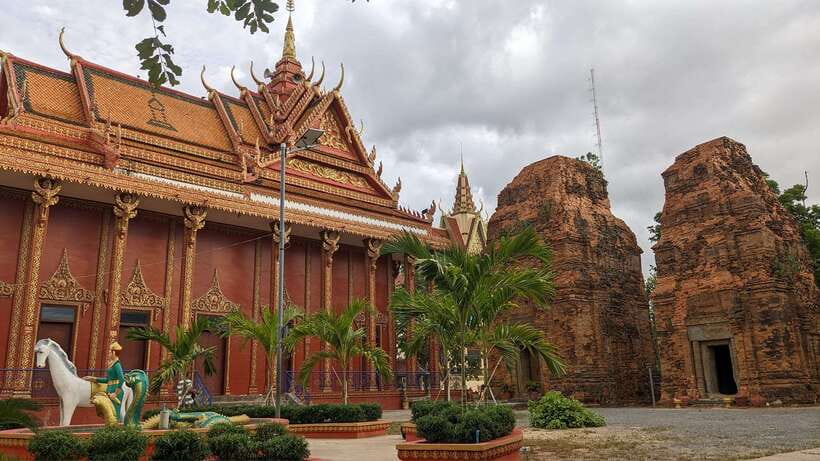
- Five-plus Khmer sites in one day: Phnom Da, Ta Prohm Bati, Yeay Peau, Neang Khmao, and Phnom Chisor.
- Guide-led context: you’re not just taking photos; you’re learning what you’re looking at.
- Temple-to-temple pacing: includes short walks plus safety briefings at each site.
- Comfort touches: air-conditioned van, plus cold waters and wipes.
Phnom Da to Phnom Chisor: the smart one-day temple circuit
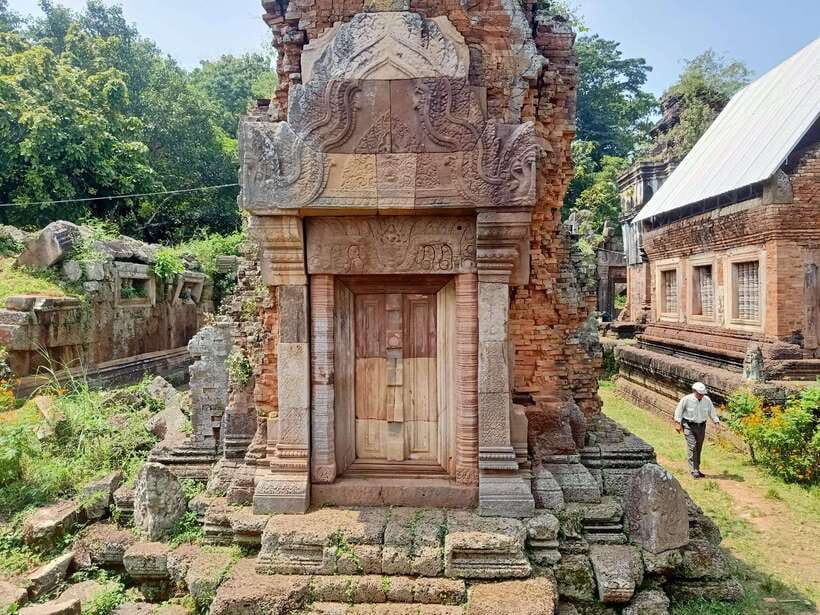
This is the kind of day trip that makes sense from Phnom Penh: you leave the city, spend the day in the southern temple zone, and come back before you feel like you’ve been “out there” all day. The route is built around Khmer sacred architecture you can actually understand in a few hours, not just random ruins scattered in the distance.
I like that the day has a mix of styles. You start with Phnom Da’s hilltop story (including older layers underneath), then you hit Ta Prohm Bati’s famous tree-and-stone feel. After that, the circuit shifts to smaller, legend-driven stops like Yeay Peau and Neang Khmao, then finishes with Phnom Chisor’s dramatic staircase down to the plains. It’s a clean arc: origin stories → iconic temple images → local legends → big scenic finale.
And because it’s private, your guide can keep the pace comfortable for your group rather than rushing you through on a fixed join-tour schedule.
You can also read our reviews of more tours and experiences in Phnom Penh


Private van, licensed driver, and why small-group matters
A lot of day trips in Cambodia promise “private,” then quietly turn it into shared logistics. Here, you’re paying for the reality: private transport in an air-conditioned vehicle and a licensed driver who handles toll roads, parking, and the long stretches without drama.
That matters because you’re visiting multiple sites with walking time at each stop. A good driver doesn’t just get you there; they get you there without wasting daylight, which is the real currency on a one-day tour.
Then there’s the guide side. Your guide is licensed and leads in English, which changes the whole experience. You’re not stuck with vague explanations. You hear what each temple represents and why that spot matters in Khmer history and belief. In one case I’ve seen, the guide was called Silong, and the standout detail was how friendly and accommodating the guide was while still keeping the information practical and easy to follow.
Phnom Da: 100 steps to a temple layered with centuries
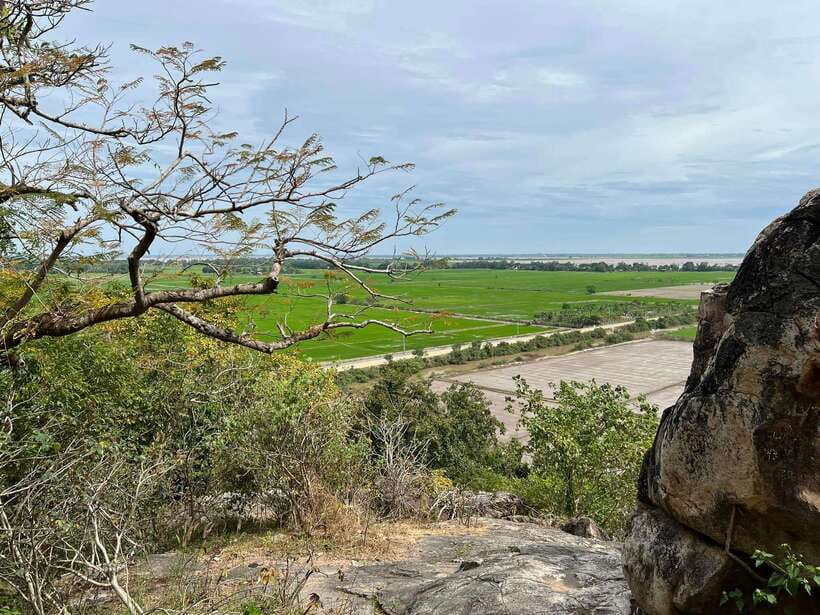
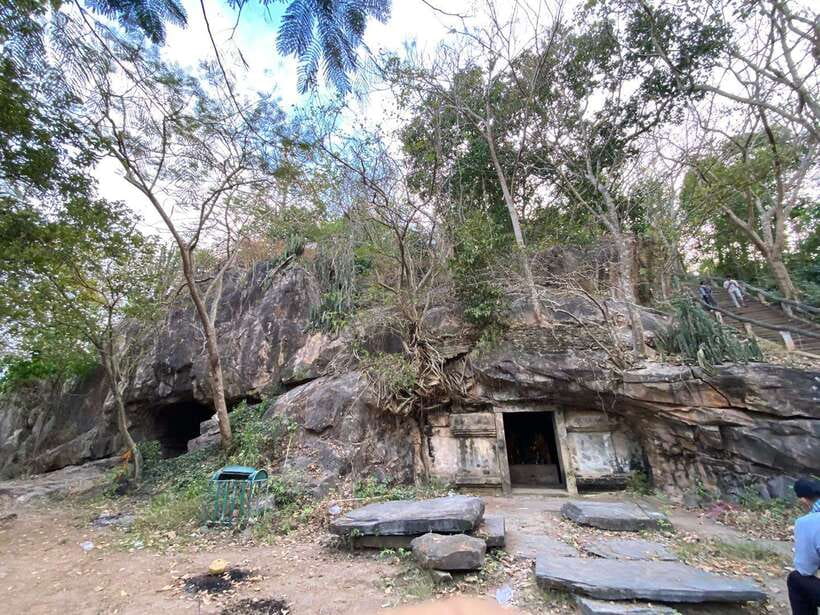
Phnom Da is the opening act, and it’s a strong one. The temple sits on top of a small hill, reached by about 100 steps, and it’s tied to events from the 5th–6th century under King Rutravarman, during what’s described as the Norkor Phnom period.
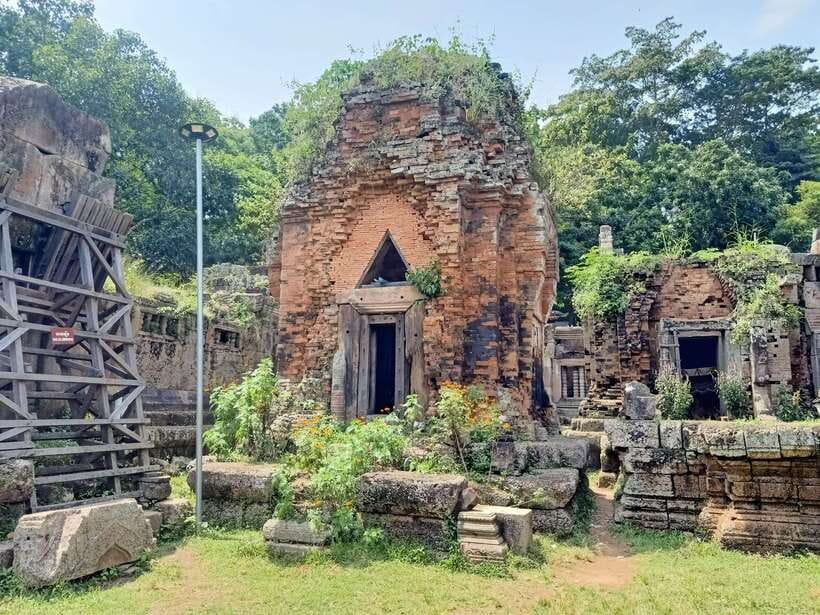
Here’s the part I think you’ll appreciate: Phnom Da isn’t just old-looking. It has evidence that human habitation in the area goes back to at least 400 BCE. The temple you see now is said to be from the 11th century, but it stands on the footprint of an earlier temple from the 5th–6th century. So when you walk the site, you’re not only sightseeing—you’re watching layers of time stack on top of each other.
You’ll also notice the caves. One cave is noted for a yoni pedestal where a Shivalingam is missing. Even if you don’t know the symbolism ahead of time, your guide can point out what this kind of artifact location usually means in the temple ecosystem.
On the other side of the hill, you’ll see the Asram Maharishi. The original deity connected to the site is described as long gone, but it’s still a venerated shrine tied to memory of a great sage. That’s a useful reminder: temples aren’t only archaeology. They’re often still part of local spiritual life.
Practical tip: wear shoes you trust for uneven stone and stairs. The steps are part of the experience, but they can be slippery if the ground is damp.
Ta Prohm Bati (Tonle Bati): the sanctuary layout and the tree effect
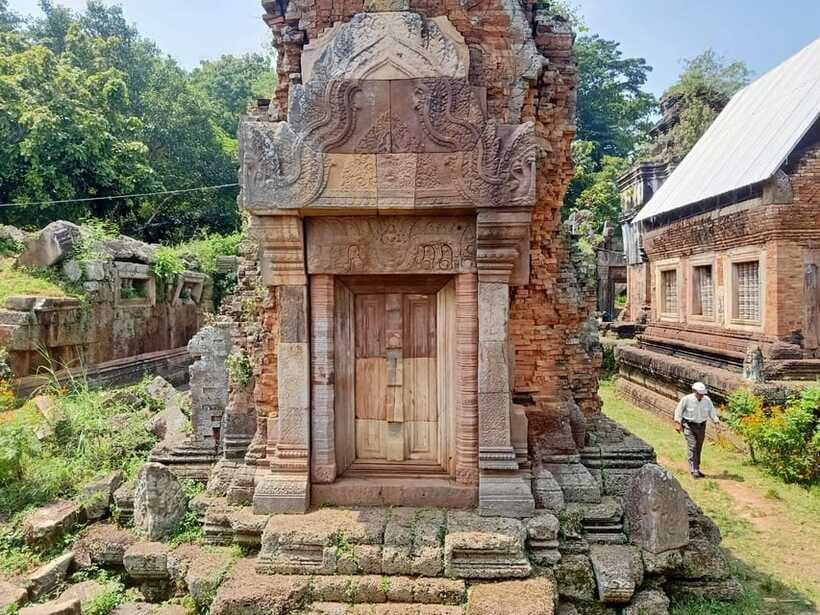
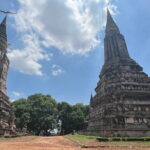
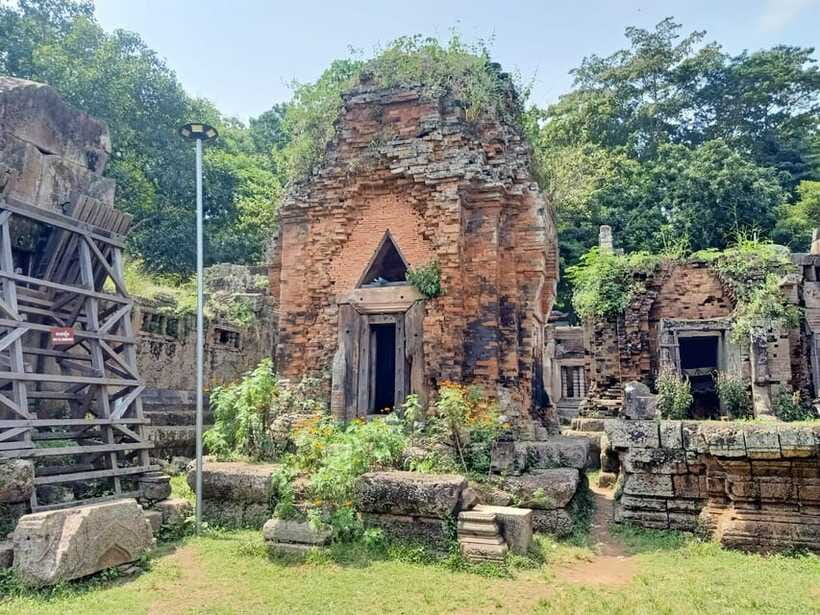
After Phnom Da, you head to Ta Prohm Bati. This is where the tour gives you the classic Khmer visual people come for: the main temple structures, plus a tree that grows on and around the temple framework.
But what makes Ta Prohm Bati more satisfying than a photo stop is the description of its original plan. The temple is said to have been built by King Jayavarman VII on the site of a 6th-century Khmer shrine. The main sanctuary is described as having five chambers, each containing a lingam inside.
So yes, you get the iconic “ruins-meet-nature” scene. But you also get a layout you can understand: five chambers, sacred objects inside, and a temple form meant to be experienced with intention, not just walked past for angles.
If you’re sensitive to crowd dynamics, be aware that one person noted there can be beggars around Ta Prohm Bati. I’d handle that the same way you would anywhere in Cambodia: keep walking with purpose, don’t reward pressure, and stick close to your guide if you want a smoother flow through the site.
Yeay Peau and Neang Khmao: legend, naming, and the Black Virgin
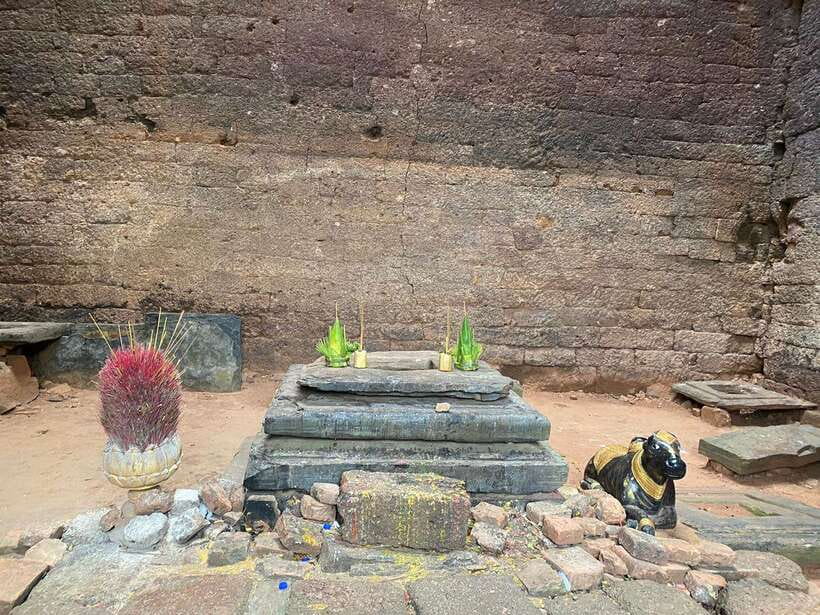
From the larger spectacle of Ta Prohm Bati, the day shifts into legend and identity.
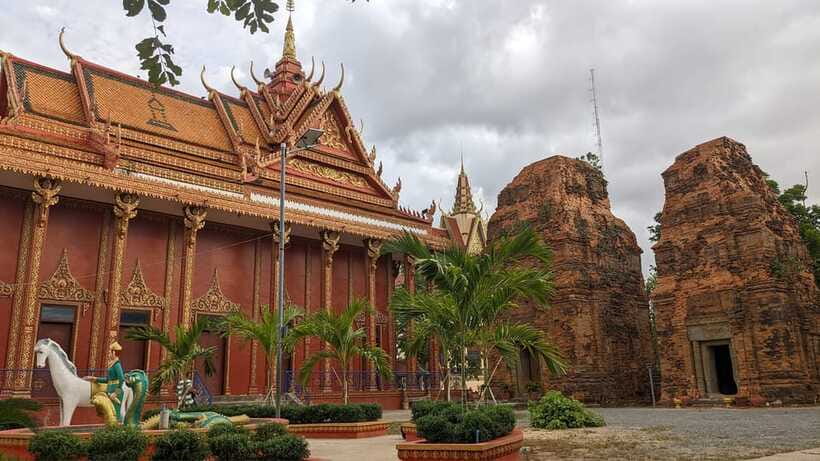
First comes Yeay Peau Temple, named after Ta Prohm’s mother (as described in your tour context). Even when you’re not reading stone inscriptions, the name itself helps you place what you’re seeing. Your guide can connect this site’s story to the larger Ta Prohm complex theme—who mattered, why names stuck, and how temple dedication worked in Khmer belief systems.
Then you move to Prasat Neang Khmao, described as the temple of the Black Virgin. It’s brief in timing compared to the bigger stops, but it’s a meaningful change of mood. The guide-led explanation is what turns it from “another pagoda” into a site you understand as part of the broader Khmer religious world.
Practical note: because these stops can be smaller, you’ll sometimes feel like you’re standing in the middle of a lived-in faith setting. That’s not a bad thing. Just shift your mindset from museum mode to respectful viewing mode: slow down, speak softly, and follow your guide’s pace.


Phnom Chisor: hillside temples, a staircase show, and a monastery today
The final stop is Phnom Chisor, about 50 km south of Phnom. This is one of those sites where the approach matters as much as the ruins themselves.
The description is vivid: the ancient temple is built on the hillside with a spectacular staircase that leads down to two entrance pavilions on the plains. There’s also an “outer pavilion” noted at about 700 m to the east, with an ancient basin preceding it. Even if you only have a limited time window, that kind of staging makes it feel like the temple was designed for a procession.
And Phnom Chisor isn’t just ancient stone. It’s also a contemporary monastery site. That means you’ll likely feel a blend of old architecture and active religious life in the same space. For a one-day trip, that’s a great way to end, because it keeps the story alive instead of locking it in the past.
If you’re planning your timing well, Phnom Chisor is where you’ll want your camera ready for wide views. The staircase gives you a natural sequence of perspectives, from upper temple zones down toward the plains.
Price and value: what $143 buys you (and what you must cover)
At $143 per person for a one-day private circuit, you’re paying for three big things:
- Private logistics: air-conditioned van, driver, toll roads, and parking are handled.
- A licensed guide in English: not generic explanations, but structured temple interpretation.
- Comfort support: cold waters and wipes, plus a tour structure that includes brief safety check-ins.
That’s strong value if you’d otherwise spend time figuring out transport, coordinating multiple sites, and trying to find someone to explain what you’re seeing. DIY can be cheaper, but on a schedule like this, the “cost” is your daylight and your clarity.
Two items aren’t included, and you should budget them:
- Meals
- Temple tickets
One person explicitly flagged that there’s no lunch stop on the plan. If you care about avoiding hunger distractions, bring snacks. If you don’t, just plan a simple meal before pickup or after returning to Phnom Penh.
Timing and day flow: van time, walking time, and where you’ll feel it
The day is structured around travel time plus four major temple blocks, with the smaller religious stops sandwiched in.
You’ll start in Phnom Penh with hotel pickup, then the van ride to the first hilltop takes around an hour. From there, the day alternates between guided walking and photo stops.
Here are the time blocks you can plan around:
- Phnom Da Temple: about 1 hour (photo stop, visit, guided tour, walking, safety briefing)
- Ta Prohm Bati: included as a major stop, though exact minutes aren’t listed in the time breakdown
- Neang Khmao Pagoda: about 30 minutes
- Yeay Peau Temple: about 1 hour
- Phnom Chisor Temple: about 1.5 hours
- Return transfer back to Phnom Penh at the end
Translation: you’ll be on your feet, but you won’t be hiking for hours. This is a good fit for people who want temple highlights without turning the day into a fitness test.
Still, wear breathable clothes, carry a hat, and plan for sun exposure. Temples are often outside-facing, and Cambodia’s heat doesn’t care about your itinerary.
Who this tour suits best
This tour fits you if:
- You want an efficient one-day temple plan from Phnom Penh.
- You care about understanding Khmer temple meaning, not just taking pictures.
- You prefer a private small group experience where the guide can pace for your group.
- You’d rather see multiple sites than spend one site learning slowly with no guide context.
It’s also a great choice if you love archaeology vibes—the day’s explanations focus on dating, dedication, and temple layout.
Where it may not be ideal:
- If you need a built-in lunch stop, you’ll have to plan for snacks or eat before/after.
- If you dislike walking stairs, Phnom Da’s hill approach is unavoidable.
Should you book this Phnom Penh temple day trip?
Yes, if you want a focused, guide-led Khmer temple circuit that makes sense in a single day. The private format, licensed English guide, and skip-the-line separate entrance are the real advantages, especially when you’re trying to see more than one major site without losing half the day to logistics.
Book it with confidence if you’re comfortable handling a day with no meal stop and you’re willing to budget for temple tickets. If that’s easy for you, this itinerary is a smart use of time—and it ends with Phnom Chisor, which is exactly the kind of finale that makes a one-day trip feel like a full chapter.
FAQ
What sites does this one-day trip include?
The day trip covers Phnom Da, Ta Prohm Bati, Yeay Peau Temple, Prasat Neang Khmao (the Black Virgin), and Phnom Chisor, with pickup and drop-off in Phnom Penh.
Is the tour private or shared?
It’s a 100% private tour with only your group. The group size is limited to 6 participants.
How long is the tour?
The tour is listed as 1 day.
What’s included in the price?
Included: private air-conditioned transport, a licensed driver, a licensed English guide, toll roads, parking, travel insurance, cold waters & wipes, and hotel pickup and drop-off.
Are meals included?
Meals are not included.
Do I need to buy temple tickets?
Temple tickets are not included.
Is there an option to avoid waiting at entrances?
Yes. The tour notes skip-the-line access through a separate entrance.