Two Phnom Penh sites carry heavy weight. This half-day tour guides you through Tuol Sleng and Choeung Ek, places tied to Cambodia’s Khmer Rouge years, with a live English explanation that helps the experience make sense instead of just shock you.
I love the practical setup: pickup and drop-off by private A/C car or minivan, plus a small group size (up to 18) and water with a cold towel during the day. I also love the guides—people like Nay and Ran don’t just recite dates. They explain what you’re seeing and answer questions in a way that feels human.
One possible drawback: this is emotional. Even with a great guide, you’ll want to move at your own pace and accept that it can feel heavy and difficult.
In This Review
- Key highlights to know before you go
- A half-day route through Phnom Penh’s hardest chapters
- Pickup, timing, and small-group comfort (how it feels in practice)
- Tuol Sleng Genocide Museum: from a former high school to Security Prison 21
- What to watch for during the S21 hour
- A practical note on pacing
- Choeung Ek Genocidal Center: the killing fields and the shift outdoors
- The guide’s influence shows up here
- Afternoon option
- Price and value: what $35 gets you, and what’s extra
- Who this tour suits best (and who should reconsider)
- What to bring and how to prepare in Phnom Penh heat
- The guides: why Nay and Ran keep coming up
- Logistics that reduce stress: mobile ticket, transport, and group size
- Should you book this Tuol Sleng and Choeung Ek half-day tour?
- FAQ
- What does the tour include?
- Are entrance fees included for Tuol Sleng and Choeung Ek?
- How long is the tour, and does travel time count?
- Is the tour only available in the morning?
- How big is the group?
- What happens if the weather is bad or the minimum number of travelers isn’t met?
Key highlights to know before you go
- Hotel pickup, drop-off, and A/C transport keep the day focused on the sites, not logistics
- English-speaking guides (often Nay or Ran) explain what you’re looking at and why it matters
- Two major memorials in one half day means less time in transit and more time understanding
- Small group size up to 18 people helps with questions and a calmer pace
- S21 and the Killing Fields run in marked sections so you can anticipate the shift from museum to memorial grounds
- Water and a cold towel are a real comfort in Phnom Penh heat
A half-day route through Phnom Penh’s hardest chapters
This tour is short enough to fit into a busy travel plan, but it doesn’t feel rushed in a mechanical way. You’re visiting two of the most important Khmer Rouge memorial sites in Phnom Penh, and the guide’s job is to connect what you see on the ground with the bigger story behind it.
What makes this route work is the pairing. Tuol Sleng is where the narrative begins in an enclosed, museum-style setting. Choeung Ek moves the story outdoors into a memorial landscape tied to mass executions. The shift can be startling, but it’s also why the half-day format is useful—you get contrast without spending the whole day feeling overwhelmed.
If you’re the type of traveler who likes context, you’ll appreciate the live explanation. If you’re the type who prefers to simply look and absorb, the guide still helps you get oriented fast, which matters a lot in spaces where details can be hard to interpret on your own.
You can also read our reviews of more tours and experiences in Phnom Penh.

Pickup, timing, and small-group comfort (how it feels in practice)
The day starts with pickup from your accommodation, then you ride to both sites and end back at your hotel. Transport is by private A/C car or minivan, which is a big quality-of-life upgrade in Phnom Penh. The tour is listed at about 3 to 4 hours total, and that total includes travel time, not just time inside the sites.
You’ll also get water and a cold towel. It sounds minor until you’re standing in heat, walking between parts of the sites, and trying to stay present while your brain is processing heavy information. This is one of those “small included things” that quietly makes the experience easier to handle.
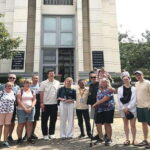
The tour caps at 18 people. That’s not just a number on paper. A smaller group usually means the guide can manage questions and pacing without feeling like you’re being herded.
You’re also traveling in an easy, straightforward way from a logistics perspective. The tour is near public transportation, and you get a mobile ticket. That combination tends to reduce stress if you’re already moving around the city independently.
Tuol Sleng Genocide Museum: from a former high school to Security Prison 21
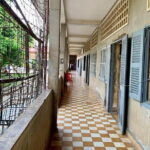
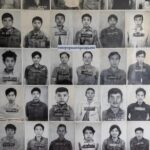
Tuol Sleng is the first stop, and it’s where the tour begins to make the Khmer Rouge era tangible. You’ll spend about 1 hour here, with the guide explaining the significance of what you’re seeing.
This part is emotionally intense because the setting is detailed and museum-like. The site is described as a former high school that became known as Security Prison 21 under the Khmer Rouge. That one detail helps your brain reframe the rooms and spaces: this wasn’t a distant story. It was a place repurposed into a prison system.
A good guide matters most in a museum setting like S21. Without that explanation, you can end up staring at plaques or exhibits without knowing what the most important threads are. With the guide, you get a clear pathway through the material—what to pay attention to first, how the pieces connect, and what you might otherwise miss.
What to watch for during the S21 hour
You’ll likely notice two kinds of information: the physical environment itself and the historical context attached to it. Your guide’s role is to help you link those two. That’s where people like Nay shine: the way his explanations come through is described as intelligent, detailed, and built for real understanding. He also answers questions in a way that makes it easier to follow even when the content is hard.
You’re not visiting to “check boxes.” You’re learning how to read the site. That’s the value of a guided hour here.
A practical note on pacing
At S21, you may want to slow down. If your group pauses for a moment and the guide moves forward, it’s okay to step slightly back and take a breath. This is one of those places where your emotions can run ahead of your ability to process information.
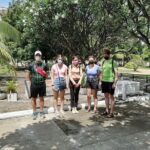
Choeung Ek Genocidal Center: the killing fields and the shift outdoors
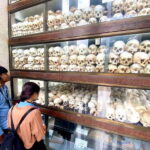
After Tuol Sleng, you ride a bit out of the city to Choeung Ek, often called the killing fields. This stop runs about 1 hour 30 minutes, and the setting changes from museum rooms to memorial grounds.
Choeung Ek is described as a memorial marking where many mass executions by the Khmer Rouge took place. That meaning turns your body into part of the experience. You’re not just reading. You’re walking through a space that is designed to remember and witness.
This stop is where the emotional weight often peaks for many people. That’s not a complaint—it’s the point of coming here. But the guide’s job is still crucial: they help you keep your bearings, understand what the memorial markers are communicating, and navigate the area thoughtfully instead of getting lost or overwhelmed.
The guide’s influence shows up here
In the experiences shared, Ran is repeatedly highlighted for being informative and for sharing personal connection to the period. That can make the visit feel more authentic and less like a textbook. If you’re worried that tours can turn history into trivia, this is the kind of guiding approach that counters that.
You’ll probably come away with the feeling that the guide didn’t just present facts. He explained them in a way that made the sites feel real—devastating, but understandable.
Afternoon option
If mornings are tough for your schedule, this tour is also available in the afternoon upon request. That can be useful if you want to pair the memorial visit with other city sightseeing either before or after.
Price and value: what $35 gets you, and what’s extra
The listed price is $35.00 per person for a half-day tour. For what you receive, that price is largely about one thing: a guided experience with hotel pickup and A/C transport.
What’s included:
- pickup and drop-off at your hotel
- private A/C car or minivan transport
- an English-speaking guide at both sites
- mineral drinking water and a cold towel
What’s not included:
- entrance fees to Toul Sleng and Killing Fields, listed as $8.00 per person
- personal expenses
So your real budget is the tour price plus the $8 admission total. I like this setup because it keeps the tour fee reasonable while you’re still clear on the add-on. It also means you’re not trying to hunt for ticket lines at the start of an already emotional day.
On value, the guide is the centerpiece. If the guiding is strong—and the names Nay and Ran are repeatedly singled out—then the money turns into understanding. Without that guidance, you’d still see two important sites, but you’d spend more time guessing what you’re looking at and why it matters.
Who this tour suits best (and who should reconsider)
This is a good fit if you:
- want a structured visit with two key memorial sites in a half day
- prefer an English guide who can answer questions
- like having context while you’re actually standing in the places tied to the Khmer Rouge regime
It’s also said that most people can participate, so it isn’t presented as a physically extreme outing. Still, you should expect walking and time spent standing in emotionally heavy spaces.
You might want to reconsider if you:
- know you struggle with intense, difficult subject matter
- need a very light, upbeat tour day
- plan to treat the visit like a quick photo stop
This tour is not built for that vibe. It’s built to educate and to witness, even when it hurts.
What to bring and how to prepare in Phnom Penh heat
The tour requires good weather. If weather is poor, the experience may be canceled and you’ll be offered a different date or a full refund. That’s worth planning around, especially if you’re fitting this tour into a short stay.
For preparation, I’d keep it simple:
- bring water (you do get water during the tour, but having extra can help)
- wear comfortable shoes for walking time between and within sites
- consider a light layer if you get cold in A/C after long outdoor stretches
- bring something to cover up if the sun is strong
Emotionally, prepare the same way. Give yourself space to feel. You don’t need to rush to “move on” right away afterward. A guided visit can hit harder than self-guided because you’re receiving clearer meaning as you go.
The guides: why Nay and Ran keep coming up
One of the clearest patterns in the experience shared is that the quality of the guide shapes everything. People describe Nay as intelligent, informative, passionate, and able to explain through real experiences and emotion. That combination matters because it turns big history into something you can understand on the spot.
Another standout is Ran, described as extremely informative and helpful, with detail in all parts of the visit. People also mention firsthand connection and bravery in sharing personal family experience connected to the period. That kind of guiding doesn’t just add facts. It helps you interpret the sites with more respect and clarity.
So if you care about depth—about having a way to ask questions and get direct answers—this tour is designed for that. And with an English-speaking guide, you’re less likely to leave with half-understood impressions.
Logistics that reduce stress: mobile ticket, transport, and group size
A mobile ticket makes it easier to manage the day without paper clutter. Pickup and drop-off help you avoid the common city problem of spending your limited time figuring out how to get across town.
The group limit of 18 also reduces friction. In larger groups, guides often go into “keep moving” mode because they’re managing timing for many people. With a smaller maximum, you’re more likely to get real interaction—especially when you have questions.
This tour also notes near public transportation, which gives you a fallback if something changes with your pickup or timing.
Should you book this Tuol Sleng and Choeung Ek half-day tour?
If you want a guided, meaningful half-day that pairs Tuol Sleng with Choeung Ek, this is a strong option. The price is fair for what you get: hotel pickup, A/C transport, water and a cold towel, and an English-speaking guide at both sites. Most importantly, the guides you may be assigned—like Nay or Ran—are the kind who help you understand instead of just observe.
Book it if you can handle emotionally heavy history and you’d rather have context than go in cold.
Skip it or choose a different format if you’re looking for something light, casual, or photo-first. This visit asks you to slow down and take it seriously.
FAQ
What does the tour include?
The tour includes hotel pickup and drop-off, transportation by private A/C car or minivan, an English-speaking tour guide (during both stops), and mineral drinking water plus a cold towel.
Are entrance fees included for Tuol Sleng and Choeung Ek?
No. Entrance fees are not included. The tour lists entrance fees for Toul Sleng and Killing Fields as $8.00 per person.
How long is the tour, and does travel time count?
The tour is listed as about 3 to 4 hours, and that duration includes travel time between stops.
Is the tour only available in the morning?
It is available in the afternoon upon request.
How big is the group?
This experience has a maximum of 18 travelers.
What happens if the weather is bad or the minimum number of travelers isn’t met?
The experience requires good weather. If it’s canceled due to poor weather, you’ll be offered a different date or a full refund. If it’s canceled because a minimum number of travelers isn’t met, you’ll be offered a different date/experience or a full refund.
If you want, tell me your travel dates and whether you prefer morning or afternoon, and I can help you plan what else to pair with the half-day so the day flows.