REVIEW · PHNOM PENH
Phnom Penh: killing field & Toul Sleng genocide museum Tour
Book on GetYourGuide →Operated by Phnom Penh Green Tours · Bookable on GetYourGuide
Two Cambodian prisons, one unforgettable lesson. This half-day visit links Tuol Sleng (S21) to Choeung Ek, and an English-speaking guide helps you make sense of what you’re seeing instead of getting lost in dates and photographs.
I love the practical setup: hotel pickup and drop-off, an air-conditioned vehicle, and cool water so you can focus on the experience. One real consideration: the museums’ entrance fees are extra, and the day is emotionally heavy—plus you’ll need to follow the strict dress code and no-shoes rule.
In This Review
- Key things you’ll notice fast
- Why Tuol Sleng and Choeung Ek hit as one story
- Price and logistics: what the $19 really covers
- The ride from Phnom Penh: comfort matters on a hard day
- Tuol Sleng (S21): what to expect in 1.5 guided hours
- Choeung Ek: why the killing fields feel different after S21
- The survivor element and respectful ways to support remembrance
- Dress code, shoes, and cash: the rules that can trip you up
- Who this tour is (and isn’t) for
- Choosing a guide experience: why narration changes everything here
- Short checklist so you’re ready on arrival
- Should you book this Phnom Penh Green Tours half-day tour?
- FAQ
- What is the total duration of the tour?
- Which places does the tour visit?
- Is hotel pickup and drop-off included?
- Are the museum entrance tickets included in the $19 price?
- How much cash should I bring for entrance fees?
- What are the dress code and shoe rules?
- Can I cancel, and is the tour suitable for older visitors?
- Who should book this tour?
Key things you’ll notice fast
- Tuol Sleng (S21) then Choeung Ek: two guided stops, about 1.5 hours each
- English-speaking guides who give context: many guides share personal family experiences
- Hotel pickup and a comfortable ride: air-conditioned transport with cold water
- Small-group feel: reviews mention groups as small as about 9 people
- Entrance fees are not included: bring cash and plan for a total higher than $19
- Dress and shoe rules are strict: shoulders/knees covered; shoes not allowed
Why Tuol Sleng and Choeung Ek hit as one story
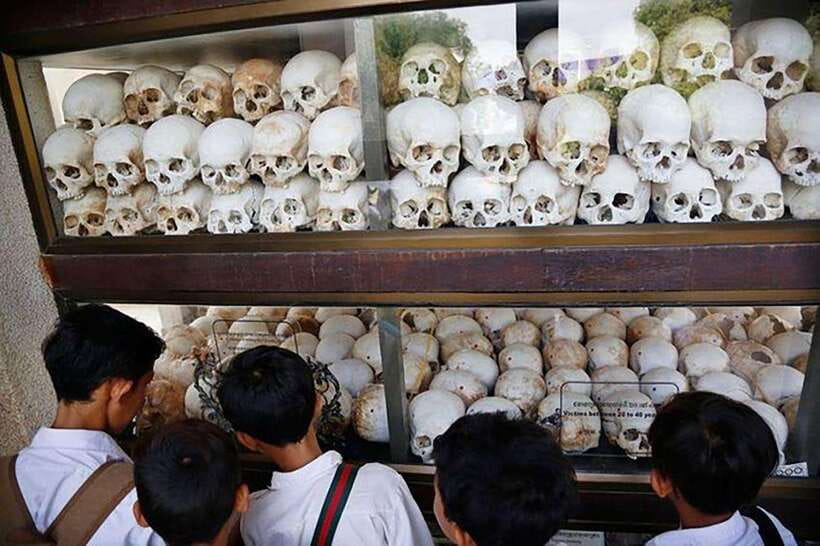
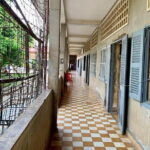
This tour puts you in the path of the Khmer Rouge system, in order. You start at Tuol Sleng (S21), a former school that was turned into an interrogation and detention site. Then you head out to Choeung Ek, where detainees from S21 were taken for execution.
The order matters. Seeing S21 first helps the killing fields land differently, because you understand how victims were processed before you ever reach the memorials. It’s still painful either way, but with a guide you’ll likely walk away with a clearer picture of how the machinery worked.
You can also read our reviews of more museum experiences in Phnom Penh

Price and logistics: what the $19 really covers
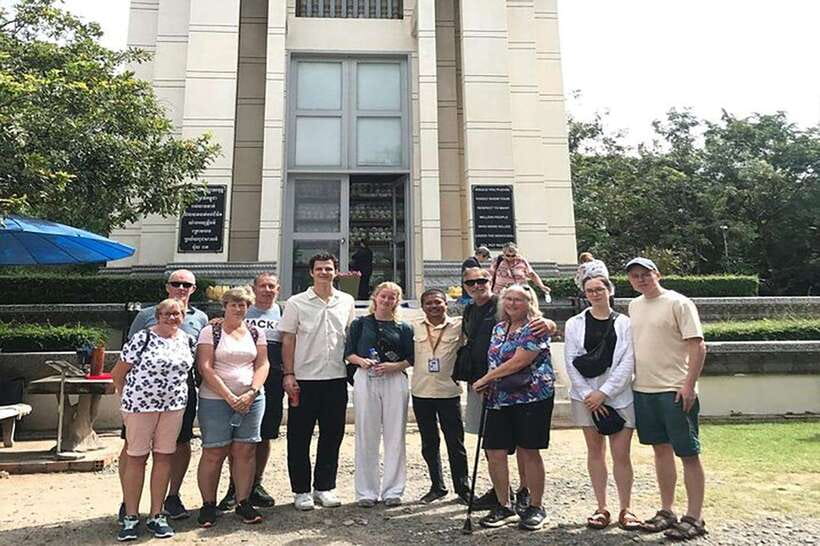
The tour price is listed at $19 per person, and that’s a good deal for what you get. What’s included is the guided experience plus the moving parts: a licensed English-speaking guide, a driver, a clean air-conditioned vehicle, and cool water.
The key catch is that museum entrance fees are not included. You’ll pay on top: USD 5 for Tuol Sleng and USD 3 for Choeung Ek, for USD 8 total per person. The tour info also tells you to bring USD 8 in cash for entrance fees, so don’t plan on charging a card at the gate.
For value, think of it like this: you’re paying roughly for transportation + a real guide + the organized timing, while the memorial sites themselves are paid separately. In this case, that division is normal—and it’s still fair, especially because the guide does the heavy lifting of translating and explaining.
The ride from Phnom Penh: comfort matters on a hard day
This is a half-day tour, about 4 hours, built around hotel pickup and drop-off in Phnom Penh. You’ll meet your group in the hotel lobby around 10 minutes before pickup, then ride in an air-conditioned vehicle.
I like that they include cool water. When you’re sitting in a hot car between two emotionally intense locations, small comfort details matter more than you’d expect. Reviews also describe smooth driving through traffic, which helps keep the day from feeling rushed or chaotic.
Tuol Sleng (S21): what to expect in 1.5 guided hours
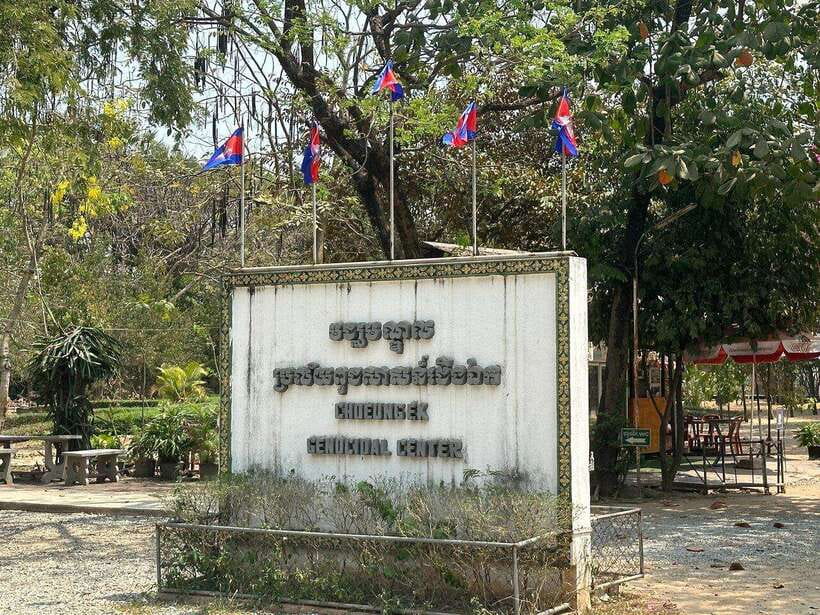
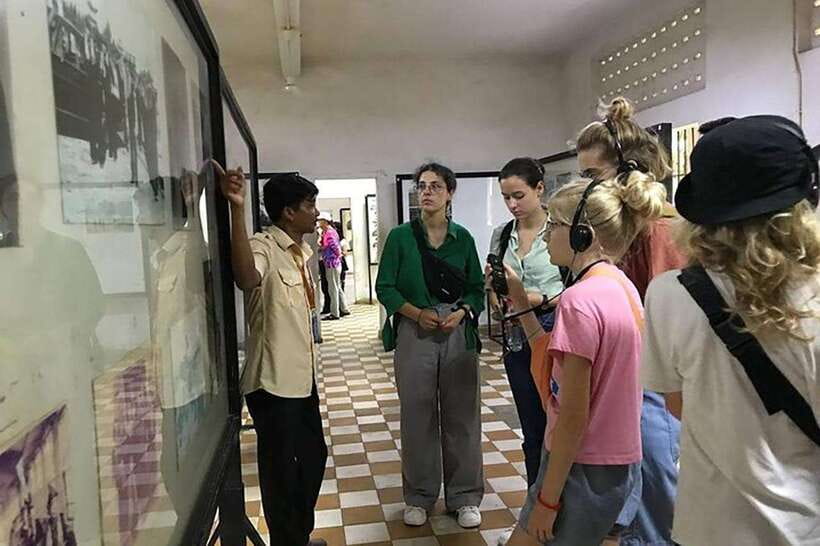
Tuol Sleng is often the hardest stop, not because it’s graphic in the way people imagine, but because it’s methodical. You’ll spend about 1.5 hours inside with a guide, and the tour is set up so you’re not just walking past display cases and rooms.
What makes the guided format valuable here is interpretation. S21 can look like a collection of rooms and documents at first. An English-speaking guide helps you connect the dots—how a school became a prison system, what interrogation meant in practice, and how victims were processed.
Several reviews highlight guides who include personal, firsthand family context. Names that came up include Chanrouen, Ran, Net, An, and Sum. Even when you already know some history, a guide who can explain it with lived perspective tends to make the exhibits feel more grounded and human.
One practical note: the rules are real at Tuol Sleng. Shoes aren’t allowed, and you’ll need to have your clothing lined up with the dress code (more on that below). That means it helps to show up prepared, so you’re not dealing with last-minute fixes while you’re trying to focus.
Choeung Ek: why the killing fields feel different after S21
After Tuol Sleng, you go to Choeung Ek, again with a guided visit of about 1.5 hours. It’s roughly a 15km drive from Phnom Penh based on the tour experience shared in reviews, so you’ll have time to decompress in the vehicle—but not for long.
Choeung Ek is set up as a memorial and remembrance space. You’ll encounter mass grave areas and the main memorial structure where you can see remains preserved in a way that’s meant to honor victims. The experience is moving, and it’s meant to be slow. A good guide keeps the focus on understanding and respect rather than rushing you for photos.
What I appreciate about having a guide here is balance. Many people know the headline facts about the Khmer Rouge, but they don’t always understand how policies translated into mass death. With context from the S21 visit, the killing fields stop being just a tragic site and become part of the same chain of events.

The survivor element and respectful ways to support remembrance
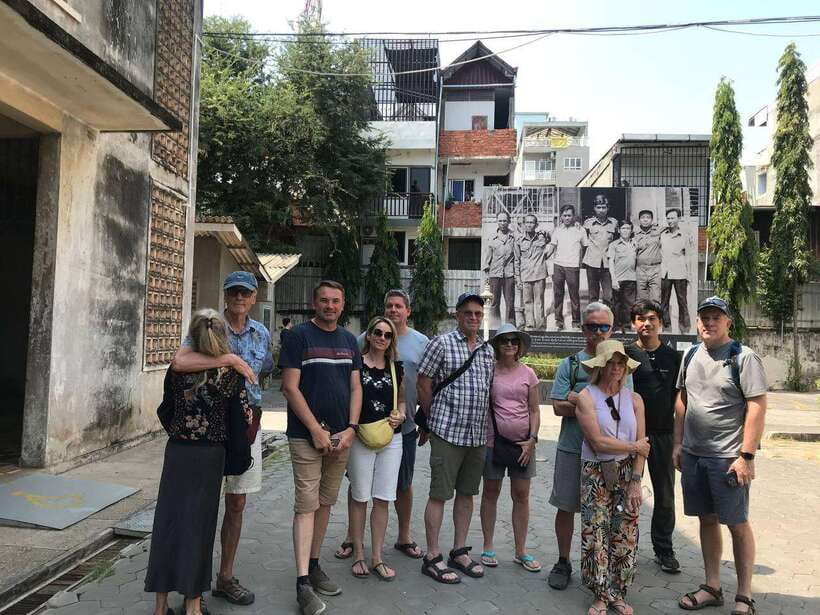
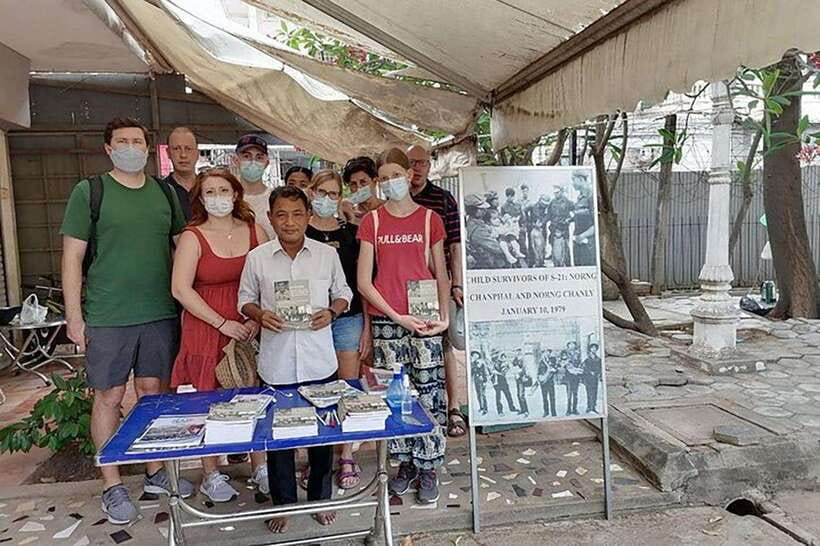
One of the distinct features mentioned in reviews is the possibility of connecting with a survivor at the end of the tour. Some tours encourage meeting a survivor who is still living and offering the chance to buy a book for $10 as a form of support.
Even if that moment doesn’t happen exactly the same way every run, it’s worth knowing the tour is structured with remembrance in mind. If you’re offered the chance to speak with a survivor or purchase a book, treat it as more than a souvenir moment. Keep questions respectful and focused on understanding.
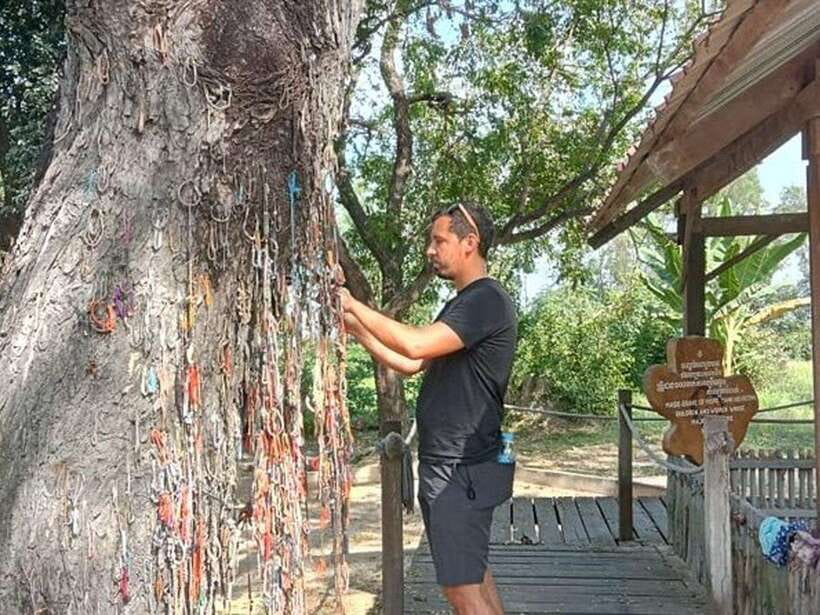
There’s also a small, optional tradition people describe at the killing fields: a review mentions the idea of hanging a bracelet at the Killing Tree. If it’s available when you’re there, it’s a personal gesture that stays consistent with the memorial tone of the visit.
Dress code, shoes, and cash: the rules that can trip you up
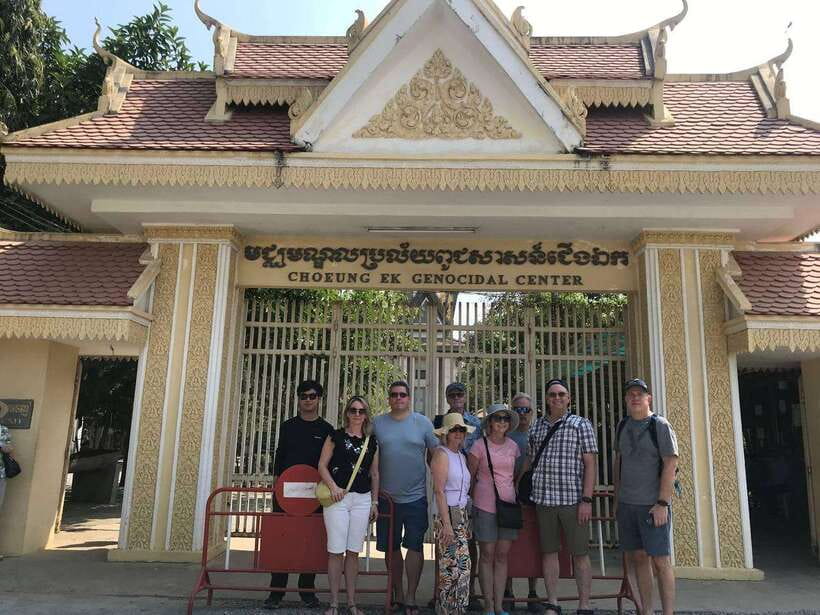
This is where I’d prepare the most. The tour requires that you cover your knee and shoulder. It also says shoes are not allowed. That combo is unusual if you’re used to museum days being casual.
If your clothes don’t match the rule, the tour info notes you can hire cover-ups, which helps. Still, I’d rather come prepared so you can get moving right away once you arrive.
Then there’s the money piece. You’ll need USD 8 in cash per person for entrance fees—USD 5 at Tuol Sleng and USD 3 at Choeung Ek. This is a simple total, but it’s the kind of simple thing people forget until it’s too late. Plan it like a museum day: bring the exact amount if you can.
Who this tour is (and isn’t) for
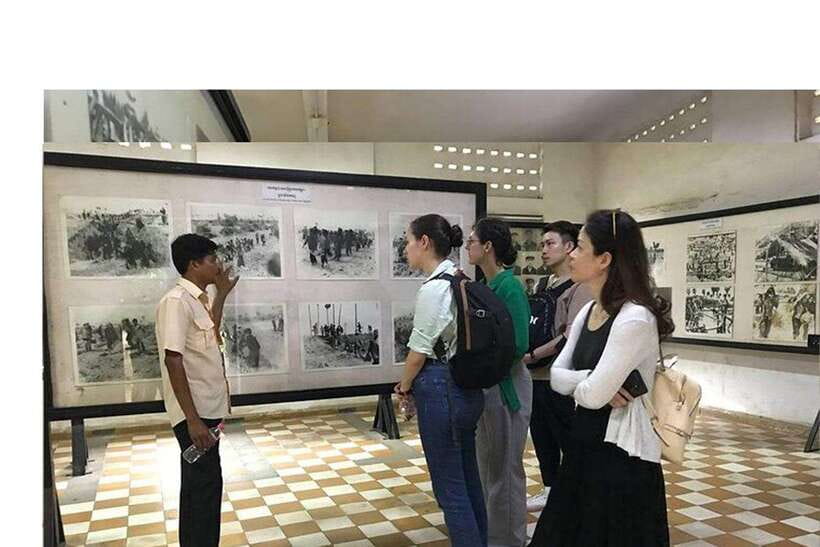
This is a “must-do” for people who want to understand Cambodia’s modern history with depth and seriousness. Reviews repeatedly emphasize that the experience is essential for grasping what happened under the Khmer Rouge, and that a guide adds meaning beyond what you could get from reading alone.
That said, it is not light. Multiple reviews describe the day as emotional, harrowing, and heavy—even when the exhibits are not overly graphic. If you’re sensitive to stories of mass abuse and genocide, plan the rest of your day accordingly and consider whether you have the emotional bandwidth.
The tour also lists a clear limit: it’s not suitable for people over 95 years. If you’re traveling with someone near that age range, you’ll want to check other options.
Choosing a guide experience: why narration changes everything here
You’re not just buying access to buildings and displays. You’re buying explanation, and in this context that’s huge.
Reviews often mention guides with lived connections to the regime. Examples of names that came up include Daream, Makara, Dara (driver), Yusef, Pros, Mr Om Chamroeun, and Ms CHHEANG SREYNEANG. Even when you don’t know history already, hearing the subject handled with care—while still being honest—can make your understanding stick.
If you’ve ever wandered through a museum alone and felt like you were missing the “why,” this tour is designed to prevent that. The guide helps you keep your footing in the timeline, and you’re more likely to understand how the Khmer Rouge took power and implemented terror at scale.
Short checklist so you’re ready on arrival
Here’s how to make the day smoother:
- Bring USD 8 cash per person for entrance fees
- Wear clothing that covers shoulders and knees
- Plan for no shoes
- Keep your pace calm; the stops are designed to be slow and respectful
If you show up with these basics handled, the tour feels less like logistics and more like learning.
Should you book this Phnom Penh Green Tours half-day tour?
If you want the two core Khmer Rouge sites—Tuol Sleng (S21) and Choeung Ek—in a guided, ordered format, I think this is a strong choice. The price is competitive because you’re getting transportation, an English-speaking guide, and thoughtful timing, and not just entry tickets.
I’d only hesitate if you know you don’t handle heavy historical content well. This isn’t a “quick look” tour. It’s a respectful, hard-hitting day built around understanding.
FAQ
What is the total duration of the tour?
The tour lasts about 4 hours, with guided time at Tuol Sleng (S21) and Choeung Ek.
Which places does the tour visit?
The tour visits Tuol Sleng Genocide Museum (S21) and then Choeung Ek (Killing Fields), both with guided time.
Is hotel pickup and drop-off included?
Yes. You’re picked up from your Phnom Penh hotel and returned after the tour.
Are the museum entrance tickets included in the $19 price?
No. Entrance tickets are not included. You’ll pay separately: USD 5 for Tuol Sleng and USD 3 for the Killing Fields.
How much cash should I bring for entrance fees?
Bring USD 8 per person in cash for entrance fees.
What are the dress code and shoe rules?
You must cover your shoulders and knees, and shoes are not allowed.
Can I cancel, and is the tour suitable for older visitors?
Cancellation is free up to 24 hours in advance for a full refund. The tour also states it is not suitable for people over 95 years.
Who should book this tour?
It’s best for travelers who want an English-guided visit and a clear explanation of the genocide and Khmer Rouge-era history, even though the subject is extremely emotional.