A half-day of rivers, silk, and village rhythm beats another long city day. I like the Mekong boat ride for the calm scenery, and I like the hands-on silk-making farm stop because it explains what you’re actually looking at.
The big caution: this is a small-village visit with some moving parts, so if you’re picky about pacing or you hate shopping stops, you’ll want to keep expectations grounded.
Guides tend to be friendly and communicative—some departures are led by people like Vuthy or Davuth—and the small group size (max 15) helps you ask questions while you’re out on the water.
In This Review
- Key points before you go
- A 4-hour escape from Phnom Penh’s streets
- On the Mekong and Four Faces Rivers: why the boat ride matters
- Tuk-tuk island loop: crops, plantations, and real village scenery
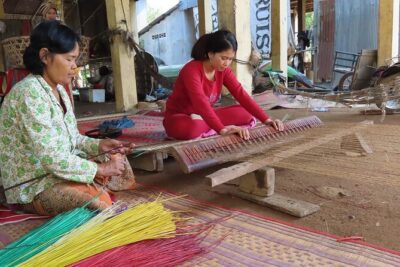
- Silk farm visit: how the process turns into something you can picture
- Buddhist monastery and the school visit: what to expect, and why timing matters
- Drinks and fruit platter: the practical comfort factor
- Price and value: is $35 really fair for what you get?
- Guide quality and group pacing: how to make your day smoother
- Who should book Mekong Silk Island—and who should pass
- Final thoughts: should you book this cruise?
- FAQ
- How long is the Mekong Silk Island Cruise tour?
- How long is the boat ride to the island?
- Is hotel pickup included?
- What’s included with the ticket for drinks and food?
- Are there tuk-tuk rides during the tour?
- What’s the cancellation policy?
Key points before you go
- Unlimited beer and soft drinks on the boat, plus a fresh fruit platter to keep things easy in the heat
- One hour each way by boat on the Mekong/Four Faces River area, with stilted houses and fishing villages from the water
- Tuk-tuk loop around the island village with mango and banana plantations, and crop views from the roadside
- Silk farm visit that explains the full production chain you’ll see firsthand
- Buddhist monastery and school visit can be included, but the school stop depends on the day’s schedule
- One-way hotel pickup included; you’ll need your own plan for the return to your hotel since drop-off isn’t part of the ticket
A 4-hour escape from Phnom Penh’s streets
This is built for people who want countryside life without giving up half a day. The tour runs about 4 hours, with a boat trip that takes around one hour to reach the island. That timing matters because it keeps you away from Phnom Penh’s intensity without rushing every single stop.
You’ll start near Preah Sisowath Quay, at Memorable Cambodia Cruise. If you’re using pickup, it’s one way, so you’ll go from your hotel to the dock—but you’ll return back to the meeting point area afterward (plan a taxi or another ride back on your own).
The group stays small—up to 15 people—which is a real quality-of-life upgrade. With fewer people, the guide can slow down for explanations, and you’re less likely to get herded through like luggage.
You can also read our reviews of more food & drink experiences in Phnom Penh
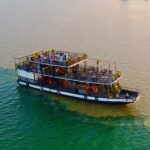


On the Mekong and Four Faces Rivers: why the boat ride matters
The boat portion isn’t just transit. It’s when the day starts to feel different.
As you travel, you can spot stilted houses and fishing villages along the water. You’ll also see the Mekong and Four Faces River scenery as you move through the river system around Phnom Penh. Even if you’ve visited riverside areas before, this view has a big advantage: you’re watching daily life from the waterline, not from a road.
Also, the tour is paced like a half-day should be. You’re not standing around waiting for long stretches. The boat gives you that slow rhythm break, especially if you time it on a sunny afternoon when you’d normally be stuck inside.
One practical note: water levels can affect how you step onto the island. On at least some departures, people reported using a metal gangway when the river was low. If you have mobility concerns, this is something to weigh before booking.
Tuk-tuk island loop: crops, plantations, and real village scenery
Once you reach the island, you switch to a tuk-tuk ride around the community. This part is surprisingly important because it changes your perspective. Instead of bouncing between indoor stops, you get to watch the island’s working landscape up close.
Expect views of mango and banana plantations and other crops grown on the island. You’ll also see the village texture—roads, homes, and everyday farming patterns—at a speed that’s meant for sightseeing, not commuting.
The downside to this format is simple: you’ll likely have some “move on” moments when changing areas. One person described being rushed at a transition point near the Silk Island center, so if you like to take photos slowly, keep an eye on timing and don’t lag behind when the group is called.
Also, if you’re the type who wants only nature and no village commentary, you might feel the day has a stronger cultural-and-production focus than you expected. But if you like learning while you look, this portion does its job.
Silk farm visit: how the process turns into something you can picture
This is the star stop for many people, and it’s not hard to see why. You visit a silk farm, and the point isn’t just to show silk scarves. The goal is to make the process clear.
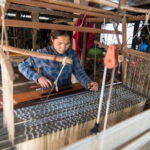
On silk-farm style tours, the most interesting moments usually come in sequence: you see the early life stages, then the cocoon work, then how silk becomes thread and how weaving comes together. On this experience, you should be prepared for a production story that can run from the start of the lifecycle through to cocoon and then weaving—depending on what the farm is currently showing that day.
What I like about a farm-style stop (instead of a quick photo op) is that it forces your brain to connect the final product to the work behind it. You end up noticing details—colors, thread texture, and pattern choices—that you’d miss if the tour only pointed at finished scarves.
One “real life” detail: there’s often time at the end to browse or buy. Many silk-focused island tours include a shop where you can purchase items, and that means you should set your own spending limit before you get swept up in the moment.
If you’re hoping for a step-by-step weaving lesson with people freely explaining every move at loom level, that’s not guaranteed. Some guides focus more on explaining the bigger picture and the lifecycle, while others can talk more about weaving technique on the looms you see. Either way, it’s still a far better use of time than just viewing finished products.
Buddhist monastery and the school visit: what to expect, and why timing matters
After the silk-focused parts of the day, you may visit a Buddhist monastery. Even when the monastery is smaller than you imagined, the value is in understanding how spirituality and daily community life connect on the island.
Then comes the children’s school visit. This is listed as subject to the school schedule, so it’s not something you should treat like a guaranteed “show up and see class” slot every day. If it happens, it’s often the emotional highlight of the tour because you get to see how local education plays out in a normal school setting.
A good way to approach this stop is to listen to your guide’s cues and keep your behavior calm and respectful. You’re there as a visitor, not as a spectator trying to turn someone’s classroom into a stage.
Also, photography rules aren’t specified in the tour info you have, so if you plan to take pictures, follow whatever the guide asks in the moment. That keeps things smooth for everyone.
You can also read our reviews of more boat tours in Phnom Penh




Drinks and fruit platter: the practical comfort factor
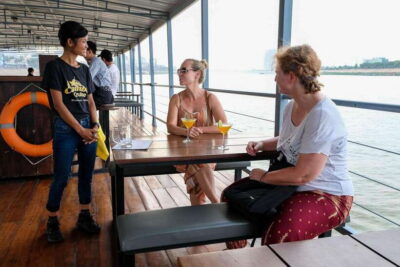
One of the clearest selling points here is that you get unlimited beer and soft drinks on the boat. Along with that, you’ll get a fresh fruit platter.
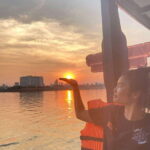
This matters more than it sounds. Phnom Penh heat can wear you down fast, and a half-day tour can feel long if you’re thirsty. The drink setup helps you stay comfortable while you’re waiting for the next segment and while the boat ride does its job.
A couple of small practical ideas:
- If you don’t drink alcohol, the soft drinks are included unlimited, so you’re not stuck watching everyone else toast the sunset.
- Bring sunscreen and stay hydrated even if drinks are plentiful. Fruit and beer are nice, but they won’t replace good sun protection.
During the ride, you’ll also have time to learn about the river and island life from your English-speaking guide. Some guides are especially good at answering questions, and a small group makes that feel personal instead of scripted.
Price and value: is $35 really fair for what you get?
At $35 per person, the math works if you care about a few specific categories of value: transport, access, and guided explanation.
For that price, you get:
- One-way hotel pickup
- Boat transport to and from the island (with about one hour each way)
- Unlimited beer and soft drinks
- A fresh fruit platter
- Tuk-tuk ride around the island
- Entrance fees
- An English-speaking guide
- Small-group format (max 15)
That’s a lot packed into four hours. And because it includes the island’s “how people live” access—not just a drive-by view—you’re not paying only for scenery.
Where the value can shift against you is if you’re only interested in silk as a shopping item. If your priority is learning how silk is made and how daily farming supports island life, the ticket holds up. If your priority is a long, deep dive into silk weaving technique with lots of time at the loom, you might want to pair this with another Phnom Penh activity or choose a different format that offers more hands-on time.
Guide quality and group pacing: how to make your day smoother
Since the tour relies on a guide and moving between several areas, small differences between departures can affect your overall experience. Guide communication is generally strong on this kind of trip, and names like Vuthy and Davuth show up as examples of guides who explain the history and answer questions well.
But here’s the realistic part: English ability, pace, and how much time is spent on each stop can vary from one day to another. If you’re the type who hates feeling rushed, treat transitions—especially into the silk center area—as moments to stay alert and keep your place in the group.
Also, watch for the “shopping pressure” feeling that sometimes comes with textile demonstrations. Even if the process is fascinating, plan your budget. You can appreciate the craft without buying the scarf, and you’ll enjoy the visit more if you decide that before you’re standing in the shop.
Who should book Mekong Silk Island—and who should pass
I think this tour fits best if you want a balanced half-day that includes:
- A real river break from Phnom Penh
- A village and farm visit (not just a temple stop)
- Silk production explained in an easy-to-follow way
- The option to see a school visit if the day’s schedule allows it
It’s not a great fit if you:
- Need a fully seated, low-walking experience (you might use a gangway if conditions require it)
- Want zero chance of buying something at the end (there’s usually a shop component)
- Get stressed by tight transitions between multiple small sites
If you’re traveling with mixed interests—one person loves photos, another loves craft—this tour can please both without turning into a long slog.
Final thoughts: should you book this cruise?
If $35 feels like a fair trade for a guided river outing plus silk farm access, I’d say book it. The combination of boat scenery, a tuk-tuk village loop, silk production, and the possible school/monastery component gives you more than just one “box to tick.”
If you’re booking with high expectations for perfect punctuality every day, keep your start-time plan tight and confirm everything before you leave your hotel. And if you hate shopping stops, go in with a firm spending decision.
FAQ
How long is the Mekong Silk Island Cruise tour?
The tour lasts about 4 hours (approx.).
How long is the boat ride to the island?
The boat trip to the island takes about 1 hour.
Is hotel pickup included?
Yes. One-way hotel pick up is included. Hotel drop off is not included.
What’s included with the ticket for drinks and food?
You get unlimited beer and soft drinks, plus a fresh fruit platter.
Are there tuk-tuk rides during the tour?
Yes. You’ll take a tuk-tuk trip around the island.
What’s the cancellation policy?
You can cancel for a full refund up to 24 hours in advance. Weather-related cancellations may offer a different date or a full refund.