REVIEW · PHNOM PENH
Phnom Penh: Highlights Tour Including S21 and Killing Fields
Book on GetYourGuide →Operated by Phnom Penh Local Tuk-Tuk and Taxi · Bookable on GetYourGuide
Phnom Penh hits hard, then shows its charm. I like how this tour pairs the big history stops—Tuol Sleng S21 and Choeung Ek—with classic city sights like Wat Phnom, the National Museum, and Independence Monument. I also like the small-group pace (max 7 in the van, max 4 by tuk-tuk) and the fact your guide doubles as your driver, which keeps the day smooth. One drawback: you’ll need a strong stomach and you’ll move fast, because the schedule aims to fit a lot into one long day.
If you choose the tuk-tuk option, the ride feels more human and less like a bus tour, and guides such as Mr. Sop, Elvis, Nick, and Sinal are often praised for clear English and practical explanations. Just plan ahead for the money: several key sites require separate tickets and audio guides, and you should have cash ready before you get there.
Why this Phnom Penh tour works (even with its heavy stops)
- S21 and the Killing Fields in one day: you get the full story arc, from incarceration to what came next.
- Smart photo timing early: major buildings and entrances face east, so morning light helps your photos.
- City culture between memorials: monasteries, royal grounds, monuments, and markets keep the day balanced.
- Local lunch halfway through: you’re not stuck eating a mystery meal right before the emotional sites.
- Small group + guide-driver: fewer people, more flexibility, and less waiting around.
In This Review
- The right first-day mix: classic Phnom Penh plus S21 and Choeung Ek
- Morning starts at Wat Phnom: photos, folklore, and the Lady Penh link
- Wat Ounalom and the National Museum: Khmer architecture with French-era context
- Royal Palace area, parks, and monuments you can spot from far away
- Lunch break before S21: your reset button
- Tuol Sleng S21: audio guide time, careful pace, no shortcuts
- Choeung Ek Killing Fields: audio guide + walking time that changes your mood
- Russian Market (or Central Market): quick, useful shopping for a real Phnom Penh feel
- Diamond Island and the Phnom Penh river neighborhoods: city end with a view
- Transportation, timing, and group size: van vs tuk-tuk
- What’s included, what’s not, and the real value of this day
- Who should book this tour, and who might want something else
- Should you book it? My practical take
- FAQ
- How long is the Phnom Penh highlights tour?
- What are the main sites included besides the city highlights?
- Do I need cash for the day?
- Are audio guides provided for S21 and the Killing Fields?
- Is hotel pickup included, and where does it work?
- What transport will I use during the tour?
- How big is the group?
- Is lunch included in the price?
- What refreshments are included during the tour?
- Is this tour suitable for children?
The right first-day mix: classic Phnom Penh plus S21 and Choeung Ek
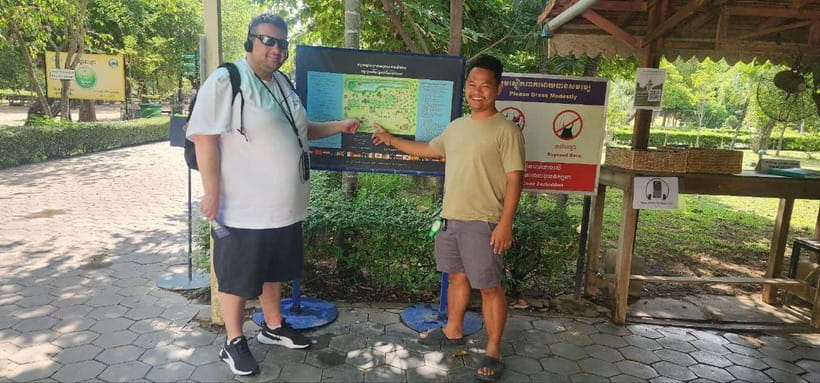
Phnom Penh can feel like two cities at once. By day, you’ll spot old temples, French-colonial-era architecture, government buildings, and riverside neighborhoods. But in the afternoon—or sometimes first, depending on the day’s plan—you’ll face the Khmer Rouge period at Tuol Sleng (S21) and the Killing Fields at Choeung Ek.
That’s what I like about this tour setup: it doesn’t treat history like a separate side quest. It uses Phnom Penh’s main monuments and viewpoints as a way to understand the city’s identity, and then it turns to the places that explain why that identity was tested so brutally. You also get context from your guide in a clear, story-driven way—often with human detail, not just dates.
The day is long (about 9 hours). So if you only want an easy highlights loop, you might find the memorial sites too intense. But if you want a single, well-paced orientation to the city and Cambodia’s modern past, this is a solid pick.
Morning starts at Wat Phnom: photos, folklore, and the Lady Penh link
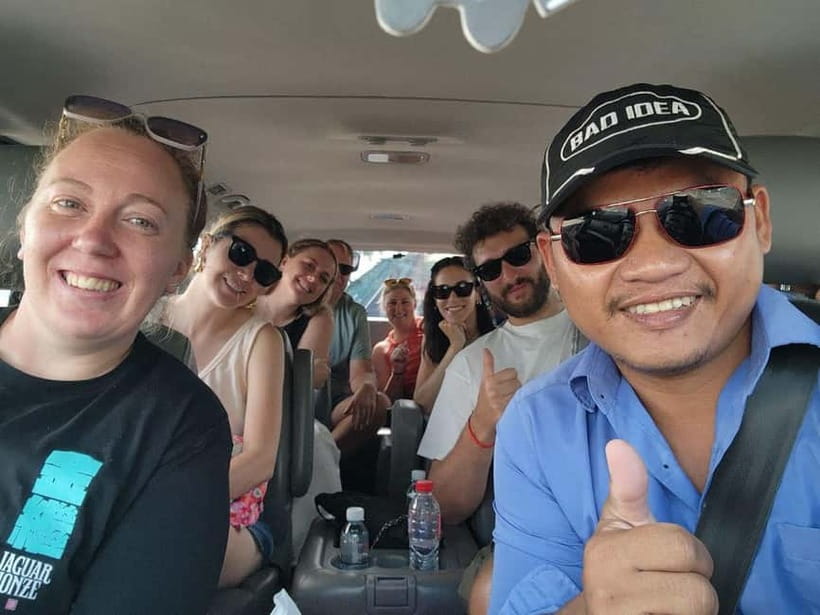
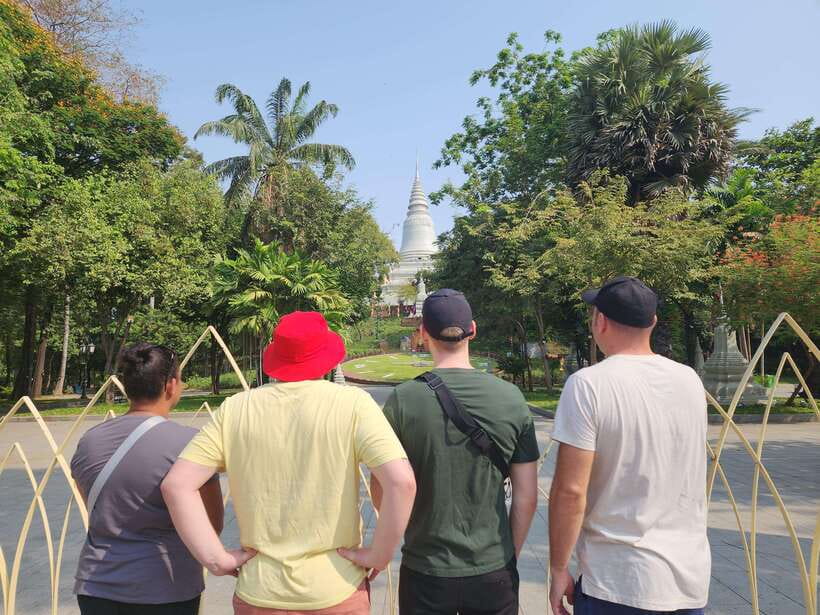
Most tours begin at the “pretty” landmark. This one starts at Wat Phnom, and that’s a good move because you’re awake and mobile before the serious part begins.
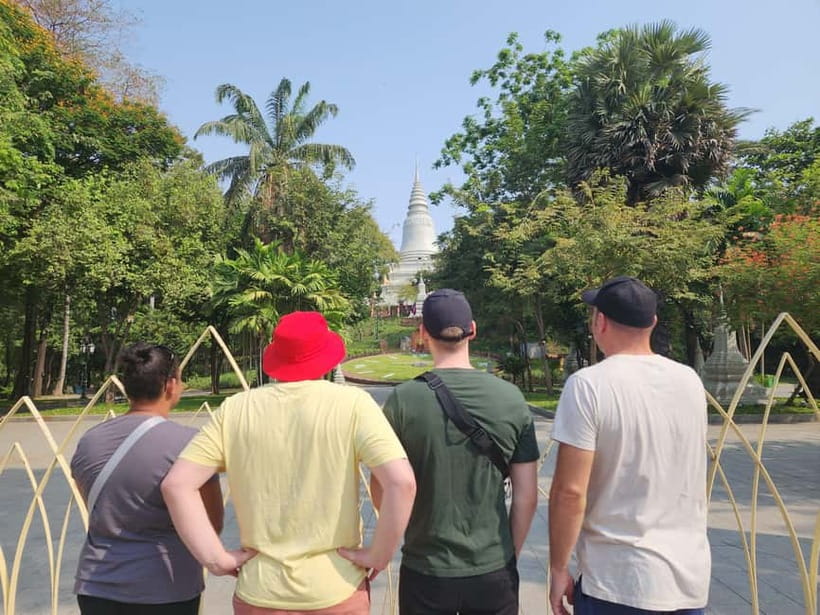
You’ll first get a stop at the Lady Penh Statue—Phnom Penh’s namesake—before you move into the Wat Phnom area. After that, you’ll have time for a guided visit and sightseeing. This is where you’ll also notice how Phnom Penh’s spiritual sites shape daily life: not empty ruins, but active places where locals come to pray, gather, and handle errands.
Practical tip: wear something light and breathable. The later you get into the day, the warmer it usually feels in open areas. Also, plan for the Wat Phnom entry fee (listed as 1 USD) with cash on hand.
You’ll typically have around 45 minutes here, which is enough to see the key points without feeling rushed.
You can also read our reviews of more tours and experiences in Phnom Penh.

Wat Ounalom and the National Museum: Khmer architecture with French-era context
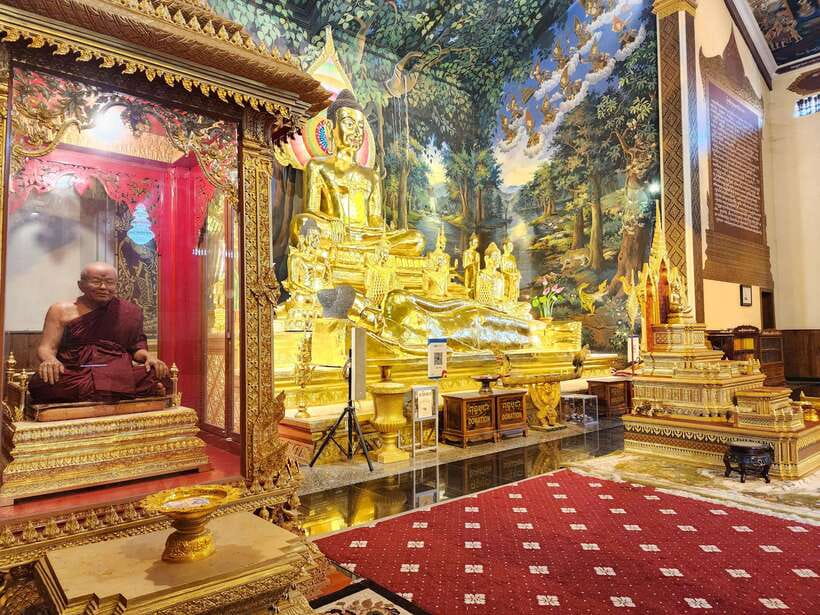
Next up is Wat Ounalom, a monastery that dates back to the 15th century. Even if you’re not a temple-architecture nerd, this stop helps you understand the religious backbone of the city. You’ll get time for a photo stop plus a guided visit, and it’s usually fast—about 15 minutes.
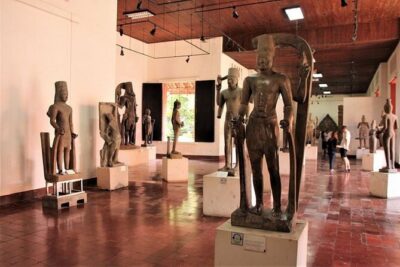
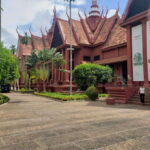
From there, you head to the National Museum of Cambodia. The pitch here is simple: it’s one of the best examples of traditional Cambodian architecture, and it was built during the period when Cambodia was under French colonial administration. In other words, you’re seeing how different cultural layers shaped Phnom Penh—faith, art, and colonial-era influence all in the same place.
What to watch for: don’t treat the museum building as just a backdrop. It’s part of the story the tour is telling: how Cambodia expresses tradition while absorbing outside pressures.
Royal Palace area, parks, and monuments you can spot from far away
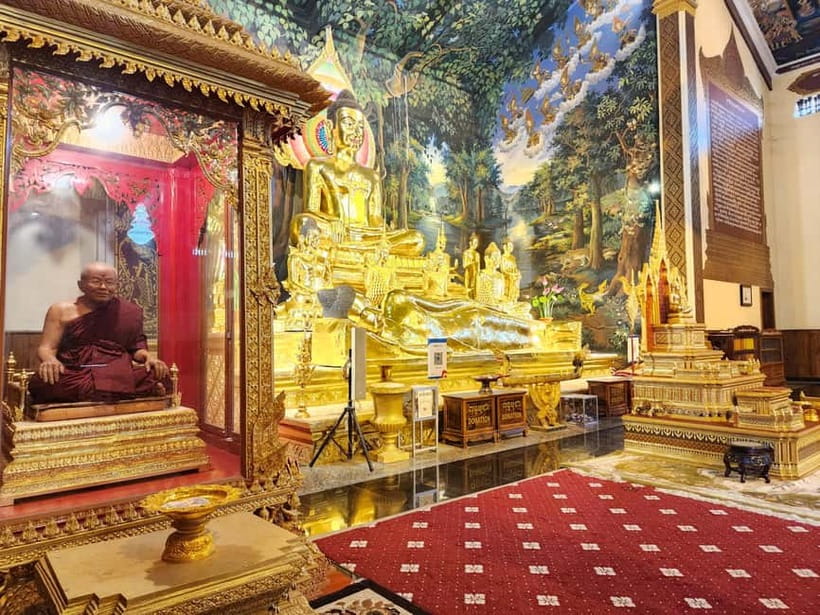
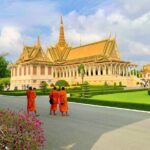
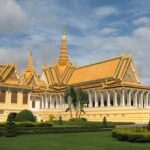
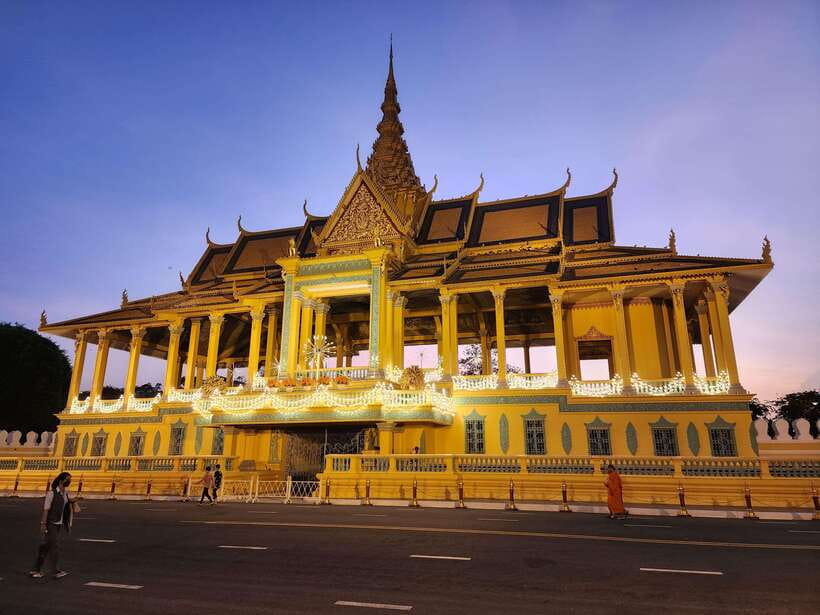
After the museum, the tour moves into Royal Palace territory and adjacent landmarks. You’ll likely get outside views and photo stops rather than deep inside exploration, which keeps the schedule on track.
Expect stops around:
- the Royal Palace area, with the Royal Crematorium view outside nearby
- the park area in front—locals relax and socialize here
- the Cambodian-Vietnam Friendship Monument near Botum Park
- the Samdech Choun Nath Statue
- Independence Monument
These stops matter because they show Phnom Penh’s political symbolism in public space. The Cambodian-Vietnam Friendship Monument and Independence Monument aren’t just statues; they’re declarations about alliances and sovereignty. They also help you orient yourself for later parts of the city day—especially once you start heading toward neighborhoods like Diamond Island.
Timing helps too. The morning light and the fact that many entrances/buildings face east means your photo chances are often better early in the day.
Lunch break before S21: your reset button
Before you go to Tuol Sleng (S21), you’ll get a break for lunch at a local restaurant halfway through the tour. Lunch is not included in the headline price, but the operator includes the stop and builds in about 45 minutes.
This is a smart design. S21 and the Killing Fields are emotionally heavy, and a decent break first helps you keep your energy steady. The menu details aren’t guaranteed, but the tour notes it’s a good local restaurant, not a tourist trap by default.
Money note: bring cash not only for tickets, but also for lunch if the restaurant doesn’t take cards (cash is strongly implied for the day).
Tuol Sleng S21: audio guide time, careful pace, no shortcuts
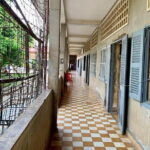
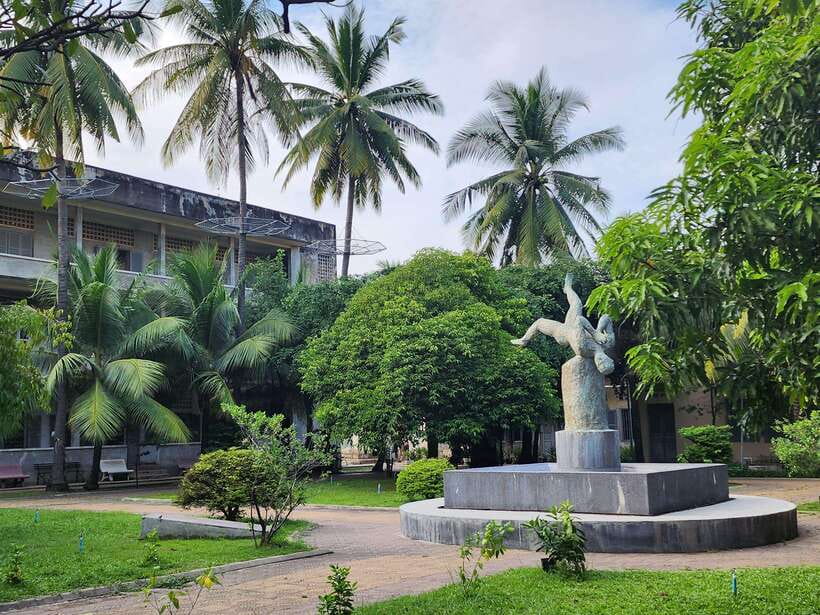
Then comes Tuol Sleng Genocide Museum (S21). This is one of the hardest stops in Cambodia, and the tour handles it with the right structure: you pay the entry fee and audio guide separately (listed as 10 USD total for entry + audio guide), and your guide/driver stays with the group so you’re not hunting around.
You’ll spend about 1.5 hours here with a guided approach and audio explanation. The goal isn’t “see everything quickly.” It’s to give you enough time to understand what you’re looking at—rooms, records, and the system behind the suffering.
How to prepare mentally: this is not a casual museum visit. Go in knowing you might feel unsettled. The practical move is to plan for slower breathing afterward and don’t schedule anything heavy immediately after the tour ends.
Choeung Ek Killing Fields: audio guide + walking time that changes your mood
After S21, the tour heads to Choeung Ek, the Killing Fields area (listed ticket/audio fee: 6 USD). Like S21, there’s a separate entry payment and audio guide component, and you’ll need cash.
You’ll typically have about 1.5 hours here, with guided explanation plus photo stops. The layout and walking space make you feel the scale differently than at S21. At the Killing Fields, the setting matters: you see how geography became part of the tragedy.
Tip for your body: wear closed-toe shoes or at least something with solid grip. This isn’t about comfort for sightseeing; it’s about not slipping on uneven ground.
Guides also tend to shape the tone of the day here. Names like Elvis, Nick, Sinal, and Mr. Sop come up because they’re often praised for keeping the group together and explaining clearly while still respecting how serious the site is.
Russian Market (or Central Market): quick, useful shopping for a real Phnom Penh feel
After the memorial stops, the tour shifts tone again with a market visit. The itinerary includes Russian Market (and it’s described as optional between Russian Market and Central Market).
You’ll have about 20 minutes at the market for sightseeing and walking. That’s not enough time for deep shopping. It’s enough time to:
- scan local snacks and everyday goods
- see how markets structure city life
- buy a small souvenir or a drink without turning the day into a shopping trip
If markets are your priority, this is the moment to add a little extra time of your own later. But as part of the full-day tour, it works as a gentle re-entry to normal life.
Diamond Island and the Phnom Penh river neighborhoods: city end with a view
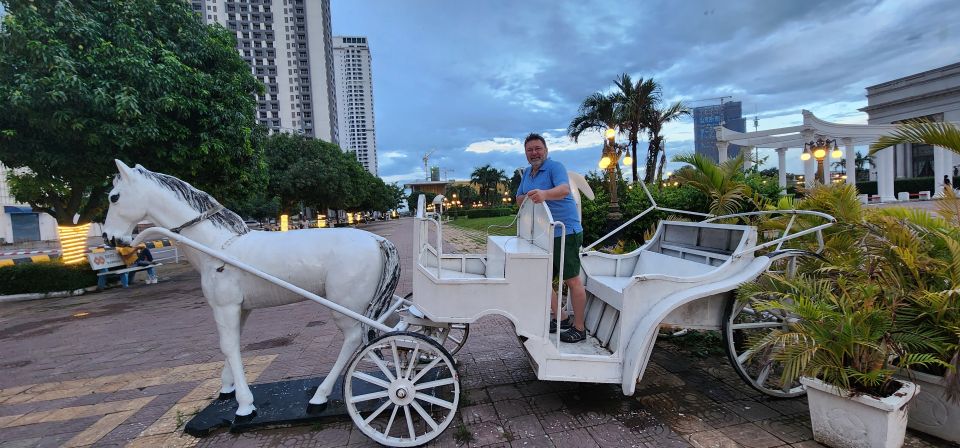
The day finishes with Diamond Island (the tour calls it a satellite city and also mentions Paris to Phnom Penh). This is a nice contrast to the memorials: you get open-air space, river views, and a lighter mood.
You’ll have time here for a break and a walk, plus sunset viewing (about 30 minutes). Along the way and around the area, you may also see sights from the road such as:
- Patriarch of Monks Statue
- the Buddhist Institute
- Cambodian Parliament Building
- Chinatown
- Mekong Upper and Mekong Lower
- Tonle Sap and Tonle Bassac
Even if you don’t stop at all of those points, the drive-by sightseeing gives you a mental map of Phnom Penh’s geography—especially the way rivers define the city’s layout.
Practical note: this sunset time is where the day can feel most rewarding if you’re holding up emotionally. Take in the light, grab water, and give your brain a chance to process.
Transportation, timing, and group size: van vs tuk-tuk
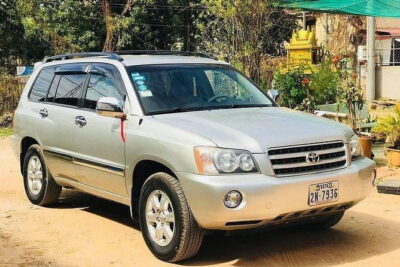
You’ll travel by air-conditioned Starex-van or tuk-tuk depending on your option. The tour is structured as a small group:
- up to 7 people by air-conditioned van
- up to 4 people by tuk-tuk
This matters because it changes the whole feel of the day. A van group is smoother for longer city driving. A tuk-tuk group can feel more personal and flexible, especially in traffic, and it’s often easier to ask quick questions while moving.
The schedule aims to fit a lot into one day—multiple stops and about 18 places—so you have to be punctual. The tour notes that the tour leader sets time at each place to make the whole route work. In practice, this means you shouldn’t plan on long wandering unless the guide offers it.
Bring cash. Tickets for Wat Phnom, S21, and the Killing Fields are listed separately, and audio guides at S21 and Killing Fields are part of the ticket payments. The tour specifically asks you to make sure you have cash.
What’s included, what’s not, and the real value of this day
The headline price is listed as 30 USD per group (up to 1). What you truly need to look at is the difference between what’s included in the price and what you’ll pay on-site.
Included:
- English explanations
- driver/guide
- hotel pickup and drop-off only in the city centre
- air-conditioned transport or tuk-tuk (based on option)
- bottled cold water and Coke
- Cambodia Beer after 12:00 PM
Not included:
- Wat Phnom entry (1 USD)
- S21 entry + audio guide (10 USD)
- Killing Fields entry + audio guide (6 USD)
- Lunch
So is it good value? I think yes, if you want both sides of Phnom Penh in one day: the major memorial experience plus the city orientation pieces. Cheaper options often skip the city stops or skip the structured audio guide setup. Here, you’re paying for guided context, transport that keeps you moving, and time built in for the key memorial visits.
The other value piece is your guide being in the driver’s seat. When the person driving also explains what you’re seeing, you lose less time to misunderstandings and meeting points.
Who should book this tour, and who might want something else
This tour makes sense if:
- you have limited time in Phnom Penh and want a strong first-day overview
- you want both Tuol Sleng (S21) and the Killing Fields, not just one
- you prefer a small group with an active guide-driver
- you care about seeing monuments and markets, not only memorial sites
This might not be the right fit if:
- you’re traveling with kids under 10 (the tour says it’s not suitable)
- you want a fully relaxed pace with minimal walking and minimal emotional intensity
- you’re not comfortable arranging for separate cash payments for major tickets
Should you book it? My practical take
Book it if you want one day that covers Phnom Penh’s “why” and “how,” not just its “what.” The combination is efficient: temples and monuments early, lunch as a reset, then S21 and the Killing Fields with audio guide structure, and finally Diamond Island to end the day on a calmer note.
Pass or compare if you’re sensitive to traumatic history or you’re the type who hates tight schedules. Also, double-check whether your hotel falls in the city-centre pickup zone; if it doesn’t, you’ll need to meet at a designated point.
If you can handle a moving day and you want a guided, well-organized route with clear English explanations, this is one of the better ways to see Phnom Penh in a single sweep.
FAQ
How long is the Phnom Penh highlights tour?
It runs about 9 hours.
What are the main sites included besides the city highlights?
The tour includes Tuol Sleng Genocide Museum (S21) and the Killing Field at Choeung Ek.
Do I need cash for the day?
Yes. The tour specifically notes you must pay separate tickets in cash for Wat Phnom, S21 (including the audio guide), and the Killing Fields (including the audio guide). It also tells you to bring cash.
Are audio guides provided for S21 and the Killing Fields?
The audio guide cost is included in the ticket payment for both S21 (10 USD) and the Killing Fields (6 USD). You pay on-site.
Is hotel pickup included, and where does it work?
Hotel pickup and drop-off are included only if you’re within the city centre. If your hotel is outside the city centre, you’ll need to go to a meeting point.
What transport will I use during the tour?
You’ll use an air-conditioned Starex-van or a tuk-tuk, depending on the option you select.
How big is the group?
The tour is limited to 7 participants in the van option, and up to 4 people for the tuk-tuk option.
Is lunch included in the price?
No. Lunch is a stop at a local restaurant midway through the tour, but it’s not included.
What refreshments are included during the tour?
Bottled cold water and Coke are included, and Cambodia Beer is included after 12:00 PM.
Is this tour suitable for children?
The tour is not suitable for children under 10 years old.