REVIEW · PHNOM PENH
Phnom Penh: Tour of Tuol Sleng Prison and Choeng Ek Memorial
Book on GetYourGuide →Operated by ASEAN ANGKOR GUIDE · Bookable on GetYourGuide
Phnom Penh gets quiet fast. This half-day visit to Tuol Sleng (S-21) Prison and Choeung Ek Killing Fields Memorial is heavy, but it’s also one of the most clear-eyed ways to understand Cambodia’s Khmer Rouge era. I like that the tour is led by an English guide who can connect the museum rooms and memorial grounds to real, lived family history, including guides like survivor Sok Channak. I also like the practical setup: hotel pickup, A/C transport, and a small-group feel that keeps you moving without feeling herded. The main drawback is simple: the material is emotionally intense, and if the group is in a noisier area, a guide’s English can take a moment to get used to.
This tour runs about 5 hours, and it’s built around two guided stops plus travel time. You’ll pay separate entrance fees for the sites (S-21 and Choeung Ek), but the included guide and transport are what make the day feel manageable and meaningful rather than rushed and confusing. If you’re traveling with kids, note it’s not suitable for children under 10, and it’s also listed as not suitable for people over 95.
In This Review
- Key Highlights You’ll Feel in Your Bones
- The Real Point of This Tour: Turning Names Into Meaning
- Getting From Your Hotel Without Fuss (And With A/C)
- Stop 1: Tuol Sleng Genocide Museum (S-21) and the Weight of the Prison Rooms
- The Drive to Choeung Ek: Short Distance, Major Shift in Atmosphere
- Stop 2: Choeung Ek Memorial and Killing Fields (Guided Visit)
- Why the Guide’s Personal Story Makes Such a Difference
- Price and Value: What You’re Really Paying For
- What the 5-Hour Schedule Feels Like in Real Time
- Practical Tips for a Tough Visit (Without Making It Weird)
- Who This Tour Fits Best (And Who Might Skip It)
- Should You Book This Tour?
- FAQ
- How long is the Phnom Penh Tuol Sleng and Choeng Ek tour?
- What’s included in the price?
- Do I need to buy tickets for Tuol Sleng and Choeung Ek?
- Is an audio guide included?
- What order are the stops in?
- What language is the tour guide?
- When should I be ready for pickup?
- Who is the tour not suitable for?
- Can I cancel for a refund?
Key Highlights You’ll Feel in Your Bones

- A survivor-led perspective: some departures include Khmer Rouge era survivors who share personal context, not just facts
- Guided S-21 prison walkthrough: you’ll spend focused time inside Tuol Sleng’s Security Prison 21
- Choeung Ek memorial visit with context: the drive to the Killing Fields is short, but the meaning is huge
- Hotel pickup and A/C transport: you avoid logistics stress in a tough, early-to-mid day schedule
- Small-group pacing: enough time for questions, without long gaps between stops
The Real Point of This Tour: Turning Names Into Meaning

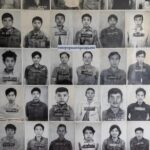
Tuol Sleng and Choeung Ek are not history in the abstract. You’re looking at places where people were processed, held, and killed under the Khmer Rouge, and you’re seeing how the system worked at a human scale. What makes this tour valuable is that you don’t just walk through rooms and memorial sites—you get an organized explanation of what you’re seeing and why it mattered.
I like that the day has a clear structure: prison first, then the Killing Fields. That order helps you understand the logic of the regime—detention and interrogation at S-21, followed by mass execution at Choeung Ek. If you’ve read a little about Pol Pot before, this is the moment when it stops being a name on a page and starts being something you can picture.
You can also read our reviews of more tours and experiences in Phnom Penh.

Getting From Your Hotel Without Fuss (And With A/C)

The tour includes pickup and drop-off, so you’re not left figuring out transport or timing on your own. You’ll be asked to wait in your hotel lobby about 15 minutes before your scheduled pickup time, and then you’ll ride in an A/C car, minivan, or bus depending on the group size.
This matters more than it sounds. A day like this is tiring in a different way—mentally heavy, and physically draining in Cambodia’s heat—so having chilled air and simple logistics helps you stay present. Plus, you get a cool bottle of water as part of the tour, which keeps the practical side covered while the subject stays serious.
Stop 1: Tuol Sleng Genocide Museum (S-21) and the Weight of the Prison Rooms
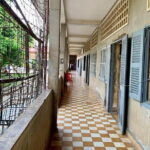
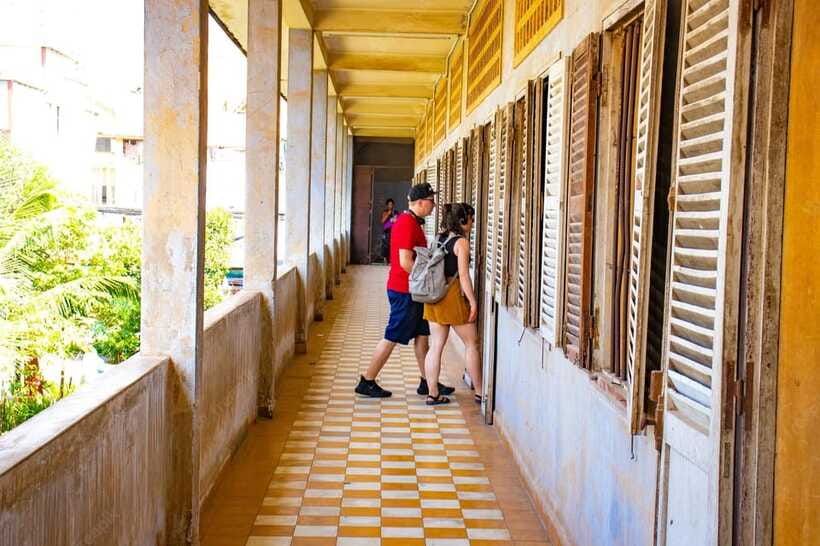
Your first real stop is Tuol Sleng Genocide Museum, tied to Security Prison 21 (S-21). The tour starts with the story of how a high school (Tuol Svay Prey) was taken over by Pol Pot’s security forces and turned into a prison in 1975. That detail is important because it changes how you see the space—you’re not looking at a purpose-built prison, you’re seeing how quickly normal life can be converted into confinement.
You’ll spend about an hour on a guided visit. The tour format is built for understanding: you’re not just moving from display to display; you’re getting explanations as you go. A big part of the value here is human context—some guides, like Sok Channak, share personal anecdotes and family losses from that period, which makes the experience feel grounded rather than distant.
One practical drawback to keep in mind: the subject matter can be hard to process, and an hour inside the museum can feel both fast and too long. If you need breaks, it’s a good idea to take them when the guide pauses, rather than trying to mentally push through nonstop. You’ll likely find you absorb more when you give yourself a moment to regroup.
The Drive to Choeung Ek: Short Distance, Major Shift in Atmosphere
After Tuol Sleng, you’ll travel to Choeung Ek, located about 16 kilometers south of Phnom Penh. The transfer is part of the tour timing, roughly an hour with the bus or coach segment included.
This is a good in-between moment. Your brain has just spent time on detention and imprisonment, and now you’re transitioning to the grounds memorializing mass killings. A guide-led explanation during this transfer can help you make the mental shift, so the second site doesn’t feel like a separate event—it feels like a continuation.
Also, keep an eye on how you feel physically. Heat plus emotional strain is a tough combo. Hydrate, and if you’re the kind of person who prefers control, take a moment before arriving to decide how much time you want to spend looking closely versus reading from a distance.
Stop 2: Choeung Ek Memorial and Killing Fields (Guided Visit)

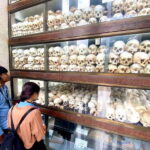
At Choeung Ek, you’ll visit the memorial built to honor the more than 17,000 victims killed there by the Khmer Rouge. This stop also lasts about an hour with a guided component, which is the right amount of time for a first visit. It gives you enough structure to understand what you’re seeing without turning it into an endurance test.
The Killing Fields are not designed to be comfortable, and the experience can’t be made light. But a good guide can help you focus on meaning. The guide doesn’t remove the tragedy; instead, they explain it in a way that helps you connect the physical memorial and documentation to the scale of the crimes.
This is one of those tours where you’ll probably have questions. Why certain things were done, how the system operated, how people survived or didn’t—these are the kinds of questions that a guide can address. If your English is strong, you’ll still benefit from hearing the terms and explanations spelled out. If English takes a moment to land, don’t worry—you can always ask for clarification when the guide slows down.

Why the Guide’s Personal Story Makes Such a Difference
One repeated theme in the way this tour lands is the quality of the human voice behind the explanations. Some guides are survivors of the Khmer Rouge era, which changes the tone from educational to deeply personal. When a guide shares family stories—people they lost, or what they remember—it turns the tour from a lesson into a conversation with history.
Even if you’re not seeking emotion, you’ll likely appreciate the clarity. A survivor guide can answer questions in a way that feels grounded, and they can explain details in ways that match how you actually think when you’re standing in a prison wing or at a memorial mound. In at least one case, a guide also taught simple Khmer words and phrases during the tour, which is a small but meaningful touch that helps you connect to the country beyond the tragedy.
There’s one consideration here: spoken English quality can vary with environment. If the museum or memorial areas are busy or noisy, you may need to lean in or pause and listen carefully. That’s not a dealbreaker, but it’s worth knowing.
Price and Value: What You’re Really Paying For
The headline price is $22 per person for the tour, running about 5 hours with hotel pickup and A/C transport. The key value question is what’s included versus what you must add.
You pay separate entrance tickets:
- Tuol Sleng (S-21): $5 per person
- Choeung Ek: $3 per person
So plan for about $8 in site tickets on top of the tour price. Audio tours are also listed as not included for both sites.
What you’re getting for the total cost is the practical part plus the guide part: an English-speaking guide, A/C transport, hotel pickup/drop-off, and a cool bottle of water. For a day this heavy, that’s not a small deal. Without the guided structure, it’s easy to miss context or feel lost. With it, you have a clear path and someone to explain the why behind the what.
Is it worth it? If you’re choosing between doing this alone versus with guidance, I’d say yes—especially for your first visit. The main reason isn’t comfort; it’s understanding.
What the 5-Hour Schedule Feels Like in Real Time
This tour is designed as a half-day. You’ll get:
- Pickup from Phnom Penh
- Guided visit at Tuol Sleng (about 1 hour)
- Transfer to Choeung Ek (about 1 hour)
- Guided visit at Choeung Ek (about 1 hour)
- Return to Phnom Penh
That timing keeps things focused. You’re not trying to cram in extra stops, and you’re not stuck waiting around. The day feels like a single narrative: prison to execution memorial, with the guide connecting the dots.
But it also means you should avoid stacking other major plans too tightly afterward. Even if you feel fine physically, your mind may need time to land. Consider leaving a lighter evening so you can process what you saw.
Practical Tips for a Tough Visit (Without Making It Weird)
You can’t make Tuol Sleng and Choeung Ek pleasant. Still, you can make the experience easier to manage.
First, go in with the mindset that this is a guided understanding experience, not just sightseeing. If the guide offers time for questions, use it. If you need to step away for a minute, do it—there’s no prize for being stoic.
Second, plan your comfort basics. The tour includes a bottle of water, which helps, but you’ll still want to dress for heat and sun. Wear shoes you can stand in for a while. Bring any motion-killers you need, but more realistically, bring patience with your own emotions.
Third, if you’re someone who likes language, pay attention when a guide shares Khmer words. Small language moments can make the country feel more real and less like a backdrop for tragedy. It’s a gentle reminder that this history took place in living communities, not just in museums.
Who This Tour Fits Best (And Who Might Skip It)
This tour is listed as not suitable for children under 10 and not suitable for people over 95. Given the content and the physical demands of walking and standing, that’s a reasonable restriction.
If you:
- want a clear, guided explanation of Cambodia’s Khmer Rouge era,
- prefer hotel pickup and A/C transport to reduce day-of stress,
- like learning from someone who can answer your questions directly,
then this is a strong match.
If you’re trying to keep your first Cambodia trip upbeat or you get overwhelmed easily by dark topics, you might want to think carefully about whether this is the right day. You can still visit the sites on your own later, but the guide’s structure can also help if you’re the type who needs direction to cope.
Should You Book This Tour?
If you want the most straightforward way to understand what you’re seeing at Tuol Sleng and Choeung Ek, book it. The biggest reason is not convenience—it’s the guided context, especially when the guide brings lived perspective. Add in hotel pickup, A/C transport, and a small-group feel, and you get a tour that’s both practical and unusually human.
On the other hand, only book if you’re ready for emotional heaviness. This isn’t the kind of day you power through and forget. It stays with you. If that’s okay with you, this tour is one of the best ways to give the places their proper attention.
FAQ
How long is the Phnom Penh Tuol Sleng and Choeng Ek tour?
The tour duration is 5 hours.
What’s included in the price?
It includes a professional English-speaking guide, A/C transportation, cool bottle of water, and hotel pickup and drop-off.
Do I need to buy tickets for Tuol Sleng and Choeung Ek?
Yes. Tuol Sleng ticket is $5 per person, and Choeung Ek ticket is $3 per person.
Is an audio guide included?
No. Audio tours for both Tuol Sleng and Choeung Ek are not included.
What order are the stops in?
You’ll visit Tuol Sleng first, then drive to Choeung Ek for the memorial visit, and return to Phnom Penh afterward.
What language is the tour guide?
The live tour guide speaks English.
When should I be ready for pickup?
Plan to wait in your hotel lobby 15 minutes before your scheduled pickup time.
Who is the tour not suitable for?
It’s not suitable for children under 10 and not suitable for people over 95.
Can I cancel for a refund?
Yes. Free cancellation is available up to 24 hours in advance for a full refund.