REVIEW · PHNOM PENH
Silk Island Tuk Tuk Tour
Book on Viator →Operated by The Killing field and Toul Sleng genocide museum S21 Tour · Bookable on Viator
A short tuk tuk ride can turn into a full day of real Cambodian life. This Silk Island tour mixes countryside paths, working artisan shops, and a hands-on look at silk production, with a professional English guide who keeps the details clear, like Visal’s style of explanation that people rave about.
What I especially like is the focus on how things get made, not just the fact that you can buy a scarf. You also get a temple and village-market stop, so the day doesn’t feel like it’s only for shoppers. One thing to consider: the tour runs only when conditions are good, since it requires decent weather and you’ll be outdoors a fair amount.
In This Review
- Key points before you go
- From Orussey Market to Silk Island by Tuk Tuk: what the ride feels like
- Stop 1: Mekong Silk Island 099 and the old-school silk scarf
- Koh Dach Silk Farm: weaving, pottery, dyeing, and wood carving
- Pagoda, market, and farm life on Koh Dach
- Ferry back to Phnom Penh: timing and how to plan the rest of your day
- Price and value for $80: what you’re paying for
- Who this tour suits best (and who should skip it)
- FAQ
- FAQ
- Where does the tour start?
- How long is the Silk Island Tuk Tuk Tour?
- How much does it cost?
- Is there an English-speaking guide?
- What’s included in the price?
- Is the ticket mobile?
- How many people are in a group?
- Does the tour require good weather?
- Is cancellation free?
- Do I visit multiple stops during the tour?
- Should you book the Silk Island Tuk Tuk Tour?
Key points before you go

- Tuk tuk countryside transport on the way to the silk island stops, with a safe driver and bottled water
- Silk production shown start-to-finish at Mekong Silk Island 099, including the very early stages of the process
- Koh Dach artisan work across silk weaving, pottery, dyeing, and wood carving
- Pagoda + market time that matches everyday farm life, not a staged performance
- Ferry return to Phnom Penh so you end feeling like you actually traveled, not just commuted
- Small group size (max 20) for a calmer experience and easier conversation
From Orussey Market to Silk Island by Tuk Tuk: what the ride feels like
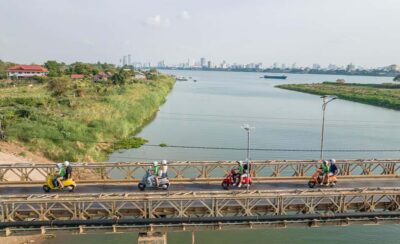
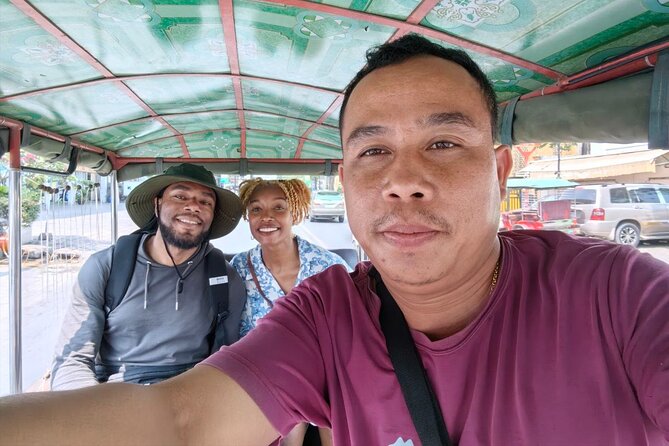
The day starts in Phnom Penh at the G Mekong Hotel area, near Orussey Market. You meet up, then transfer by tuk tuk toward the river crossing and the Silk Island side. Even before you reach the main stops, the motion matters. This route doesn’t feel like a quick bus drop. It’s slow enough that you can watch real roadside life and notice how the countryside changes once you get off the busy Phnom Penh rhythm.
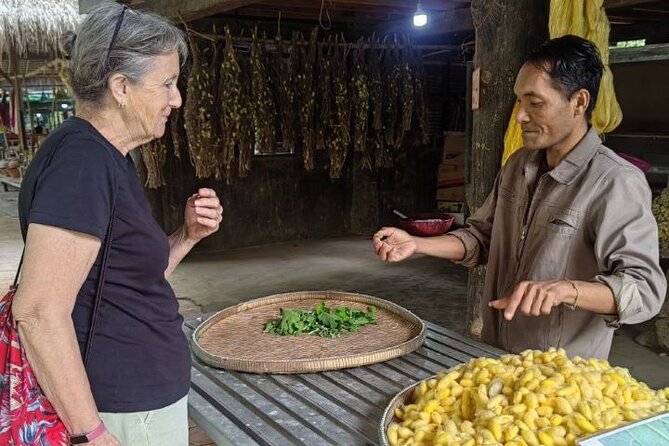
A professional English-speaking guide is part of the package, and that matters here because the tour is built around tasks and materials. Silk and dye work aren’t always easy to understand on first look, so having a guide who can translate what you’re seeing helps you connect the dots instead of just taking photos.
Logistically, the tour runs about 4 to 5 hours. That’s long enough to feel like a mini-adventure, but not so long that you’ll dread the heat all day. Still, you’ll be outside, walking a bit, and moving between stops, so plan to keep your energy steady.
You can also read our reviews of more tours and experiences in Phnom Penh.


Stop 1: Mekong Silk Island 099 and the old-school silk scarf
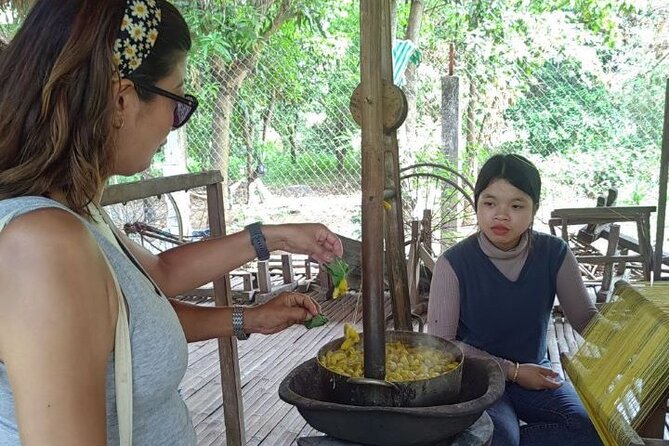
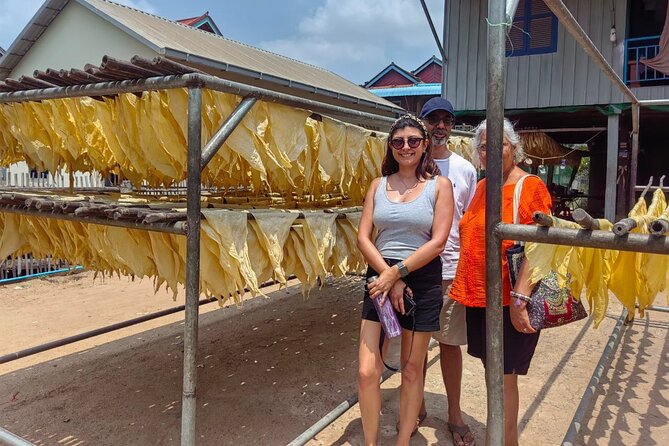
At Mekong Silk Island 099, you’ll get your first real taste of what makes this tour special: a demonstration of silk making by hand. The experience isn’t just a quick showroom. You’re shown the process from early stages through finished products, including the part where the silk production begins with the moth life cycle. Seeing that early phase is a useful reality check, because so many people only think about the final scarf.
If your goal is to buy something, this is where you’ll get your clearest sense of value. You’ll be able to understand why certain scarves and textiles cost what they cost: the time, the steps, and the labor involved. The tour description also points to opportunities to purchase items you can see being made on-site, which is one of the best ways to shop without feeling rushed.
What to expect in this stop:
- A guided look at the silk material process
- Time to watch artisans work and ask questions
- A chance to buy a scarf after seeing it made
The only real drawback here is also the most common one for craft demonstrations: it can be easy to over-shop. If you’re not sure what to look for, decide in advance whether you want a souvenir, a gift, or something you’ll actually use. That keeps your budget under control.
Koh Dach Silk Farm: weaving, pottery, dyeing, and wood carving
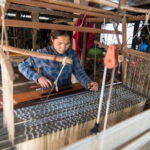
Next you head to Koh Dach for a deeper look at local craft production. This is where the tour broadens beyond silk. You can see traditional handicraft processing that includes silk weaving, plus pottery, dyeing, and wood carving.
This stop is valuable for two reasons. First, it shows you that Koh Dach isn’t a single-industry place. It’s an ecosystem of trades where materials and skills overlap. Second, it gives you a better sense of what your money supports. When a community makes multiple items through traditional methods, it usually means there’s more than one livelihood depending on visitors and on local demand.
The stop timing is about 2 hours, which is a good amount of time to watch more than one craft moment. It’s also a good window to slow down, ask what’s happening, and notice the tools and steps that repeat across crafts. Dyeing, for example, tends to connect to fabric work in a way you can actually see, not just read about.
If shopping is part of your plan, the tour description notes that you can pay a visit to local work areas for purchases. I’d treat this as a chance to buy thoughtfully. Ask what’s made there versus what’s finished elsewhere, and don’t be afraid to compare what you see across different points in the day.
Pagoda, market, and farm life on Koh Dach
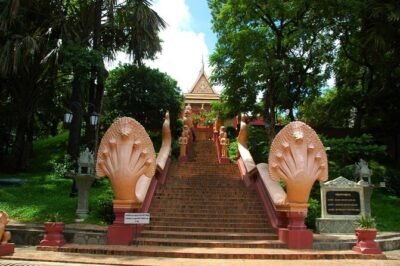
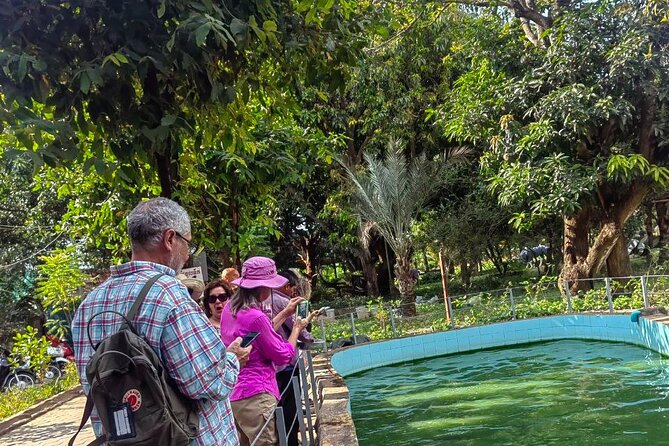
After the craft farm stop, you’ll move to another Koh Dach segment that focuses on daily life. This part of the tour includes a local pagoda, plus a village and market, with everyday farmers and what they produce.
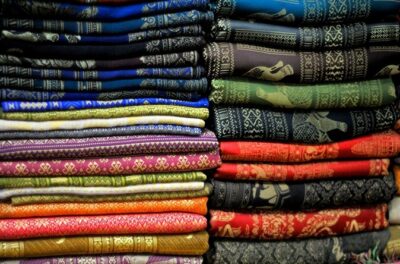
Here, the emphasis shifts from making to living. You’ll see products including mosquito nets, silk sarongs, and several named textiles—like phamuong, Hol, and silk krama—made through traditional ways. Even if you don’t know the exact weaving terms, the value is that you get context. These textiles aren’t just goods for sale; they’re connected to work, routine, and the way people earn a living.
The market and village stop is also a reality check on expectations. It helps you see that the silk story is only one thread in a bigger fabric of life: farming, home production, and local trade. For a lot of people, that makes the day feel more authentic, not less.
What I like most about this section is the rhythm. It breaks up the craft focus and adds a spiritual and community element through the pagoda visit. It also gives you time to rest your eyes after watching lots of process work up close.
Possible consideration: markets can be busy and active. If you prefer quieter, slower pacing, go in with the mindset that you’re there to observe and learn—not to browse endlessly.
Ferry back to Phnom Penh: timing and how to plan the rest of your day
At the end, you return by ferry to Phnom Penh. This isn’t just transportation. It’s a nice reset. By the time you’re heading back, you’ve covered crafts, daily life, and the silk demonstration. The ferry gives you a bit of open air and views of the river setting that connect the whole day.
The tour ends back at the meeting point at the G Mekong Hotel area. With about 1 hour allocated for this final stretch, you can usually plan your evening meal without feeling like you’ll arrive too late—assuming you’re not scheduling a super strict dinner reservation.
One practical tip: because this tour is weather-dependent, keep your afternoon flexible in case your guide adjusts timing to match conditions.


Price and value for $80: what you’re paying for
At $80 per person, this tour sits in a mid-range category for Phnom Penh day trips. The main question is whether you feel like you got more than a basic sightseeing loop. In this case, the value comes from three things that are actually included:
- A professional English-speaking guide
- Tuk tuk with a safe driver, plus bottled water and snacks
- All entrance fees for the stops
You’re also getting multiple types of experiences packed into one outing: an in-depth silk-making demonstration at Mekong Silk Island 099, a Koh Dach artisan craft session with multiple trades, and a pagoda plus village-market stop. That variety matters, because it keeps the day from feeling repetitive.
Also, small group size helps here. With a max of 20 travelers, you’re less likely to feel like you’re one of many faces in a rush. That translates into more time to ask questions and get a real explanation when you’re standing right in front of a working craft process.
Finally, there’s a planning reality: the tour is often booked around 14 days in advance on average. If you’re traveling during a busy season or on a tight schedule, I’d plan early so you can pick a date that matches good weather.
Who this tour suits best (and who should skip it)
I think this tour is a great match if you want authentic craft and village life without spending the whole day driving. It’s especially good for:
- People who like seeing process (how something is made), not only finished products
- Anyone shopping for one meaningful textile souvenir, after understanding what goes into it
- Travelers who want culture beyond museums, including a pagoda and everyday market life
It may be less ideal if you’re looking for a purely fast, high-energy sightseeing day. There’s enough walking and outdoor time to feel warm, and the day depends on weather. Also, if your definition of a great tour is only big landmarks or long panoramic views, this focuses more on hands-on work and local daily life.
FAQ
FAQ
Where does the tour start?
It starts at G Mekong Hotel in the Orussey Market area, located at 419 មហាវិថី ព្រះមុនីវង្ស (៩៣), Phnom Penh 12257, Cambodia.
How long is the Silk Island Tuk Tuk Tour?
The duration is about 4 to 5 hours.
How much does it cost?
The price is $80.00 per person.
Is there an English-speaking guide?
Yes. The tour includes a professional English-speaking tour guide.
What’s included in the price?
Included: tuck tuk and a safe driver, bottled water, snacks, a professional English guide, and all entrance fee tickets.
Is the ticket mobile?
Yes, the tour uses a mobile ticket.
How many people are in a group?
This activity has a maximum of 20 travelers.
Does the tour require good weather?
Yes. The experience requires good weather, and if it’s canceled due to poor weather, you’ll be offered a different date or a full refund.
Is cancellation free?
Yes. You can cancel for a full refund up to 24 hours in advance of the experience start time.
Do I visit multiple stops during the tour?
Yes. You’ll visit Mekong Silk Island 099, Koh Dach craft areas (including a silk farm), a local pagoda/village/market area, and then take a ferry back to Phnom Penh.
Should you book the Silk Island Tuk Tuk Tour?
Book it if you want a Phnom Penh day trip that feels grounded in real work: silk production shown from early stages, hands-on artisan crafts, and a pagoda + village-market look at daily life. You also get good built-in value at $80 because entrance fees, a professional English guide, tuk tuk transport, and snacks/water are all covered.
Skip or reconsider if you dislike outdoor time or you’re traveling with unpredictable weather plans. Since the tour depends on good conditions, you’ll enjoy it most when the day is bright and comfortable.
If you’re only choosing one craft-focused outing from Phnom Penh, this is the one that makes the process easy to understand and the souvenir choices feel more informed.