REVIEW · PHNOM PENH
2-Day Phnom Penh to Siem Reap and Angkor Wat Temples
Book on Viator →Operated by Cambodia Taxi Services · Bookable on Viator
Sunrise at Angkor starts the clock at 4:45 a.m. This 2-day Phnom Penh to Siem Reap drive mixes Tonle Sap village life, a stop at Skun Spider Sanctuary, and then the big UNESCO temple sights.
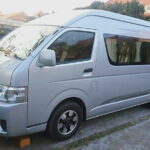
I like the private air-conditioned car plus an English-speaking driver (hi to Sithy, who makes the route feel easy). I also love the contrast between a wooden boat on Tonle Sap and the early-morning stillness at Angkor.
The one real drawback is planning ahead: the day starts early, you’ll be on your feet a lot, and temple entrance fees aren’t included in the $125 price.
In This Review
- Key highlights and what matters most
- Two Days Phnom Penh to Siem Reap: How This Plan Actually Feels
- Skun Spider Sanctuary in Spiderville Cambodia: What to Expect and How to Decide
- Kampong Kdei and Dragon Bridge: A 12th-Century Angkor Detour Worth the Time
- Tonle Sap Lake at Kompong Khleang: The Boat Ride That Gives You Context
- Angkor Wat Sunrise: Why the 4:45 a.m. Start Works
- Ta Prohm Jungle Temple: Crumbling Stone With Real Texture
- Angkor Thom and Bayon: Jayavarman VII, 8-Meter Walls, and the Faces
- Price and Logistics: Is $125 Good Value for Two Days?
- Who This Tour Suits Best (and Who Might Want Something Different)
- Should You Book This Phnom Penh to Siem Reap and Angkor Wat Tour?
- FAQ
- FAQ
- What is the price for the 2-day Phnom Penh to Siem Reap and Angkor Wat tour?
- What transportation is included?
- Are temple entrance fees included in the price?
- Is Angkor Wat included at sunrise, and what time does the tour start?
- Does the tour include lunch or accommodations?
- Can I choose to hire a temple guide?
- What is the cancellation policy?
Key highlights and what matters most
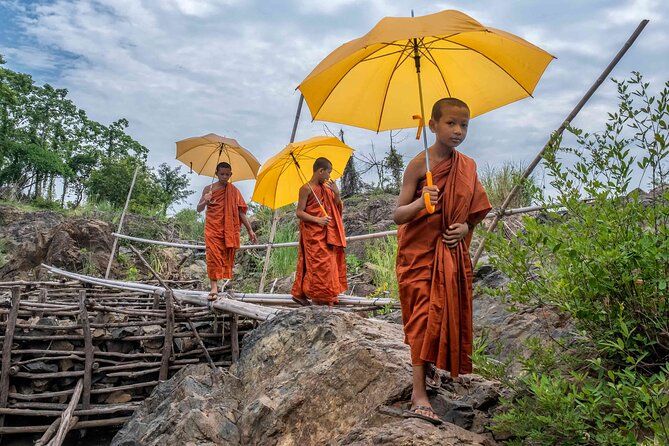
- 4:45 a.m. Angkor Wat sunrise with a focused temple window before the crowds build
- Skun Spider Sanctuary tasting option in Spiderville Cambodia, including fried tarantula and other insects
- Kampong Kdei and Dragon Bridge with its 12th-century Angkor-era arches
- Tonle Sap Lake boat ride to Kompong Khleang for a firsthand look at daily fishing life
- Ta Prohm’s jungle-overgrown ruins with vines and crumbling stone
- Angkor Thom and Bayon’s faces: 54 towers topped with Avalokiteshvara expressions
Two Days Phnom Penh to Siem Reap: How This Plan Actually Feels
This is a “get from A to B fast, see the classics, and still get real-life Cambodia” kind of trip. You’re in a private, air-conditioned car, with pickup and drop-off handled, so you’re not piecing together rides across cities. That matters because Phnom Penh to Siem Reap travel can be simple but stressful when you’re doing it alone—this keeps your energy for what you came for.
I also like that you’re not stuck only in temples. Day 1 has stops on the way that change the mood: you start with Skun (and the option to taste insects), then you shift to an Angkor-era bridge at Kampong Kdei, then you end with a boat ride on Tonle Sap Lake.
One more practical note: the trip is flexible based on weather, terrain, crowds, and your requests. That flexibility can be a big deal in Cambodia, where rain and timing can throw off an itinerary fast.
You can also read our reviews of more tours and experiences in Phnom Penh
Skun Spider Sanctuary in Spiderville Cambodia: What to Expect and How to Decide
Skun is often called Spiderville Cambodia, and the main reason it gets mentioned is food. There’s an option to try local delicacies, including fried tarantula and other fried insects. The tone here is casual. You’re not watching some formal performance—you’re making a choice: taste something local, or just watch and move on.
This stop is only around 15 minutes, and that short time is useful. You get the cultural curiosity without turning your day into an all-day insect venture. I’d treat it as a quick way to break up the long travel between major sights.
A few things to consider before you go:
- If you’re squeamish about eating insects, you can skip the tasting and still enjoy the spectacle of it all.
- If you do taste, go in with an open mind and expect it to be fried and crunchy, not like a traditional snack you’d find at home.
- Bring a little patience. Even for quick stops, this area is built around visitors deciding whether they want to try.
The real value of Skun for me is perspective. It’s a reminder that this part of Cambodia isn’t only temples and statues. People live, cook, and make business out of what’s local.
Kampong Kdei and Dragon Bridge: A 12th-Century Angkor Detour Worth the Time
After Skun, you head to Kampong Kdei, a place that feels quieter than the big Angkor ticket hubs. The highlight is an old Angkor route stop plus Dragon Bridge (also known locally as Spean Praptos). This bridge dates back to the 12th century and is known for having over 20 arches.
What I like about this stop is how it changes your “Angkor brain.” Many first-timers only think of temples as stone blocks in forest. Kampong Kdei shows something different: infrastructure and routes—how people moved around a Khmer world.
Also, with only about 15 minutes here, you’re not going to get tired. You get a snapshot, a few photos, and then you’re back on the road toward something more immersive on Day 1.
Potential drawback: if you’re the type who hates quick photo stops, this might feel too short. But if you’re on a two-day schedule, these quick detours are how you avoid leaving with a checklist-only trip.
Tonle Sap Lake at Kompong Khleang: The Boat Ride That Gives You Context
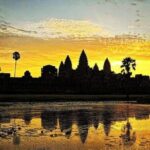
Then comes the stop that tends to stick with people: Tonle Sap Lake and the visit to Kompong Khleang, described as one of the largest and least visited villages on the Great Tonle Sap Lake.
You take a wooden boat to get to the village areas, and that ride is your first real clue that this trip isn’t only about landmarks—it’s about everyday life. Tonle Sap is tied to fishing routines, seasonal rhythms, and the way communities build homes and work around the water.
You should know two practical things:
- The boat/village time is about 1 hour, and admission for this stop is listed as not included, so plan for that cost separately.
- You’ll likely be exposed to the elements more than at temples. Bring basic protection like a hat and plan for sun and dust.
The best way to approach Kompong Khleang is respectfully and quietly. You’re being shown a working life, not a staged attraction. Even if you only understand bits of what you hear, the setting will do the explaining.
This is also where the whole tour starts to make sense. Angkor is grand and monumental—but Tonle Sap is where people’s daily choices shape what Cambodia looks like today. The contrast makes both parts more memorable.
Angkor Wat Sunrise: Why the 4:45 a.m. Start Works
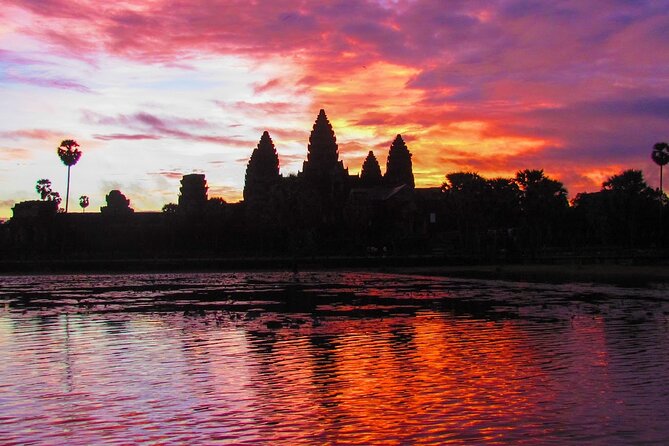
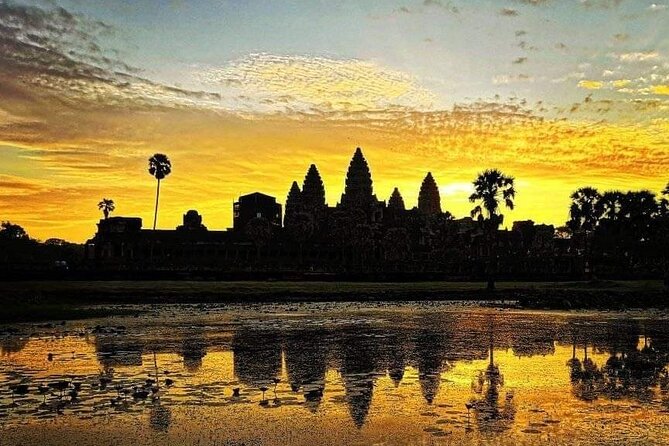
Day 2 begins early: you meet at the hotel lobby at 4:45 a.m. for the drive to see Angkor Wat at sunrise. The temple is called the largest religious building in the world, and that reputation isn’t just marketing. The big reason sunrise matters is simple: the light and the air feel different, and you’re not starting your visit when the day is already hot and loud.
You’ll have about 2 hours at Angkor Wat. That’s a smart amount of time on a two-day itinerary. It gives you enough minutes to take in the main views without rushing yourself through every single corner.
Entrance fees aren’t included, and that’s worth keeping in mind when you budget. If you’re trying to track total cost, you’ll want to add temple admission on top of the $125.
Practical advice for this morning:
- Wear shoes you can walk in for a long time.
- Bring layers. Early mornings can feel cooler than you expect.
- If you plan to take photos, give yourself a minute to adjust—sunrise timing is fast once the light changes.
Sunrise at Angkor Wat is the core “why this tour exists.” It turns the rest of Day 2 from a big sightseeing day into something that feels more like a pilgrimage to an iconic place.



Ta Prohm Jungle Temple: Crumbling Stone With Real Texture
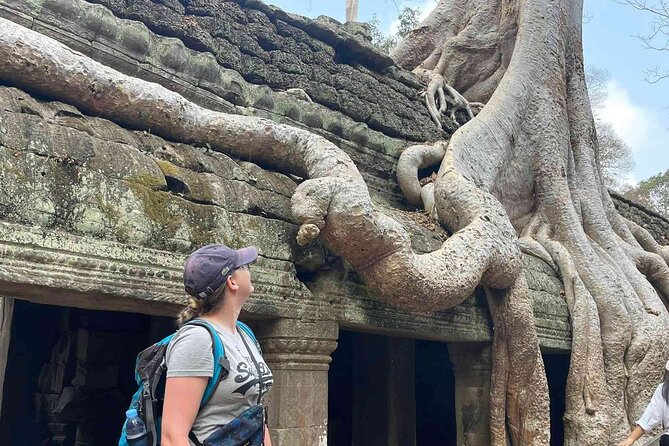
After sunrise, you return to the hotel for breakfast and a bit of rest—then you head out to Ta Prohm, the famous jungle temple.
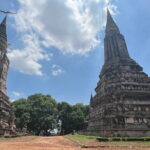
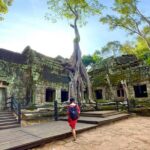
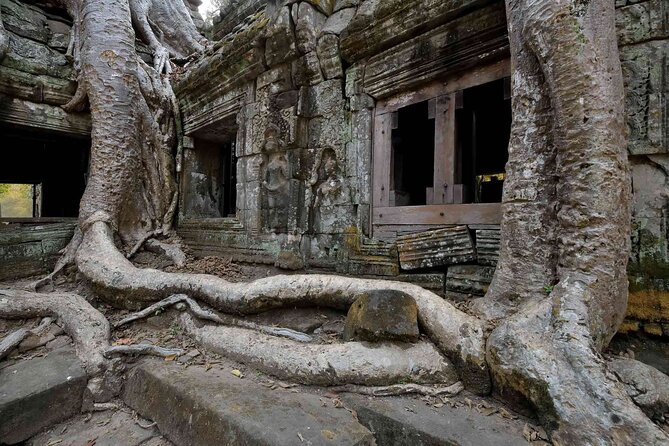
Ta Prohm is unique for how it looks overgrown: jungle trees and vines take hold of the ruins, and many sections are crumbling. You’ll get about 1 hour here. That’s enough time to slow down and notice details without feeling trapped in place.
Why I think Ta Prohm belongs on this route: it’s the emotional middle of the Angkor experience. Angkor Wat can feel symmetrical and formal. Ta Prohm feels messy—in the best way. It looks like time is still active, not frozen.
Potential drawback: because it’s so recognizable, Ta Prohm can attract crowds and photo-hungry momentum. Don’t try to sprint from spot to spot. Pick a few viewpoints and let your eyes adjust to the mix of stone, roots, and gaps where vines have taken over.
Angkor Thom and Bayon: Jayavarman VII, 8-Meter Walls, and the Faces
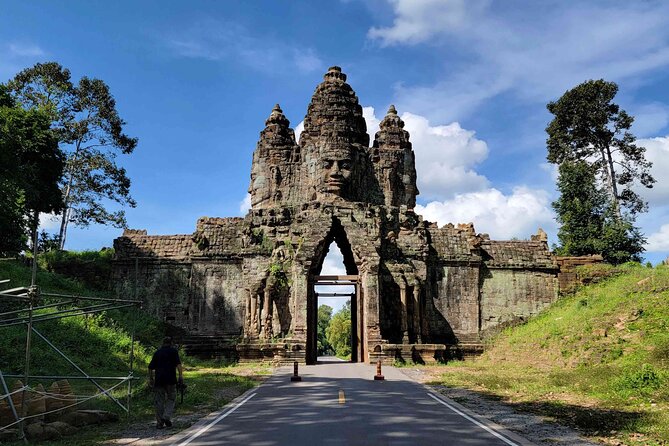
Next up is Angkor Thom, described as the last capital of the Great Khmer Empire under Jayavarman VII. It’s surrounded by an 8-meter-high wall and forms a perfect square layout. You enter the city from a gate (the tour text doesn’t specify which one), but the feeling is the same: you move from “outside road life” into a walled, ancient grid.
You’ll spend a short stretch getting oriented at Angkor Thom—about 15 minutes—before heading to Bayon Temple.
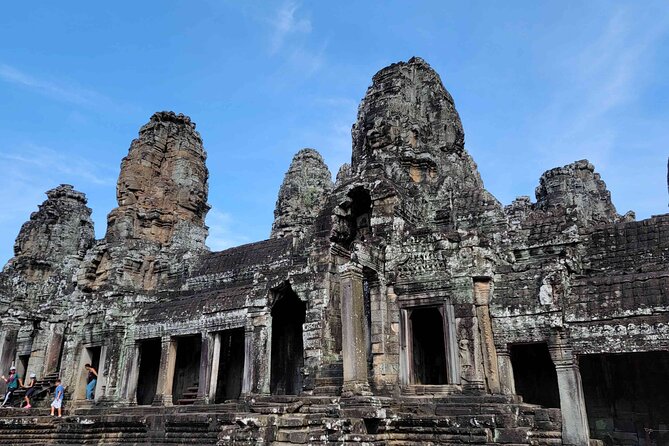
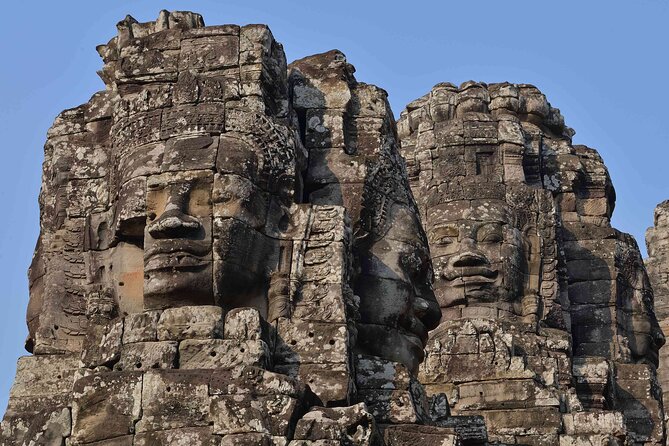
Bayon is the highlight. You’ll see 54 towers, each crowned with the four faces of Avalokiteshvara, often described as carrying a resemblance to the king. The mood at Bayon is different from Angkor Wat. It feels more watchful, like the temple is looking back at you from every direction.
You’ll have around 45 minutes here, which is a good match for Bayon because:
- The faces invite multiple angles.
- Small changes in light can make the expressions seem different.
- It’s easier to take your time when you’re not trying to conquer the whole complex in one pass.
The most useful tip: pick one or two towers to return to mentally. You’ll notice details faster when you’re not running between every corner.
Price and Logistics: Is $125 Good Value for Two Days?
At $125 for roughly 2 days, this tour can be a strong value—if you know what you’re paying for. Here’s the big picture of what’s included:
- Private air-conditioned car
- Professional English-speaking driver
- Gasoline, tolls, and parking fees
- Airport and ferry port pickup and drop-off
- Driver’s expenses (meals and accommodation)
- Pure drinking water
- Mobile ticket
You’re also in a private setup where only your group participates. That reduces the stress of waiting around for strangers and makes the schedule feel tighter in a good way.
The part you should budget for separately is entrances. The tour clearly lists that entrance fees are not included as detailed in the itinerary, and temple entry is not included for Angkor Wat, Ta Prohm, Angkor Thom, and Bayon.
So how do you judge the real cost? Think of it like this:
- You’re paying for transport and a driver to handle the route and timing.
- You’re paying for the experience sequence (sunrise + temple circuit + Tonle Sap boat ride + key detours).
- You’re not paying for temple admissions and stop admissions that are marked as not included.
If you hate early mornings or you only want to do temples on your own schedule, this may feel pricey once you add entrance fees. If you want a guided structure that gets you to the right places in the right order, it’s a practical way to spend two days.
Who This Tour Suits Best (and Who Might Want Something Different)
This works especially well if:
- You’re doing Cambodia for the first time and want a clear, organized plan.
- You want the big Angkor Wat sunrise moment without dealing with transport headaches.
- You like the idea of mixing temples with local life, not just stone monuments.
- You appreciate a driver who can keep the day moving and explain what you’re seeing. Sithy stood out for being both friendly and knowledgeable, which makes the whole route feel smoother.
You might reconsider if:
- The idea of tasting fried insects at Skun feels like a deal-breaker. You can skip it, but it’s still part of the route.
- You dislike early starts. The 4:45 a.m. pickup is non-negotiable in this plan.
Should You Book This Phnom Penh to Siem Reap and Angkor Wat Tour?
Yes, I’d book this if you want structure, not chaos. Two days is tight, and this plan uses that time wisely: it adds a Tonle Sap boat ride on Day 1, then makes Day 2 start with sunrise at Angkor Wat before the day fully heats up.
I’d especially recommend it for people who value practical comfort—private air-conditioned transport, English-speaking driver, and a schedule built around seeing the temples in a workable order. The driver detail isn’t small here. When someone like Sithy keeps you oriented, you spend less time figuring out logistics and more time noticing what’s right in front of you.
If you’re the type who wants total independence or you strongly prefer to set your own temple pace, this might feel a bit too scheduled. But for most visitors trying to cover the essentials without missing the best light at Angkor Wat, this tour makes a lot of sense.
FAQ
FAQ
What is the price for the 2-day Phnom Penh to Siem Reap and Angkor Wat tour?
The price is $125 for the approximately 2-day experience.
What transportation is included?
You get a private air-conditioned car with a professional English-speaking driver, plus gasoline, tolls, and parking fees. Pickup and drop-off at the airport or ferry port are also included.
Are temple entrance fees included in the price?
No. Entrance fees are not included as detailed in the itinerary, including the Angkor and other temple stops.
Is Angkor Wat included at sunrise, and what time does the tour start?
Yes. You meet in the hotel lobby at 4:45 a.m. to travel to Angkor Wat for sunrise.
Does the tour include lunch or accommodations?
No. Accommodation, foods, and beverages are not included.
Can I choose to hire a temple guide?
A professional temple tour guide is listed as optional, so you can choose to add one if you want.
What is the cancellation policy?
Cancellation is free up to 24 hours in advance of the experience start time for a full refund.
If you want, tell me your travel month and whether you’re more interested in temples, local life, or food stops, and I’ll suggest a simple packing list and pacing plan around this exact schedule.