REVIEW · PHNOM PENH
Oudong Mountain And Floating Village Cycle Tour
Book on Viator →Operated by Vana Adventure Travel · Bookable on Viator
Cycled roads through real Cambodia life. This day tour from Phnom Penh mixes Tonle Sap floating villages with rice paddies and artisan stops, then caps it with the Oudong Hill climb to giant Buddha and royal stupas. I especially love the way the ride goes past working communities—fishing life, craft villages, and even Muslim neighborhood temples—so it feels like a human-scale day, not a photo-only loop. The early start and the steady pedaling over mixed paths mean it’s best if you’re comfortable with a moderate fitness level; an e-bike option helps if you’re on the edge.
The best part for me is the blend: village cycling, wetland bird habitat along Tonle Sap, and a viewpoint payoff that actually feels earned. You also get a guided connection with local artisans in silver and bronze craft villages, plus a Khmer lunch with fresh fruit to reset your energy. One thing to consider is weather: this experience requires good conditions, and if it’s canceled due to poor weather, you’ll be offered a different date or a refund.
In This Review
- Quick hits: what makes this ride special
- Tonle Sap by bike: why this is more than a scenic detour
- Price and logistics: what $85 gets you (and why it feels fair)
- The morning rhythm: leaving Phnom Penh toward Udong Mountain
- Silver and bronze craft villages: the artisan stops that make it stick
- Tonle Sap wetland birds and lake-edge scenery: what to watch for
- Oudong Hill climb: giant Buddha, royal stupas, and the earned views
- Khmer lunch and fruit break: the reset point you’ll appreciate
- The bike and guide setup: what I think you’ll value most
- Who this tour fits best (and who should pick another option)
- Should you book the Oudong Mountain and Floating Village Cycle Tour?
- FAQ
- What’s the duration of the Oudong Mountain and Floating Village cycle tour?
- What time does the tour start?
- How much does the tour cost?
- Does the tour include hotel pickup and drop-off?
- What bike and safety gear are provided?
- Is lunch included?
- Does the price include the ferry crossing fee?
- Is an e-bike available?
- How big is the group?
- What happens if the tour can’t run due to weather?
Quick hits: what makes this ride special
- Floating villages + rice fields: you’ll pedal through the working scenery around Tonle Sap, not just look at it from a car window.
- Artisan stops (silver and bronze): you get a real face-to-face moment with craft villages along the route.
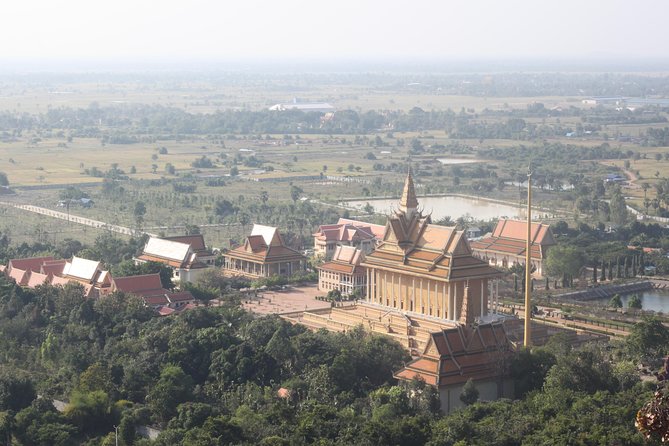
- Oudong Hill viewpoint: the climb leads to a giant Buddha and royal stupas, with sweeping countryside views.
- Small group vibe: maximum of 12 travelers, so the pace and stops feel less rushed.
- Hotel pickup plus support: pickup/drop-off and a supported vehicle keep the day moving smoothly.
- Value add-ons included: ferry crossing fees, purified water, helmet, and a Khmer lunch are in the price.
Tonle Sap by bike: why this is more than a scenic detour
This is the kind of tour that fixes a common Phnom Penh problem. You can spend a bunch of time chasing temples in the city—and they’re great—but you still end up missing what daily Cambodia looks like. This ride sends you out toward Tonle Sap Lake and the communities tied to it, where life shifts with the water and the seasons.
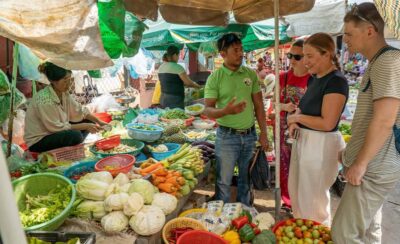
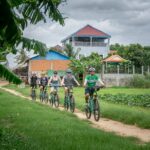
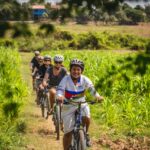
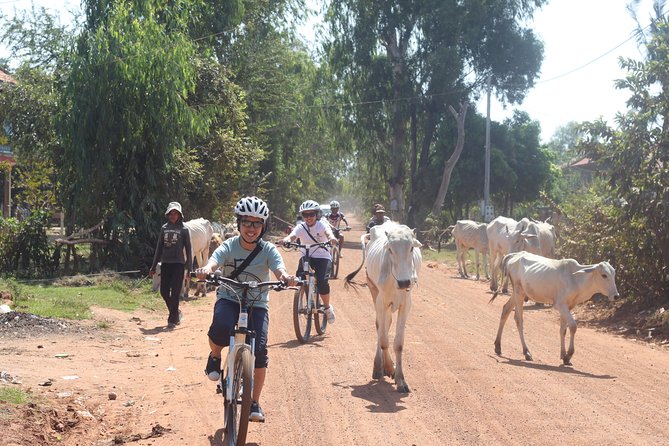
Cycling changes your relationship with the place. You don’t just pass through; you notice. You spot small boats, roadside gardens, and families living close to the shoreline and fields. The route also includes paddy rice fields, so you’ll see more than one version of “countryside.”
And yes, you do get countryside views from higher ground later. But the best part is the middle of the day—the steady rhythm of pedaling while the scenery stays local.
You can also read our reviews of more cycling tours in Phnom Penh
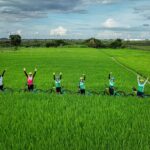
Price and logistics: what $85 gets you (and why it feels fair)
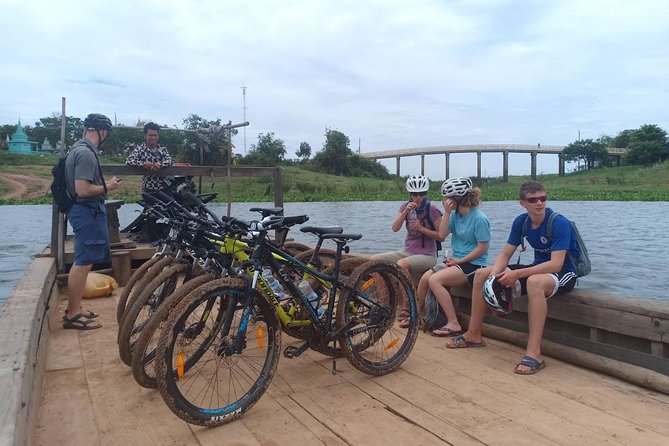
At $85 per person, this tour is priced for a full day that’s doing real work: bike time, ferry time, and transport coordination. You’re not paying extra for the big essentials. Hotel pickup and drop-off are included, and so are the Cannondale mountain bike and a helmet.
It’s also not just “ride and disappear.” You get an English speaking cycle guide, purified drinking water, and some tropical fruits during the morning. Lunch is included too: a local Khmer restaurant meal plus more fresh fruit.
The ferry crossing fee is included, and there’s a supported vehicle to help keep the day practical. That means if you’re tired, the logistics don’t fall apart—you’re still on track for the route.
Two practical notes from the info you should plan around:
- An e-bike is available to rent for a special rate of $20. If you’re worried about hills or endurance, it’s worth having as a backup.
- This is a 9-hour day starting at 7:30 am, so you’ll want to be awake early and hydrated.
The morning rhythm: leaving Phnom Penh toward Udong Mountain
You start at 7:30 am with pickup, then head out for a countryside-focused ride. The route time and effort add up to about 40 kilometers toward the Oudong area (that distance comes up in the ride experience), so this isn’t a casual stroll.
The payoff starts before the climb. Around the river and lake edges, you’ll cycle through areas where you can clearly see how people live alongside the water—pretty floating villages, farming zones, and fishing community life. You’ll also pass Muslim community areas and Buddha temples, which gives the day a more accurate picture of Cambodia’s everyday variety.
The ride also gives you that “fresh air reset.” The info notes a breezier feeling from the river, which matters in Cambodia heat. And you’ll get tropical fruits and purified water early enough to keep you from turning the pedals into a struggle.
If you’re the type who likes clear structure, this day helps. The guide keeps you moving between different community zones, so you’re not stuck wondering where to look next.
Silver and bronze craft villages: the artisan stops that make it stick
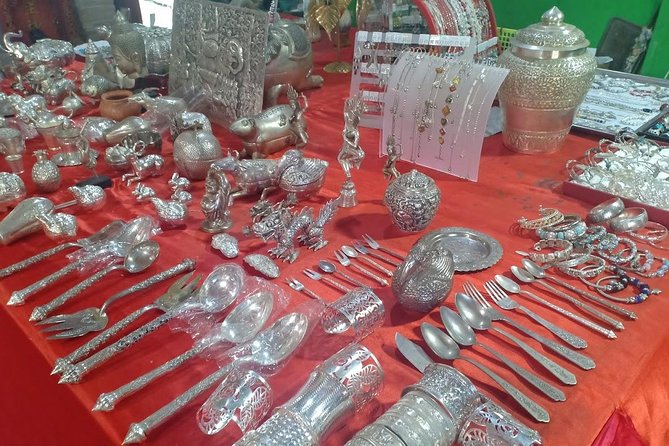
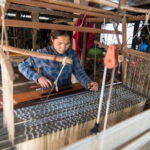
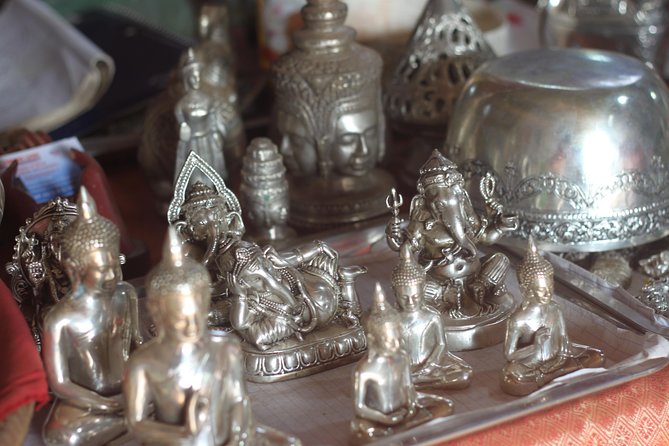
One of the most memorable parts of the day is the chance to visit silver and bronze handicraft villages and connect with local artisans. This is the opposite of the typical tourist shortcut where you just see a shop and move on.
Instead, the focus is on the people doing the work. You’ll learn from villagers during the visit, and that changes how you see the objects you might otherwise treat as souvenirs. Even if you don’t buy anything, you’ll walk away with a better sense of how craft supports livelihoods in these rural areas.
There’s a practical reason I like this kind of stop on a bike tour: it breaks up the physical rhythm. Pedaling is steady; craft visits are slower and conversational. That balance keeps the day feeling human-scale.
Tonle Sap wetland birds and lake-edge scenery: what to watch for
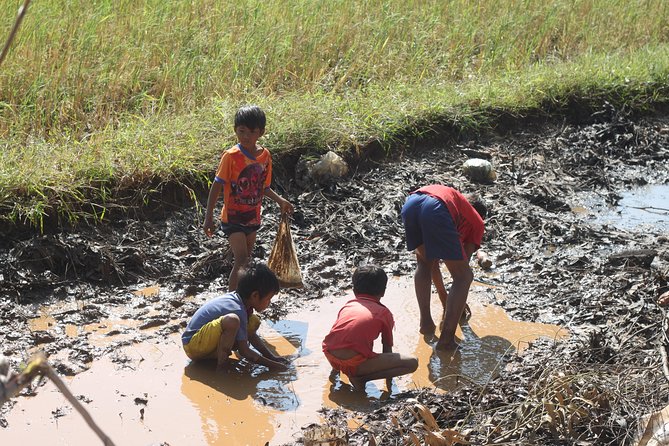
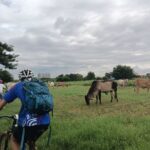
Tonle Sap is known for wetlands, and this tour doesn’t ignore that. One of the highlights is seeing wetland birds in their natural habitat. If you’re someone who enjoys spotting wildlife, this adds a layer beyond the “villages and temples” checklist.
Even when birds are quiet (because, well, birds do their own scheduling), the wetland setting helps you understand why people live here the way they do. You’ll be moving through areas tied to water and seasonal change, with rice fields and countryside showing how agriculture and the lake connect.
Tip from how these tours play out: keep your eyes moving. Don’t stare at one spot for ten minutes. You want quick scans as you ride past—then stop when your guide points something out.

Oudong Hill climb: giant Buddha, royal stupas, and the earned views
After the village and artisan portion, the day turns toward the main vertical challenge: the climb up Udong Hill. This is where many people realize the ride is not only scenic—it’s also an accomplishment.
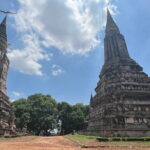
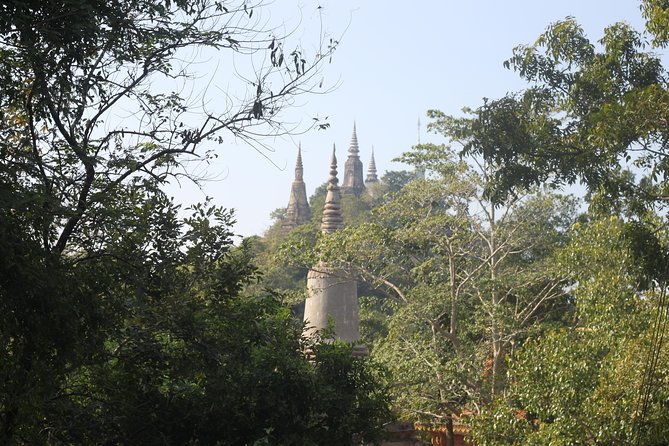
At the top, you’ll see a largest Buddha statue plus royal stupas. The info also frames Udong as a former royal capital of Cambodia from the 17th to the 19th centuries, which gives the site extra context beyond “big statue, good photos.”
The views are a real payoff. You get to look out over Cambodia’s countryside from the hill. And because you’ve already been riding through river and farmland zones, the landscape (literally the geography) makes more sense. You can match what you saw earlier with what you’re seeing now from above.
Is it strenuous? It can be, depending on your pace and how warm it is. But the structure helps: you’re not doing everything at once. You’ve had fruit and water earlier, you’ve visited calmer stops, then you climb.
If you want to reduce the effort, the e-bike option for $20 is the practical workaround mentioned in the details.
Khmer lunch and fruit break: the reset point you’ll appreciate
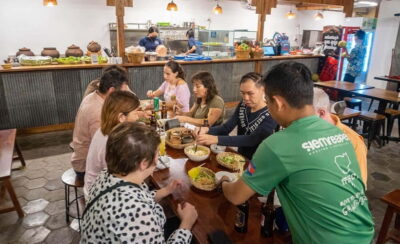
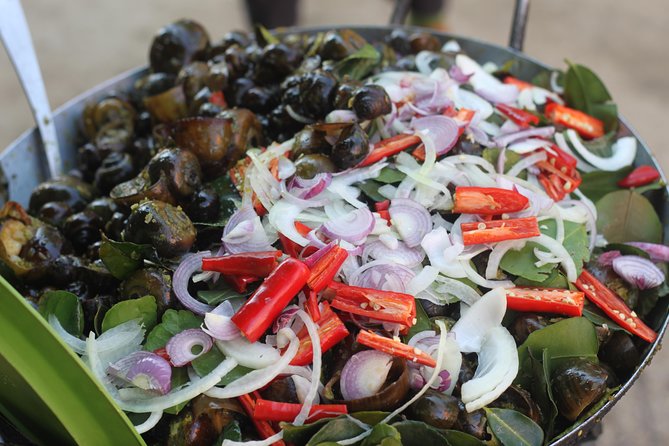
Some tours cram “cultural stuff” into a long day and forget to feed you properly. This one includes a local Khmer lunch, plus fresh fruit as part of the day’s recovery.
This matters more than it sounds. After hours of cycling and then a hill, your body wants normal food and steady energy—not just snacks. The lunch stop also gives you a social break where you can chat with your guide and just catch your breath.
If you’re sensitive to spicy food, you might still want to ask what’s in the meal when you sit down, but you’re covered on the basics. At least you won’t be stuck paying for lunch at the exact wrong time.
The bike and guide setup: what I think you’ll value most
This tour includes a Cannondale Mountain Bike and a helmet. Mountain bikes are a smart choice here because you’re moving through mixed countryside routes where surfaces can be inconsistent. You also get an English speaking cycle guide, which is key for turning stops into meaning.
One thing I appreciate is the “don’t drop the day” planning: pickup and drop-off, plus a supported vehicle. Even if you’re strong, it’s reassuring to know the tour is set up to handle real-world pacing and tired legs.
And with a maximum of 12 travelers, you’re less likely to feel like a numbered seat in a bus-style schedule. That small group size usually makes it easier for the guide to keep an eye on the route flow.
Who this tour fits best (and who should pick another option)
This is a great match if you want:
- A full day outside Phnom Penh that still feels structured
- A hands-on view of rural Cambodia—floating villages, fishing communities, and craft villages
- Cycling plus a major cultural payoff at the top of Udong Hill
It’s a weaker fit if:
- You hate hills or you’re aiming for an ultra-easy ride
- You only want city sights and don’t want early starts
- Bad weather throws you off (the tour requires good weather and can be rescheduled or refunded)
If you’re somewhere in the middle—average fitness, some biking experience—this is still doable. The “moderate physical fitness level” note is honest, and you can always rent the e-bike if you want to enjoy the scenery more than the sweat.
Should you book the Oudong Mountain and Floating Village Cycle Tour?
If your goal is to see beyond Phnom Penh’s temple circuit, I’d book this. The value isn’t only in the $85 price tag—it’s in what’s included and how the day is paced: pickup, helmet, water, lunch, ferry fees, a small group, and the guided connection to artisan life.
I’d especially book it if you like routes that feel like real geography—rice fields, lake edges, and craft villages—then you finish with a viewpoint that gives meaning to what you rode through.
If you’re unsure about the physical side, don’t gamble on willpower. Consider the e-bike option for the $20 add-on, or plan to go at an easy pace from the start.
In a city packed with famous sights, this one is for people who want a day that feels practical, local, and quietly memorable.
FAQ
What’s the duration of the Oudong Mountain and Floating Village cycle tour?
It runs for about 9 hours.
What time does the tour start?
The start time is 7:30 am.
How much does the tour cost?
The price is $85.00 per person.
Does the tour include hotel pickup and drop-off?
Yes, pickup and drop-off are included.
What bike and safety gear are provided?
You’ll be provided with a Cannondale mountain bike and a helmet.
Is lunch included?
Yes. Lunch at a local Khmer restaurant is included, along with fresh fruit during the day.
Does the price include the ferry crossing fee?
Yes, the ferry crossing fee of Tonle Sap Lake is included.
Is an e-bike available?
Yes. An e-bike can be rented for a special rate of $20.
How big is the group?
The maximum group size is 12 travelers.
What happens if the tour can’t run due to weather?
This experience requires good weather. If it’s canceled due to poor weather, you’ll be offered a different date or a full refund.