REVIEW · PHNOM PENH
Oudong Mountain & Phnom Baset Private Tours from Phnom Penh
Book on GetYourGuide →Operated by About Cambodia Travel and Tours · Bookable on GetYourGuide
Old royal hills. Big views.
If you want a Phnom Penh day trip that mixes temples with Buddhist sites and crafts, this private route makes it easy. I like that you get a professional English-speaking guide and a comfortable private air-con vehicle, so the day feels smooth instead of rushed. The main trade-off is stamina: expect stair climbing and several short stops, so you’ll want to pace yourself and plan for walking.
You’ll start at Oudong, once the royal capital of Cambodia, then head to Phnom Baset for a pre-Angkorian temple and a reclining Buddha. After that, the tour threads in Tonle Sap area sights, silver-making villages, and two major Buddhist centers—ending with more temple time and scenic viewpoints from the surrounding plains.
In This Review
- Key Highlights Worth Knowing Before You Go
- Why Oudong and Phnom Baset Work So Well as a Day Trip
- Pickup, Private Air-Con Comfort, and What to Bring for the Climb
- Oudong Temple and the Stupas: 500 Steps, Royal History, and Meaningful Memory
- What you’ll experience
- A realistic drawback
- Phnom Baset: Pre-Angkorian Temple Energy and a Reclining Buddha
- Why this stop is worth your time
- Photo and walking rhythm
- Tonle Sap River Area and Koh Chen-Style Silver and Bronze Work
- How to make the most of the short time
- Scenic Stop on Phreah Reach Traop Mountain: Quick Views, Good Reset
- Khmer Food Market Stop: A Simple Cultural Break
- Practical tip
- Buddhist Meditation Centers: Sontte Wan’s Decoration and the Vipasana Center
- Sontte Wan Buddhist Meditation Center
- Cambodia Buddhist Vipasana Center
- The drawback to keep in mind
- Back Around Oudong: Gate to the Stupa and Wat-Style Temple Atmosphere
- Price and Value: What $25 Gets You for an 8-Hour Private Route
- Who This Tour Fits Best (and Who Might Skip It)
- Should You Book This Private Oudong and Phnom Baset Tour?
- FAQ
- How long is the Oudong Mountain & Phnom Baset private tour from Phnom Penh?
- What is the price per person?
- Do I get hotel pickup and drop-off?
- Is the tour guide available in English?
- Is this tour private?
- Are entrance fees included?
- Do I need cash for transport?
- What should I bring?
- Is free cancellation available?
Key Highlights Worth Knowing Before You Go
- Oudong’s royal capital legacy: 1618–1866 history plus huge stupas you can spot from far away
- A big stair-and-view moment: the hill climb runs 500 steps or more, with countryside views
- Phnom Baset’s 8th-century focus: a pre-Angkorian temple and a reclining Buddha
- Tonle Sap + Koh Chen-style crafts: you’ll see villagers making silver and bronze products
- Two standout Buddhist stops: Sontte Wan Meditation Center and a Vipasana center
Why Oudong and Phnom Baset Work So Well as a Day Trip
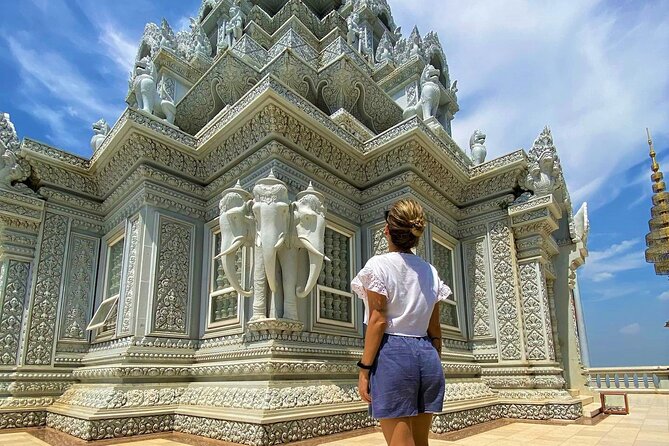
Oudong Mountain and Phnom Baset are one of those combinations that feel logical once you see them together. Oudong gives you the monumental, sweeping side of Cambodia’s past—temples and stupas spread across hills that look dramatic even from a distance. Phnom Baset shifts the mood toward spiritual calm, with an older temple complex and the visual focus of a reclining Buddha.
The value here is not just the sights. It’s the pacing and the guidance. A private format from Phnom Penh means you’re not stuck waiting for a bus to fill up, and an English-speaking guide helps you connect what you’re seeing to what it meant historically. You also get entrance fees taken care of, so you’re not hunting tickets mid-day.
You can also read our reviews of more private tours in Phnom Penh

Pickup, Private Air-Con Comfort, and What to Bring for the Climb
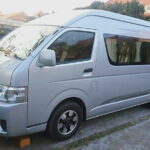
The day is built around a hotel pickup in Phnom Penh, with meet-and-greet service in your lobby. Then you transfer by private, comfortable air-con vehicle, which matters in Cambodia’s heat. Even with breaks, you’ll spend hours moving between viewpoints and temple areas, so the car becomes your reset button.
For what to pack, the essentials listed are simple: sunscreen and a hat. I’d treat those as non-negotiable because you’ll be outside for photos and walks—especially near the hilltop structures and viewpoints.
One more practical note: this route includes multiple short guided visits and photo stops. That’s great for covering ground, but it also means you’ll want a flexible mindset. You’ll enjoy more if you stop thinking of it as one long hike and instead as a sequence of “mini experiences” across different landscapes.
Oudong Temple and the Stupas: 500 Steps, Royal History, and Meaningful Memory
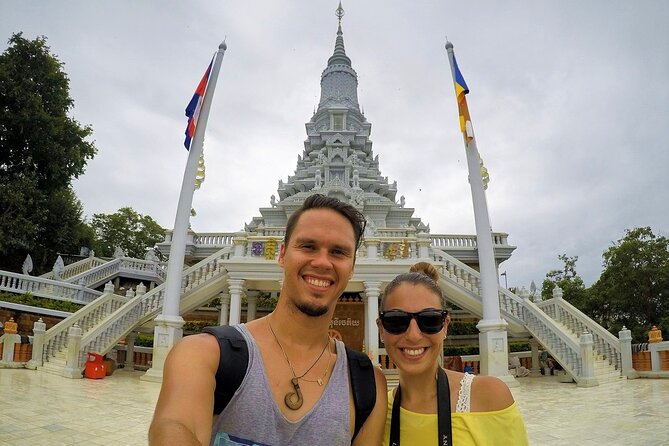
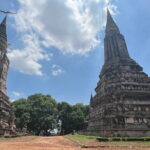
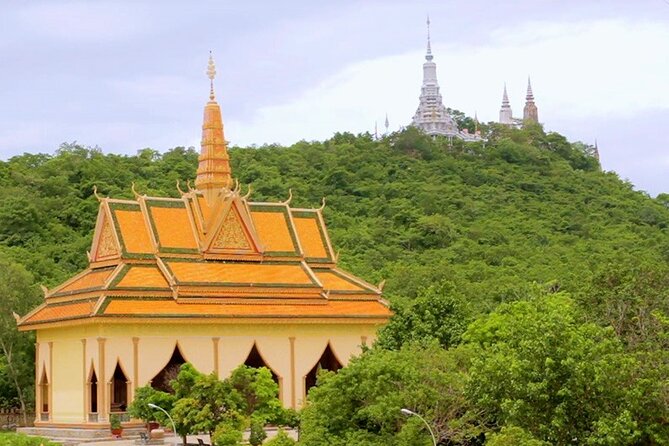
Udong is where the day turns from travel into something you remember. The royal capital era here ran from 1618 to 1866, before the capital moved to Phnom Penh. On top of that, the hill is covered with temples and stupas, including massive structures that can be seen from miles away. Even the first photo stop helps you understand why Oudong became important: the terrain gives visibility, and the structures dominate the skyline.
What you’ll experience
- A guided visit and time for photos around the Oudong temple area
- A walk on the hill where the climb can run 500 steps or more
- Views across countryside and rice fields when you reach higher ground
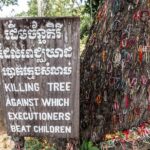
- A historical layer tied to the Khmer Rouge resistance in 1979 and a memorial for those murdered there
That last part matters. It’s easy to see a place like this as just a photo spot. With a guide, you get the context behind the scale of the stupas and why this hill carries both royal and modern Cambodian memory.
A realistic drawback
This is not a slow, shaded temple stroll. The steps and sun can feel like a workout, and the day keeps moving. If you’re sensitive to heat or have mobility limits, you might find the walking portion challenging. The good news is that you can still enjoy the views and many of the stops without treating the whole day like a fitness challenge.


Phnom Baset: Pre-Angkorian Temple Energy and a Reclining Buddha
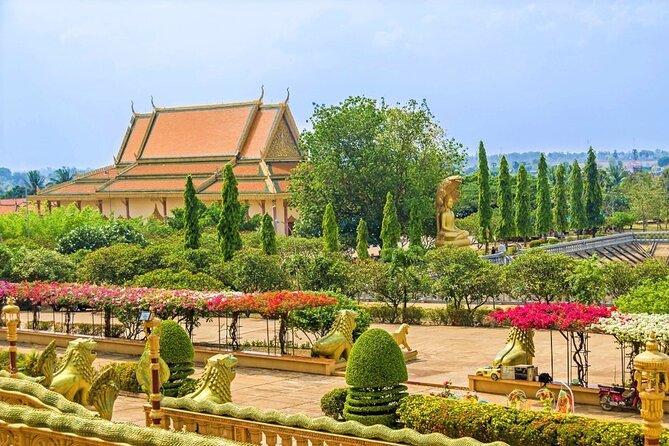
After Oudong, you’ll head to Phnom Baset, another hilltop stop, but with a different feel. This is where the tour gets a bit more “ancient-art focused.” You’ll visit a temple complex described as pre-Angkorian, dating to the 8th century, and you’ll also see a reclining Buddha.
Why this stop is worth your time
Phnom Baset gives you contrast. Oudong’s stupas and royal capital story are big-scale and historical. Phnom Baset is more about the temple’s craftsmanship and sacred imagery. A guide’s walkthrough helps you notice what you might otherwise miss—especially when you’re looking for the visual logic of temple layouts and religious symbolism.
Photo and walking rhythm
You’ll get a photo stop, a guided tour, sightseeing time, and a short walk window. That structure keeps you from burning the whole day in one place, but it still gives you enough time to orient yourself and enjoy the temple setting.
Tonle Sap River Area and Koh Chen-Style Silver and Bronze Work
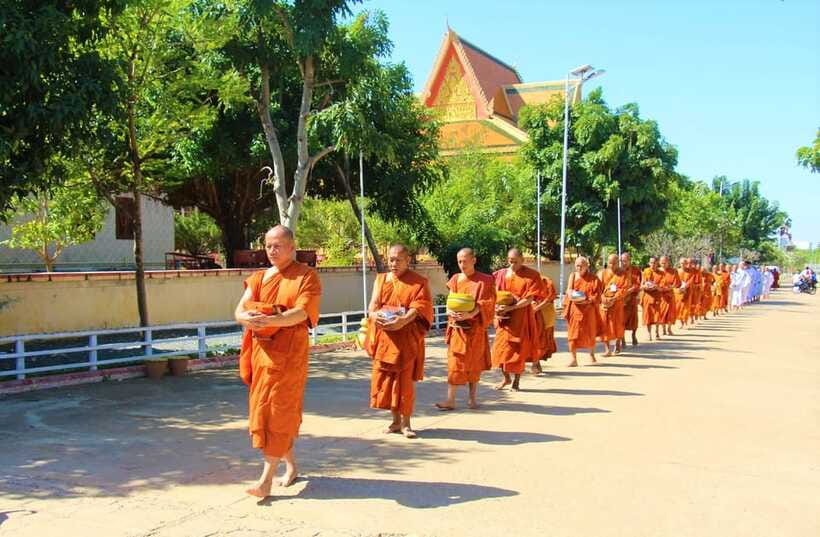
Next comes the Tonle Sap River region, where the tour adds a practical, everyday Cambodia layer. This stop is positioned as a visit connected with Koh Chen, a famous island area along the Tonle Sap river. Here, you can see villagers making silver and bronze products—items that supply Cambodia and also reach abroad.
This is one of the parts I like most because it’s not just heritage. It’s living craft. You see how an island community turns local skill into finished goods, and it gives you a different lens on Cambodia beyond temples.
How to make the most of the short time
The stop includes a photo moment and a guided visit, plus sightseeing time. If you want to buy something, keep an eye on what’s realistic to carry. If you’re not buying, focus on watching the process and asking your guide how the craft is used or sold.
One minor consideration: the time here is shorter than Oudong or Phnom Baset. So keep your expectations on “see and understand” rather than “tour a workshop like a local.”
Scenic Stop on Phreah Reach Traop Mountain: Quick Views, Good Reset
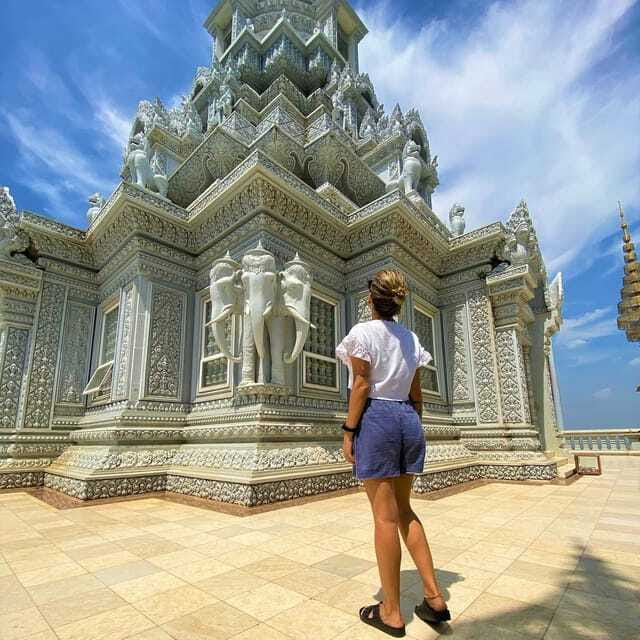
You’ll also pass by Phreah Reach Traop Mountain, with a short scenic stop that includes guided sightseeing and photo time. This is the kind of pause that helps the rest of the day click. After temples and craft visits, a view stop breaks up the schedule and helps you reposition mentally—especially if you’ve been walking in temple areas earlier.
Fifteen minutes is not long, but it’s long enough to grab skyline photos and appreciate how this region looks when you’re not staring straight at a single structure.
Khmer Food Market Stop: A Simple Cultural Break
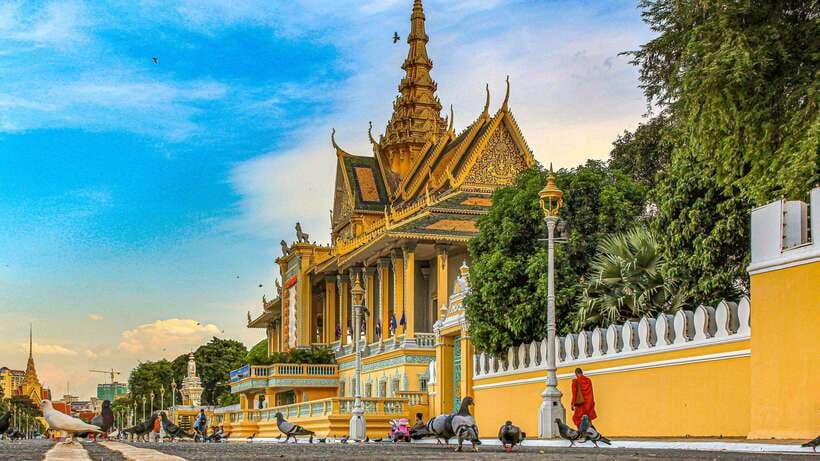
A Khmer Food Market stop gives you a change of pace. You get photo time and a guided walk with sightseeing, but the main value is how it makes the day feel local. Even if you don’t eat much, it’s a good moment to observe daily rhythms: what people buy, how stalls are set up, and what looks fresh.
Practical tip
Since you’re already outdoors for much of the route, use this market stop to hydrate and slow down for a few minutes. It’s one of the few built-in chances to reset before the more spiritual and craft-heavy segments later.
Buddhist Meditation Centers: Sontte Wan’s Decoration and the Vipasana Center
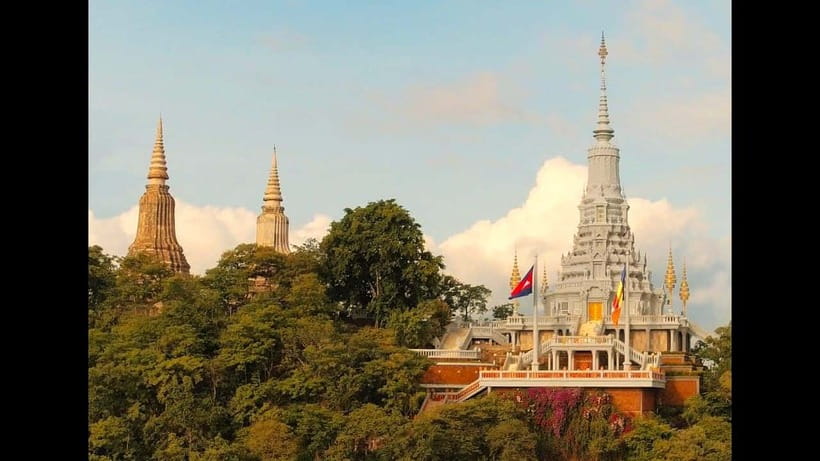
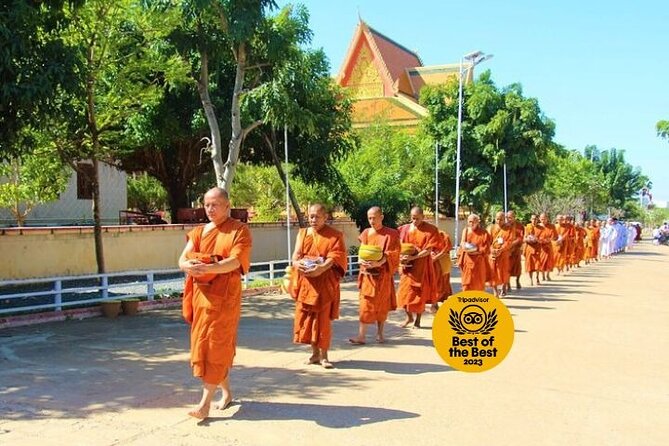
The tour doesn’t treat Buddhism as a single stop—it spreads it out. That’s smart, because Cambodian Buddhist practice isn’t one style or one look. You’ll visit Sontte Wan Buddhist Meditation Center and also a Cambodia Buddhist Vipasana Center.
Sontte Wan Buddhist Meditation Center
Sontte Wan is described as the largest Buddhist center in Cambodia, and you’ll be guided through a place noted for beautiful decoration. This is exactly the kind of site where a guide helps you see details that might otherwise blend together—patterns, ornamentation, and the overall design intent.
Cambodia Buddhist Vipasana Center
The Vipasana center adds another flavor. You’ll have photo stop time, guided tour time, sightseeing, and a short walk. With two different centers in one day, you get a broader picture of how peaceful spaces can be both visually impressive and culturally specific.
The drawback to keep in mind
Because these are spiritual sites, photography and movement rules can matter. The tour is set up with guided time, so just follow your guide’s lead and you’ll get the most out of it without stress.
Back Around Oudong: Gate to the Stupa and Wat-Style Temple Atmosphere
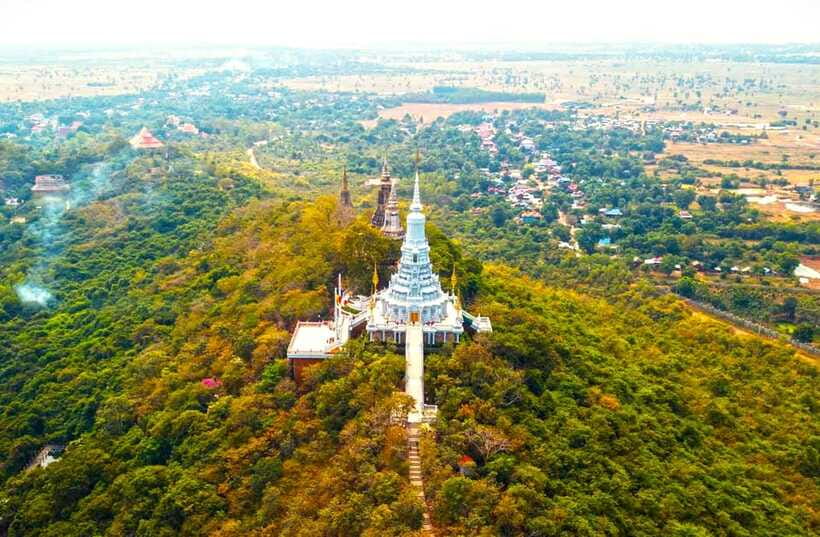
Later in the route, you’ll return to the Oudong area with a Gate to Udong Stupa stop. Again, you’ll get photo time, guided context, and a walk. This is a good chance to see Oudong from another angle—often literally, because you’re returning after other parts of the day have given your eyes new context.
Then the schedule continues with additional temple visits, including:
- Wat Preah Thama Srah: photo stop, guided tour, sightseeing, and a longer walk window, plus scenic viewpoints on the way
- Wat Sowann Thamareach: guided visit with sightseeing time
These last temple stops are where you can settle into the “quiet” part of the day. Even if the first half feels historic and active, the later segments help you slow down and absorb temple atmosphere.
Price and Value: What $25 Gets You for an 8-Hour Private Route
At $25 per person, the best way to judge this tour is by what’s included and how it reduces hassle. You’re getting:
- hotel pickup and drop-off
- a professional English-speaking licensed tour guide
- all entrance fees for the listed sites
- private air-con vehicle transfers
- service charge and government VAT
On a day like this, transport and guide time are usually the biggest cost drivers. By bundling entrance fees and private transfers, you avoid the common headache of cobbling together multiple tickets and rides yourself—especially across hilltops and dispersed stops.
Is it expensive if you’re the kind of traveler who wants hours at one place, unhurried? Sure. And if you’re comparing only to a cheaper half-day option, you might feel it’s high. But if your goal is a single, organized day that touches Oudong, Phnom Baset, key craft moments near Tonle Sap, and major Buddhist centers, the math starts making sense.
Who This Tour Fits Best (and Who Might Skip It)
This works especially well if you:
- want a private day from Phnom Penh without juggling transport
- like combining heritage, religion, and real-world crafts
- prefer an English-speaking guide to connect history and symbolism
- can handle stair climbing and walking during a long day
You might consider a different style of tour if you:
- need minimal walking or have difficulty with steps
- dislike rushed photo stops and prefer to linger
- want deep time in one museum-like setting rather than multiple sites
A quick anecdote worth noting: one guide name that’s come up as particularly strong is Mr. Sam, praised for extensive knowledge of Cambodian history and culture. That kind of guide can make the difference between seeing temples and actually understanding what you’re looking at.
Should You Book This Private Oudong and Phnom Baset Tour?
I’d book it if you want a structured, high-efficiency Cambodia day from Phnom Penh that still includes meaningful context. Oudong and Phnom Baset already justify the travel time; adding Tonle Sap-area crafts and meditation centers gives you a more complete picture of the country than a temple-only outing.
Book it especially if you value convenience: private air-con transport, hotel pickup, and a guide who helps you connect the dots. The only real reason to hesitate is physical comfort. If the 500-step hill climb and heat will be tough, you might still enjoy the views, but you’ll need to plan your pace carefully.
If you want, tell me your travel month and your comfort level with stairs. I can suggest the smartest timing and how to pace the day.
FAQ
How long is the Oudong Mountain & Phnom Baset private tour from Phnom Penh?
It runs for 8 hours.
What is the price per person?
The price is $25 per person.
Do I get hotel pickup and drop-off?
Yes. The tour includes pickup and drop-off at your hotel in Phnom Penh. You provide your hotel name and address.
Is the tour guide available in English?
Yes. The tour includes an English-speaking licensed tour guide.
Is this tour private?
Yes. A private group is available.
Are entrance fees included?
Yes. Entrance fees for the tour sites are included.
Do I need cash for transport?
No. Private transfer by a comfortable air-con vehicle is included.
What should I bring?
You should bring sunscreen and a hat.
Is free cancellation available?
Yes. You can cancel up to 24 hours in advance for a full refund.