REVIEW · PHNOM PENH
Phnom Penh: Private City Tour by Tuk-Tuk/Full or Half Day
Book on GetYourGuide →Operated by Visal Tuk-Tuk Tours in Phnom Penh · Bookable on GetYourGuide
Phnom Penh hits hard, then shows beauty. This private tuk-tuk tour strings together the capital’s most important sights, including the Khmer Rouge genocide sites, and then balances them with grand palaces, temples, and photo-friendly monuments. I love the calm, unhurried way the day moves, plus how optional audio guides help you set the pace inside the heavier museums. One thing to consider is that two of the most meaningful stops are emotionally intense, and several major entrances cost extra on top of the $20 tour price.
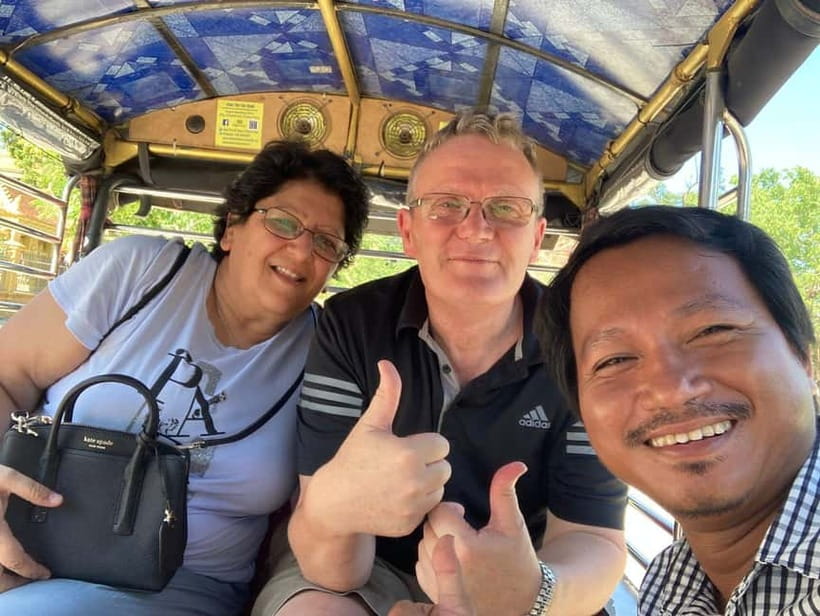
I also like the human side. In real-life service, guides such as Visal, Vann, and Elvis are often named for smooth driving, practical advice, and adjusting timing when you need a slower moment. The tuk-tuk setup is built for heat and sudden weather too, with cold drinks on board and umbrellas available if it rains.
In This Review
- Key highlights you’ll feel on the ground
- A tuk-tuk day that mixes Phnom Penh icons with hard truth
- Choosing full day or half day: this is the real decision
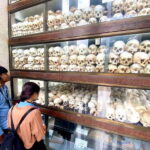
- Tuol Sleng Genocide Museum (S-21): where you understand the machinery
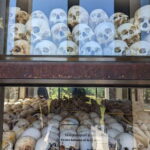
- Choeung Ek Killing Fields: the second essential chapter
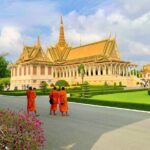
- Royal Palace: the architecture is worth the extra fees
- Park Strip monuments: quick stops with real meaning
- Wat Ounalom, Wat Phnom, and Lady Penh: the temple circuit
- National Museum: quick exterior time with strong photo value
- How the guides keep the day personal (not rushed)
- Price and value: what $20 really buys you
- Logistics that matter: rainproof tuk-tuk and what to pack
- Who this tour suits best
- Should you book this Phnom Penh private tuk-tuk tour?
- FAQ
- What’s the difference between the full-day and half-day tour?
- Is this a private tour?
- How long is the tour?
- What’s included in the price?
- What entrance fees and extras should I budget for?
- Is lunch included?
- Do I need to buy audio guides?
- Does the tour run in rain?
- What should I wear or bring?
- What’s the cancellation policy?
Key highlights you’ll feel on the ground
- Full-day vs half-day choice: pick the schedule that matches your emotional bandwidth
- Tuol Sleng (S-21) + audio guide to understand the system, not just the ruins
- Choeung Ek (Killing Fields) as the second essential chapter of the Khmer Rouge story
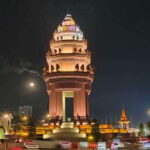
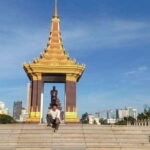
- Park Strip monuments like Independence Monument and the Sihanouk statue, perfect for quick photos
- Royal Palace interior time with a paid guide included in the entry process
- Temple circuit with Wat Phnom and Lady Penh to round out Phnom Penh’s identity
A tuk-tuk day that mixes Phnom Penh icons with hard truth
Phnom Penh can be a real emotional whiplash: first the weight of modern Cambodian history, then the clean lines of Buddhist temples and the theatrical grandeur of royal architecture. This tour is designed for exactly that. You ride in a private tuk-tuk, hop between stops with minimal hassle, and get a guide who helps connect what you’re seeing with what it meant.
The practical advantage is that the tour doesn’t rely on you being an expert navigator. You get hotel pickup and drop-off, bottled water, and a route that hits the capital’s major landmarks in one day. Even better, the schedule gives you a built-in option if you want less weight: the half-day version focuses only on the two genocide sites.
You can also read our reviews of more city tours in Phnom Penh
Choosing full day or half day: this is the real decision
The booking page has two distinct options, and you should treat the choice as part of your planning.
Full-day tour is the full set: the two genocide sites plus the Park Strip monuments and temple-and-palace highlights across the city. You’ll also have lunch time, though lunch itself isn’t included.
Half-day tour is only the two genocide sites. If you want context, reflection, and a shorter day without stacking the palace and temples on top, this can be the smarter fit.
I like that the tour gives you control here. Genocide sites aren’t just “another attraction,” so it’s worth choosing the day length that won’t leave you mentally wrecked by the time you reach the Royal Palace.
Tuol Sleng Genocide Museum (S-21): where you understand the machinery
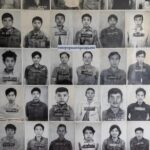
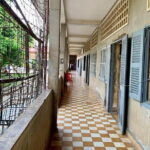
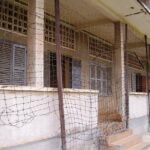
The day starts with Tuol Sleng, also known as S-21. This isn’t a vague memorial space. It’s a place with a specific past: it was formerly a girls school and then became a site of imprisonment, torture, and detention before prisoners were taken to the Killing Fields.
What makes this stop work on a tour is pacing. You spend about an hour here, with a guided overview outside and then time for the on-site experience using an audio guide you pay for separately. One detail that matters: your tour guide won’t go inside with you at sights where the audio guide is used. That setup can feel like a good trade-off. You’re not competing with someone else’s commentary in a place that asks you to slow down and pay attention to what you’re reading and seeing.
This is also where you’ll feel the importance of bringing a camera and comfortable clothes, because even a relatively short visit can involve standing and moving through rooms and exhibits.
Choeung Ek Killing Fields: the second essential chapter
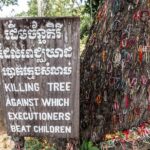
Next comes Choeung Ek, about 45 minutes away. This is the other key site in Phnom Penh for understanding the Khmer Rouge genocide, and it complements Tuol Sleng because it takes the story from imprisonment to what happened afterward.
You typically get around 1.5 hours here, again with a self-guided approach using an audio guide you purchase separately. A good rule for this stop is simple: don’t try to absorb everything at once. Use the audio guide, then step back and take in the setting. The landscape here is part of the message, and rushing makes it harder to process.
From a practical standpoint, you’ll appreciate that the tour builds in transport time with a tuk-tuk rather than having you fight city distances on your own.
Royal Palace: the architecture is worth the extra fees

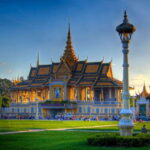
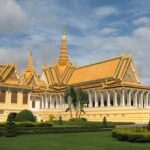
After the heavier stops, the tour pivots to Cambodia’s visual grandeur. The Royal Palace is one of the biggest hits in central Phnom Penh, and it’s set up for photography and interior viewing.
Here’s the cost detail you should plan for: Royal Palace entry is listed as $10 per person, plus another $10 for a guide. There is no audio guide described for this stop, so the paid guide role matters for making the interior experience smooth and informative. In some real-world cases, people have found that these paid entrances may require cash (one review notes $10 cash only for fee stops), so I’d treat cash as part of your packing list even if you’re tempted to rely on card.
Your guide will take you inside and help with timing, and the palace’s scale means you’ll likely want a comfortable pace. If your energy is low after the genocide sites, it’s totally reasonable to ask for a slower run through the rooms.
You can also read our reviews of more private tours in Phnom Penh



Park Strip monuments: quick stops with real meaning
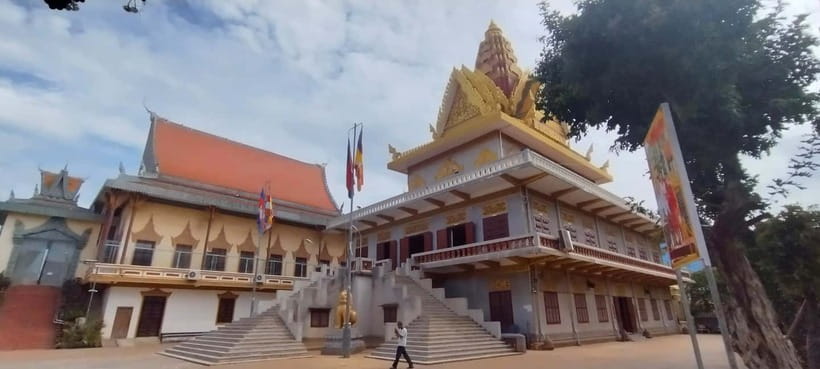
Between the palace and the temples, you’ll spend time along the Park Strip. Think of this as your city-walk sequence with short photo stops rather than long museum-style time.
Key monuments include:
- Independence Monument, honoring independence from French colonisation lasting from 1863 to 1953
- The King Norodom Sihanouk Statue, built in honor of the king after his death
- Cambodia–Vietnam Friendship Monument, commemorating the former alliance between the two countries
These stops are short, but they’re not filler. They give you the “modern identity” layer of Phnom Penh right in between the historical weight. I like that the tour keeps you moving here rather than turning the day into a slow crawl.
Wat Ounalom, Wat Phnom, and Lady Penh: the temple circuit
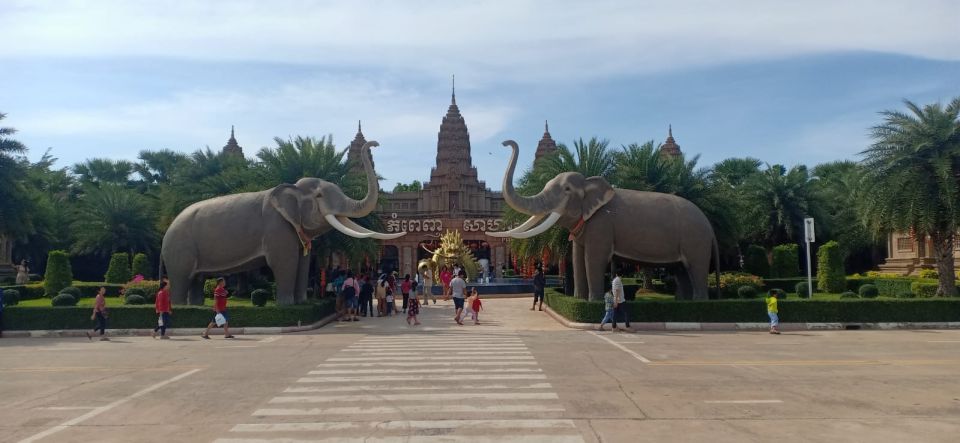
The last stretch focuses on Buddhist and cultural landmarks that help you understand Phnom Penh as a lived city, not just a history stop.
A few highlights:
- Wat Ounalom Monastery, originally built in 1442 and described as one of Phnom Penh’s most important temples
- Wat Phnom, with a small entry fee and a connection to Lady Penh
- Lady Penh Statue, where you learn who Phnom Penh was named after and why
One thing I appreciate about this temple circuit is variety. Earlier you’re looking at tragic 20th-century history. Here you’re watching people pray, moving through sacred spaces, and seeing how spiritual life sits right alongside the city’s everyday rhythm.
Dress matters too. The tour notes that sleeveless shirts aren’t allowed, so bring something that covers shoulders if you’re planning to go straight from sightseeing in a tank top.
National Museum: quick exterior time with strong photo value
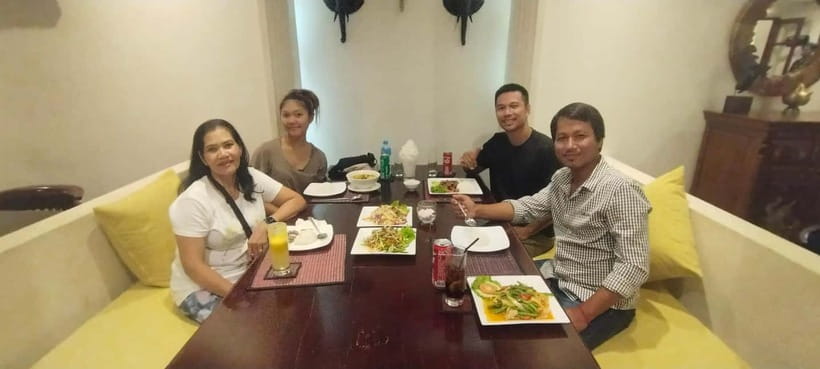
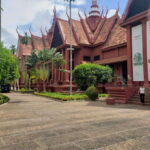
The National Museum stop is described as outside only and free. That makes it a low-commitment add-on, and it’s useful if you want architecture and a good photo without burning more time when your day is already full.
If you’re the type who likes to keep your schedule flexible, outside-only is a benefit. You can enjoy the building and the surrounding viewpoints and still keep your energy for the temple visits that follow.
How the guides keep the day personal (not rushed)
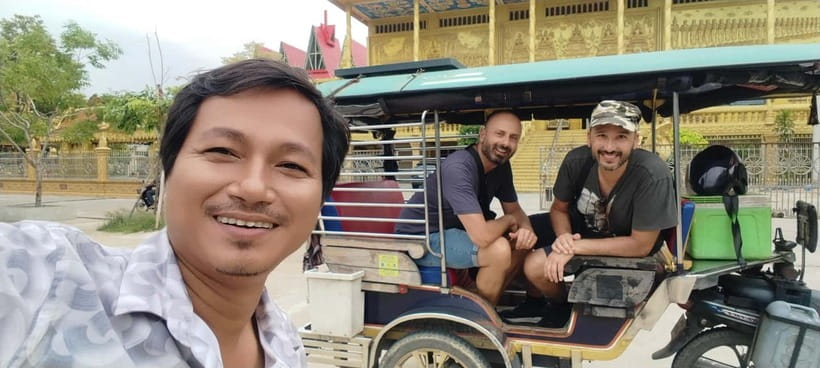
This tour is private, which changes everything. Instead of waiting for a group, you ride at the tempo that fits you.
Guides in this program are repeatedly praised for:
- clear, practical storytelling during the drives
- safe driving through Phnom Penh traffic
- helping with timing, including when someone needs extra minutes at a site
- suggesting lunch options when you ask
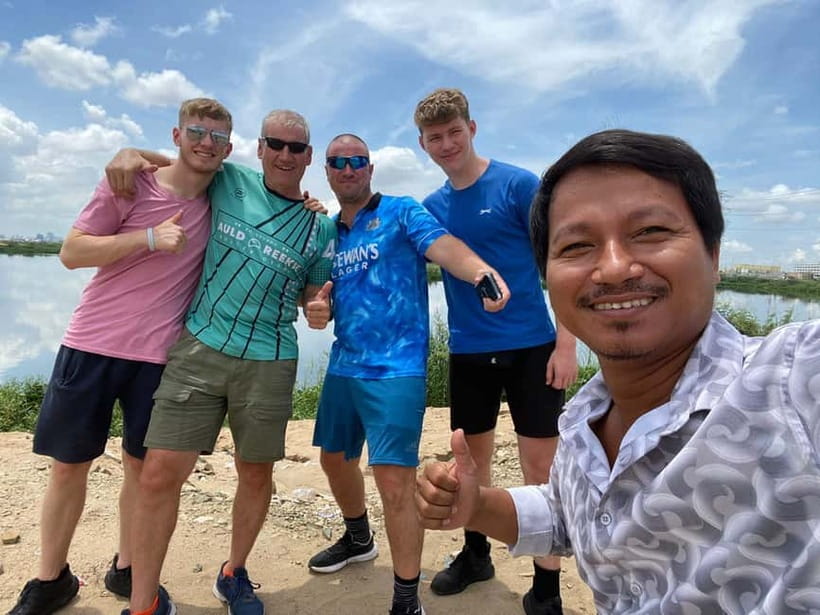
People often specifically mention guides like Visal, Vann, Elvis, and Nick for professionalism and calm pacing. A small but telling detail from reviews: some guides bring cold drinks and keep you hydrated without needing to hunt for refreshments.
Also note the audio-guide rule: at places where audio guides are used, the tour guide won’t enter with you. That can actually help you concentrate. You’re not distracted by someone talking over the exhibits, and you still get the guide’s context before you go in.
Price and value: what $20 really buys you
The headline price is $20 per person, but real value comes from separating what’s included from what’s paid on site.
Included:
- hotel pickup and drop-off
- roundtrip transportation
- private tour guide
- cold drinking water, towels, and umbrellas if it’s raining
Not included (the big ones):
- Tuol Sleng entry + audio guide: $10
- Killing Fields entry + audio guide: $6
- Royal Palace entry: $10 per person
- Royal Palace guide fee: $10
- Wat Phnom entry: $1
- lunch
For a full day, the math for those core sites adds up to a meaningful amount on top of the $20 tour fee. Still, I think the pricing is fair for a private tuk-tuk format that covers major areas of Phnom Penh in a single run, plus real guiding support where it counts (especially with the palace and the city context before you go inside).
If you’re doing the half-day option, your extra costs are simpler since you’re focusing only on the two genocide sites.
Logistics that matter: rainproof tuk-tuk and what to pack
This tour runs in rain or shine. The tuk-tuk can be made rainproof, and umbrellas are provided if it’s raining. That’s practical because many Phnom Penh highlights sit outdoors or involve open-air walking.
Bring:
- comfortable shoes (there’s walking at the genocide sites)
- a camera
- comfortable clothes
- a layer that respects the no-sleeveless rule
Also bring cash if you want less stress around entrance fees. One review specifically mentions $10 cash only for fee stops, and the Royal Palace involves a separate guide component.
Who this tour suits best
This is a strong choice if you want:
- a one-day overview of Phnom Penh’s biggest sights
- private guide attention and easy transportation by tuk-tuk
- a structured way to understand Khmer Rouge history, with audio guides supporting your pace
- temple-and-monument stops that balance the day after a difficult morning
It might not be the best fit if you’re looking for a light, carefree day. The genocide museum and killing fields are not quick or easy, even if you manage the schedule well.
Should you book this Phnom Penh private tuk-tuk tour?
I’d book it if you want a guided, private way to see Phnom Penh properly, without fighting logistics. The full-day version is ideal when you’re ready for both the heavy history and the city’s landmarks. If you’re not ready to stack palace and temples on top of S-21 and the Killing Fields, the half-day option is a smart and respectful choice.
Just go in prepared: wear comfortable shoes, bring cash for paid entries, and plan for an emotional day where pacing is part of the value.
FAQ
What’s the difference between the full-day and half-day tour?
The full-day tour includes the two genocide sites plus additional city sights such as the Park Strip monuments, Royal Palace, National Museum (outside), and several temples. The half-day tour visits only the two genocide sites.
Is this a private tour?
Yes. The tour is private, with a private tour guide and private transportation.
How long is the tour?
The duration is listed as 5 hours to 1 day, depending on which option you choose and the timing of your stops.
What’s included in the price?
Hotel pickup and drop-off, roundtrip transportation, a private tour guide, cold drinking water, towels, and umbrellas if it’s raining.
What entrance fees and extras should I budget for?
The Genocide Museum entry and audio guide are $10, Killing Fields entry and audio guide are $6, Royal Palace entry is $10 plus another $10 for a guide, and Wat Phnom entry is $1. Lunch is also not included.
Is lunch included?
No. There is a lunch break, but lunch costs extra.
Do I need to buy audio guides?
Audio guides are included with the paid entries for the Genocide Museum and the Killing Fields. Your tour guide will not enter inside with you at these audio-guide sights.
Does the tour run in rain?
Yes. It runs rain or shine. The tuk-tuk can be rainproof, and umbrellas are provided if it’s raining.
What should I wear or bring?
Wear comfortable shoes and comfortable clothes. Sleeveless shirts are not allowed. Bring a camera, and expect some walking at the genocide sites.
What’s the cancellation policy?
Free cancellation is available up to 24 hours in advance for a full refund.