REVIEW · PHNOM PENH
Phnom Penh Kampot Kep Tour “Pepper Farm, Salt Field, Crab Market”
Book on Viator →Operated by Cambodia Tourist Car · Bookable on Viator
This day trip has a lot packed into it, but it stays easy to follow. You start early, ride from Phnom Penh to Kampot, and spend the day learning how pepper and seafood connect to daily life in southwest Cambodia.
Two things I really like: the time at La Plantation Kampot Pepper, where you see farming plus modern processing in one go, and the Kep stop where the crab market turns lunch into an experience you can actually watch.
One heads-up: you’ll spend a long day in the car, and some parts of the route can feel bumpy because the road to Phnom Chhngok Cave Temple isn’t a smooth highway.
In This Review
- Key highlights before you go
- A practical one-day run from Phnom Penh to Kampot and Kep
- 7:30am pickup and the Phnom Penh to Kampot drive
- Kampot river sights, French-era buildings, and Phnom Chhngok Cave Temple
- Brateak Krola Lake (Secret Lake): a dam with a heavy story
- La Plantation Kampot pepper: where farm work meets real processing
- Dry-season salt fields, then Kep crab market and beach photos
- Price, logistics, and who this day trip fits best
- Should you book this Phnom Penh → Kampot → Kep tour?
- FAQ
- What time does the tour start?
- How long is the tour?
- What’s the price?
- Is pickup included?
- What language will you hear from the guide?
- Are entrance fees included?
- Are meals included?
- Is salt fields stop guaranteed?
- How big is the group?
- Is this tour refundable?
- What’s included besides guide and transport?
- Where do you get dropped off at the end?
Key highlights before you go
- Small-group feel (max 12) with an air-conditioned vehicle and an English-speaking driver
- La Plantation (Pepper Farm) for Kampot pepper, including black, red, and white types
- Brateak Krola Lake (Secret Lake), a man-made dam tied to Khmer Rouge-era forced labor history
- Salt fields only in the dry season, so expect that stop to depend on timing
- Kep Crab Market where you can see fishermen’s catch and bargain for seafood
- Early start (7:30am), so you get daylight for sights and photos
A practical one-day run from Phnom Penh to Kampot and Kep
This is the kind of trip that works if you don’t want to plan a route, hire multiple rides, or lose half the day figuring out transport. You’re based in Phnom Penh, then you travel to Kampot and Kep and come back the same day. The timing is built around seeing the main stops without rushing through them like a tick-box tour.
At $89 per person, the value sits in what’s included: air-conditioned transport, entrance fees, bottled water, and a guide at Pepper Farm. Meals aren’t included, so you’re still in control of what you eat—especially helpful at the Kep crab market, where the whole point is browsing and bargaining.
I also like that the group size is capped at 12 people. That usually means you can hear the driver and guide without feeling swallowed by a huge bus crowd.
You can also read our reviews of more shopping tours in Phnom Penh
7:30am pickup and the Phnom Penh to Kampot drive
The day begins with a 7:30am start, with pickup from your hotel in Phnom Penh Capital. Then it’s about 160 km and roughly 3 hours to reach Kampot. Yes, it’s a long ride. But it’s also part of why this tour is worth doing: you’re not just visiting places—you’re getting a guided route that strings together river scenery, countryside roads, and two food-focused towns.
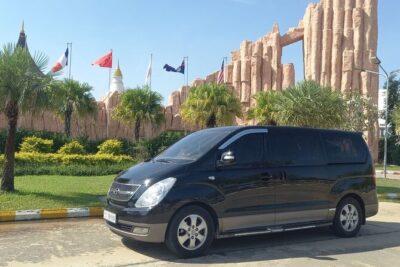
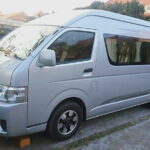
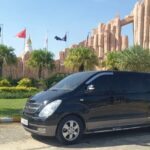
The vehicle is air-conditioned, and bottled water is provided. That sounds small, but it matters on a long day—especially in warmer weather. And if you’re the type who hates wasting time, having a driver handle the route is a big win.
One detail I appreciate: the driver is English-speaking, so you’re not stuck trying to interpret signage alone. Some days are just easier when you can ask quick questions on the move.
Kampot river sights, French-era buildings, and Phnom Chhngok Cave Temple
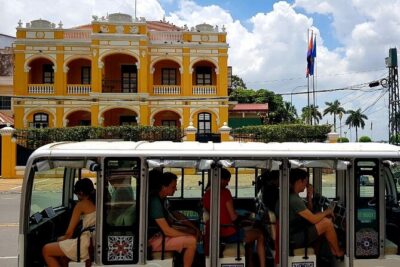
Once you arrive in Kampot, you get right into the town’s older layers. You’ll visit the Iron Bridge that crosses the Kampot River—an old bridge built during the French colonial period. It’s a quick stop, but it’s one of those places that helps you get your bearings: you can see the river shape, you get a feel for where the town grew, and the bridge gives you a solid photo anchor.
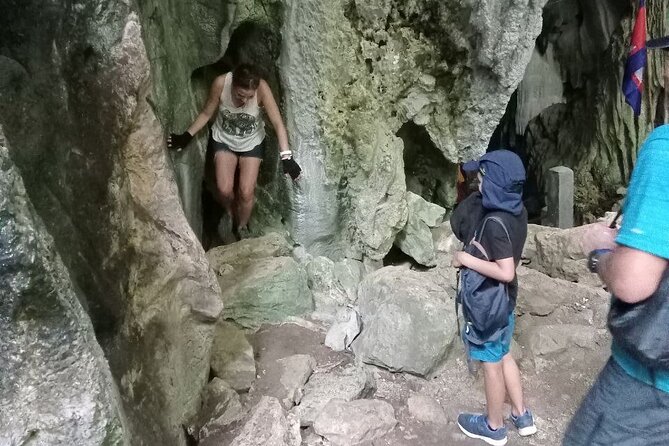
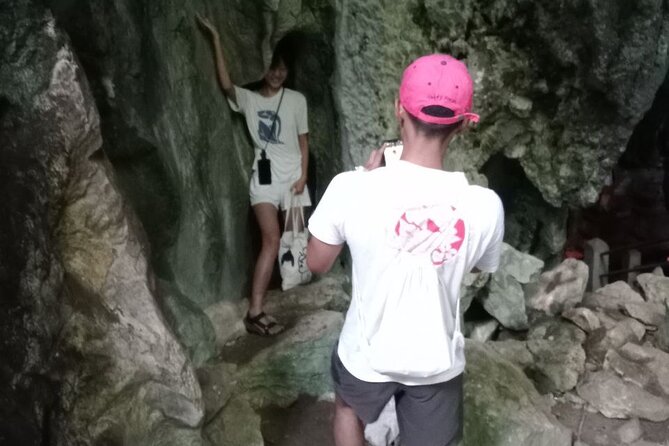
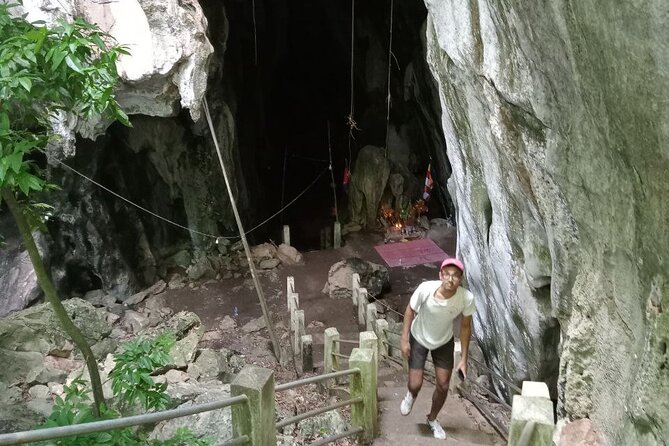
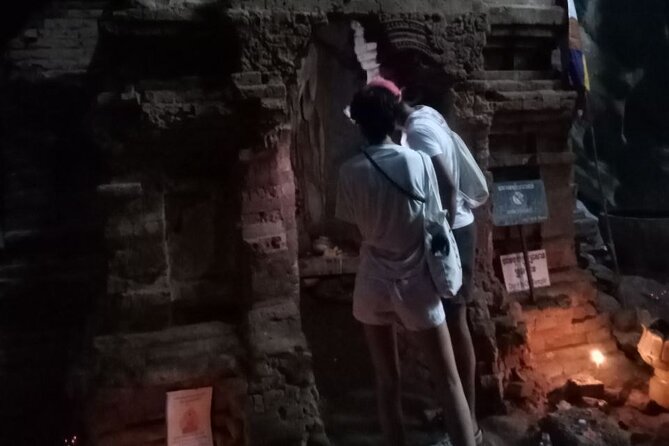
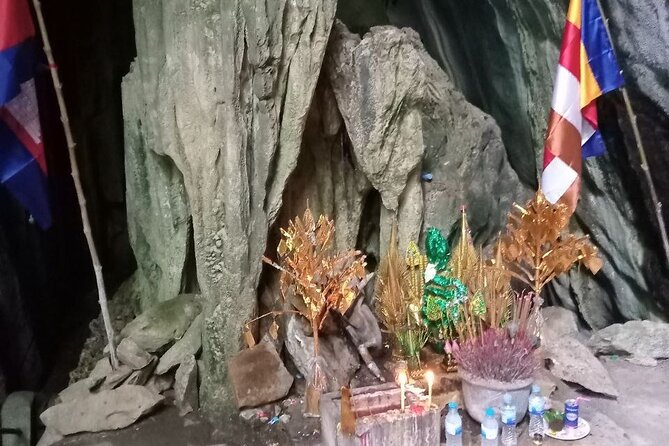
From there, you move toward Phnom Chhngok Cave Temple, described as Pre-Angkorian. This is where the tour shifts from “town landmarks” to “spiritual site and scenery.” The drive to the temple goes off the main road and uses winding dirt roads, so it can be tiring. If you’re sensitive to rough roads or motion, I’d plan to take it slow once you arrive—don’t expect a high-energy vibe right away.
The payoff is the change of setting. You’re out past the easy roads and into a quieter, more rural mood. And because the temple is the main stop, the time you spend there feels focused rather than rushed.
Brateak Krola Lake (Secret Lake): a dam with a heavy story
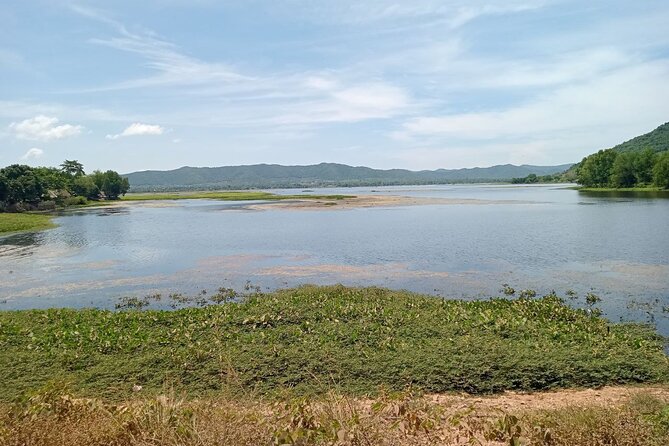
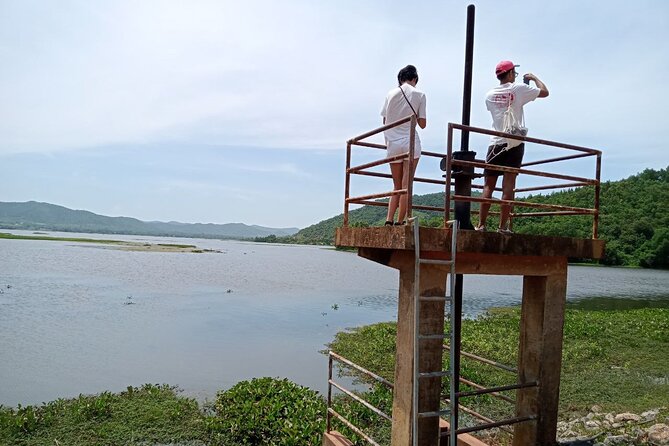
Next comes Brateak Krola Lake, often called the Secret Lake—but it’s not a natural lake. It’s a dam, and the tour shares why that matters: during the Khmer Rouge era, a dam was built with slave labor. That’s the kind of historical context that turns a quick photo stop into something more thoughtful.
In practical terms, your time here is short—about 15 minutes—so you’re not stuck in one spot for ages. But it’s enough time to understand the scale and take photos if you want them. The key is mental readiness. If you prefer lighter sightseeing, you might feel this one is emotionally heavy compared with the pepper farm and the crab market.
If you’re traveling with people who don’t like serious history stops, it can help to set expectations early: this part is brief, but it’s meaningful.
La Plantation Kampot pepper: where farm work meets real processing
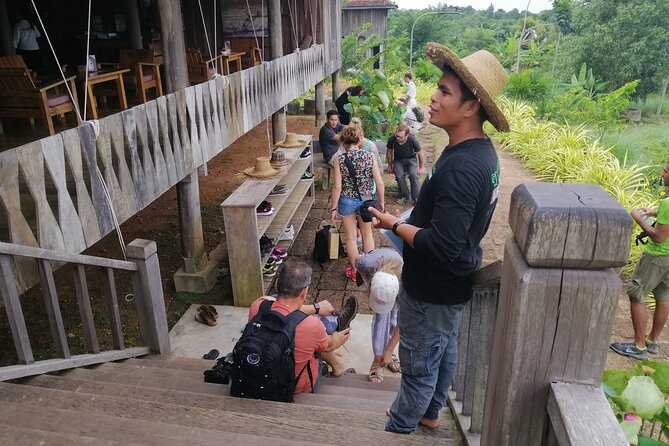
This is the heart of the day for a lot of people, and I get it. At La Plantation, you visit a social and sustainable family project that mixes traditional farming with modern processing. You learn how Kampot pepper is produced—specifically black, red, and white pepper varieties.
Why this matters: pepper in Cambodia isn’t just a souvenir. It’s a crop with a real supply chain, and seeing the connection between growing and processing helps you understand why Kampot pepper has its reputation. You also get a chance to make sense of what you might have seen in shops back home: the color stages, the difference between types, and the idea that pepper is handled carefully from farm to product.
You’ll spend about 2 hours here. That’s enough time to ask questions, watch what’s happening, and avoid the “walk-by” feeling you get at some factory-style stops. The tour also includes an English or French-speaking guide at Pepper Farm, so the explanations aren’t just generic.
One of the strongest themes from the experience is simple: people tend to leave caring more about the pepper than they expected. If you like food culture, agriculture, or just learning how products are made, you’ll enjoy this part.
You can also read our reviews of more tours and experiences in Phnom Penh
Dry-season salt fields, then Kep crab market and beach photos
Salt fields are included as a stop, but there’s a catch: they’re available only during the dry season. That means your experience can shift depending on when you go. In the dry season, you’ll get to see salt production firsthand. In other seasons, you might not get that exact field visit. If salt is a must-see for you, check the season before booking.
After Kampot, you move toward Kep. You’ll stop by the beach for a photo—simple, quick, and good for resetting your brain before the food-focused part. Then it’s time for the Kep Crab Market.
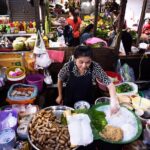
This is where the day turns fun in a very practical way. The market is a place to learn about Cambodian seafood culture. You can watch fishermen bring in their catch, and you can bargain with vendors to get the best price. That bargaining piece is part of the experience, not just a way to save money.
The tour doesn’t include meals, so you’re free to eat what you want at the crab market. If seafood is your goal, this is a good time to lean into it. If you’re not a big seafood person, you’ll still learn a lot watching how the market works.
Price, logistics, and who this day trip fits best
Let’s talk value. At $89, you’re paying for a full day of transport from Phnom Penh to Kampot and Kep, plus entrance fees, bottled water, and a guide at Pepper Farm. If you tried to recreate this on your own—driver, admissions, and timing—you’d likely spend a lot more effort (and probably money) to get everything to fit.
Also, the tour caps at 12 travelers, and you can often get a group-discount feel. That makes a difference if you’re trying to keep day-trip costs reasonable.
Here’s who I think this suits best:
- You want a one-day food-and-culture route without planning transfers
- You like agriculture and want more than just “look at a farm” photos
- You’re okay with an early start and a full day outdoors and in a car
- You’re interested in Khmer-era context, not just scenic stops
Here’s who might not love it:
- If you want lots of free time, this isn’t a “wander all day” trip
- If you dislike rough roads, the route to Phnom Chhngok Cave Temple may feel tiring
- If you’re going outside the dry season, salt fields might not be available
You’ll also want to bring what makes long days easier: sun protection, water (since you’ll be outdoors at multiple stops), and comfortable shoes. The tour provides bottled water, but you’ll still want to stay comfortable on the go.
Should you book this Phnom Penh → Kampot → Kep tour?
I’d book it if you want an efficient Cambodia day that blends Kampot pepper, a real look at food culture at the Kep crab market, and a couple of major stops that give the region depth—like Iron Bridge and Phnom Chhngok Cave Temple. The pepper farm alone is a strong reason to do this trip, especially if you care how products are grown and processed.
I’d hesitate if salt fields are a must for you and your dates don’t match the dry season. I’d also think twice if you hate early starts or if winding dirt roads make you uncomfortable.
If you’re traveling with a couple of flexible priorities—pepper, seafood, and one or two meaningful culture/history moments—this is a smart, good-value day trip.
FAQ
What time does the tour start?
It starts at 7:30am.
How long is the tour?
The duration is about 8 to 10 hours.
What’s the price?
The price is $89.00 per person.
Is pickup included?
Yes. Pickup is offered from your hotel in Phnom Penh City.
What language will you hear from the guide?
The English or French-speaking guide is provided at Pepper Farm only. The driver is English-speaking.
Are entrance fees included?
Yes. Entrance fees are included.
Are meals included?
No. Meals are not included.
Is salt fields stop guaranteed?
Salt fields are included, but they are available only during the dry season.
How big is the group?
The tour has a maximum of 12 travelers.
Is this tour refundable?
No. It is non-refundable and cannot be changed for any reason.
What’s included besides guide and transport?
You get an air-conditioned vehicle, bottled water, and entrance fee coverage. Meals and tips for the driver aren’t included.
Where do you get dropped off at the end?
The driver transfers you back to your hotel in Phnom Penh City, or drops you off at your hotel in Kampot or Kep if you’re staying there.