One of Phnom Penh’s best hours happens on foot. This 3-hour walking tour threads quiet temples, art, and everyday alley life into a plan that’s easy to follow, even if you’re new to the city.
I love two things most: first, the stories and context that Martin (his name is Martin) shares as you go. Second, the mix of “see it” stops and “taste it” moments, so the tour feels like real city life, not a museum line.
One thing to consider: you’ll walk a moderate amount, and religious stops mean you need to cover shoulders and knees. If you hate walking in the heat, you’ll want good shoes and a hat.
In This Review
- Key things I’d bank on before you go
- Where this tour really shines: local pace, local stories
- Starting at the Constitution Building: easy to find, great for orientation
- The first stop: a hidden local temple and what you should notice
- Shifting to contemporary Cambodia: the art gallery stop
- The alleyway section: everyday life you can actually observe
- Central Market time: street food tasting with browsing built in
- The secret panoramic viewpoint: skyline from an unexpected spot
- Tour pace and weather: how to dress and plan your day
- Price and value: why $15 is more than a bargain
- Who this tour is for (and who should skip it)
- The practical mindset that makes the tour better
- Should you book this Phnom Penh walking tour?
- FAQ
- How long is the Phnom Penh walking tour?
- Where does the tour start?
- Where does the tour end?
- What language is the tour available in?
- What’s included in the price?
- What should I bring?
- What is the dress code for religious sites?
- Are there any rules about photos or smoking?
- Is the tour suitable for children?
- What if I need to cancel?
Key things I’d bank on before you go
- Meet by the Constitution Building for a clear start and easy orientation
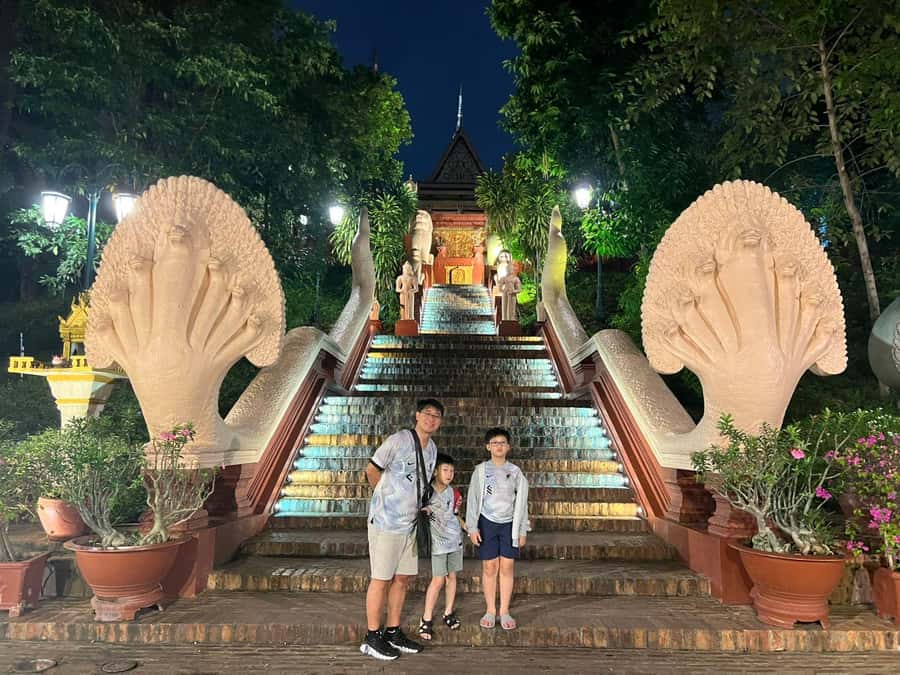
- A quiet local temple first, with Khmer carvings and Buddhist relics
- Art gallery admission included, focused on emerging Cambodian artists
- Street food tasting plus Central Market browsing for flavors and texture
- A secret panoramic viewpoint from an abandoned building
- Martin’s storytelling style: friendly, funny, and tuned to questions
Where this tour really shines: local pace, local stories
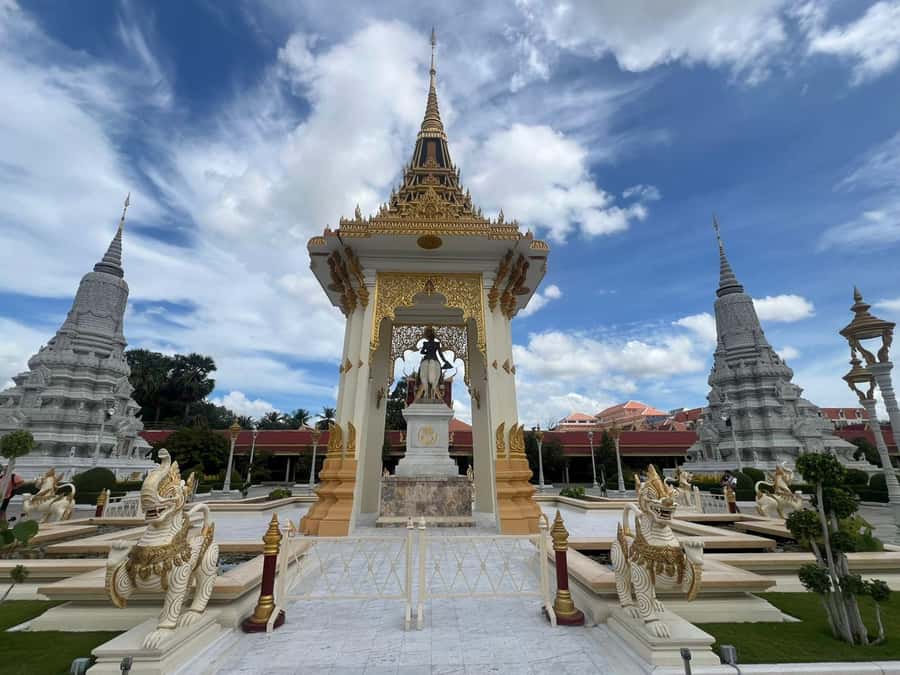
Phnom Penh can feel big and loud from the main streets. This tour gives you a different rhythm. You start with something calm, then shift to art, then to the kind of back-alley details you’d miss if you just followed a map.
What makes it work is the human part. Martin is the guide name you’ll hear most on this experience, and his style is practical. He’s there to explain what you’re seeing and why it matters. You’re not just collecting photos—you’re learning how Cambodian history, religion, and modern life sit side-by-side in the same neighborhoods.
And the price helps you take it seriously. At $15 per person for about three hours, you’re paying for a guided route plus actual experiences that cost money on their own (art gallery admission and the panoramic viewpoint). It’s not a fancy “tour bus with stops.” It’s city walking done well.
You can also read our reviews of more walking tours in Phnom Penh

Starting at the Constitution Building: easy to find, great for orientation
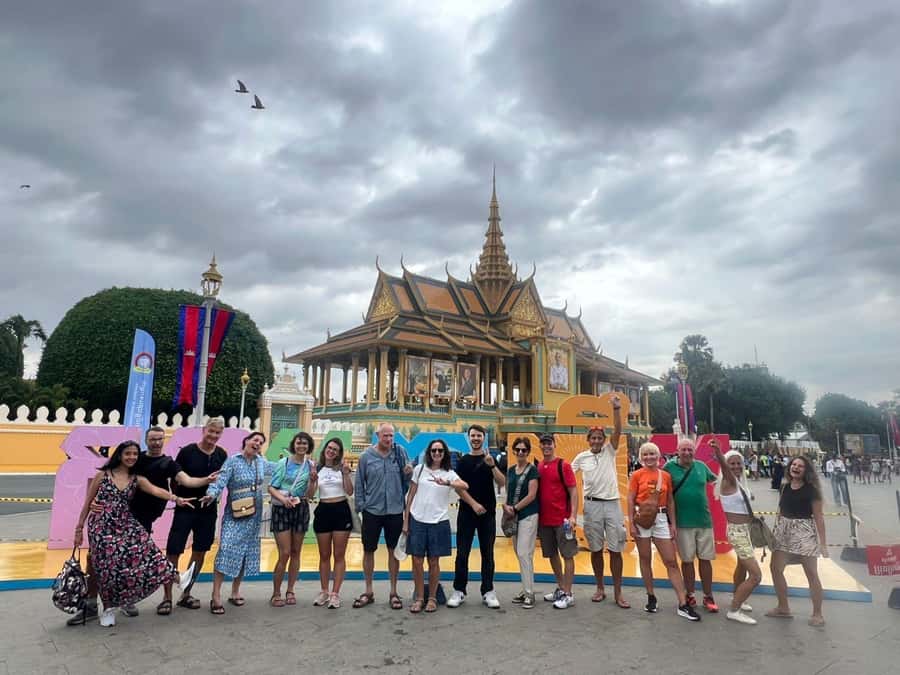
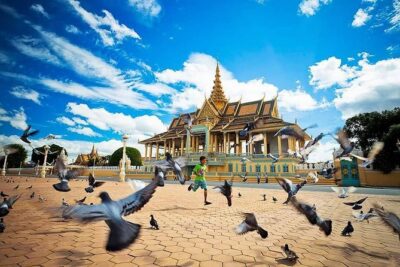
The meeting point is simple: Martin is waiting next to the Constitution Building. That’s a good choice. It’s central enough to reduce stress, and it gives you a mental anchor for the day. If you’re arriving on your own, this is one less thing to figure out.
The tour ends back at the same meeting point. That means you can plan your next move without worrying about new transport logistics. Just keep an eye on WhatsApp in case you need contact help—this is specifically mentioned for getting in sync.
The first stop: a hidden local temple and what you should notice
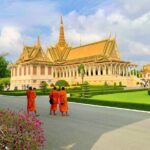
You begin at a peaceful local temple, tucked away from the city noise. This early start matters because you get the tone right away—quiet attention before the day becomes a snack-and-sights circuit.
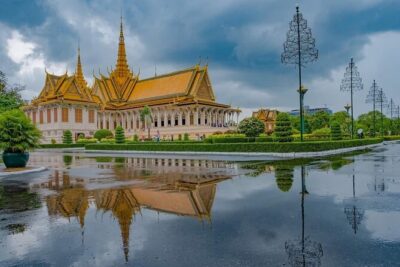
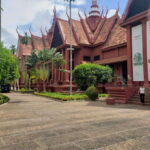
At the temple, you’ll see intricate Khmer carvings and ancient Buddhist relics. Even if you don’t know the terminology, the visual language is strong: patterns, motifs, and craftsmanship that signal devotion and continuity over time. Your guide’s job here is to help you connect the dots—what you’re looking at, and how it fits into Cambodia’s spiritual traditions.
Practical heads-up: religious sites have a dress code. Shoulders and knees must be covered. That’s not just a “nice to have.” Plan it before you leave your hotel, because the tour does involve religious stops.
Shifting to contemporary Cambodia: the art gallery stop
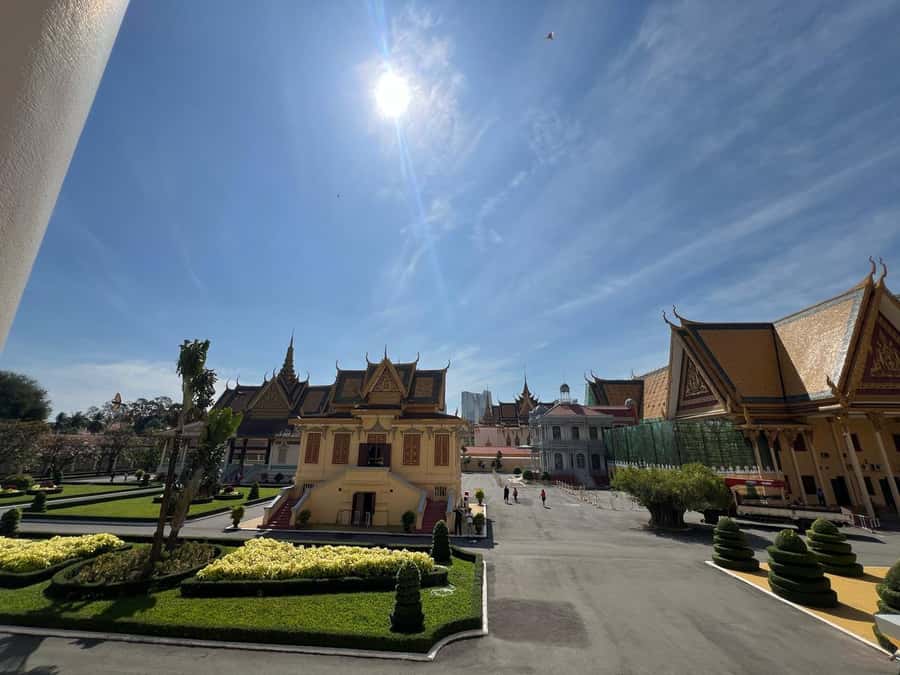
After the temple calm, you move into a vibrant art gallery featuring emerging Cambodian artists. The appeal here isn’t just that you’ll see art—it’s that you’ll see art that’s part of Phnom Penh’s present, not only its past.
This is a smart contrast. Cambodia’s history is visible everywhere, but contemporary creative work often gets overlooked by visitors who focus only on big landmarks. The gallery admission is included, so you’re not juggling extra tickets mid-walk.
What you should do in the gallery: slow down. Look at how artists use color, texture, and subject matter to talk about identity, daily life, and the city’s changing energy. If you like modern work, this stop gives you a quick snapshot of where Phnom Penh creative culture is headed.
The alleyway section: everyday life you can actually observe
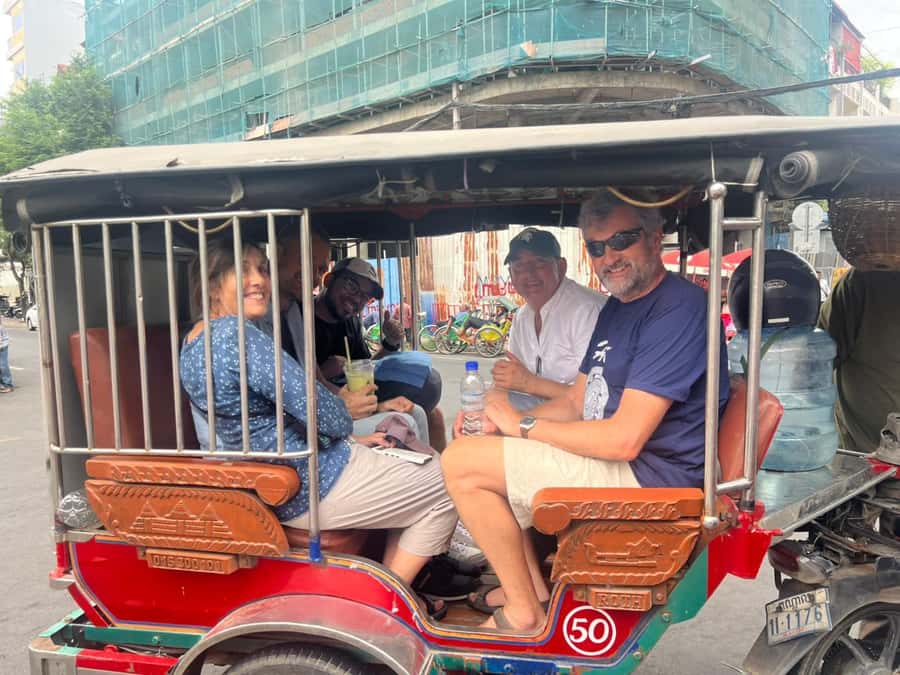
Then the tour changes gears again with a charming alleyway. This is the part I like most when I’m traveling: places that don’t look official, not “big attraction” material, but full of lived-in details.
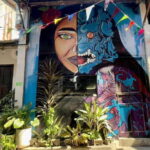
You’ll see small street vendors, colorful murals, and traditional homes. The goal isn’t to stare like you’re in a documentary—it’s to notice how normal life continues around cultural landmarks. A guide helps because you’ll get context for what you’re seeing rather than guessing.
If you take photos, do it with respect. The tour rules mention no flash photography. That’s a small thing, but it keeps the vibe polite inside more sensitive spaces and with people who aren’t there for tourists.
You can also read our reviews of more guided tours in Phnom Penh



Central Market time: street food tasting with browsing built in
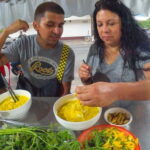
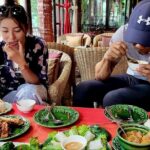
One of the tour highlights is street food tasting, plus browsing stalls at the Central Market. This is where the tour becomes practical. You’re not just walking past food—you’re sampling, asking questions, and learning what to look for.
The tasting is included, which is a big value point. Street food can be hit-or-miss when you’re on your own. A guide helps you avoid awkward moments and spot what’s fresh and worth trying. And in this case, the tour also builds in market browsing, so you get more than a quick snack. You see the flow of stalls and how people shop day-to-day.
This is also a good “energy reset” part of the walk. After temples and art, food breaks the tension and keeps things light. And yes, Martin is the kind of guide who will help you try things—some people specifically note he kindly bought street snacks to taste. That’s the extra local touch that makes a tour feel like a friend is showing you around.
The secret panoramic viewpoint: skyline from an unexpected spot
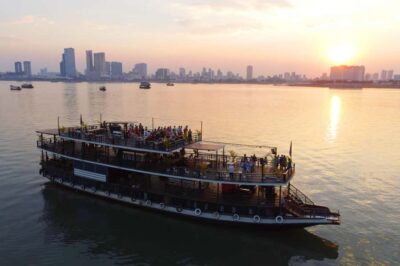
A standout moment is a secret viewpoint from an abandoned building, offering panoramic views of Phnom Penh’s skyline. This is a memorable contrast: you’re elevated above the city, but you’re not in a standard lookout with a ticket booth and a souvenir shop.
The inclusion is important here. The tour isn’t just “walk to a view.” It includes the panoramic city view as part of the experience, so it’s built into the flow.
What you’ll want to bring to this segment: a camera (the tour suggests it), and a willingness to pause. Skyline views are quick on your own—this one feels more like a moment built into the story of the city, with context from your guide.
Tour pace and weather: how to dress and plan your day
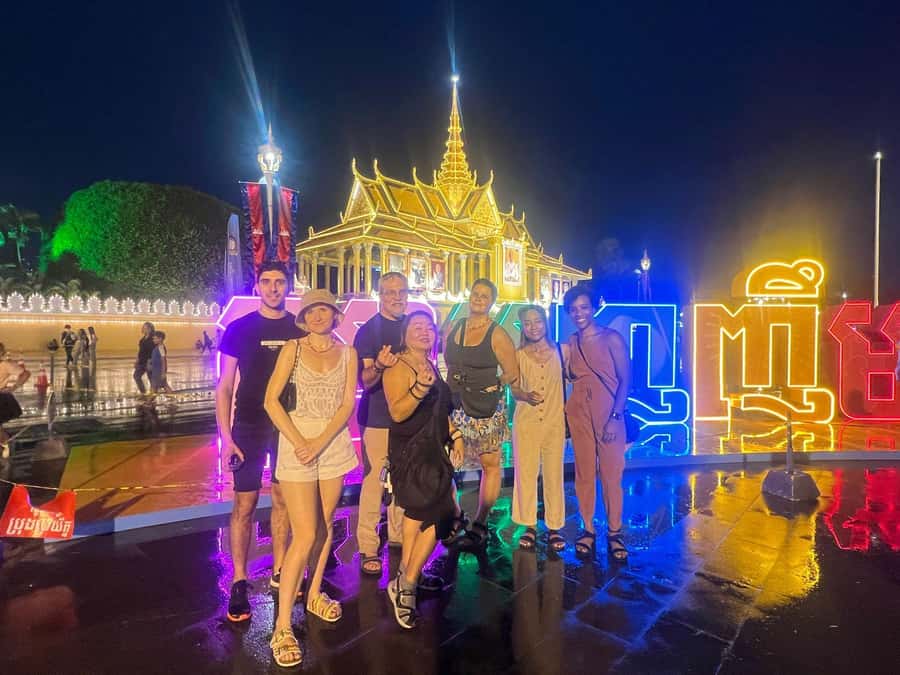
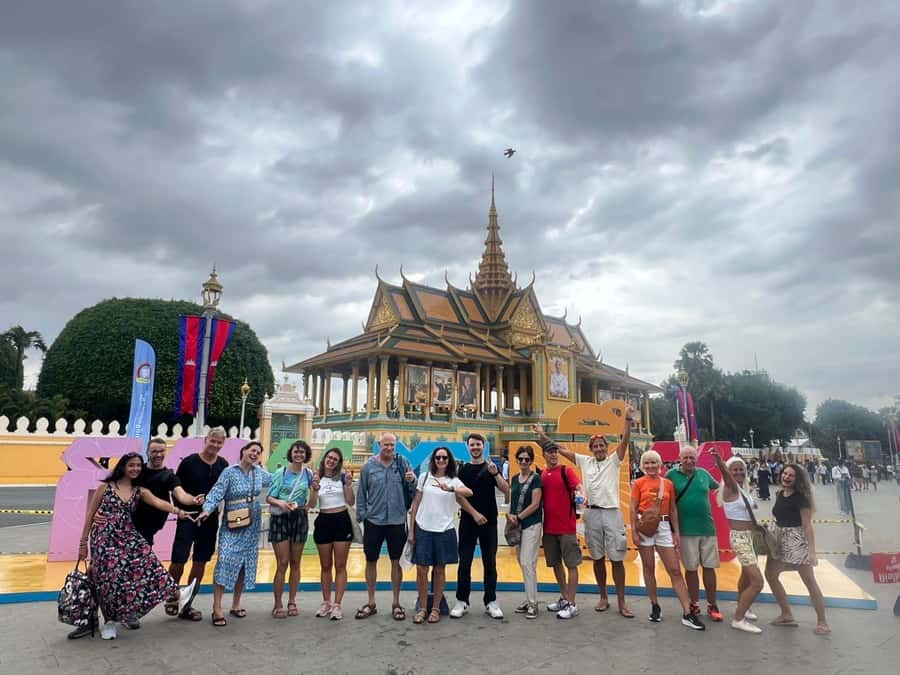
This tour operates in all weather conditions. That means you should plan for rain or shine. You’ll also be doing a moderate amount of walking, so build the rest of your day around that.
What I’d recommend based on the stated packing list:
- Comfortable shoes you can walk in for a few hours
- A hat and sunscreen
- Water, especially in hotter parts of the day
- Your camera, since you’ll have indoor and outdoor photo opportunities
And check one more rule: no smoking. It’s one of those small rules that makes everything more comfortable for the group.
Price and value: why $15 is more than a bargain
Let’s talk straight value. $15 per person for a guided 3-hour walk is a price that’s easy to justify. But the real value is in what’s included:
- a local guide (not just a headset script)
- street food tasting
- admission to the art gallery
- the panoramic city view
If you tried to recreate that on your own, you’d still spend time walking, paying for entry at the gallery, and figuring out food safely. Here, you get a guided route that also changes your perspective—temple to art to alley life to market to skyline.
For me, that’s the sweet spot. This tour doesn’t ask you to spend big money to see real Phnom Penh. It asks you to wear decent shoes and show up ready to look closer.
Who this tour is for (and who should skip it)
This experience is a strong fit if you want:
- a guided introduction to Phnom Penh beyond the headline monuments
- a mix of culture, art, and everyday city scenes
- a guide who answers questions and keeps things lively
It may not be the best fit if:
- you’re traveling with children under 6
- you have mobility impairments, or you use a wheelchair (it’s listed as not suitable)
Also, if you don’t like religious-site dress codes, you’ll need to plan clothing carefully. This isn’t a “show up in shorts and figure it out” kind of day.
The practical mindset that makes the tour better
You’ll enjoy this more if you go in with a small mission: ask questions and watch how the city changes from stop to stop. Martin’s approach is to connect dots—spiritual traditions at the temple, creativity in the gallery, everyday routines in alleys and markets, and a wider city view from above.
If you’re the type who likes history, you’ll get plenty of context. If you’re more into art and street scenes, you still get plenty to work with. And if you’re low on time, the 3-hour length is ideal for a first-time orientation without swallowing your whole day.
Should you book this Phnom Penh walking tour?
If you want a smart, low-cost way to see Phnom Penh as more than a list of monuments, I’d book it. The combination of temple details, emerging art, market food tasting, and a secret skyline viewpoint gives you variety without chaos.
Book it especially if:
- you’re short on time but want depth
- you like local guides who tell stories and keep the walk fun
- you want included experiences instead of paying extra for every stop
Skip it if walking moderate distances is a struggle for you, or if you’re not comfortable with covering shoulders and knees at religious sites. Otherwise, this is the kind of tour that helps Phnom Penh make sense fast—one calm temple, one alley at a time.
FAQ
How long is the Phnom Penh walking tour?
It’s a 3-hour walking tour.
Where does the tour start?
The tour starts next to the Constitution Building.
Where does the tour end?
It ends back at the meeting point.
What language is the tour available in?
The tour is available in English.
What’s included in the price?
The tour includes a local guide, street food tasting, admission to the art gallery, and a panoramic city view.
What should I bring?
Bring comfortable shoes, a hat, a camera, sunscreen, and water.
What is the dress code for religious sites?
Shoulders and knees must be covered at religious sites.
Are there any rules about photos or smoking?
Smoking is not allowed, and flash photography is not allowed.
Is the tour suitable for children?
It is not suitable for children under 6 years old.
What if I need to cancel?
You can cancel up to 24 hours in advance for a full refund.