REVIEW · PHNOM PENH
Aural Mountain Trek: Cambodia Tallest Peak Challenge
Book on Viator →Operated by Vana Adventure Travel · Bookable on Viator
A jungle summit hike in Cambodia, no shortcuts. This 3-day trek to Aural Mountain (1,813 m) pulls you into the Cardamom Mountains with bamboo-forest camping near a natural waterfall, plus real time in rural villages. What I like most is that it’s a fully-serviced adventure—tents or hammocks are set up for you, and the team handles the cooking so you can focus on the hike and the views. It’s a small-group trip too (guaranteed 2–12 travelers, with a max of 10), which makes the whole thing feel more human than industrial.
My second favorite part is the mix of nature and context: you’ll get mountain views, and you’ll also visit a plane-crash site in the forest tied to Cambodia’s civil war era. The main thing to consider is that this is not a comfortable jungle stroll—expect hot, humid conditions, critters, and nights in tents or hammocks, which takes mental readiness as much as physical fitness.
In This Review
- Key highlights you’ll care about
- Aural Mountain (1,813 m) and the real reason this trek feels special
- Getting from Phnom Penh to the mountains: transfers, timing, and what to bring
- Day 1: bamboo forest camp, a waterfall nearby, and village learning
- Day 2: the summit push toward Aural—and the plane-crash stop in the forest
- Day 3: one last jungle night under the trees and the return to Phnom Penh
- How the “fully serviced” setup changes the trek (and your stress level)
- Hot, humid, and full of critters: fitness and comfort in the Cardamom
- Price and value: what $385 covers (and what you still need to plan)
- Who should book this Aural Mountain trek, and who should skip it
- Should you book Aural Mountain Trek with Vana Adventure Travel?
- FAQ
- What’s the duration of the Aural Mountain trek?
- Where does the tour start, and what time does it begin?
- How many people are in the group?
- What’s included in the price?
- What type of accommodation will I have?
- What should I bring or plan for since it’s not included?
Key highlights you’ll care about
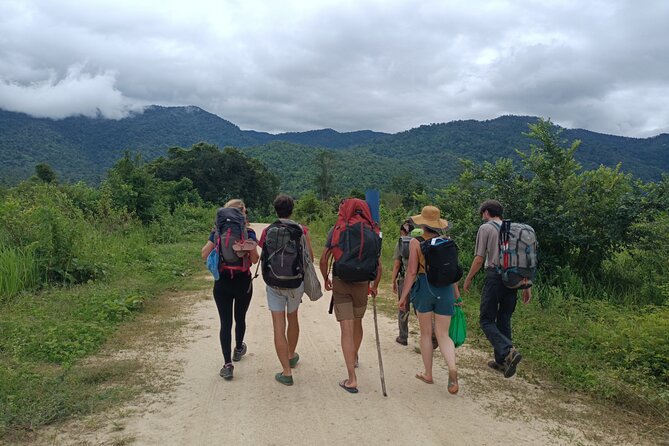
- Cambodia’s tallest peak target: Aural Mountain at 1,813 meters, plus sweeping views from the trail
- Bamboo-forest camping near a natural waterfall: tent or hammock nights in the jungle
- Village visits for real-life rural context: learn how people live outside the tourist lanes
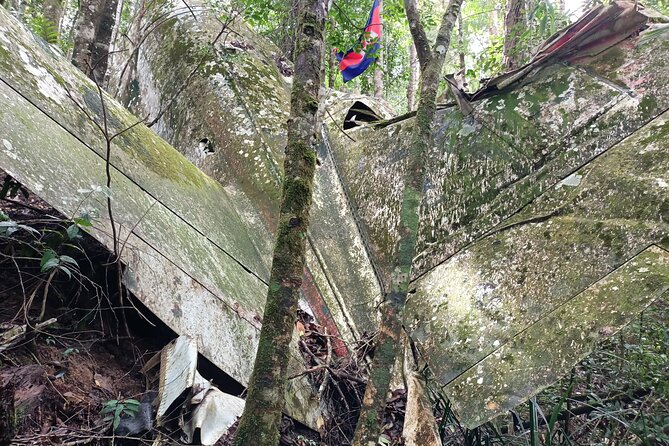
- A historical waypoint in the forest: the wreckage of a Lon Nol air force plane shot down in 1974
- Small-group feel: guaranteed 2–12 travelers, with a maximum of 10
Aural Mountain (1,813 m) and the real reason this trek feels special
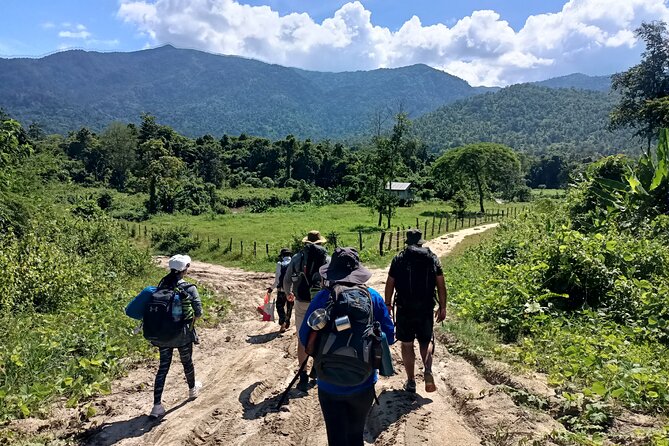
On paper, this is a 3-day hike. In practice, it’s a chance to chase the physical challenge of Cambodia’s tallest peak while staying in a part of the country that still feels wild and untamed.
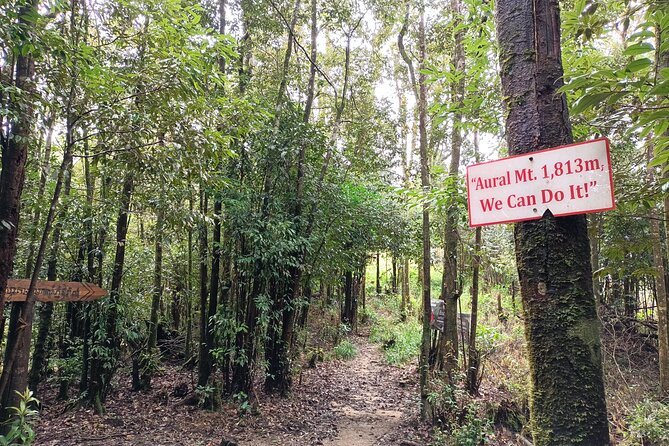
The summit goal is Aural Mountain (1,813 m), and the trail doesn’t just go straight uphill. You’ll also pass viewpoints over “9 hills” along the trekking route, which helps break up the effort—there are moments when you feel like you’re climbing toward something bigger, not just suffering for the sake of it. And since the scenery includes evergreen mountain views, you’re not only chasing elevation. You’re chasing the feel of being surrounded by forest and ridgelines for days.
One of the most memorable elements is the combination of hiking and history. You’ll stop at a plane-crash site in the forest. The wreckage is described as belonging to one of Lon Nol’s air force planes, shot down in 1974 during the civil war. That detail gives your hike a new layer: you’re not just walking through nature; you’re moving through a landscape that also carries stories people still remember.
If you like trips that mix effort with meaning, this one makes sense. If you only want a comfortable nature walk with minimal unpredictability, it may feel too demanding for your style.
You can also read our reviews of more hiking tours in Phnom Penh
Getting from Phnom Penh to the mountains: transfers, timing, and what to bring
This trek starts early. Your start time is 7:30 am, with hotel pickup and drop-off included. The tour also includes round-trip private transfer, and they’ll provide drinking water.
That early start matters more than it sounds. In hot, humid jungle terrain, beginning in the morning helps you get your walking rhythm before the conditions tighten.
Logistics that are easy to miss but important:
- You’re limited to 1 suitcase and 1 carry-on bag. If you’re traveling with oversized items (surfboards, golf clubs, bikes), there may be restrictions—ask before you go.
- The dress code is listed as formal. That’s unusual for a sweaty hike, so plan to follow it as best you can and ask how strictly they enforce it and at what moments it applies.
- Alcoholic drinks are not included, so if that’s part of your travel vibe, bring what you want.
- Travel insurance isn’t included, so you’ll want your own coverage.
One more practical note: they use a mobile ticket, and you’ll receive confirmation at booking.
My advice: treat this like a trekking weekend, not like a city tour. Even if the trip is fully supported, you still control comfort by packing correctly and showing up ready for a jungle night.
Day 1: bamboo forest camp, a waterfall nearby, and village learning
Your first day is about transitioning from transport mode into hiking mode, then settling into camp. The core setting is bamboo forest camping close to a natural waterfall, with a local support team.
You’ll also visit local villages. That part is valuable because it keeps the trek from becoming a bubble of only trees and sweat. Instead, you get a window into rural life and the culture of people living in the countryside. On treks like this, those village stops are often the moment where you realize your effort isn’t happening in a vacuum; it’s taking place alongside communities with their own routines, geography, and traditions.
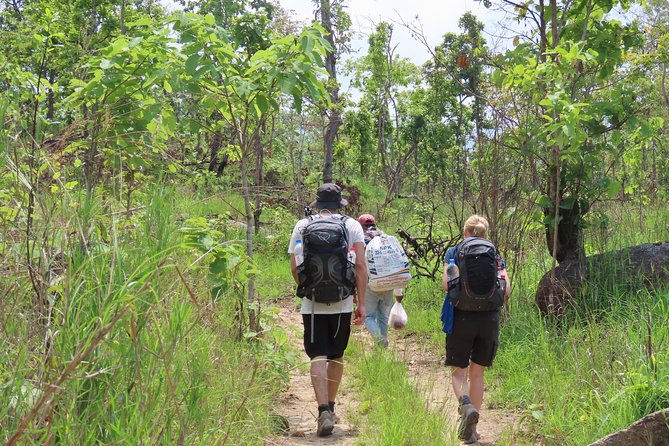
What I’d watch for on Day 1 is the physical texture of the hike. The conditions are described as hot and humid, and you should expect the jungle to come with its own set of challenges. Even with guides and support, you’ll be walking. You’ll also be adapting to camp life quickly: tent or hammock setup, local meals, and sleeping in the outdoors.
A small but important mindset shift: don’t wait until you’re exhausted to start thinking about comfort. Once you’re in the bamboo forest, you’ll want to be ready for the reality of insects and humidity, not just the thrill of being there.
Day 2: the summit push toward Aural—and the plane-crash stop in the forest
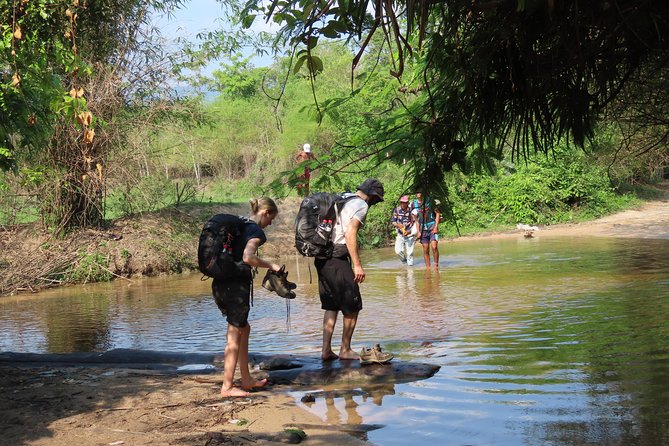
Day 2 is where the trek earns its reputation.
You’ll be working through a route that reaches base camp areas (the trekking challenge includes getting up to base camp 1 and base camp 2), and then you move toward the top. The descriptions emphasize steep effort in hot and humid conditions, so pacing matters. Guides are there to keep the group moving safely, but you still need a steady approach.
The payoff is the peak itself: Aural Mountain at 1,813 m. That’s the moment the whole trip becomes more than a multi-day walk. You’re aiming at the highest point in Cambodia, and the views are built into the route—plus you get those expanding visuals over evergreen mountain country and the surrounding hills.
And then there’s the plane-crash site in the forest. This is a rare kind of stop. It’s not a museum, not a roadside marker with a crowd—it’s a forest setting with wreckage tied to the Lon Nol air force and a downing in 1974 during the civil war. It adds weight to the experience. You’ll likely look at the surroundings differently after that.
Practical advice for the summit day: don’t treat it like a race. Treat it like a long, controlled effort. Bring your patience. Take breaks when the group needs them. And keep your focus on hydration and footing—jungle trekking punishes sloppy steps.
Day 3: one last jungle night under the trees and the return to Phnom Penh
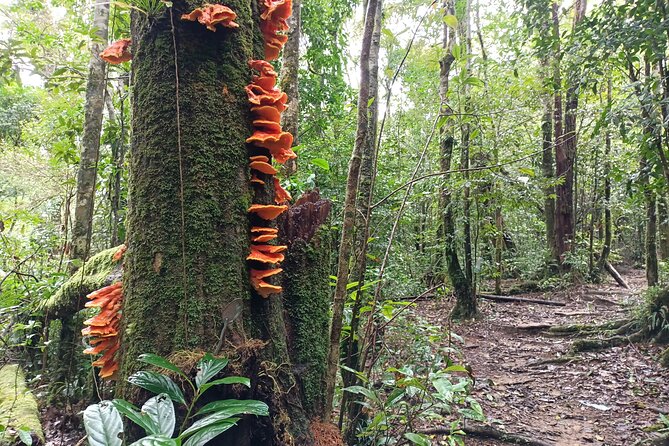
Day 3 is about finishing strong and shifting back to normal life.
After reaching the peak, you spend one last night sleeping under the trees and the stars at the second camp. That night is the emotional bookend of the trek. The schedule turns from “get there” to “soak it in.” You’re still outdoors, still in the jungle environment, but the mood tends to soften because the hardest part is already done.
Then you return to Phnom Penh. The tour includes round-trip private transfer, so the journey back is part of the package—not something you have to figure out yourself.
One thing to remember: after trekking in heat, outdoor nights can feel either magical or rough, depending on how you prepared. If you came ready for humidity and insects, that final stargazing night can be a highlight. If you’re expecting a hotel bed, you’ll want to adjust your expectations now.

How the “fully serviced” setup changes the trek (and your stress level)
This is not a self-guided survival weekend. The trip is built around full support.
Here’s what “fully serviced” means for you:
- Tent or hammock accommodation for 2 nights
- Meals included: breakfast, lunch, and dinner as per the plan
- Drinking water provided
- Guides and local support team who handle setup and cooking
- Hotel pickup and drop-off, plus private transfers
This matters because it changes what you carry and what you worry about. Instead of you figuring out camp logistics, you can focus on walking, learning, and taking in the surroundings. It also means you’re more likely to have consistent meal timing—which helps if you’re managing energy for summit effort.
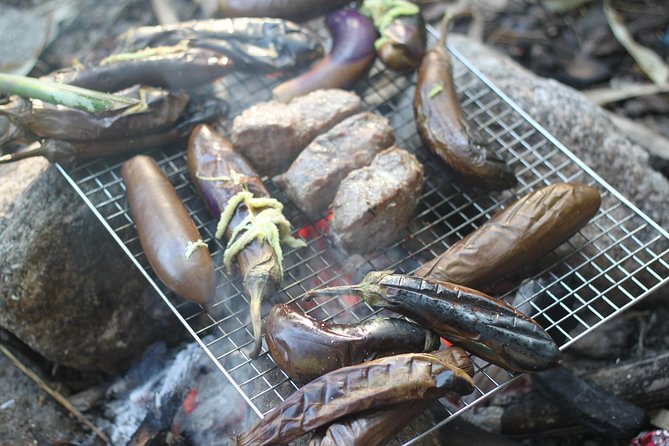
In the field, that support typically shows up fast: the team sets up camp, cooks local meals, and keeps the group moving on a schedule that makes the whole challenge possible.
My honest take: if you want the experience of jungle trekking but don’t want to spend your vacation solving logistics, this style is a good fit.
Hot, humid, and full of critters: fitness and comfort in the Cardamom
They ask for moderate physical fitness. That’s the right level of honesty for this kind of trek. You don’t need to be an elite athlete, but you do need to be comfortable walking for hours and handling day-to-day effort.
The trip is described as challenging—one review snippet calls it not for the faint-hearted, and that matches what the conditions suggest. Expect the combination of:
- Hot, humid walking days
- Tents for sleeping (with hammocks as an option)
- Lots of critters in the jungle environment
The practical question for you: are you okay with that trade-off? Because this is exactly what gives the trek its authenticity. You’re paying for proximity to the real outdoors, not polished comfort.
If you’re considering the trip and you’re on the fence, think through this: would you be fine with a tough hike, an outdoor sleep setup, and the reality of insects and humidity for a few days? If yes, you’ll probably love it. If you’re chasing comfort above all else, choose a gentler itinerary.
Price and value: what $385 covers (and what you still need to plan)
At $385 per person for about 3 days, you’re paying for more than “someone points you toward a trail.” What’s included is a meaningful bundle:
- Pickup and drop-off from Phnom Penh
- Professional guide and local guides
- 2 nights in tent or hammock accommodation (setup handled by the team)
- Meals (breakfast, lunch, dinner)
- Drinking water
- Local transport where required
- Round-trip private transfer
Also, the small-group format helps the value feel more personal. The trip has a maximum of 10 travelers, and it’s guaranteed small group between 2 and 12. That kind of group size can reduce waiting around and makes the guide attention more realistic.
What you still have to budget for:
- Alcoholic drinks
- Travel insurance
- Personal expenses
- Anything you might need for comfort that isn’t explicitly included (and you’ll want to pack smart for jungle nights)
One more value angle: the trip has free cancellation, which is helpful if your plans are still flexible. And since confirmation happens at booking and they start tours early, early reservation can make life easier when you’re coordinating days in Cambodia.
Who should book this Aural Mountain trek, and who should skip it
Book it if:
- You want to hike Cambodia’s tallest peak
- You’re comfortable with a multi-day challenge and outdoor sleeping
- You like learning from local village culture as part of the day, not as an optional add-on
- You enjoy a mix of nature and human history, including stops tied to the civil war era
Skip or rethink it if:
- You need hotel-style comfort and indoor sleeping
- You’re not ready for hot, humid hiking and jungle nights with insects/critters
- You have a fitness limitation that makes steady walking difficult (the trek is rated for moderate fitness, but it’s still a real climb)
This trip is best for people who want a controlled, guided adventure without pretending the jungle is easy.
Should you book Aural Mountain Trek with Vana Adventure Travel?
I’d tell you to book if your goal is a true mountain challenge with small-group support, jungle camping, and a summit that carries real bragging power. The mix of Aural’s height, bamboo-forest nights, village context, and the plane-crash site makes it more interesting than most “just hike and take photos” tours.
Before you commit, do two things: pack for humid outdoor nights, and double-check what the formal dress code means in practice for this trip. If you can handle the reality of tough walking and tents or hammocks, this trek is likely to feel like one of your more memorable Cambodia days.
If you want, tell me your fitness level and what kind of sleep setup you prefer (tent vs. hammock), and I can help you judge whether this trek matches your style.
FAQ
What’s the duration of the Aural Mountain trek?
The trek runs for about 3 days.
Where does the tour start, and what time does it begin?
It starts with meeting at 7:30 am, with hotel pickup offered in Phnom Penh.
How many people are in the group?
It’s guaranteed small-group: between 2 and 12 travelers, with a maximum of 10 travelers.
What’s included in the price?
The price includes hotel pickup and drop-off, professional guide and local guides, 2 nights accommodation by tent or hammock, meals (breakfast, lunch, dinner), drinking water, and round-trip private transfer.
What type of accommodation will I have?
You’ll sleep for 2 nights in a tent or hammock, with camping in bamboo forest close to a natural waterfall and a final night under the trees and stars.
What should I bring or plan for since it’s not included?
Alcoholic drinks aren’t included, and travel insurance and personal expenses aren’t included.