REVIEW · PHNOM PENH
Silk Island Cruise and Tours with English Speaking Guide
Book on GetYourGuide →Operated by Amazing Cambodia Tours · Bookable on GetYourGuide
A silk village from the river, in four hours. I love the English-speaking guide who explains the process clearly and answers questions, and I love the tuk-tuk loop that makes it easy to read everyday island life at a real pace. One thing to consider: the school visit is subject to the day’s schedule, so what you see there can vary.
This trip is built around river scenery and agricultural details. You’ll cruise past stilted houses and fishing areas while watching the Mekong and Four Faces Rivers, then you’ll spend time on the island seeing crops, a silk farm, and a Buddhist monastery. It’s straightforward, rain or shine, and the whole experience is designed to fit a 4-hour window.
In This Review
- Key highlights you’ll notice right away
- Cruise time: watching river life unfold before you even reach Silk Island
- The 4-hour rhythm: where the day goes and how the pace feels
- Tuk-tuk island touring: reading crops, plantations, and daily work
- Silk farm visit: from production steps to the finished scarves
- Buddhist monastery stop: a calm pause inside village culture
- School visit: what you can expect when the schedule allows
- Price and included value: what $49 covers (and what doesn’t)
- Who should book this Silk Island cruise, and who should skip it
- My booking advice: book if you want craft + village life in one afternoon
- FAQ
- How long is the Silk Island Cruise and Tours?
- Where does the tour start?
- Is lunch included?
- What’s included in the ticket price?
- What should I bring?
- Is swimming allowed?
- Do I need to worry about rain?
- Is it suitable for wheelchair users or people with mobility impairments?
- Is it good for people prone to seasickness?
- Is there a cancellation option?
Key highlights you’ll notice right away
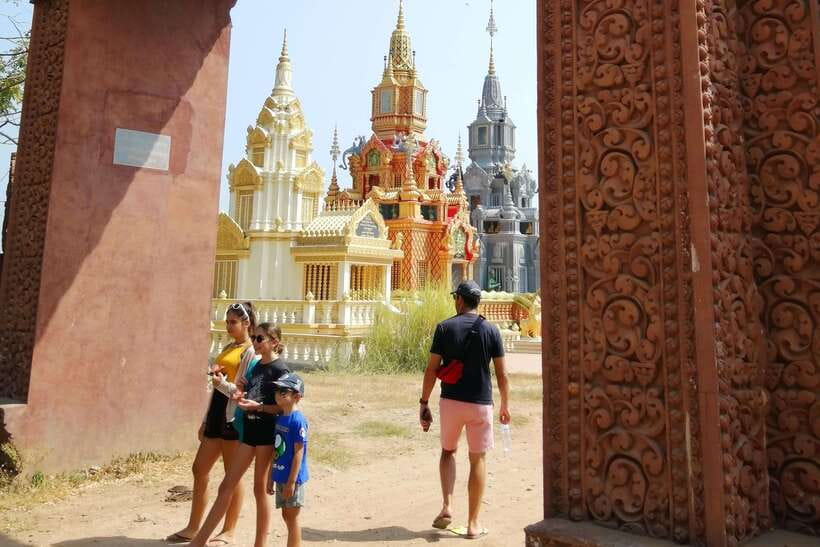
- Phnom Penh to Silk Island by boat with a full hour on the water and classic riverfront views
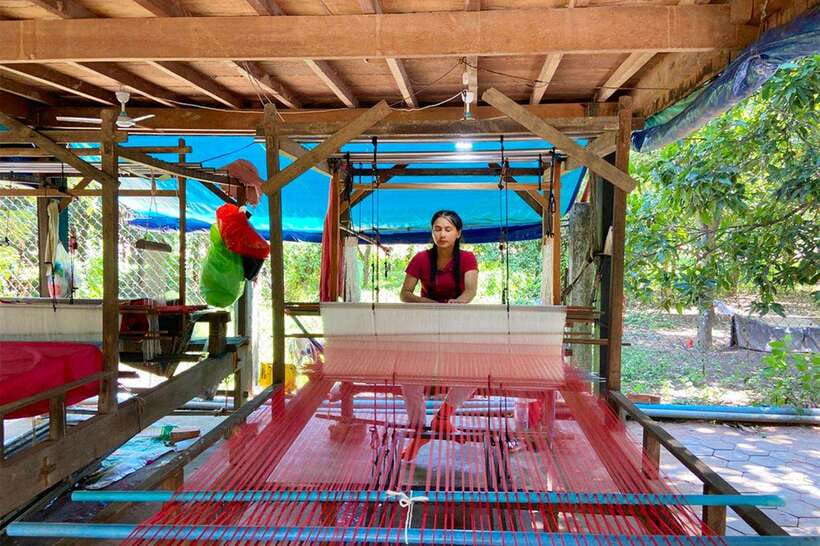
- A guided silk farm visit where you can follow the steps from raw material to finished goods
- Island touring by tuk tuk so you can spot mango, banana, and other crops without rushing
- Cultural stops beyond silk, including a Buddhist monastery
- Primary school time when possible, coordinated by the school schedule
- Included refreshment (unlimited beer, soft drinks, and water) plus a fresh fruit platter
Cruise time: watching river life unfold before you even reach Silk Island
The experience starts with a boat ride from Phnom Penh to Silk Island, taking about one hour. That hour matters more than you might think. On a river cruise, the scenery does the work: you see where people live, how communities cluster along the water, and how daily routines adapt to the tides and river rhythms.
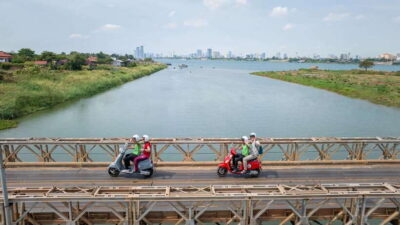
As you travel, you’ll pass stilted houses and fishing villages, and you’ll get views across the Mekong and Four Faces Rivers. This is one of the best parts of the day if you like context. Before you learn about weaving, you’re already seeing the “why” behind it: island life is tied to water, small-scale farming, and work that happens close to home.
It’s also why this tour feels different from a quick drop-off. You’re not just traveling to a factory-style demonstration. You’re moving through an actual living landscape, and the boat time helps you get your bearings fast.
You can also read our reviews of more boat tours in Phnom Penh


The 4-hour rhythm: where the day goes and how the pace feels

The tour is built as a 4-hour outing. Hotel pickup and drop-off are included, and pickup timing depends on your location—typically 30 minutes beforehand. That means you should plan for a fairly tight schedule once you leave the hotel.
Once you’re on the water and on the island, you’ll get a clear flow: boat ride, tuk-tuk touring, silk farm, monastery, and then the primary school visit if the day’s schedule allows it. The best part is that the structure leaves room for questions. The guide is there to explain the process and the lifestyle, not just march the group along.
A practical note: this tour runs rain or shine. If you’re the type who gets cranky in bad weather or hates being out in sun, keep that in mind. One of the tradeoffs with a short, set-time itinerary is that you may spend some time outdoors while you’re waiting for the next segment.
If you get seasick easily, this one can be rough. It’s not labeled as a “gentle waters” option, and the itinerary includes a boat crossing—so be honest about your comfort level.
Tuk-tuk island touring: reading crops, plantations, and daily work
When you reach Silk Island, you hop into a tuk-tuk around the village area. This portion is key because it turns “a silk village” from an abstract idea into something you can actually see.
As you ride, you’ll pass mango and banana plantations and areas used for different crops. You also get a sense of how the island supports weaving and village life. Silk doesn’t come from nowhere; it depends on nearby land, labor, and the kind of routine that keeps villages stable year after year.
What I like about this approach is that it’s not only about products. You’re shown the ingredients of life—food crops, working spaces, and how people move through the island. It also keeps the tour from feeling like a single long stop. You’re traveling in short segments, so your attention stays on what’s happening around you.
If you care about authenticity, this is the sweet spot: you’re not just walking through a curated exhibit. You’re watching the village function, at a pace that stays friendly for a short afternoon.
Silk farm visit: from production steps to the finished scarves

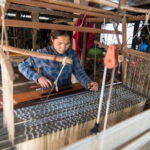
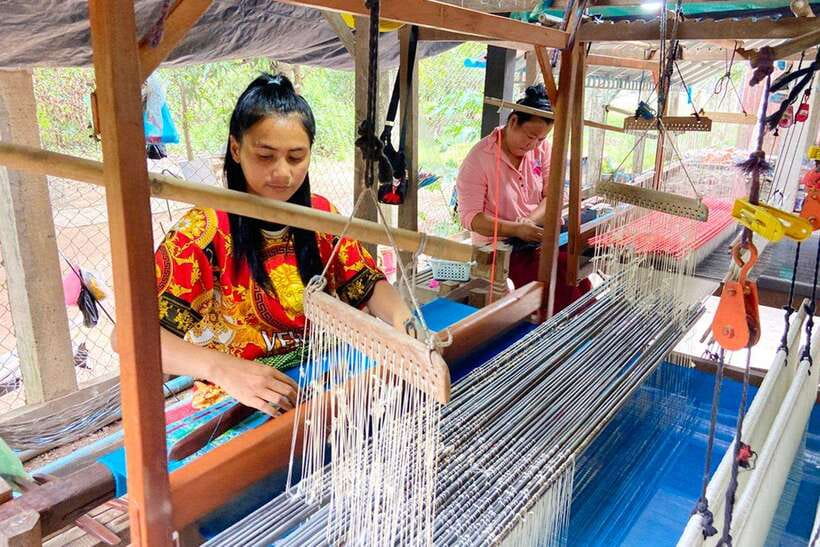
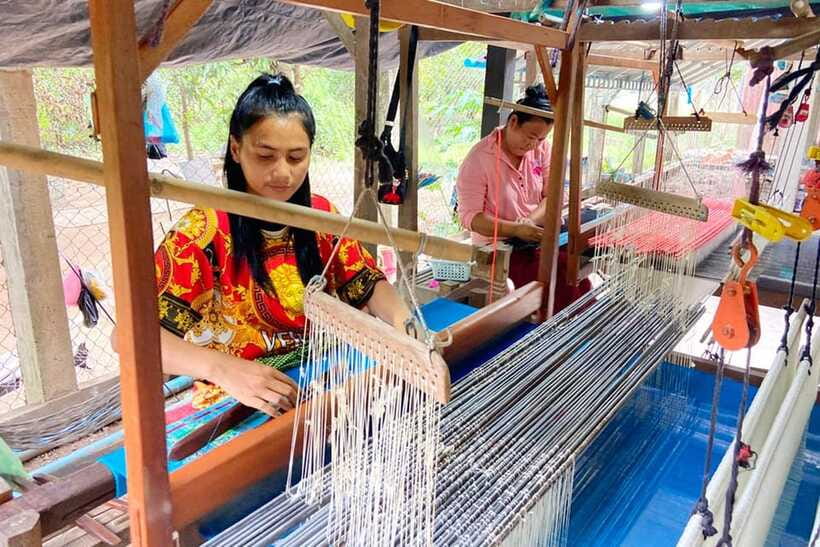
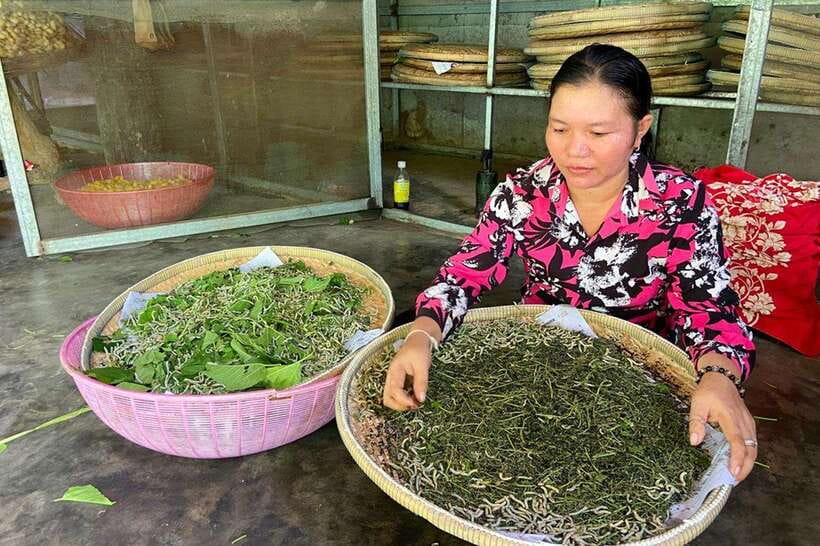
The heart of the day is the silk farm and the explanation of how silk products are made. This is where the guide’s teaching style really matters, and it’s one of the most praised parts of the experience: you’ll see the process in an ordered way and you can ask follow-up questions.
You’ll learn how silk production works, including the full chain that leads to silk scarves and finished products. The most satisfying part is that you don’t just hear about silk—you can see the steps and understand how the work transforms raw material into something wearable.
It’s also a good place to slow down mentally. Silk weaving is one of those topics where people often feel they’ve only scratched the surface. Here, you’re given enough detail to connect the dots between labor, raw material, and the final craft.
One more practical thought: because the time on the island is limited, it helps to go in with a question or two. For example, ask what part of the process is most labor-intensive, or what you should look for when you’re deciding between products. The guide is positioned to answer, and the best explanations come when you steer them slightly.
Buddhist monastery stop: a calm pause inside village culture
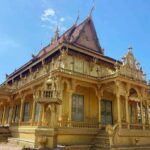
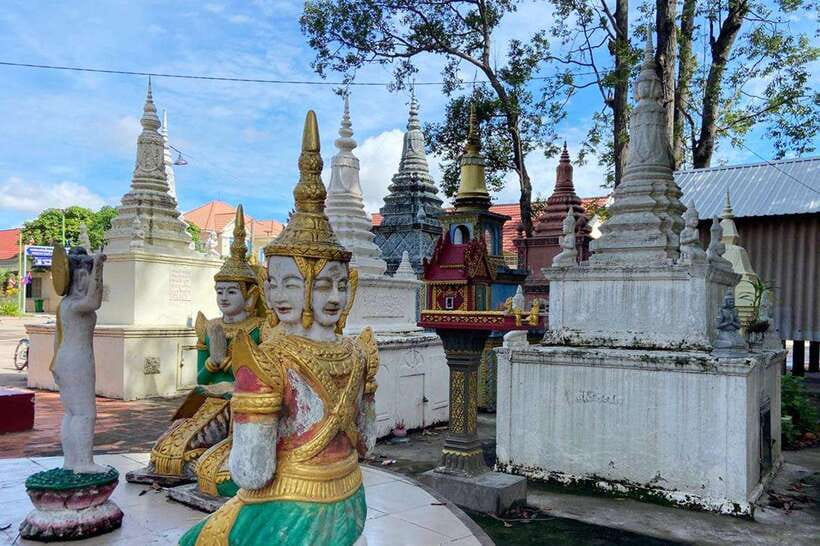
Between the working parts of the day, you’ll visit a Buddhist monastery. This stop changes the tone. After looking at production and agriculture, the monastery helps you understand that village life isn’t only about work and goods. It also includes the spiritual rhythm that shapes daily decisions and community identity.
I like monastery visits on tours because they give balance. Without them, a silk tour could feel like a themed shopping trip with a few photos. Here, you get a genuine cultural context point, and it also gives you a break from the motion of the day.
Time at the monastery isn’t described as a long deep visit, so treat it as a meaningful quick stop rather than a long cultural immersion. It’s still worth paying attention, because it frames the rest of the day in a wider lens.
You can also read our reviews of more guided tours in Phnom Penh



School visit: what you can expect when the schedule allows
Part of this tour includes visiting children in a local primary school, but it’s subject to the school schedule that day. That scheduling detail is the most important “fine print” for anyone who is excited to see this segment.
Here’s the practical way to plan for it: don’t count on a perfectly timed experience where you’ll be there for the exact same length every day. If the schedule allows it, you’ll see a school visit as part of the tour. If the schedule is different, the experience could shift.
I recommend approaching this part respectfully and calmly. In a short tour, the temptation is to treat school visits like another photo opportunity. Instead, treat it like a community moment: look, listen if your guide shares context, and keep it low-key.
Also, if this school segment is a make-or-break reason for booking, it’s worth asking the operator about how the day’s schedule is typically handled. The data you have confirms it’s not guaranteed in a fixed way—it’s coordinated by the school itself.
Price and included value: what $49 covers (and what doesn’t)
At $49 per person, this tour is priced like a short, guided excursion that includes a lot of “basic costs” up front. You’re not just paying for a boat. You also get hotel pickup and drop-off, an English speaking guide, audio guide in English, entrance fees, and a tuk-tuk trip around the island.
Food and drink are also handled for you: there’s an unlimited supply of beer, soft drinks, and water, plus a fresh fruit platter. If you’ve done tours in Cambodia that nickel-and-dime everything, this is one of the easiest values to appreciate.
What isn’t included is lunch, so you should eat before you go. And you’ll have personal expenses if you buy anything on the island, tip, or add extras outside what’s listed.
One more practical point: the tour notes that you should bring cash. That’s usually your cue for small purchases—like souvenirs—so plan accordingly.
Who should book this Silk Island cruise, and who should skip it
This is a great match if you want a compact day that connects real village life with a hands-on craft. You’ll like it if you’re curious about how silk is produced, want to see how island crops grow, and don’t mind that the day is structured to fit a 4-hour block.
You may want to skip it if any of these apply:
- Mobility impairments: it’s not suitable, and wheelchairs are not allowed
- Seasickness-prone travelers: the schedule includes a boat ride, and there’s no alternative mode stated
- Anyone hoping for a long, slow, deep cultural immersion: the itinerary is short and the day needs to move
Also, no swimming is allowed. That’s a reasonable rule, but it’s worth knowing if you planned to cool off in the river.
If your comfort is solid with short outdoor time, boat travel, and a guided pace, this tour is an efficient way to see the “silk island” side of Cambodia without spending a full day commuting and planning.
My booking advice: book if you want craft + village life in one afternoon

If you’re choosing between lots of Cambodia tours, this one is a strong option because it does two things well: it shows the craft of silk production, and it also shows the living context that supports it. The guide quality is a big part of why this works—clear explanations, plenty of openness to questions, and the sense that you’re not being rushed through a script.
Book this when:
- You want English-guided clarity about silk making
- You like real village touring, not only museum-style stops
- You want river scenery plus island agriculture in a single 4-hour outing
Consider skipping or pairing it with something else if:
- You mainly want a very long, detailed history lesson (this day is focused on lifestyle and production)
- You’re sensitive to boat movement or you can’t handle limited mobility
If you fit the sweet spot, you’ll come away with a much better understanding of what silk weaving means here—because you saw the island that feeds the craft, not just the final scarf.
FAQ
How long is the Silk Island Cruise and Tours?
The tour lasts 4 hours.
Where does the tour start?
It includes hotel pick up and drop off in Phnom Penh. Pickup time depends on your location, typically about 30 minutes beforehand.
Is lunch included?
No. Lunch is not included, so it’s recommended to eat before your tour.
What’s included in the ticket price?
Included: hotel pickup and drop-off, unlimited beer/soft drinks/water, a fresh fruit platter, tuk-tuk trip around the island, entrance fee, and an English speaking guide (plus an English audio guide).
What should I bring?
Bring cash.
Is swimming allowed?
No. Swimming is not allowed on this tour.
Do I need to worry about rain?
The tour takes place rain or shine.
Is it suitable for wheelchair users or people with mobility impairments?
No. Wheelchairs are not allowed, and the tour is not suitable for people with mobility impairments.
Is it good for people prone to seasickness?
It may not be a good fit. The tour includes a boat trip, and it’s noted as not suitable for people prone to seasickness.
Is there a cancellation option?
Yes. You can cancel up to 24 hours in advance for a full refund.