REVIEW · PHNOM PENH
Khmer Cooking Class Full Day
Book on Viator →Operated by Banana Cooking Class · Bookable on Viator
Market mornings make cooking classes real. In this Khmer Cooking Class Full Day in Phnom Penh, you start with market shopping where Chef LomAng Peark shows you which fruits, vegetables, herbs, and spices to buy, and why they matter. Then you cook in the kitchen with hands-on cooking at your own station, with guided help so you learn the methods behind classics like spring rolls, mango salad, and fish a mok.
This is a great, practical day—especially if you care about taking real Khmer flavors home. The main consideration is the full-day schedule: it runs about 8 hours, so you’ll want to treat it like the core event of your trip day rather than a quick side activity.
In This Review
- Key highlights
- Why This Full-Day Khmer Class Starts at the Market
- Banana Cooking Class Check-In, Tuk-Tuk Ride, and What’s Provided
- Morning Theory: How the Chef Demonstrates What You’ll Cook
- Hands-On Khmer Cooking: Wok Time From 11:00 to Lunch
- Lunch That You Actually Made (12:00 PM)
- Afternoon Session: Dishes That Take Longer (and Why That’s Good)
- What You Take Home: Recipes, Certificate, and Photo Moment
- Price and Time: Is $58 Good Value in Phnom Penh?
- Who This Full-Day Khmer Class Fits Best
- Practical Tips So You Get More From Your Day
- Should You Book This Khmer Cooking Class Full Day?
- FAQ
- How long is the full-day Khmer Cooking Class?
- Where does the class start?
- What time does the full-day class begin?
- Is this class private?
- What dishes will I cook?
- Do I get recipes to take home?
- What is the cancellation policy?
Key highlights
- Market walk with Chef guidance to pick ingredients you’ll actually use
- Full-day plan (about 8 hours) with morning theory, then two hands-on cooking sessions
- Your own cooking station and wok, not just watching from the sidelines
- Chef assistance throughout, including adjustments to what you’re cooking when possible
- You eat lunch you made, then taste your afternoon dishes before the certificate
- Recipes to take home, plus a certificate and photo session at the end
Why This Full-Day Khmer Class Starts at the Market
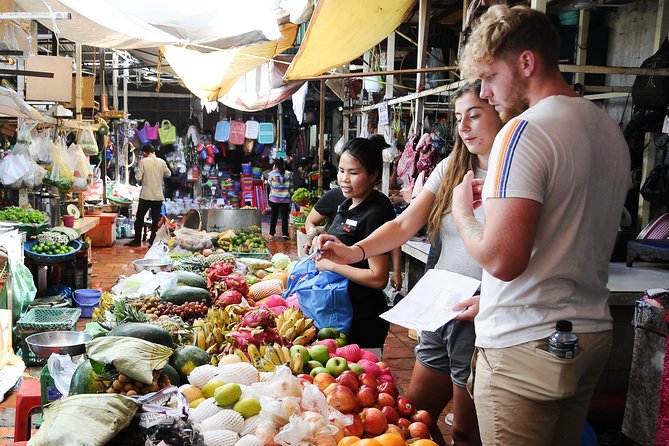
The best part of Khmer cooking isn’t the stove. It’s the shopping.
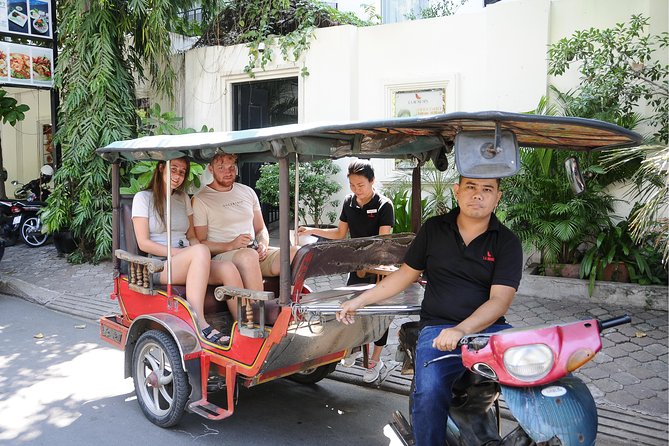
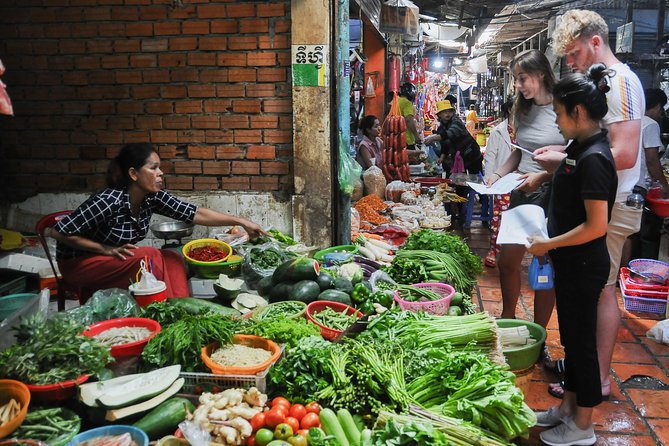
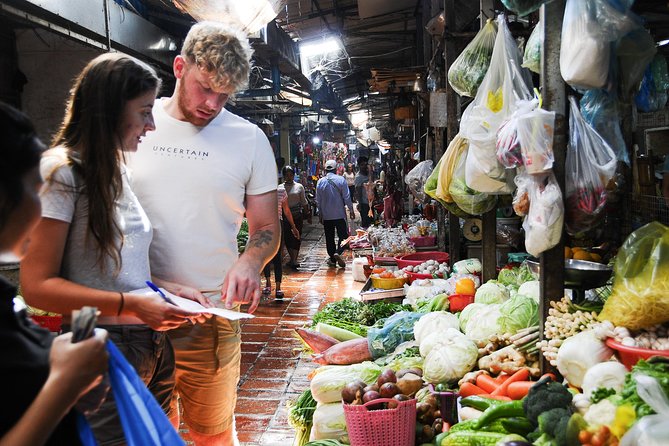
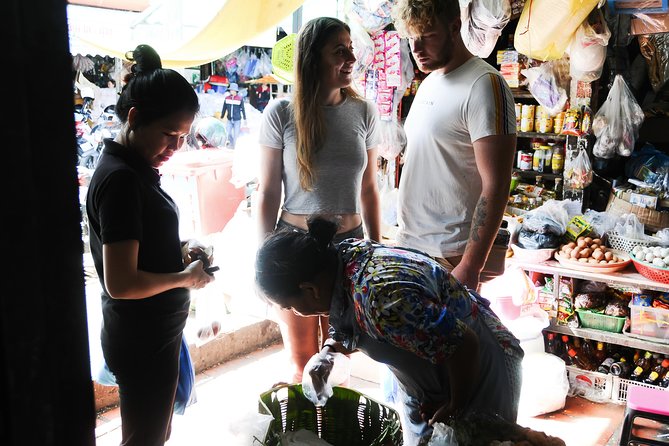
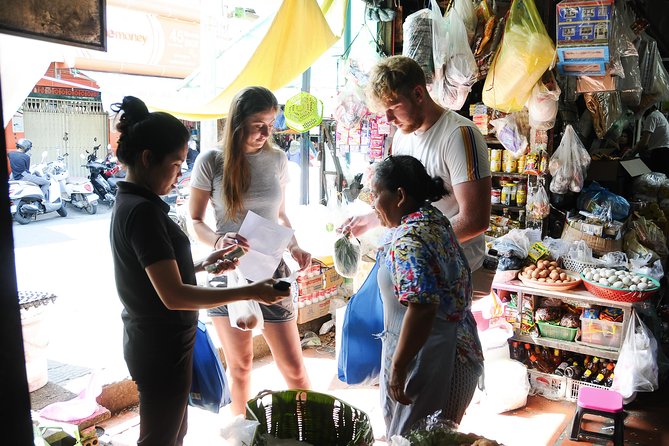
You meet at Banana Cooking Class in Phnom Penh and head out by tuk-tuk to a local market. Once you’re there, your guide shows you the ingredients you’ll turn into your meal—Cambodian fruits, vegetables, and spices—so you’re not just learning a recipe. You’re learning how to shop with flavor in mind.
Here’s why this matters for you after the class. If you try to recreate a Khmer dish at home without understanding what you bought (and what it’s supposed to do), you’ll usually end up with a “similar” meal instead of the real thing. The market phase helps you connect each ingredient to taste and technique—like how herbs support freshness, how spices build warmth, and how certain produce choices change the final balance.
You’ll also get the rhythm of the day. Starting in the market sets you up mentally: you know what you’re looking for, you know what you’re building toward, and you’re ready to cook once you’re back at the class.
You can also read our reviews of more cooking classes in Phnom Penh
Banana Cooking Class Check-In, Tuk-Tuk Ride, and What’s Provided
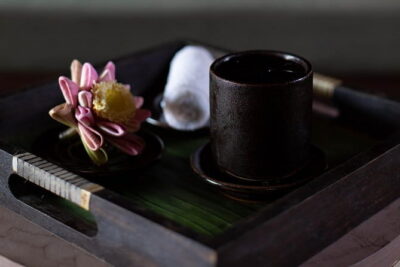
After the tuk-tuk market trip, you return to Banana Cooking Class around late morning. The flow is simple and timed: you come in, and you’re given a refreshing drink and a cold towel, plus your recipe for the day.
That small welcome step is more important than it sounds. Cooking classes can get warm fast, especially after a market walk. The cold towel is the difference between feeling fresh enough to learn and feeling slightly fried by mid-morning.
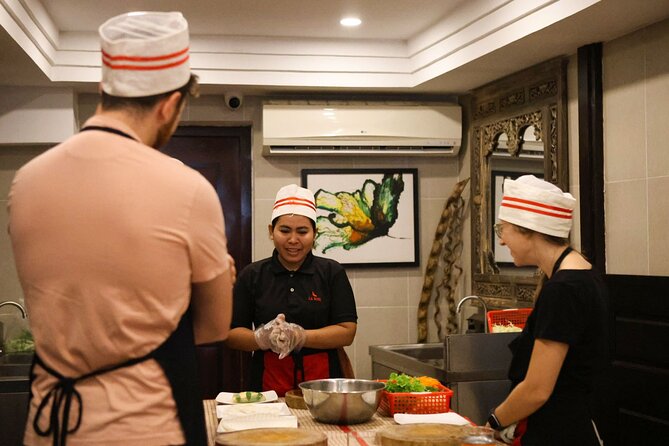
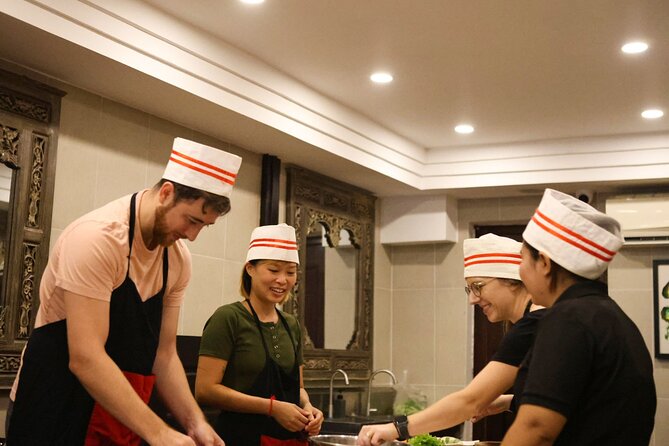
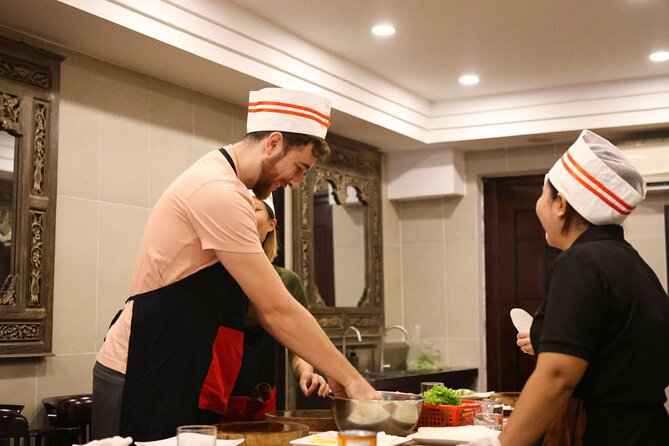
The class itself is set up for real cooking, not classroom theater. Each student has their own cooking station and wok. That layout is key. When you’re actively cooking at your own station, you’re more likely to remember what to do (and what not to do) the next time you’re in your own kitchen.
Another practical note: this is described as a private tour/activity. That means you’re cooking with only your group, not mixing into a random crowd. In practice, private groups usually make it easier to ask questions and get more direct attention.
Morning Theory: How the Chef Demonstrates What You’ll Cook
At Banana Cooking Class, the morning includes a theory session. The chef presents a cookery demonstration of the dishes you’ll prepare.
This is the part that helps you avoid the common mistake: getting to the stove too quickly and then guessing your way through steps. In a good demo, you’re watching for technique cues—how ingredients are handled, how heat is managed, and what the dish should look like at each stage.
Chef LomAng Peark comes up in multiple experiences as friendly and clear, with good communication. You should expect an emphasis on explanation as you go, not only a show-and-tell style demo.
You can also get a little flexibility. Some experiences note that when people asked for changes to the menu, the staff worked quickly to offer delicious alternatives. So if you have preferences or dietary concerns, it’s worth raising them early in the day, when the chef can still steer the plan.
Hands-On Khmer Cooking: Wok Time From 11:00 to Lunch
Around late morning, you switch from watching to doing.
This is when the class becomes very hands-on. Each student cooks at a station with a wok, and you’re assisted by the chef as you learn the culinary techniques of Cambodian cuisine. The goal isn’t just to finish dishes. It’s to understand the process well enough that you can repeat it later.
Your morning menu can include classic Khmer dishes such as:
- spring rolls
- mango salad
- fish a mok
- and other Khmer staples depending on the day’s plan
Some experiences also mention a green mango-based preparation and Khmer yellow curry, plus a banana palm dessert. The big idea: you’re cooking a mix of savory and fresh dishes, not only one heavy entrée.
Why the station setup matters: when your hands are doing the work, you learn timing. You see how quickly herbs release aroma. You learn when a sauce thickens. You learn how to balance flavors so the dish tastes right even if you don’t use the exact same ingredients at home.
And yes, you’ll probably feel proud while doing it. There’s something satisfying about making spring rolls or curry with your own hands and then having the chef check your technique in real time.
Lunch That You Actually Made (12:00 PM)
Lunch starts at 12:00 pm, and it’s your own cooking.
This is one of the best “value moments” of the day: you’re not simply learning. You’re eating what you cooked. That makes the day more than a workshop—it becomes a complete meal experience.
Expect to taste and enjoy what you made, and use the lunch break to reset. Cooking classes have a way of moving quickly from chopping to heat to tasting, and lunch gives you a moment to notice what’s delicious and what needs refinement (even if the chef already helped you get it right).
This is also a great time to think about home cooking. As you eat, ask yourself:
- Which dish matched what you hoped it would taste like?
- What flavor stood out—sweet, sour, salty, herbal?
- Were there ingredients you’d want to replace easily later?
That kind of self-check turns the recipe booklet into a practical tool, not a souvenir.



Afternoon Session: Dishes That Take Longer (and Why That’s Good)
After lunch, the class restarts at 3:30 pm with another hands-on cooking period.
The afternoon focus is on dishes that take more time to prepare. That shift is smart. Many cooking classes only teach the fast wins. This one gives you room to learn dishes that require patience—things where texture, cooking duration, and staged steps matter.
As the afternoon goes, you’ll cook again at your own station with chef assistance. Then around 4:30 pm, you taste and enjoy your afternoon creations, and you get a bit of time to relax.
This timing works well if you’re planning a real day in Phnom Penh. You’re not forced to race through everything. You get breaks, you eat what you cook, and you end with a tasting window rather than rushing to a hard stop.
And if you’re cooking with kids, this pacing tends to help too. One experience mentions the chef engaging well with children ages 7, 10, and 12. A longer format with guided steps can turn “cooking time” into a shared activity instead of a frustrating chore.
What You Take Home: Recipes, Certificate, and Photo Moment
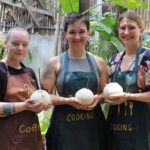
By 5:00 pm, the class finishes with a certificate and a photo session.
The recipe part is genuinely useful. The class highlights that you keep the recipes and take them home, and multiple experiences note that people appreciated being able to cook the food again later. In other words: you leave with more than memory. You leave with instructions you can actually follow.
The certificate and photos are optional in spirit but fun in practice. It gives the day a finish line, and it’s a nice way to make the experience feel complete.
If you’re someone who likes to collect tangible proof of travel experiences, this scratches that itch without turning the class into something gimmicky.
Price and Time: Is $58 Good Value in Phnom Penh?
At $58 per person for a full day (about 8 hours), the value comes from how much is included and how the time is used.
You’re paying for:
- a market ingredient walk (by tuk-tuk)
- guided theory and hands-on instruction with chef assistance
- your own cooking station and wok for multiple dishes
- lunch built from your own cooking
- recipes you can take home
- certificate and photo session
A common issue with cheaper cooking classes is they feel like a performance: you watch, you sample, you leave. Here, you do the cooking. That makes the time feel justified.
Also, the market visit can be surprisingly educational. If you’re the type who wants to understand what makes Khmer food taste like Khmer food, learning what to buy and why is part of the education value—not an add-on.
One more practical note: the class is commonly booked about 28 days in advance on average. That’s a hint that schedules move fast. If you’re traveling at peak times, I’d plan ahead.
Who This Full-Day Khmer Class Fits Best
This is a strong fit if you want authentic Khmer food skills, not just a meal. It’s also a good choice if you enjoy interactive learning—because you’re cooking at your station the whole time.
It works especially well for:
- Home cooks who want technique they can repeat
- Food-first travelers who like understanding ingredients, not only eating dishes
- Families who want a structured day where kids can participate (especially with an engaging chef)
- Small groups who want personal attention in a private setup
If you’re traveling alone, private-group structure can still be an advantage—more direct support and clearer communication while you cook. If you’re traveling with a partner, you’ll likely appreciate doing the chopping, mixing, and cooking together instead of splitting up roles in a crowded class.
Practical Tips So You Get More From Your Day
A few small choices will make your cooking day smoother.
- Arrive ready to cook. Wear comfortable clothes and shoes you can move in. You’ll be standing and working for hours.
- Bring curiosity. Ask what something is for before you add it. That turns instructions into understanding.
- If you have dietary needs, raise them early. Some experiences note the menu can be modified when people asked for changes.
- Pace yourself with water. Market mornings can be warm, and you’ll be active twice during the day.
- Take notes on flavors at lunch. You’ll remember the taste later when you’re cooking from the recipe.
Also, keep a bit of energy for the walk back and the tasting at the end. The last stage is where everything clicks.
Should You Book This Khmer Cooking Class Full Day?
If you want a full Khmer cooking day with real instruction—market, technique, multiple dishes, lunch, and take-home recipes—this one is an easy yes. The combination of market shopping with hands-on cooking at your own station is exactly what turns it from a nice activity into a skill you’ll use again.
Book it if you:
- care about learning Khmer ingredient choices, not just copying recipes
- like structured cooking with chef guidance
- want a day worth of food and instruction for one set price
Skip it only if you strongly prefer shorter activities or you don’t want to commit to about 8 hours of cooking and eating in one stretch.
FAQ
How long is the full-day Khmer Cooking Class?
The full-day course runs for about 8 hours.
Where does the class start?
You meet at Banana Cooking Class, 1, 4b Abdul Carime St. (21), Phnom Penh, Cambodia. The activity ends back at the same meeting point.
What time does the full-day class begin?
The full-day class starts at 9:00 am.
Is this class private?
Yes. It’s described as a private tour/activity, so only your group participates.
What dishes will I cook?
The class covers Khmer recipes such as spring rolls, mango salad, fish a mok, and more. The exact menu can vary by the class plan, and you may be able to request changes.
Do I get recipes to take home?
Yes. You keep the recipes and take them home.
What is the cancellation policy?
Free cancellation is available up to 24 hours in advance for a full refund. If you cancel less than 24 hours before the start time, the amount paid is not refunded.