REVIEW · PHNOM PENH
From Phnom Penh: Angkor Wat, Bayon, and Ta Prohm Day Trip
Book on GetYourGuide →Operated by Cambodia Taxi Driver · Bookable on GetYourGuide
Angkor in one day sounds intense, and that is exactly the point. This Phnom Penh to Siem Reap trip packs the big three temples—Angkor Wat, Bayon, and Ta Prohm—into a single long day, with an English-speaking guide explaining what you’re seeing as you walk.
I especially like how the tour keeps things comfortable and guided: you’re in a private air-conditioned vehicle with door-to-door pickup, bottled water, and temple-side support at the sites. Second, the storytelling sticks, because each temple has a different purpose and design—so the day feels connected instead of just “three stops, next please.”
The only real downside is the time commitment. It’s a full 14 hours, and the drive is long both ways (about 5.5 hours each way), so you’ll want solid shoes and a heat plan.
In This Review
- Key things I’d bank on
- From Phnom Penh to Angkor Wat: why this one-day route makes sense
- The long drive: comfort, stops, and why your morning matters
- Angkor Wat at first light: towers, symbolism, and how to actually look
- Bayon Temple: the 216 faces and the calm inside the corridors
- Ta Prohm: the jungle-returned ruins you came for
- Outer temple grounds and the “extra time” that makes it feel worth it
- Price and value: what $179 really buys you (and what it doesn’t)
- What to wear, what to pack, and how to make the day easier
- Who should book this day trip from Phnom Penh
- Should you book this Phnom Penh to Angkor Wat day trip?
- FAQ
- How long is the day trip?
- What temples does the tour include?
- Where does the pickup happen?
- Are Angkor entrance fees included in the price?
- Is lunch included?
- What’s included for transportation?
- What language is the tour guide?
- Is flash photography allowed?
- Is this tour wheelchair accessible?
Key things I’d bank on
- Private driver + English guide: no scrambling for transport or reading signs alone
- Early start for cooler temples: you’re pushed toward the best timing for seeing major monuments
- Angkor Wat’s full “why it matters”: Hindu-to-Buddhist layers explained while you’re there
- Ta Prohm as you remember it: unrestored stone with jungle pull, plus photo-friendly viewpoints
- Temple etiquette matters: modest dress and no flash keep your visit respectful and smooth
From Phnom Penh to Angkor Wat: why this one-day route makes sense
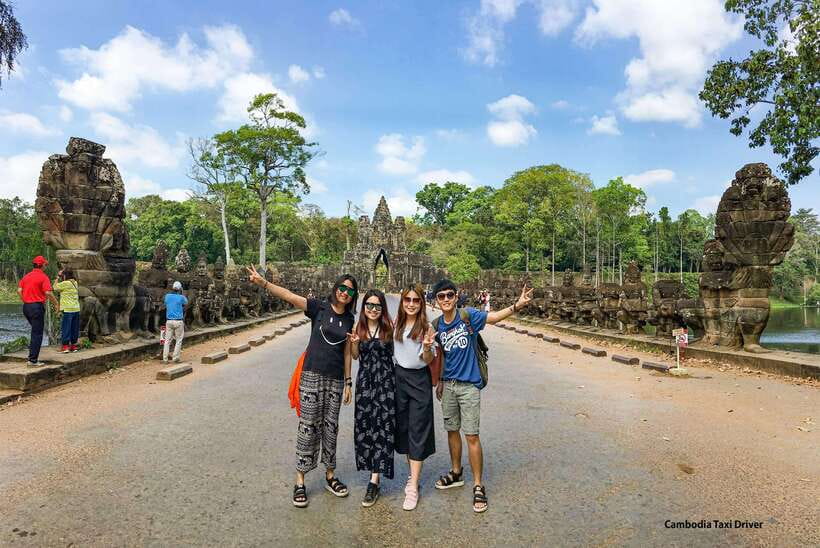
If you’re based in Phnom Penh and short on time, this is the most direct way to hit Angkor without adding flights and hotel logistics. The tradeoff is obvious: you’re spending a big chunk of your day in transit. But if you want the iconic temples and you don’t want to commit to an overnight in Siem Reap, this day trip is the practical answer.
What makes this route work well is the pacing. You don’t just arrive and rush through. You start early, you focus on the “big three,” and you get context for what each site is meant to communicate—religion, power, and how empires left their mark in stone.
Also, the private setup matters. A group that’s just you (or your small party) tends to move at your walking pace. When the guide points out where to stand for photos or how to read the layout, you can actually take it in instead of being swept along.
You can also read our reviews of more tours and experiences in Phnom Penh


The long drive: comfort, stops, and why your morning matters
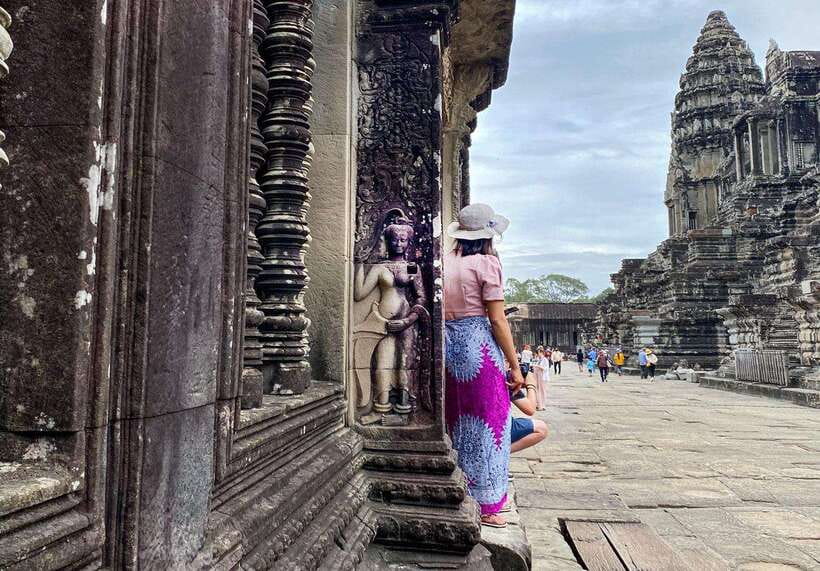
Let’s talk logistics, because it’s what you’ll feel most. The day is built around the drive from Phnom Penh to Siem Reap (around 5.5 hours) and the return (again about 5.5 hours). That’s a lot of hours behind the wheel in one day, so comfort isn’t a small detail.
In practice, this tour runs in an air-conditioned vehicle with a private driver who meets you at your hotel and keeps the plan on track. You’ll have cold bottled water, and many guides and drivers also help your day feel easier with small conveniences like bathroom breaks and the option to rest when you can.
One pattern I saw in the experience is that drivers tend to adjust around real needs: legs, coffee, and staying on time for your temple windows. People also mention that the ride can be smooth enough to sleep a bit on the way out, which is a big deal when you’re hitting temples all day.
My practical tip: if you’re doing the early departure option, treat the ride like part of the trip. Wear something comfortable, keep your hat and sunscreen within reach, and plan your camera battery before you get to the temples.
Angkor Wat at first light: towers, symbolism, and how to actually look
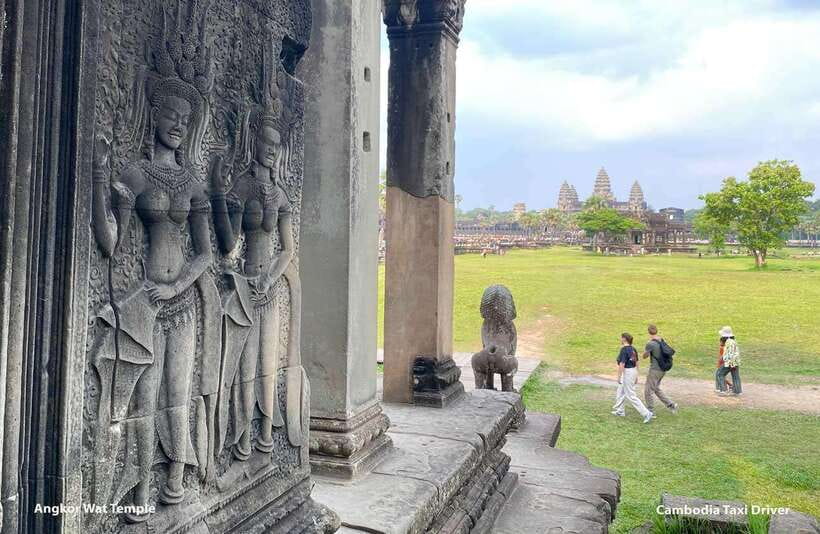
Angkor Wat is the kind of place that changes your brain when you first see it. It’s the largest religious monument in Cambodia, and it’s massive in a way that feels almost architectural. But the best part of having a guide is that you’re not just staring at scale—you’re reading meaning.
You begin at Angkor Wat, originally built in the 12th century as a Hindu temple. Later, it became a Buddhist temple. That shift matters because it’s one reason the site feels both grand and personal: you can see the same spaces serving different spiritual ideas over time.
The classic design feature you’ll hear about—five towers representing the Hindu cosmic mountain—doesn’t stay theoretical once you’re standing there. The guide helps you map what you’re seeing to the layout, so you understand why the symmetry is there and what the towers are trying to represent.
This is also where timing pays off. Starting early helps you deal with heat and crowds better. And since you’re on a day trip, you want your best energy early—because the rest of the day keeps moving.
One more practical note: flash photography is not allowed. No surprise, but it matters when you’re trying to frame shots. Bring your camera settings plan (or let your guide point out where the best angles are).
Bayon Temple: the 216 faces and the calm inside the corridors
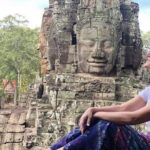
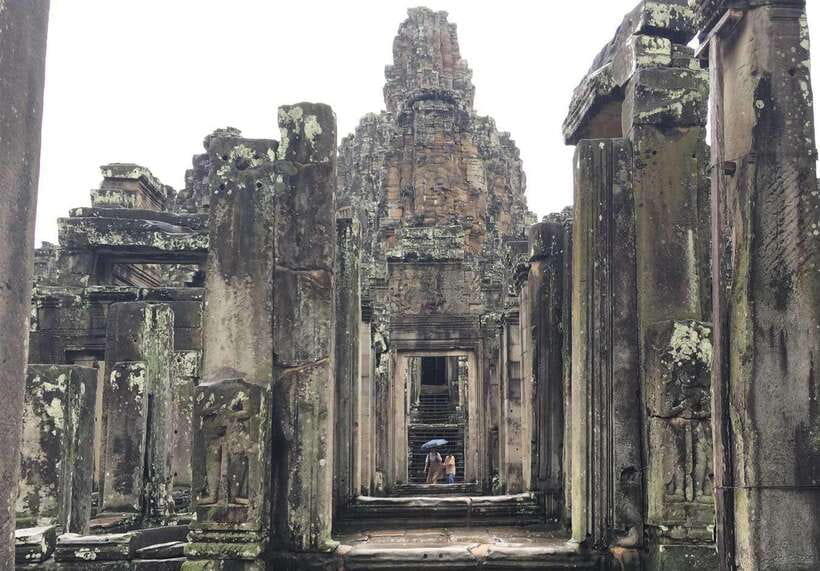
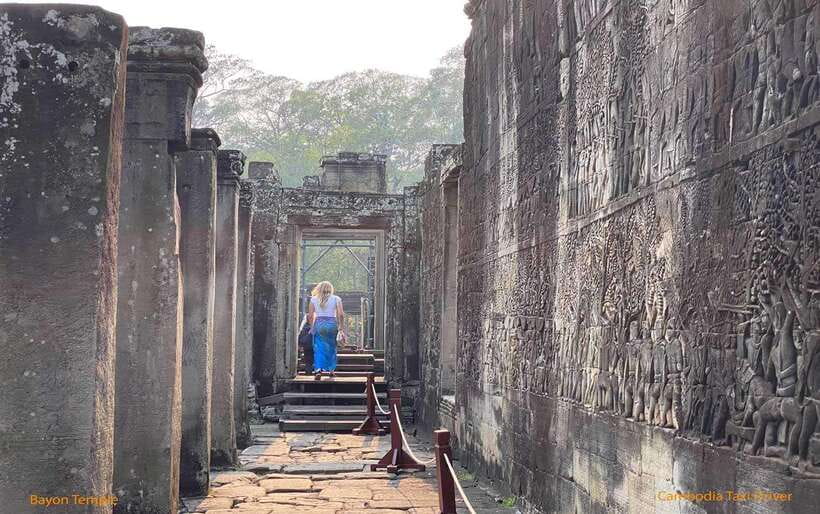
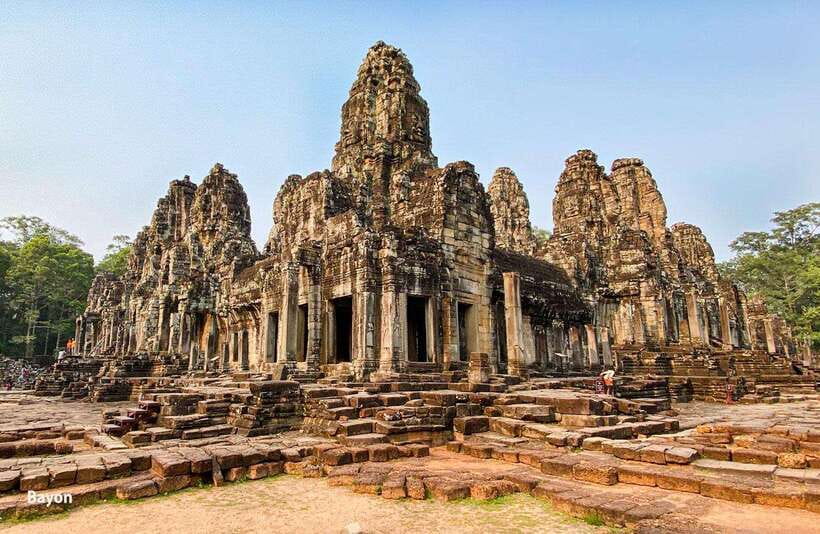
Next comes Bayon, famous for its serene, smiling stone faces. It’s the kind of temple where your eyes keep moving because the expressions are everywhere. Bayon was completed in the late 12th or early 13th century and is considered the last state temple built at Angkor.
What you learn here changes how you look. The 216 faces are often thought to represent Avalokiteshvara (a bodhisattva associated with compassion) or possibly the king. Standing in the corridors, you start to notice how those faces sit at key sightlines—almost like the architecture is designed to watch you back.
You’ll also deal with stairs and narrow corridors. That’s not a problem, but it’s a reminder that this is a walking day. The upside is that Bayon’s spaces feel less like open sightseeing and more like moving through a living temple interior.
A good guide makes a difference in Bayon, especially for photos. Some guides in this experience have a reputation for finding photo angles quickly—so you’re not standing around wondering where the perfect view is.
My takeaway: Bayon is where the day stops being a checklist and turns into a mood. Slow down in the corridors. Let your eyes adjust from wide shots to details.
Ta Prohm: the jungle-returned ruins you came for
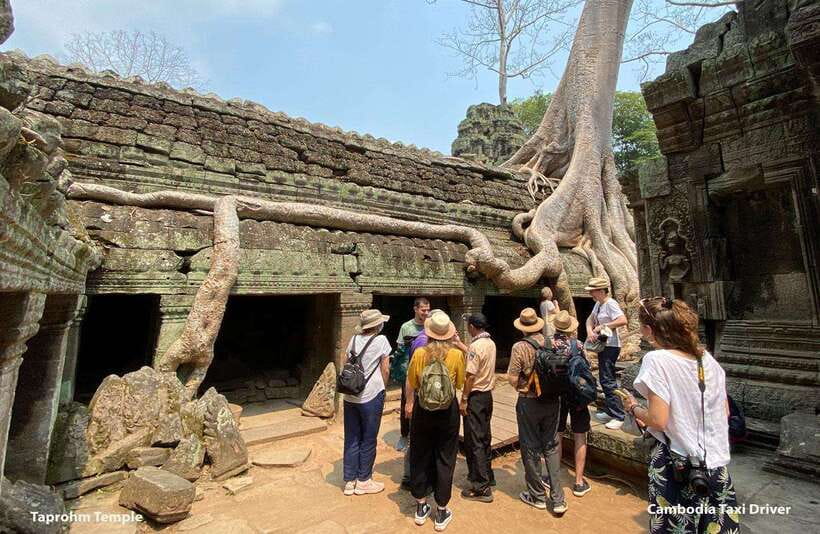
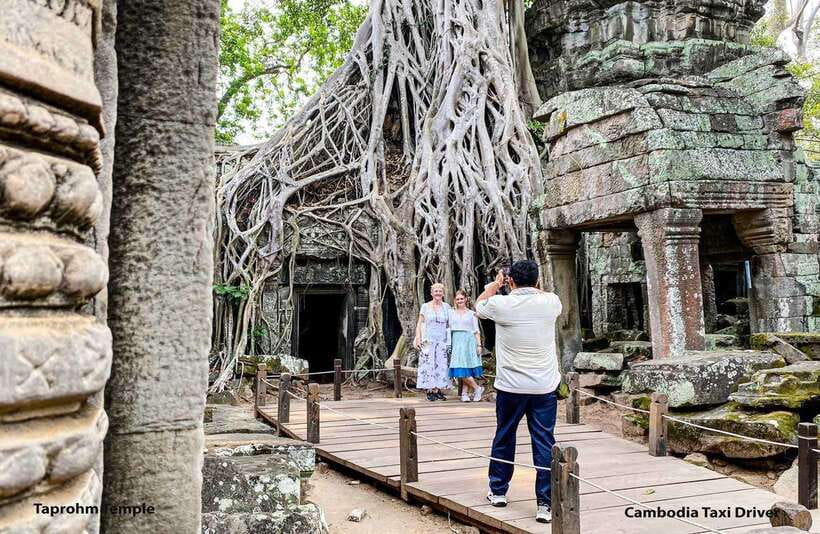
Then you hit Ta Prohm, the famous “Tomb Raider temple.” This is the one people remember from photos and movie scenes, but it’s also the one that can feel strangely different in person—because the scale is real, and the jungle effect is not staged.
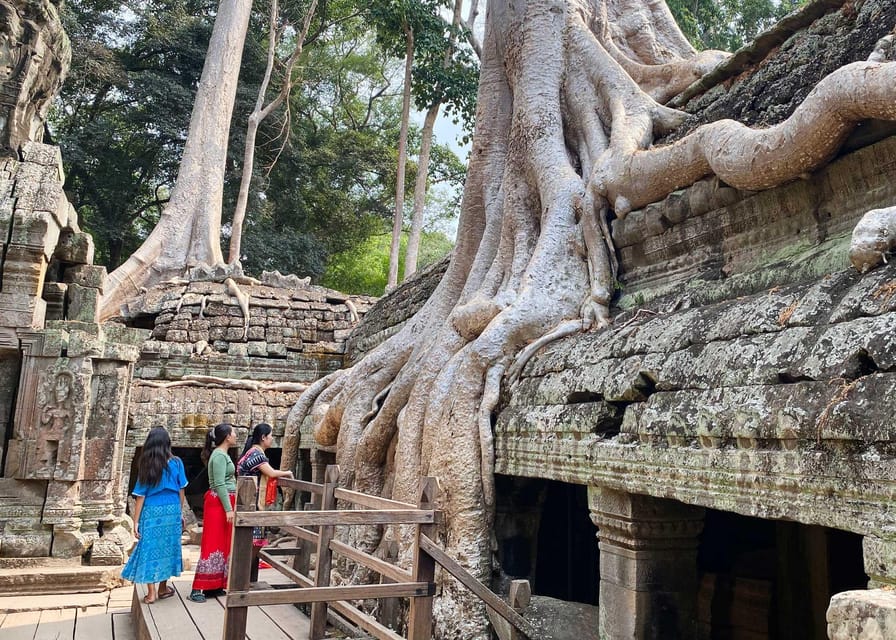
Ta Prohm was built in the late 12th century as a Buddhist monastery and university. The key here is that it has been left largely unrestored, so the roots and vegetation have claimed parts of the structures over time. That “messy” look is part of the power of the site.
You’ll walk through stone corridors where trees and vines frame openings. It gives you that layered feeling—human ambition wrapped in nature’s persistence. And it’s not just visual. The air, the light, and the shade can make the place feel cooler than it looks from outside.
One small detail that people love: you may even spot monkeys around the forested areas. Just remember they’re wild animals, so keep your distance and don’t try to feed or chase.
Practical note: Ta Prohm is photogenic, but you’ll still want a steady pace. The terrain can be uneven, and with a long drive already behind you, it’s easy to rush and miss the good angles.





Outer temple grounds and the “extra time” that makes it feel worth it
Before heading back to Siem Reap for the ride to Phnom Penh, the tour includes time exploring the outer temples and grounds of the Angkor Archaeological Park. This part is easy to underestimate, but it’s one of the reasons the day feels satisfying.
The big monuments can be overwhelming. Having a bit of additional time to wander the broader grounds gives you breathing space. You also get a chance to pick up souvenirs without turning it into a chaotic shopping stop.
Some guides also add small extras if time allows. For example, one experience notes a stop at Baphuon Temple featuring a reclining Buddha—something not part of the core three listed temples. If that happens on your day, it usually feels like a bonus, not a replacement.
My advice: keep your camera out during the broader grounds too. The best shots aren’t always from the headline temple. Sometimes it’s the details between stops.
Price and value: what $179 really buys you (and what it doesn’t)
The price is listed at $179 per person. That sounds steep until you break down what you’re paying for—and then it starts to make sense.
Included:
- Private driver from Phnom Penh (round trip) in an air-conditioned vehicle
- Live English guide at the temples and local guide support at Angkor sites
- Cold bottle of water
Not included:
- Entrance fees to the Angkor Archaeological Park (37 USD per person)
- Lunch at a local restaurant
- Personal expenses
So what’s the value? You’re paying for two big things: time and decision-making. A day trip from Phnom Penh means long-distance logistics that you’d otherwise have to coordinate yourself—transport, timing, and guide support once you arrive. Here, you get the transport solved and the site interpretation handled.
If you’re traveling solo or you’re a small group, the “private driver + guide” format tends to be the difference between a stressful day and a smooth one. People mention feeling safe and comfortable in the vehicle, and the guide is a big part of why the temples feel meaningful rather than just scenic.
Reality check: the entrance fee is a separate line item, so your all-in cost will be higher than $179 once you add the park fee and lunch.
What to wear, what to pack, and how to make the day easier
You’ll walk a lot on uneven stone, and you’ll be out in heat. Bring:
- Comfortable shoes with grip
- Hat and sunscreen
- Camera
- Water
Respect matters here. Dress modestly for temple areas, and keep in mind that flash photography is not allowed.
Also, plan your energy. This isn’t “light sightseeing.” It’s 14 hours with major walking at three huge sites plus extra grounds. If you’re prone to heat fatigue, start early, drink water, and take shade when you can.
One more practical idea: consider downloading offline maps or notes before you go. Even with a great guide, having your own reference points helps you remember the layout later.
Who should book this day trip from Phnom Penh

This experience is best for you if:
- You want to see Angkor Wat, Bayon, and Ta Prohm but you’re short on time
- You prefer a private driver and English guidance rather than DIY navigation
- You value context—so you’re not just walking through stones without knowing what you’re looking at
It may not be a fit if:
- You need wheelchair accessibility (not suitable for wheelchair users)
- You’re dealing with heart problems (not suitable)
- You’re traveling with children under 8 (not suitable)
If you can handle long days and a lot of walking, you’re in the right place.
Should you book this Phnom Penh to Angkor Wat day trip?
I think you should book it if you’re staying in Phnom Penh and you really want Angkor without adding flights or an overnight in Siem Reap. The big three temples in one day is a strong use of limited time, and the private guide support is what turns it from a photo sprint into an actual understanding of the sites.
I’d skip it if you hate long drives, you want lots of downtime, or you aren’t ready for the heat and walking pace. Also, budget for the Angkor entrance fee and lunch so the price doesn’t catch you later.
If you’re the type who likes a plan—but also appreciates flexibility from a good driver and guide—this is a solid, worry-free way to experience Angkor at full intensity.
FAQ
How long is the day trip?
The duration is listed as 14 hours.
What temples does the tour include?
It includes Angkor Wat, Bayon, and Ta Prohm, plus time exploring outer temples and grounds at the Angkor Archaeological Park.
Where does the pickup happen?
Pickup is included from your hotel in Phnom Penh, and the driver meets you with a nameplate in the lobby.
Are Angkor entrance fees included in the price?
No. Entrance fees to the Angkor Archaeological Park are not included and are listed as 37 USD per person.
Is lunch included?
Lunch at a local restaurant is not included.
What’s included for transportation?
You get roundtrip transportation from Phnom Penh via a private driver in an air-conditioned vehicle.
What language is the tour guide?
The live tour guide is English.
Is flash photography allowed?
No, flash photography is not allowed.
Is this tour wheelchair accessible?
No, it’s not suitable for wheelchair users.