REVIEW · PHNOM PENH
Khmer Cooking Class Half Day (AM or PM)
Book on Viator →Operated by Banana Cooking Class · Bookable on Viator
Phnom Penh turns up the flavor fast. What I like most is the market ingredient hunt and the hands-on, private-chef help you get while cooking. A small consideration: if you’re the only one in your group, you may end up dining alone and your portions might not be easy to share.
This is a half-day Khmer cooking class run by Banana Cooking Class, built around a simple idea: learn what to buy, learn how to cook, then eat the results. You’ll visit a local market by tuk-tuk, return to cook at your own station with your own wok, and finish with lunch or dinner made from the three traditional dishes you prepared. You also get recipes to take home, plus a certificate and a photo moment.
If you want more than a cooking demo, this fits well. It’s especially good for couples, friends, and parent-and-kid teams who want conversation while learning practical technique. If you prefer a fast, hands-off lesson, you may find the prep time more involved than you expected.
In This Review
- Key highlights worth your attention
- Bananas, tuk-tuks, and your first taste of Khmer cooking
- The market visit: where you learn what makes dishes taste right
- Back at Banana Cooking Class: the prep stage that makes cooking feel doable
- Cooking time: your own station, your own wok, and real step-by-step help
- One-on-one teaching you’ll actually use
- What you eat at the end: a three-course Khmer meal you made
- How good value works here (and why $31 can make sense)
- Who should book this class in Phnom Penh
- Practical tips so you enjoy every step
- Should you book Khmer Cooking Class at Banana Cooking Class?
- FAQ
- What time does the half-day class run in Phnom Penh?
- Where does the class start?
- Is this class private or shared?
- What happens during the market visit?
- How much cooking will I do?
- What do I eat at the end of the class?
- Do I get recipes to take home?
- What dishes are usually cooked?
- What if I need to cancel?
Key highlights worth your attention
- Market shopping that teaches you what to choose (fresh herbs, produce, spices, and the logic behind it)
- One-on-one coaching from the chef when you need clarification, not just a big group explanation
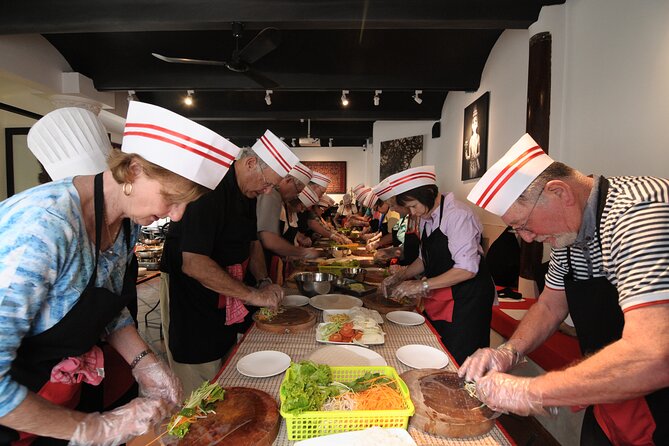
- Your own cooking setup with an individual station and wok
- A real three-dish meal you eat at the end, not just taste samples
- Take-home recipes and a certificate so the class can live past the day you cook
Bananas, tuk-tuks, and your first taste of Khmer cooking
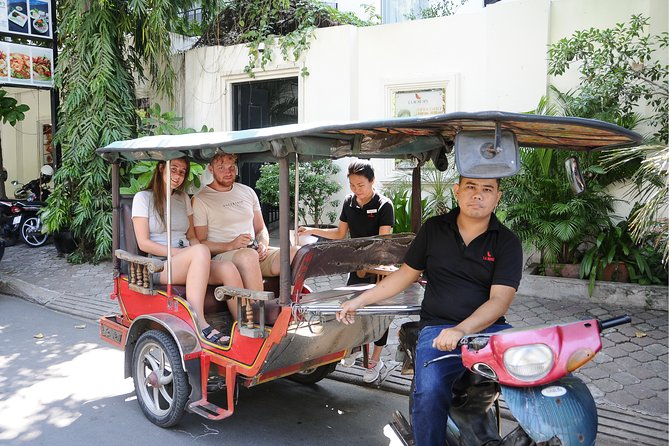
The experience starts back at Banana Cooking Class in Phnom Penh, at 1, 4b Abdul Carime St. (21). From there, you’re headed out by tuk-tuk to the market for the most important part of any Khmer meal: the ingredients.
The whole class is about four hours in either the morning or afternoon. The timing is tight enough to fit between sightseeing blocks, but long enough to do real cooking. Morning runs around 09:00 to 12:00. Afternoon runs around 15:00 to 18:00. Either way, the format is the same: market, instruction, cooking, then sit down to what you made.
One detail I really like for planning: it’s a private tour/activity, so it’s only you and your group. That matters because you’re less likely to feel rushed, and questions are easier to answer when the kitchen isn’t built for a crowd.
You can also read our reviews of more cooking classes in Phnom Penh
The market visit: where you learn what makes dishes taste right
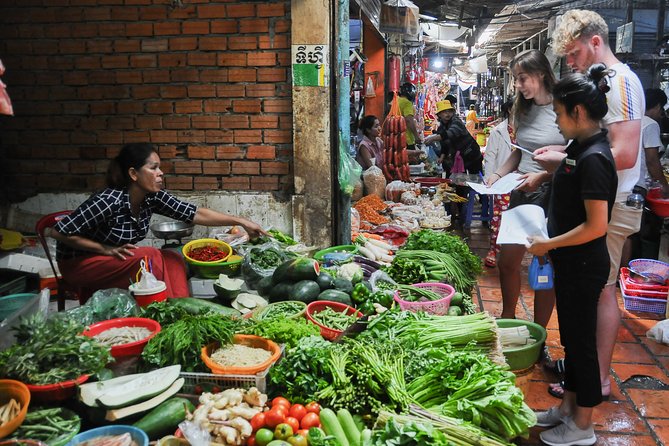
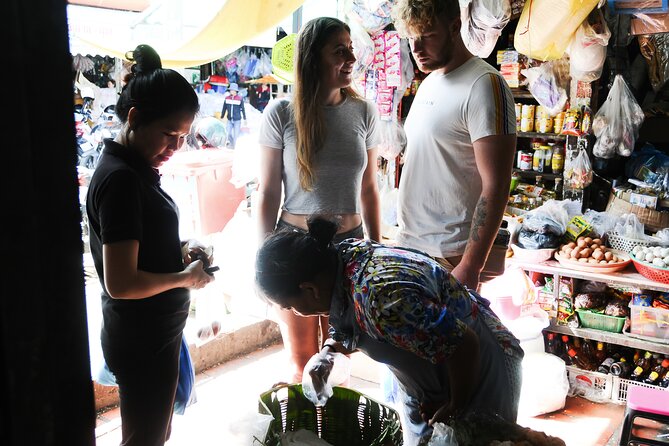
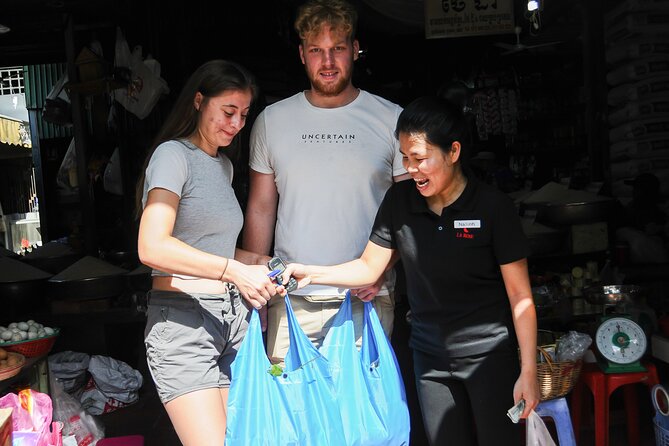
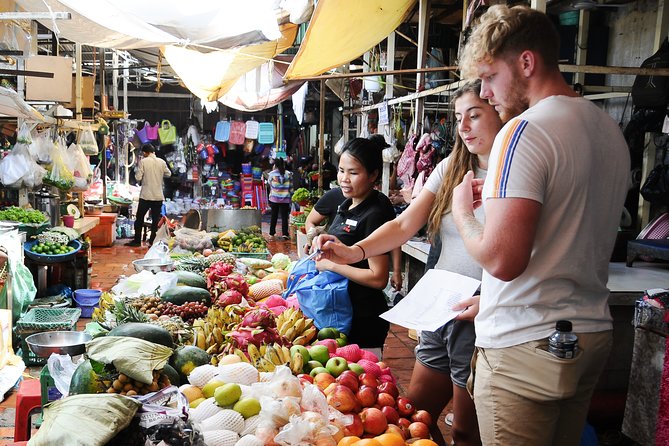
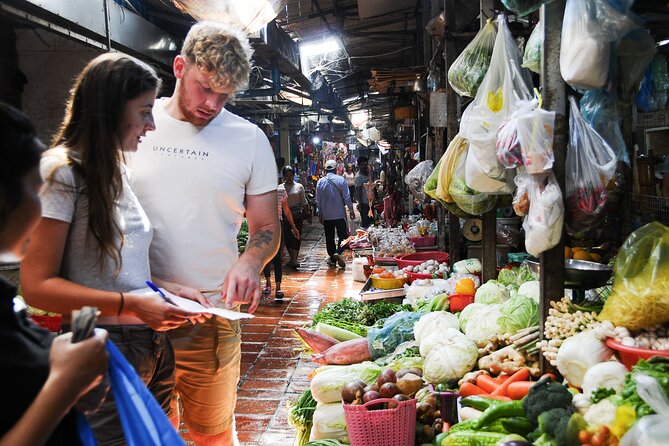
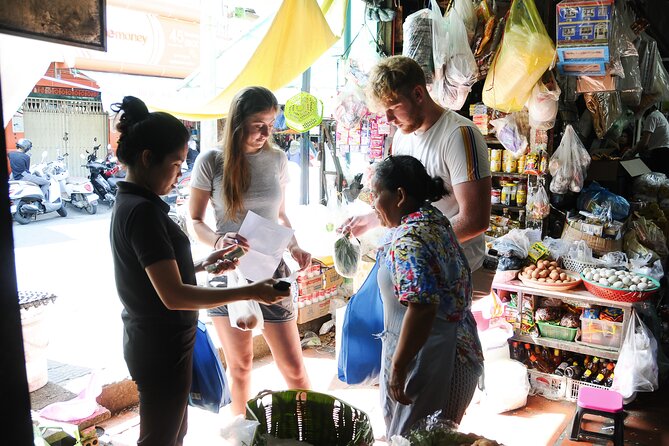
The market portion is where the class turns from a cooking lesson into a practical food education. You’ll get an ingredient list and go shopping at the local market with guidance. The goal isn’t just buying stuff—it’s learning what to look for in Cambodian fruits, vegetables, and spices.
When you’re there, the chef helps you notice things that are hard to guess from a cookbook:
- what herbs and produce should look like when they’re fresh
- which spices are worth buying for Khmer flavors
- how ingredients fit into the dish you’re making
In Phnom Penh, market walking also gives you a sense of daily rhythm. You’ll see the produce flow and the spice stalls that make Khmer kitchens tick. And if you’ve never done market shopping before, this is a friendly way to start. Your chef is there to keep the choices on track.
A few notes to set expectations:
- You’ll likely be on a tuk-tuk going back and forth, so you’re not doing a long trek on foot.
- The market experience is short enough to be efficient, but it’s still long enough to pick real ingredients—not just grab a few items and run.
Back at Banana Cooking Class: the prep stage that makes cooking feel doable
Once you return (timing is built around the morning or afternoon session), you get a refreshing drink and a cold towel. Then you start with a theory class plus a cookery demonstration of the dishes you’ll prepare.
This demo time is more than show-and-tell. It gives your hands a map. You learn:
- what each dish is aiming for
- how ingredients are prepped
- what order the cooking should happen in
If you’ve cooked before, you’ll still appreciate this because Khmer dishes often depend on the right balance of aromatics, herbs, and texture. If you haven’t cooked much, you’ll find the steps more manageable because you’re not staring at random instructions while others take over.
You’ll also get recipes as a souvenir. That’s huge for value. It means the class isn’t only a one-time meal—you can recreate the dishes later without needing to remember every step.
Cooking time: your own station, your own wok, and real step-by-step help
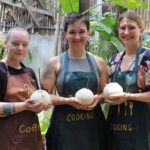
This is where most people feel the difference between a real class and a short workshop. After the demo, it’s hands on, with individual cooking stations. Each student has a wok, so you’re not waiting around for space or watching someone else do all the work.
The chef team provides assistance while you cook. From the way the class runs, the big theme is clarity: you get what you need at each step, and you can ask questions before mistakes stack up.
In past sessions, the three-dish menus commonly include dishes such as:
- yellow chicken curry (often highlighted as a standout)
- fish amok (a Khmer classic built around fragrant flavors)
- spring rolls or rice paper rolls
- green mango salad
- banana palm sugar dessert, sometimes described as banana caramel
Your exact lineup depends on the session, but the process stays consistent: learn, prep, cook, and taste.
One-on-one teaching you’ll actually use
The chef instructors are a major reason this class gets such high praise. Names you may hear include Chef Lom Ang and Sophen, depending on who’s teaching your session. The common thread: the guidance is patient and conversational, with explanations that connect ingredient choices to the final flavor.
That’s especially useful if your cooking style is more instinct than technique. Khmer cooking rewards method. Even small prep steps—like how you cut herbs or build flavor early—show up in the finished dish.



What you eat at the end: a three-course Khmer meal you made
Lunch or dinner is served after cooking, and it’s not just a plate of leftovers. The meal is built from your own three dishes, and you’ll taste what you worked on while everything is fresh and hot.
From what people describe, the most memorable dishes tend to be the curry and fish amok, plus the banana dessert. One chef-led lesson often includes balancing sweetness and spice. For dessert lovers, the banana palm sugar style is a frequent hit, though if you prefer desserts that are less sweet, you can plan to adjust when you cook at home later (the recipes you take away make that easier).
Also, you do get a certificate and a photo session at the end. It’s not just a souvenir gimmick. It’s a nice final stamp that you completed a real skill-building class—not just watched food happen.
How good value works here (and why $31 can make sense)
At $31 for about four hours, the value comes from the full package:
- You’re not only cooking; you’re also learning market shopping habits for Cambodian ingredients.
- You get private-chef support, not a crowded demo style.
- You cook at your own station with your own wok.
- You eat a full meal made from what you prepared.
- You leave with recipes to repeat the dishes later.
Cooking classes can get expensive when they only offer a few tastings or when you don’t actually participate. Here, the main cost is buying you time, instruction, and the finished meal experience. If you’re already planning a morning or afternoon in Phnom Penh, this can replace a paid meal with something that also teaches you how to recreate that meal later.
The only time it might feel less like a deal is if you personally want a hands-off experience. You’ll do real work here, including prep and multiple dishes.
Who should book this class in Phnom Penh
This is a strong fit if you:
- want a practical Khmer cooking experience in the city center
- enjoy learning with your hands, not only through watching
- want to eat something you made with market-fresh ingredients
- like the idea of taking recipes home and cooking again later
It’s also a great option for families. Several sessions are described as especially friendly when kids are part of the group. The class structure—demo, then hands-on—keeps everyone involved.
If you’re a solo traveler, it can still be worthwhile, but consider one possible downside: dining may not feel as social if you’re the only person in the group. If that matters to you, book with a friend or check in before you go.
Practical tips so you enjoy every step
A few things to help you get the most out of your half-day:
- Go hungry. You’ll be cooking, tasting, and finishing with lunch or dinner you prepared.
- Wear comfortable clothes you don’t mind getting a little kitchen-used. You’ll peel, prep, and cook.
- If you have dietary limits, think about how they affect the three dishes. The class structure is set around a specific menu, so it’s best to plan your needs ahead of time with the provider.
- Take the recipes seriously. The best value is when you recreate at home. If you’re shopping-style curious, use the market lessons to choose ingredients with similar flavor profiles later.
If you’re the type who likes to maximize a half-day, you might also like the on-site idea that some people add time for other small pampering activities nearby. But keep your schedule flexible so you don’t rush your meal or the class steps.
Should you book Khmer Cooking Class at Banana Cooking Class?
For most people, I’d say yes—especially if you want an authentic Khmer cooking experience with real participation. The biggest reasons to book are the market ingredient education, the private, hands-on coaching, and the fact that you eat a full three-dish Khmer meal made by your own hands.
Book it if you’re curious about what makes Khmer flavors work and you’d like recipes to take home. Skip it only if you’re looking for a quick show-and-tell or if the idea of cooking multiple dishes in one session sounds tiring rather than fun.
If you’re weighing timing, remember it’s offered as AM or PM, and the class runs about four hours. And if your plans change, the experience includes free cancellation up to 24 hours in advance for a full refund, which makes it easier to commit without stress.
FAQ
What time does the half-day class run in Phnom Penh?
The class is offered in two sessions: morning around 09:00 and ending around 12:00, or afternoon around 15:00 and ending around 18:00. The overall duration is about 4 hours.
Where does the class start?
It starts at Banana Cooking Class, located at 1, 4b Abdul Carime St. (21), Phnom Penh, Cambodia. The experience ends back at the meeting point.
Is this class private or shared?
It’s private for your group, meaning only your party participates.
What happens during the market visit?
You’ll take a tuk-tuk to a local market where your chef shows and guides you on choosing Cambodian fruits, vegetables, and spices for the dishes you’ll cook.
How much cooking will I do?
You’ll do hands-on cooking at your own station with an individual wok, with assistance from the chef as you prepare the three dishes.
What do I eat at the end of the class?
You’ll have lunch or dinner consisting of three traditional Cambodian dishes that you helped prepare.
Do I get recipes to take home?
Yes. You receive recipes as take-home souvenirs, along with a certificate and a photo session.
What dishes are usually cooked?
The menu can vary by session, but common dishes include yellow chicken curry, fish amok, spring rolls or rice paper rolls, green mango salad, and a banana palm sugar dessert.
What if I need to cancel?
Free cancellation is available up to 24 hours before the experience start time for a full refund. Changes within 24 hours are not accepted.