REVIEW · PHNOM PENH
Killing Field & Paddy Rice Fields Tuk Tuk Adventure
Book on Viator →Operated by Vana Adventure Travel · Bookable on Viator
Rice fields and history in one day. That combo is what makes this Phnom Penh outing stand out: you start with an easy pace outside the city, stop at local religious sites, bike past paddy rice fields, then finish at Choeung Ek to learn Cambodia’s darker Khmer Rouge story.
What I like most is the way the day is handled from the moment you get picked up. The tour is built for real comfort and flow, with hotel pickup/drop-off and a guide who keeps things clear, friendly, and practical (I especially appreciated how Thong of Vana Adventure Travel adjusted the cycling to the group and kept the mood upbeat in an honest way). The second big win is the balance of scenery and meaning: you’re not just taking photos, you’re hearing why these places matter.
One possible drawback to plan for: the Killing Fields stop is emotionally heavy, and the Choeung Ek entrance plus the audio tour fees are not included. Also, the tour lists a formal dress expectation, which can feel odd for a bike day unless you pack accordingly.
In This Review
- Key Things That Make This Tour Work So Well
- Getting Out of Phnom Penh: The Morning That Sets the Tone
- Chambak Bet Meas Pagoda: A Quiet Religious Start (and Formal Dress)
- Riding Through Villages and Rice Life Before Tonle Bati
- Tonle Bati and Ta Prohm: Paddy Fields, a Lake Break, and a Late-12th-Century Temple
- Choeung Ek Killing Fields: Powerful History, Built-In Structure
- Lunch, Water, and Street-Food Tasting: Small Inclusions, Big Difference
- Bike + Tuk Tuk Flow: How the Day Stays Comfortable
- Price and Value: What $89 Covers and What’s Extra
- Who This Tour Suits Best (and Who Might Want a Different Plan)
- Should You Book This Killing Fields and Rice Fields Tuk Tuk Adventure?
- FAQ
- What is the duration of the tour?
- What time does the tour start?
- Is hotel pickup and drop-off included?
- What’s included for meals and drinks?
- Are the temple and Killing Fields tickets included?
- Is an e-bike available?
- Is there a vegetarian meal option?
- How large is the group?
- What is the dress code?
Key Things That Make This Tour Work So Well
- Hotel pickup and a timed start at 7:30am keep the day from feeling rushed in Phnom Penh traffic
- Thong-led guidance pairs clear English with local context and a good sense of humor
- Rice fields, villages, and lakes at Tonle Bati give you a real countryside sense of life beyond the city
- Chambak Bet Meas Pagoda starts the morning on calmer ground (ticket included)
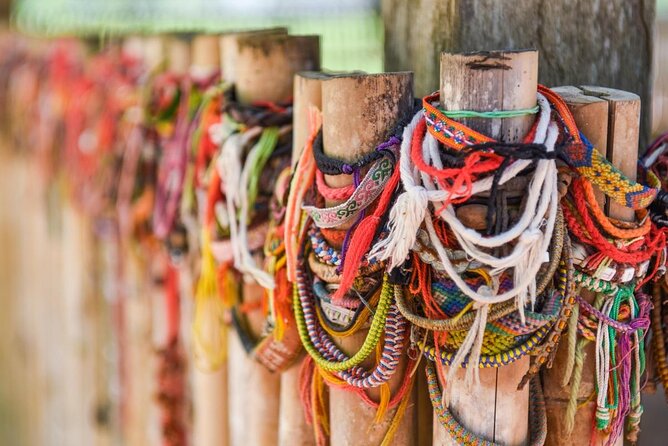
- Choeung Ek visit with an audio tour option adds structure to the history stop
- Lunch, water, and street-food tastings keep energy up for a full 8-hour outing
Getting Out of Phnom Penh: The Morning That Sets the Tone
This is the kind of day trip that starts doing its job before you even leave the hotel. Pickup is included, and you begin at 7:30am, which matters in Cambodia. Morning heat is usually easier on your body, and you also avoid some of the worst traffic patterns that can turn a half-day into a long slog.
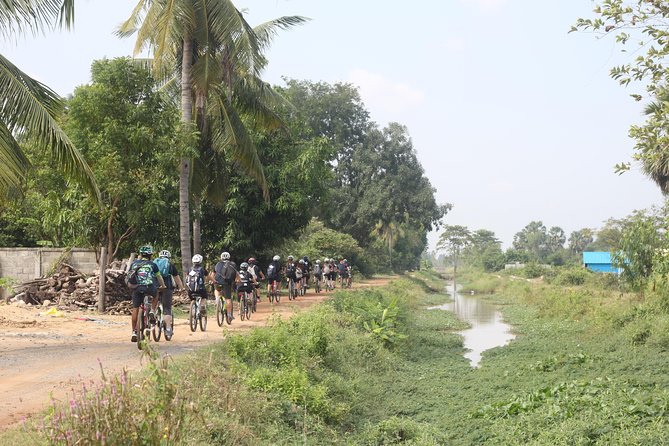
The pace is active, but it doesn’t feel like punishment. You’re biking and exploring countryside areas, with some segments supported by tuk tuk as part of the tour setup. For me, that mix is ideal: you get the freedom of a bike (views, small roads, stopping when something catches your eye), but you’re not stuck on every stretch regardless of weather or energy.
The tour caps at 12 travelers, so you don’t feel swallowed by a huge group. With fewer people, the guide can actually look out for the whole line, adjust pace, and answer questions without turning everything into a lecture.
If you rent an e-bike (it’s available for $20 per person), that’s another way to keep the day comfortable. It’s a good choice if you want the countryside feel but don’t want to fight hills or fatigue.
You can also read our reviews of more tours and experiences in Phnom Penh.

Chambak Bet Meas Pagoda: A Quiet Religious Start (and Formal Dress)
The day’s first major stop is Chambak Bet Meas Pagoda. You get a short transfer to the start point, then you saddle up and get moving—after a briefing from your guide. The structure matters. A quick orientation means you’re not constantly wondering where you should be positioned on the route or how the day will flow.
This stop is also where the tour’s formal dress note suddenly becomes real. Pagodas often require clothing that’s respectful, and the tour flags that requirement up front. For you, that means the best strategy is to think in layers: bring something light but covering enough for the site, and avoid anything too casual or too short.
The pagoda visit also helps set the emotional tone for the rest of the day. Before you reach more intense historical ground, you experience a different side of Cambodia—religious places, local daily life, and that sense of routine that exists alongside big history.
Good news: the admission ticket for this stop is included, so you won’t be juggling cash right away.
Riding Through Villages and Rice Life Before Tonle Bati
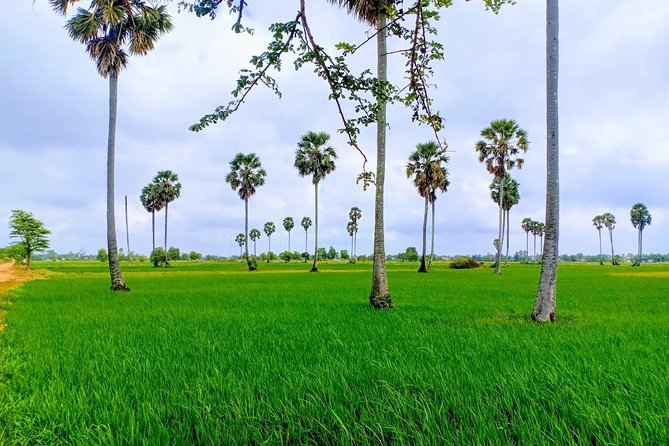
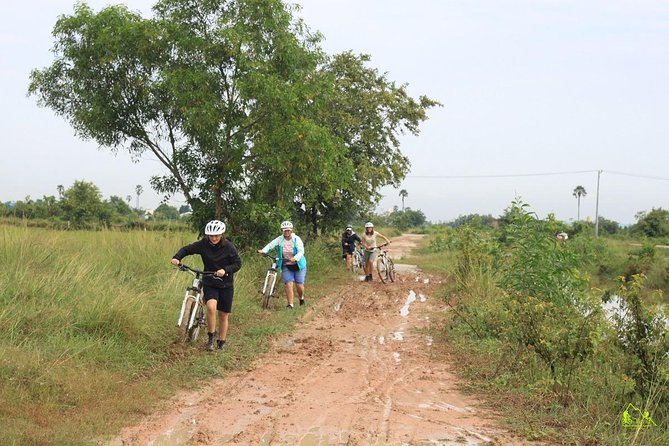
Between the pagoda and the next temple/lake area, the day focuses on moving you through real rural scenes. You’ll pedal through local village stretches and get a close view of farming life—especially the work around rice. The tour is designed for active people who enjoy seeing how places actually function, not just where famous ruins sit.
One thing I like about this style of routing is that it doesn’t feel like you’re only stopping at “attractions.” You get time on the move, which means the countryside starts to make sense as a living system: fields, water, and small local landmarks that show up again and again.
With a guide like Thong, you also get context while you ride. People often think countryside tours are mainly about scenery. Here, the guide brings it back to culture and history, and he’s the type who can explain it without making it feel like school.
Tonle Bati and Ta Prohm: Paddy Fields, a Lake Break, and a Late-12th-Century Temple
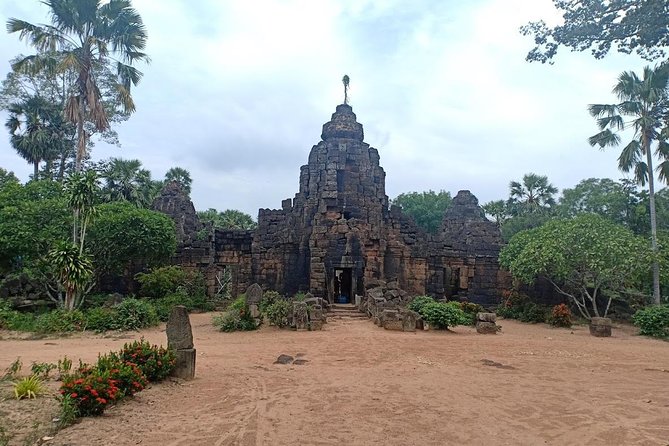
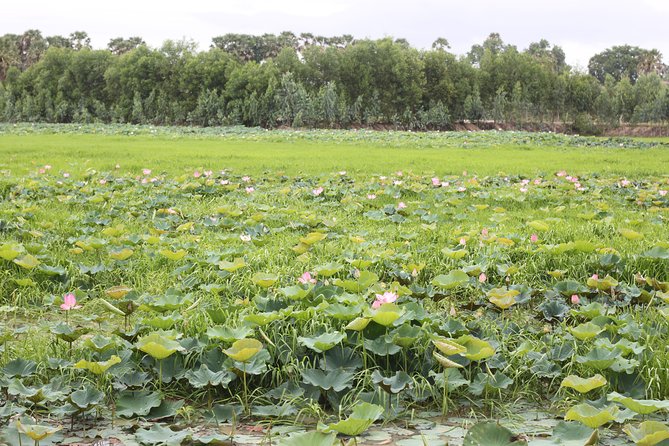
Next comes the Tonle Bati area, and this is where the scenery really shifts into classic Cambodia countryside images: paddy rice fields, farmlands, and water features. The stop also includes a natural pause built into the schedule—time around the Tonle Bati Lake, which helps break up the day before the more serious Choeung Ek visit.
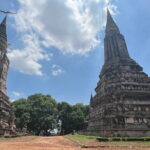
Tonle Bati is also paired with a temple visit: Ta Prohm, known as a late 12th-century temple. Even if you’ve seen photos online, it plays differently when you get there after biking through fields. The contrast is striking: you go from everyday agriculture and village life into a stone monument with a long timeline behind it.
The tour notes that admission is free for this stop. That’s a meaningful value point because it lowers what you have to pay during the day.
Still, do keep expectations realistic. Temple visits can involve walking on uneven surfaces, and it can be hot. If you’re someone who gets tired easily, consider an e-bike rental in advance. It’s not a weakness; it’s a way to keep the whole day enjoyable instead of end-of-day grumpy.
Choeung Ek Killing Fields: Powerful History, Built-In Structure
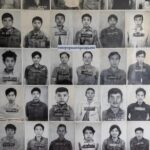
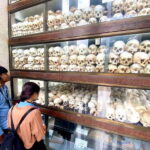
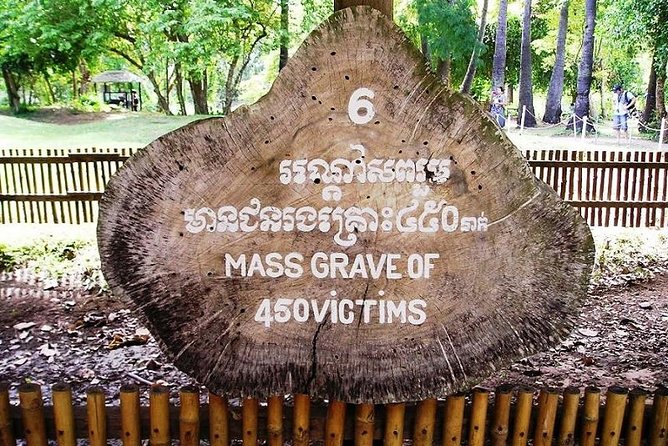
You’ll reach Choeung Ek Genocidal Center after Ta Prohm and a lunch break by the lake. This is the part of the day that requires emotional preparation. Even if you’re curious about history, this stop is heavy by design.
What makes it more manageable is the tour’s structure: there’s a short transfer to the Killing Fields area, and you get an audio tour format to guide the experience. The audio tour fees are not included, so you’ll want to plan on paying extra if you want that layer of explanation while you walk.
For your comfort, I suggest two things. First, keep your pace slower than you think you need to. Second, don’t cram this stop into the background just because the rest of the day was scenery. This is the main historical focus, and rushing it can feel wrong.
This is also where the guide’s role matters most. When the topic is painful, having someone with strong English and a steady tone helps you understand what you’re looking at without losing yourself. From the way guides like Thong are described—friendly, funny, and clear—you can expect support that keeps the day human, even when the material is not.
Lunch, Water, and Street-Food Tasting: Small Inclusions, Big Difference
One of the easiest ways to measure tour value is to look at what keeps you comfortable. This trip includes lunch, plus drinking water and a local street-food tasting.
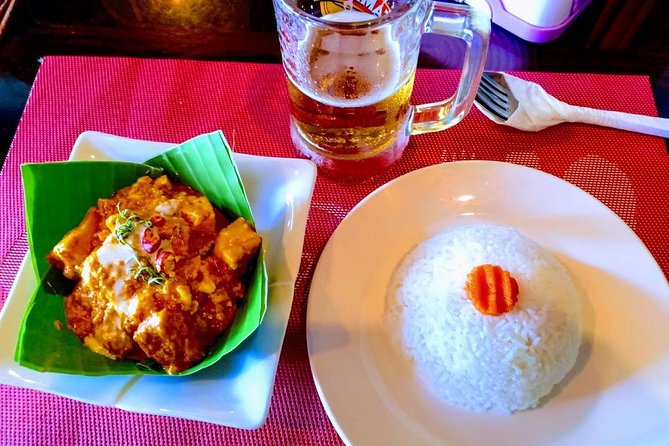
That matters because a full 8-hour day can wear you down fast. When food and water are built in, you spend less time hunting snacks and more time enjoying the day. The street-food tasting is also a nice touch because it helps you sample the local flavor without committing yourself to ordering something you can’t identify.
Vegetarian options are available if you tell the provider when booking, so you’re not stuck with a last-minute scramble if you don’t eat meat.
Bike + Tuk Tuk Flow: How the Day Stays Comfortable
This is billed as a bike adventure, but the tour also includes discovering the countryside by tuk tuk. That pairing is smart. It means you can keep momentum even when the route gets tiring or when timing needs help.
Also, you’ll have at least two kinds of transport rhythm in the day:
- short transfers between the major stops
- return to Phnom Penh in a private transfer (the drive is noted as about 1 hour, depending on traffic)
For you, this reduces the stress of thinking about time and routes. You just show up, follow the guide, and let the day happen.
If you’re moderately fit, you should be fine. The tour asks for moderate physical fitness, which usually means you’re on a bike for stretches but not doing extreme off-road endurance riding.
Price and Value: What $89 Covers and What’s Extra
At $89 per person, the big value is what’s already included:
- hotel pickup and drop-off
- English-speaking guide
- lunch
- drinking water
- local street-food tasting
- the bike/tour equipment
- countryside touring support via tuk tuk
- admissions for Chambak Bet Meas Pagoda
- admission-free entry at the Tonle Bati / Ta Prohm stop
What’s not included is important to note upfront:
- Killing Fields entrance ticket
- audio tour fees at Choeung Ek
- optional e-bike rental ($20)
So yes, you should expect some extra spending at the end of the day. But compared to buying guides, transport, and scattered tickets separately, this still comes out as a straightforward deal—especially because the tour handles timing and pickup. You’re paying for less hassle and more meaningful routing.
If you want a simple way to decide: if you like history with a strong local guide and you’re comfortable with a bike day plus a serious site visit, the price feels fair.
Who This Tour Suits Best (and Who Might Want a Different Plan)
This tour is a strong match if you:
- want out-of-town views while still staying organized
- like biking but don’t want a solo planning headache
- care about learning Khmer history in a way that connects to the places themselves
- enjoy small groups and a guide who can explain things clearly
It might be less ideal if you:
- get overwhelmed by emotionally intense history sites
- dislike formal dress expectations
- want a purely relaxed sightseeing day with minimal walking
For most people who are active and curious, though, it hits a good sweet spot: nature, culture, and history in one long day.
Should You Book This Killing Fields and Rice Fields Tuk Tuk Adventure?
If you want Phnom Penh’s countryside side in a single day, I’d book this. The tour’s strength is the mix: rice-field scenery and village life for the lighter parts, then a focused, structured stop at Choeung Ek for the history that can’t be avoided if you’re learning Cambodia properly.
My call comes down to two practical advantages. First, the day is built with comfort in mind—pickup, lunch, water, small-group size, and a guide who can tailor pacing. Second, you’re not just consuming sights. You’re moving through living countryside and then stepping into Cambodia’s real recent history with an audio guide setup.
If you do book, plan for the heavy moment at Choeung Ek and bring respectful clothes for the pagoda stop. Then you’ll be set for a day that feels both active and meaningful.
FAQ
What is the duration of the tour?
The tour runs for about 8 hours.
What time does the tour start?
The start time is 7:30am.
Is hotel pickup and drop-off included?
Yes. Hotel pickup and drop-off are included, and the ride back to your hotel is about 1 hour depending on traffic.
What’s included for meals and drinks?
Lunch is included, along with drinking water and a local street-food tasting.
Are the temple and Killing Fields tickets included?
Chambak Bet Meas Pagoda admission is included. Tonle Bati / Ta Prohm entry is free. Entrance ticket and audio tour fees at Choeung Ek are not included.
Is an e-bike available?
Yes, e-bikes can be rented for $20 per person.
Is there a vegetarian meal option?
Yes. Vegetarian options are available if you request it at the time of booking.
How large is the group?
The tour has a maximum of 12 travelers.
What is the dress code?
The tour lists a formal dress code.