REVIEW · PHNOM PENH
Phnom Penh Small Group City Tour
Book on GetYourGuide →Operated by GREEN ERA TRAVEL · Bookable on GetYourGuide
Phnom Penh history hits hard. In five focused hours, you see the Royal Palace and Silver Pagoda, then move on to the places tied to Cambodia’s darkest Khmer Rouge years. The best part is that your guide explains what you’re looking at, so the sites feel less like stops and more like a timeline.
I also like the small-group setup, capped at 12 people, which keeps the day calm even when the content gets heavy. Names like Sing and Oung Syphat show up in guides’ stories with real personal context, and that human angle makes the museums easier to follow and harder to forget. The one drawback: the visits to Tuol Sleng (S-21) and the Killing Fields are emotionally brutal, so this isn’t a light sightseeing day.
In This Review
- Key things that make this Phnom Penh tour worth your time
- A tight 5-hour loop through Phnom Penh’s real storyline
- Royal Palace and Silver Pagoda: Khmer architecture with French-era history
- What can slow you down here?
- Tuol Sleng (S-21) Genocide Museum: what you learn in a former school
- How to get the most from S-21
- Choeung Ek (Killing Fields): the memorial and what it represents
- A practical tip
- How the small-group format keeps the day humane
- Price and value: what $49 really buys (and what doesn’t)
- Dress code and what to pack for Cambodia heat
- Who should book this Phnom Penh small-group city tour
- Should you book it? My take
- FAQ
- How long is the Phnom Penh small-group city tour?
- What’s included in the $49 price?
- Are entrance fees included?
- Is hotel pickup available?
- How big is the group?
- Is there a dress code?
- Is this tour suitable for children?
- Is the tour wheelchair accessible?
Key things that make this Phnom Penh tour worth your time
- Small-group feel (max 12): easier questions, less waiting around, and a more human pace
- Royal Palace + Silver Pagoda details: French-era history meets Khmer architecture, including the famed silver-tile floor
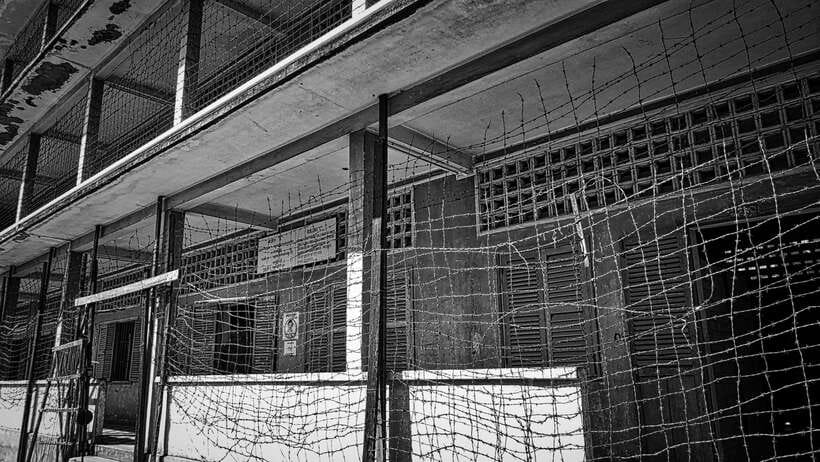
- Tuol Sleng (S-21) in a clear path: you move through a former high school turned Security Prison with guidance that connects exhibits to reality
- Choeung Ek memorial context: you see the Killing Fields with explanations that help you understand what the memorial represents
- Hotel pickup and tuk tuk flexibility: shared tuk tuk for 1–3 people, air-conditioned vehicle when the group is larger
- Touring the city with an English local guide: you get answers fast, plus practical help for the hot Phnom Penh weather
A tight 5-hour loop through Phnom Penh’s real storyline
This is a 5-hour city tour designed to hit the big, meaningful sites without turning your day into a marathon. You’ll start with hotel pickup on request, then head out with a guide who keeps the flow logical: royal-era Phnom Penh, then the Khmer Rouge years, then the places where the results of that regime are memorialized.
You also get cold bottled water along the way, which matters because Phnom Penh heat can drain you faster than you expect. You’ll do a small amount of walking during palace and museum visits, but you’re not trekking all day. The pacing works best if you go in with the mindset of learning and reflecting, not just checking boxes.
If you’re the type who gets lost without context, this setup helps. The signs alone can feel incomplete. With a guide’s explanations, you start noticing patterns—how power was presented, how society was controlled, and how the country remembers.
You can also read our reviews of more city tours in Phnom Penh
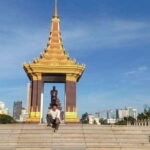
Royal Palace and Silver Pagoda: Khmer architecture with French-era history
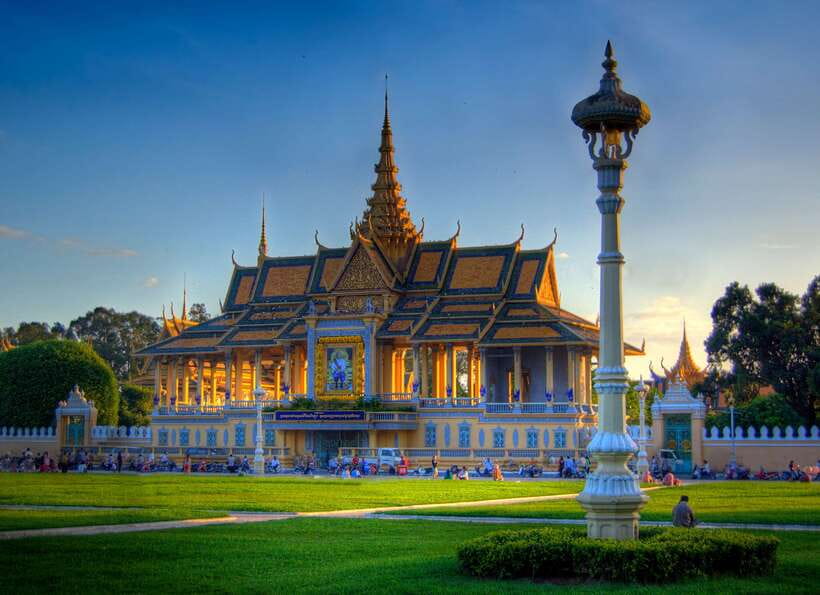
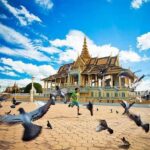
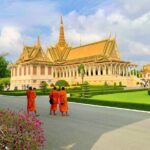
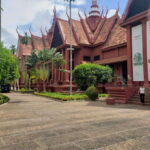
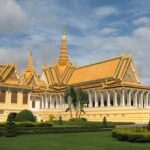
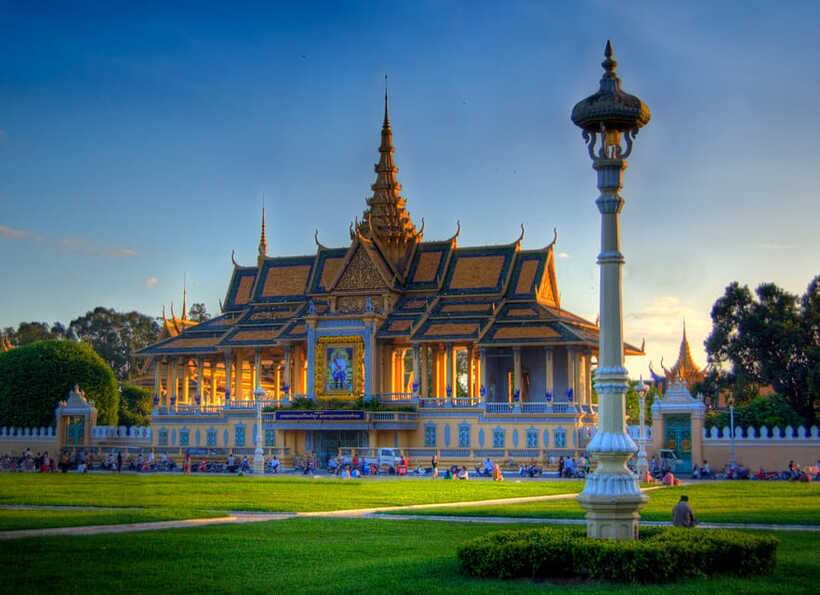
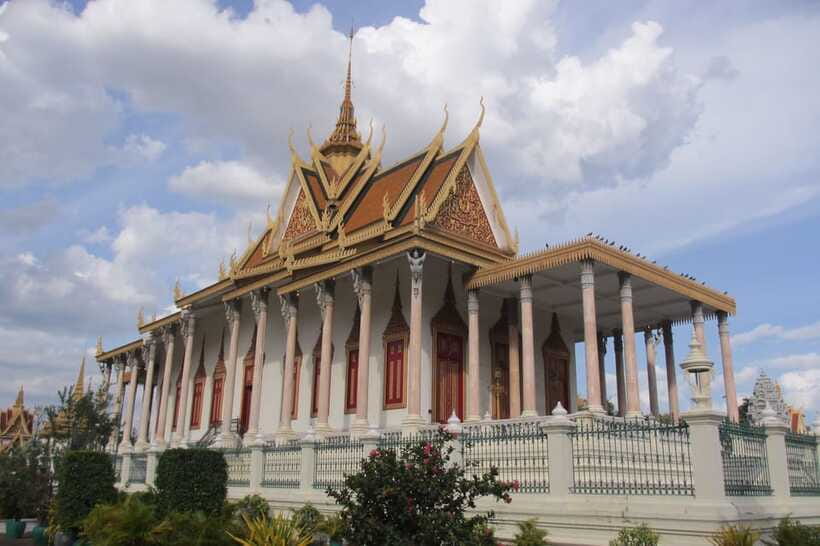
The tour begins at the Royal Palace, built by the French in 1866 after King Norodom relocated the royal capital from Oudong. That French detail is one reason I like starting here: you quickly learn that Phnom Penh wasn’t frozen in time. It was changing, adapting, and pulling in outside influence while still grounding itself in Khmer culture.
Once you’re in the complex, you can take in the Khmer architectural style along the Tonle Sap and Mekong River side. It’s not just scenic. Your guide will point out what to look for—so you’re not only admiring buildings, you’re understanding why they were built that way and what the palace represented.
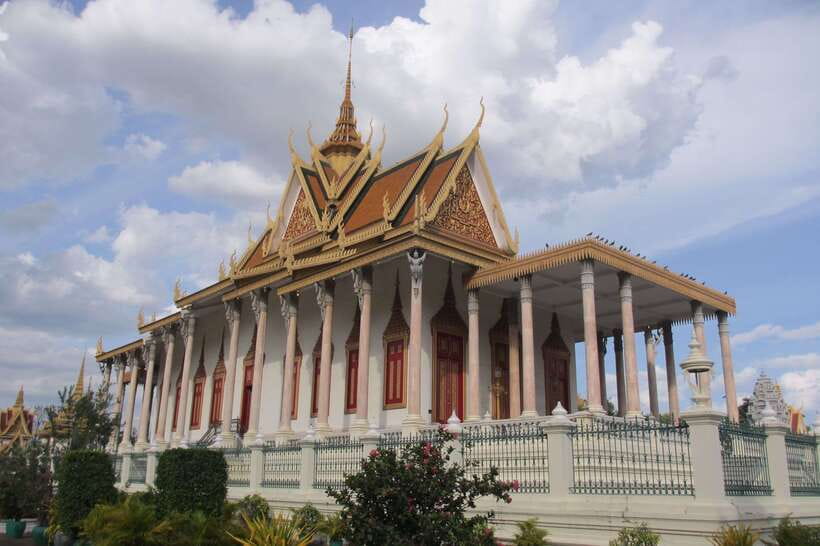
Then comes the Silver Pagoda, famous for its floor made from 5,329 silver tiles. It’s also tied to Cambodia’s royal traditions: different Khmer kings were resident there at all times, except during the rule of the Khmer Rouge. The guide’s framing helps you see the pagoda as more than a pretty stop. It’s part of how the monarchy and religious authority stayed connected.
As you move through the highlights, expect to see jeweled Buddha statues and the Angkor Wat-style bell tower. Even if you’ve visited other temples in the region, Phnom Penh’s royal sites have their own personality—less about grand distance, more about meaning and symbolism packed into one space.
What can slow you down here?
The palace and pagoda are popular, and dress code rules are strict for entry into places of worship and selected museums. That means you may need a quick wardrobe adjustment before you go in. Plan for that, and you’ll keep your day smooth.
Tuol Sleng (S-21) Genocide Museum: what you learn in a former school
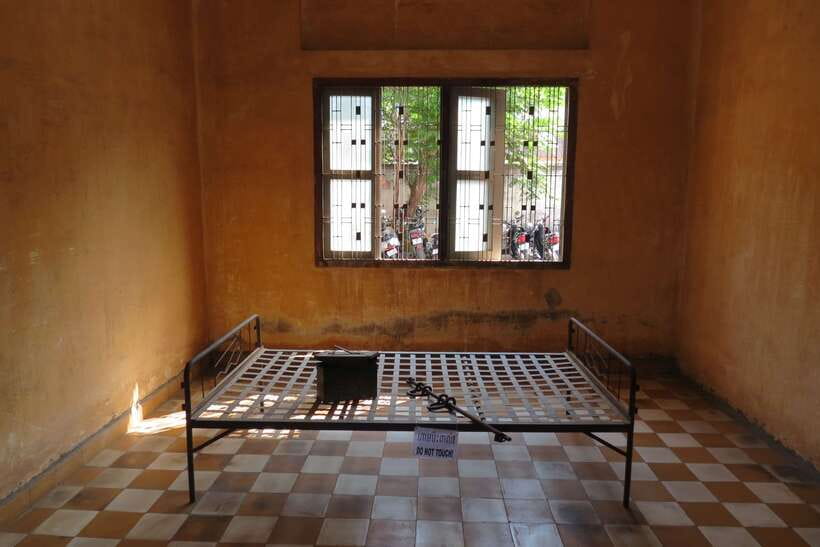
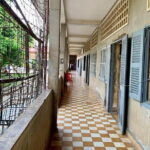
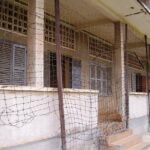
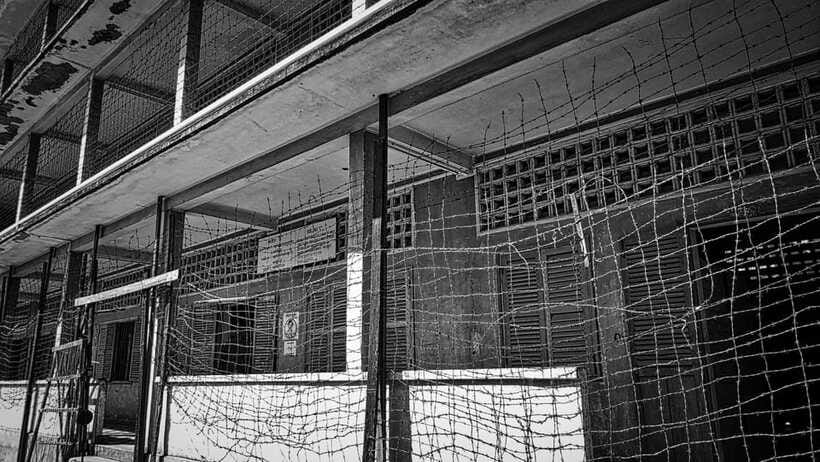
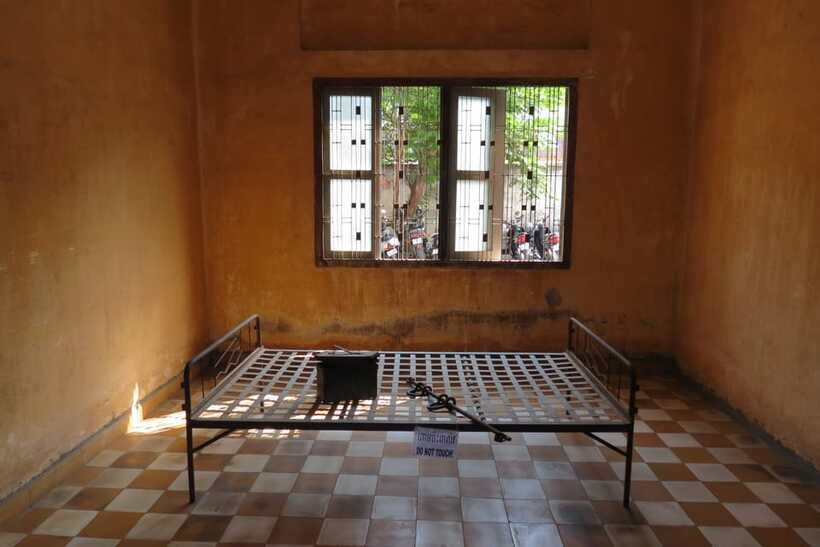
Next up is Tuol Sleng, also known as the Genocide Museum, originally a high school repurposed as Security Prison 21 (S-21). This is one of those stops where your brain struggles to process what you’re seeing. It’s not built to be casual.
The exhibits tell the stories of an estimated 20,000 prisoners murdered and ultimately dumped at the Killing Fields. Your guide’s job here is to translate the museum into something you can follow: what the rooms were used for, what the documents and photographs indicate, and how the system worked.
One reason this tour earns strong praise is the way guides bring the material down to human scale. Names like Sing, Oung Syphat, and Phe Try come up in reviews with guides who are emotional, respectful, and willing to answer questions. Some even share personal connection to the Khmer Rouge era, which can make the day feel heavier—but also clearer.
How to get the most from S-21
Go in ready to read and listen, not just scan. If your guide points out specific panels or details to notice, take that seriously. The museum’s impact often clicks only after you connect the small facts to the larger picture.
Also note: it’s not recommended for children to visit the Killing Fields and S-21. The content is extremely difficult, and that warning is there for a reason.
Choeung Ek (Killing Fields): the memorial and what it represents
After Tuol Sleng, you’ll head south to Choeung Ek, the infamous Killing Fields site. Where S-21 is about the machinery of imprisonment and control, the Killing Fields are about what happened afterward.
At Choeung Ek, you’re not just walking through history—you’re visiting a memorial space built to confront what took place. The guide’s explanations matter a lot here because your emotional reaction might be immediate, but your understanding can lag behind unless someone helps you connect the memorial features to the tragedy they represent.
This stop tends to be the hardest part of the day. Even when you’re prepared, the scale of suffering described by the museum context can hit you later, not in the moment. That’s why I like that the tour keeps the day to a clean 5-hour window: you can absorb and then step away without losing your mind trying to “see everything.”
A practical tip
If you’re the type who needs time to recover after intense moments, bring that into your plan. You might want to pause, take water, and let your brain catch up before you move on.
How the small-group format keeps the day humane
This tour runs as a small group—no more than 12 people—and that changes everything. In larger group settings, you often get rushed and you get fewer answers. Here, the guide can keep pace with your questions and adjust timing based on how you’re absorbing each location.
Transport also shifts with group size: when there are 1 to 3 people, you typically ride by shared tuk tuk. With 4 or more, you use an air-conditioned vehicle. I love this flexibility because it matches the city vibe while still protecting you from heat when the group is bigger.
In reviews, a pattern shows up: guides tend to stay on schedule without feeling pushy, and drivers help keep the day comfortable. That combination is especially helpful on a tour like this, where emotional intensity can make every extra minute feel like too long.
Price and value: what $49 really buys (and what doesn’t)
The base price is $49 per person for a 5-hour tour with hotel pickup/drop-off, an English-speaking local guide, transportation, and cold bottled water. It also covers visits to the key sites in the day’s plan.
The important part: entrance fees are not included, and you should budget for them:
- Genocide Museum (Tuol Sleng/S-21): $5
- Royal Palace and Silver Pagoda: $10
- Killing Fields (Choeung Ek): $3
So you’re looking at an extra $18 in entrance fees on top of the $49 price, based on the amounts listed. That still strikes me as fair value given you’re getting coordinated transport, guided explanations, and time-saving logistics (hotel pickup and drop-off).
What’s not included is also clear and worth planning around: visa, accommodation, food and drinks, travel insurance, and other personal expenses. Since meals aren’t covered, consider eating either before you go out or scheduling a nearby lunch after the tour ends.
Dress code and what to pack for Cambodia heat
This is a practical tour with clear rules. For places of worship and selected museums, you need to cover knees and shoulders—no shorts, short skirts, or sleeveless shirts. If you show up wrong, you risk being refused entry, and that can be a frustrating way to start a serious day.
For what to bring, keep it simple:
- Sunglasses
- Sun hat
- Sunscreen
And because you’re out for about five hours, plan for the sun and humidity even if the ride portions are quick.
Who should book this Phnom Penh small-group city tour
Book this tour if you want:
- A structured way to see Royal Palace, Tuol Sleng, and Choeung Ek in one day
- Explanations you can follow in English, not just labels on walls
- A small-group experience where you can ask questions and move at a human pace
I especially think it fits adults who are comfortable with difficult history and want to understand Cambodia beyond headlines. If you’re traveling with kids under 14, or if you’re expecting a relaxed day of photos and markets, this won’t feel like your usual city tour.
Should you book it? My take
If you’re in Phnom Penh and you want the major sites that define the city’s modern history, I think this is a smart booking. The blend of Royal Palace/Silver Pagoda context plus guided clarity at S-21 and Choeung Ek is exactly what makes the day worthwhile.
Just go in with the right expectations. This isn’t light. The Killing Fields and Tuol Sleng can be emotionally heavy, and you’ll feel it. If you can handle that, the guide-led perspective—sometimes with personal connections from guides like Sing, Oung Syphat, or Phe Try—turns a checklist day into something more meaningful.
FAQ
How long is the Phnom Penh small-group city tour?
The tour lasts about 5 hours.
What’s included in the $49 price?
Hotel pickup and drop-off, a small-group tour (no more than 12 people), transportation (shared tuk tuk for 1–3 people or an air-conditioned vehicle for 4+), an English-speaking local guide, cold bottled water, and all visits as per the itinerary.
Are entrance fees included?
No. Entrance fees are listed separately: Genocide Museum $5 per person, Royal Palace and Silver Pagoda $10 per person, and Killing Fields $3 per person.
Is hotel pickup available?
Yes, pickup is included and you can request it from your hotel.
How big is the group?
The tour keeps groups to no more than 12 people.
Is there a dress code?
Yes. You must cover knees and shoulders. Shorts, short skirts, and sleeveless shirts aren’t allowed at places of worship and selected museums, and entry can be refused if you don’t comply.
Is this tour suitable for children?
It’s not recommended for children under 14, and adult pricing applies to all travelers.
Is the tour wheelchair accessible?
Yes, it is wheelchair accessible, but if you require assistance you must bring your own caretaker.
If you want, tell me your travel dates and whether you prefer a more history-focused pace or a lighter day. I can suggest how to plan the rest of Phnom Penh around this stop.