REVIEW · PHNOM PENH
Oudong Mountain and Phnom Penh Full Day Private Tour
Book on Viator →Operated by About Cambodia Travel & Tours · Bookable on Viator
Oudong first, Phnom Penh after. This private day strings together Cambodia’s spiritual side and its modern capital—through hilltop temples, river-island crafts, and the city’s most important royal sites—all in one smooth plan.
I love how the day mixes big sights with lived-in culture. Royal Palace details (like the carved interiors and shoe rules) feel tangible, and the Silver Pagoda is pure wow once you see why people talk about its floor and its jeweled Buddha.
The one thing to plan for is the pace. With a full day that runs about 7–9 hours, you’ll do lots of walking and some stair climbing around Oudong and the temple areas—bring water and wear shoes you’re happy to get dusty.
In This Review
- Key points you’ll care about
- Why this Oudong + Phnom Penh combo makes sense
- The morning: Oudong Mountain and Phnom Oudong viewpoints
- Hilltop temples with real daily prayer
- Oudong Temple: the three main stupas you should look for
- A meditation center stop that slows the mind
- Cambodia’s small-island crafts: Koh Chen and silver work
- Koh Chen Island: bronze sound and souvenir-making
- Silver Smith Making Village: what to look for
- A practical note on timing
- Head into Phnom Penh: Royal Palace first
- Royal Palace: shoe-off interiors and carved details
- Silver Pagoda: the floor and the jeweled Buddha
- Wat Phnom: the city’s hilltop origin story
- What to pay attention to
- Independence Monument and Sihanouk memorial stop
- Independence Monument: built in 1958
- Statue of King Father Norodom Sihanouk
- Wat Ounalom: one of Phnom Penh’s oldest monasteries
- Koh Chen + Oudong + Phnom Penh: how to make this day feel worth it
- The value isn’t just the list of places
- What you should budget for meals
- Tips are extra
- Bring what helps in temple country
- Price and logistics: does $165 per person make sense?
- Who this tour is best for
- Should you book this Oudong Mountain and Phnom Penh private tour?
- FAQ
- Is hotel pickup and drop-off included?
- How long does the tour take?
- What are the main sights included?
- Are entrance fees included?
- Is lunch included?
- Do I need to bring money for tips?
Key points you’ll care about
- Oudong Mountain temple cluster: Stupas and pagodas on a hill that local people visit for prayer and sightseeing
- Monkey-stair energy: The climb to the hilltop includes sections where you’ll see monkeys along the way
- Koh Chen bronze and silver crafts: You’ll watch the island vibe where bronze is worked and learn about silver making
- Royal Palace shoe policy: Inside parts of the palace, you’ll need to remove your shoes
- Silver Pagoda’s famous details: 5,000 silver floor tiles and a gold Buddha described as covered with 9,584 diamonds
- Phnom Penh history in key stops: Wat Phnom, Independence Monument, and older monasteries in the city center
Why this Oudong + Phnom Penh combo makes sense
This is the kind of day trip that works because the geography tells a story. You start above the plains at Oudong Mountain, where Cambodia’s older royal past shows up in temples and stupas. Then you drop down into Phnom Penh to see the country’s current monarchy sites and major city landmarks—so the day doesn’t feel like a checklist. It feels like a timeline you can walk through.
You also get the privacy part right. This is a private tour with a licensed English-speaking guide and hotel pickup/drop-off by air-con vehicle. In practical terms, that means less time herding yourself around, more time asking questions, and fewer “wait, where are we?” moments.
Now the big picture: the tour is built around two different rhythms. Oudong and the island are slower and more local-feeling. Phnom Penh is more formal and monument-heavy. If you like shifting gears, you’ll enjoy this format.
You can also read our reviews of more private tours in Phnom Penh

The morning: Oudong Mountain and Phnom Oudong viewpoints
Hilltop temples with real daily prayer
Oudong Mountain is former royal territory, and you feel that in the way the sites are used. Instead of everything feeling like a stage set, you’ll see people visiting for praying and sightseeing. That matters because it turns the experience into more than photos and architecture.
You’ll spend time around Phreah Reach Throap Mountain / Phnom Oudong, with the climb route described as having monkeys on the stairway. Yes, it’s exactly the kind of detail you hope is true when you’re reading about it—and it’s also a reminder to keep your hands and bags secure. It’s not about fear; it’s about being sensible around animals that are part of the environment.
Oudong Temple: the three main stupas you should look for
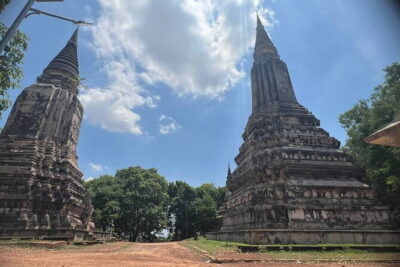
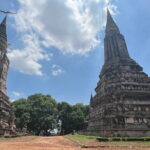
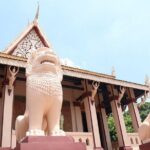
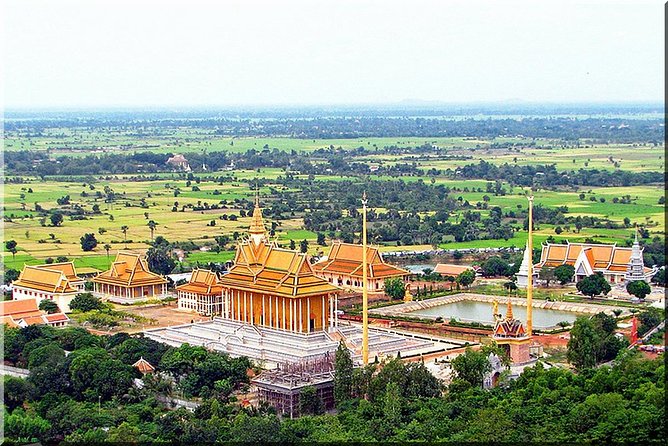
The day’s Oudong highlight is the Oudong Temple area, which sits on the mountain as a cluster of stupas and temples. The three main stupas listed are Damrei Sam Poan, Ang Duong, and Mukh Proum. Even if you don’t become a temple scholar by lunch, knowing these names gives you something to anchor on while you walk.
This is also a good section for patient viewing. Temples on hills can tempt you to rush toward the best view and forget the details. With this stop, you get a focused window to notice how the complex sits on the terrain and how the structures are grouped rather than scattered.
A meditation center stop that slows the mind
The itinerary includes a Cambodian meditation center (listed as QQW7+WQH). This is the kind of stop that can feel short on paper, but it’s a useful counterweight to the more formal landmarks later in Phnom Penh. If you’re paying attention, you’ll likely notice differences in how people move, how they wait, and how the space feels compared with tourist hubs.
Don’t worry if you don’t understand everything you see. The value here is the atmosphere—quiet intention—plus the chance to observe, ask, and move on respectfully.
You can also read our reviews of more tours and experiences in Phnom Penh
Cambodia’s small-island crafts: Koh Chen and silver work
Koh Chen Island: bronze sound and souvenir-making
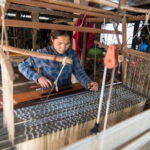
After Oudong, the day shifts to Koh Chen Island (also listed under “New road koh chen”). Koh Chen is known for bronze souvenirs, and one detail in the tour description is especially memorable: as you get closer to the island’s village, the sound of men hammering heated bronze gets louder.
That’s not just trivia. It tells you what the island is like in real time: work in progress, hands-on craft, and a steady rhythm that’s part of daily life. If you like seeing how objects move from raw material to finished product, this is a strong stop.
Silver Smith Making Village: what to look for
Next comes the Silver Smith Making Village, focused on products made from pure silver. Expect items like elephant miniatures, embellished boxes, and embossed work. Even if you don’t plan to shop, you’ll benefit from watching the process, because it turns souvenirs from random trinkets into cultural work with specific techniques.
If you do shop, set a personal rule before you step in: buy one item, not ten. The craft variety can tempt you, and you’re better off bringing home one meaningful piece than a bag full of similar ones.
A practical note on timing
This part of the day is a nice break from big stair climbs, but it can still involve some walking and standing. Keep your expectations flexible. You’ll likely spend more time looking than you think, especially if the guide points out details behind the craft.
Head into Phnom Penh: Royal Palace first
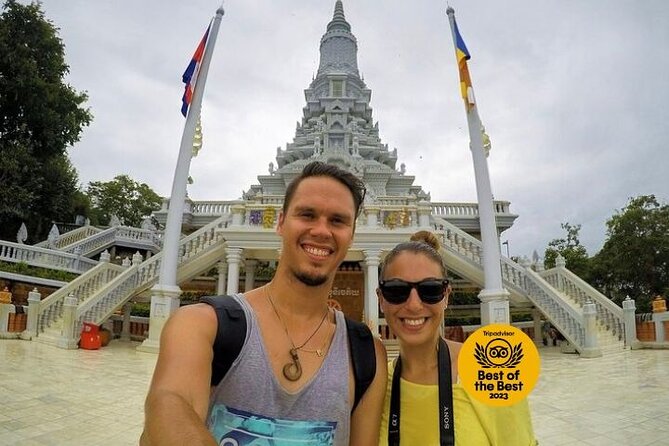
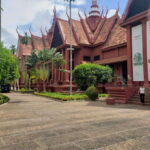
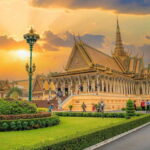
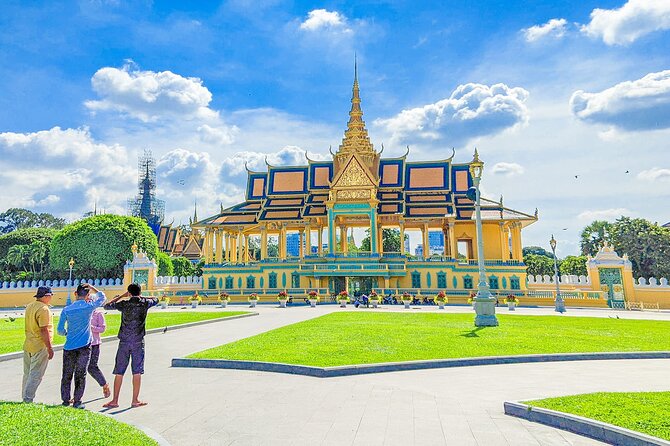
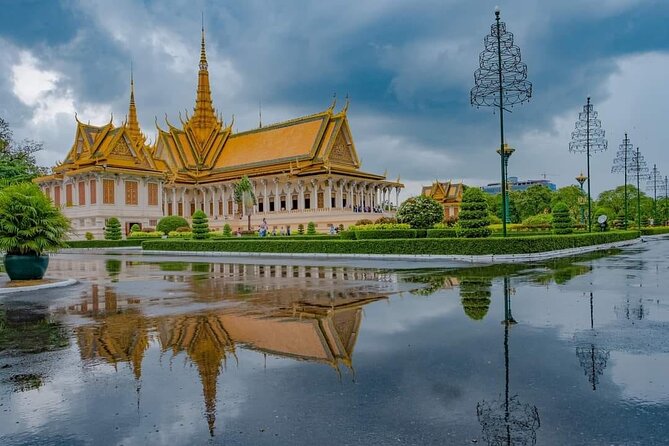
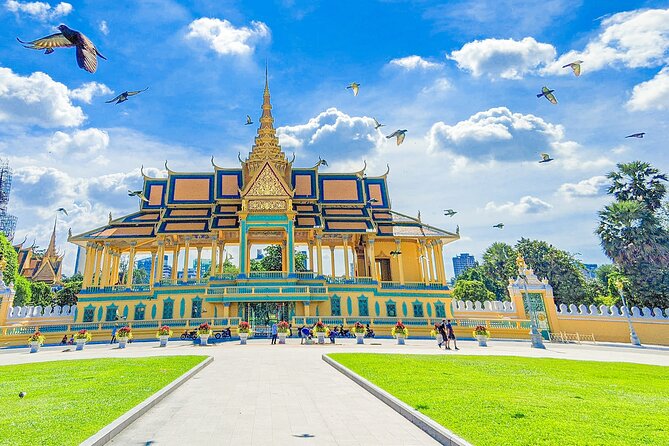
Phnom Penh is where the day shifts from prayer-and-crafts to state-level heritage. The route includes the Royal Palace and the Silver Pagoda, two of the city’s most important royal complexes. Coming here after Oudong helps too—your brain has already warmed up to temple symbolism, so these don’t feel like random buildings.
Royal Palace: shoe-off interiors and carved details
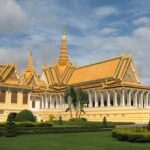
The Royal Palace stop includes admission, and the tour notes that the palaces are beautifully carved. You may also need to remove your shoes to go inside parts of the complex. That’s the kind of small rule that can slow you down if you’re unprepared, so wear easy slip-on footwear or shoes you can manage quickly.
What I like about this stop is that the palace experience isn’t just about “the building is impressive.” The carvings and the way spaces are arranged make you slow down. In a private tour, you can take your time and ask why certain details matter rather than being swept along.
Silver Pagoda: the floor and the jeweled Buddha
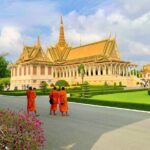
From the Royal Palace, you move to the Silver Pagoda, named for its floor of 5,000 silver tiles. Inside is described as housing a gold Buddha encrusted with 9,584 diamonds.
This is the kind of fact that can sound like a marketing line. The difference is that when you see it, the details make sense as a statement of devotion and royal significance. It’s less about flashy decoration and more about the idea that sacred objects get treated with extreme care.
If you’re a slow observer, you’ll enjoy this. If you’re the type who likes to get “one great photo” and move on, you’ll still have enough time with the 1-hour slot to capture the essentials and appreciate what you’re looking at.
Wat Phnom: the city’s hilltop origin story
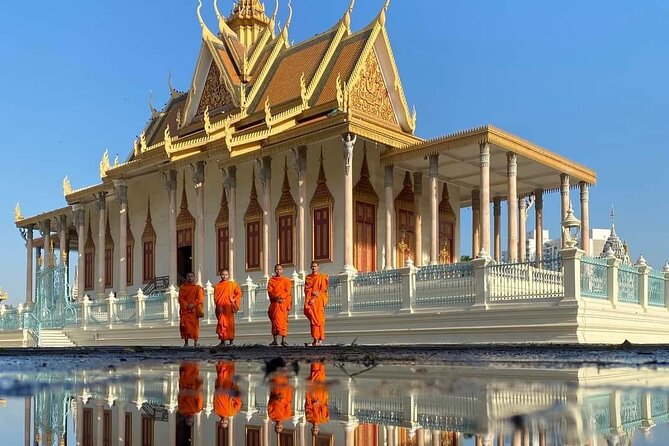
Next is Wat Phnom, described as the most significant temple in Phnom Penh. The temple sits on a 27m-high tree-covered knoll, and the tour frames it as having a close relationship with the capital city’s founding story.
This stop is one of those moments where the setting helps you understand the history. When you’re higher up and surrounded by greenery, the place feels calmer than the streets below. Even with only 45 minutes, this is long enough to get your bearings, spot the key temple area, and understand why the location matters.
What to pay attention to
Look for how the temple’s position affects views and movement. Hilltop sites tend to gather people the way plazas do, but with more spiritual focus. That’s the emotional difference you can feel when you compare Wat Phnom to the more formal palace grounds.
Independence Monument and Sihanouk memorial stop
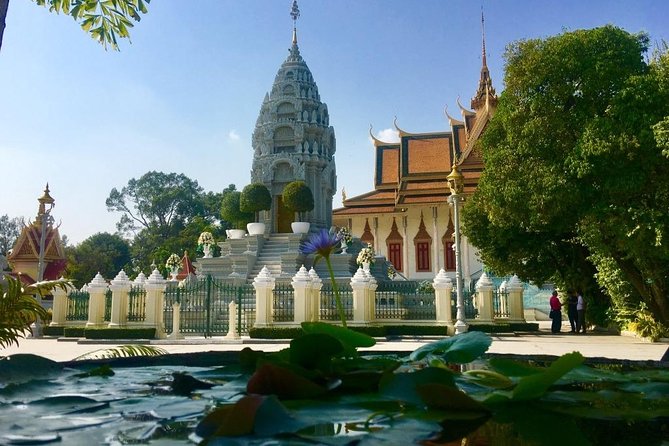
The itinerary includes two major landmarks tied to Cambodia’s national identity.
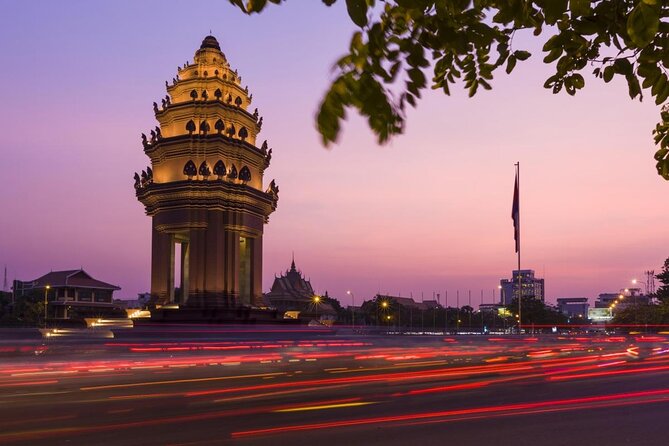
Independence Monument: built in 1958
The Independence Monument was built in 1958 after Cambodia gained independence from France. This is a short stop, but it’s worth it if you want the day to include more than religion and craft.
What makes this monument useful is that it gives you a sense of time after the temple era. You’ve been looking at royal power and religious practice; now you’re seeing how independence was meant to be represented visually.
Statue of King Father Norodom Sihanouk
The tour also includes the Statue of King Father Norodom Sihanouk, also called the Norodom Sihanouk Memorial. Since it’s part of the city route, it helps connect the Royal Palace sites with Cambodia’s more recent monarchy memory.
If you’re thinking, okay, I’m getting a lot of statues, you’re right. But they’re not random for this day—they serve as markers that help you map the modern story onto the places you’ve visited.
Wat Ounalom: one of Phnom Penh’s oldest monasteries
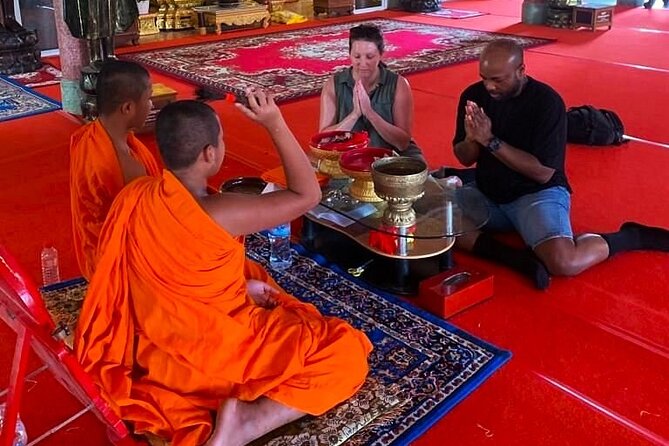
The overview also calls out Wat Ounalom, described as one of Phnom Penh’s oldest and most significant Buddhist monasteries. Even if you don’t memorize everything you see, stopping at a major older monastery gives you depth.
This is one of those “quiet credibility” stops. Big monuments can shout. Wat Ounalom’s value is more about continuity—religious practice and monastic life in the city context.
Koh Chen + Oudong + Phnom Penh: how to make this day feel worth it
The value isn’t just the list of places
Yes, the itinerary includes impressive sites and admission tickets. But the real value is in how the day is structured. You’re moving from:
- hilltop royal-era temples (Oudong),
- to river-island craft work (Koh Chen),
- to Phnom Penh’s major royal and national landmarks (Royal Palace, Silver Pagoda, Wat Phnom, Independence Monument, and more).
That arc matters if you’re trying to understand Cambodia in one day. You’ll see spiritual heritage, everyday labor, and state identity in the same itinerary. That’s a lot for one day, and it helps prevent the “I saw things but nothing connected” feeling.
What you should budget for meals
Lunch isn’t included. The tour notes that you can eat at local restaurants, with both vegetarian and non-vegetarian options. Menu prices are stated as $3–$10 per dish, and meals are at your own expense.
You’ll get better value if you treat lunch like a mini break instead of a rushed stop. If you see a clean, busy local place, go for it—then come back focused.
Tips are extra
Entrance fees and guiding are covered, but tips for the tour guide and driver aren’t. That’s normal for private tours, and it’s the kind of thing that helps keep your day running smoothly.
Bring what helps in temple country
For Oudong and Phnom Penh’s temple areas, you’ll want practical clothing and footwear. The Royal Palace may require shoe removal for parts of the interior, so plan for that. Also, since you might see monkeys around the stairs, keep your daypack closed and avoid dangling items.
Price and logistics: does $165 per person make sense?
At $165 per person, this is not a budget bus tour. But it’s also not just “a guide and a car” either.
Based on what’s included, your price covers:
- hotel pickup and drop-off in a private air-con vehicle,
- an English-speaking licensed tour guide,
- all transfer by air-con vehicle as per the itinerary,
- all sightseeing entrance fees listed in the day plan,
- services charge and current government VAT tax.
So you’re paying for a private day that packs Oudong, Koh Chen, and Phnom Penh’s major royal and history stops into one organized schedule. If you compare that to buying individual tickets, arranging separate transport, and spending extra time figuring out how to move between far-apart areas, the private format can feel like good value—especially if your group wants flexibility.
Who this tour is best for
This tour fits best if you:
- want one day that connects multiple sides of Cambodia (temples, crafts, city history),
- prefer private pacing over group shuffling,
- like learning meaning behind what you’re looking at,
- don’t mind a full day window of 7–9 hours.
It may be less ideal if you dislike stair climbing or you want a super relaxed day with long breaks. Oudong includes hilltop climbing, and the tour is structured to keep momentum.
Should you book this Oudong Mountain and Phnom Penh private tour?
Book it if you want a coherent Cambodia day, not scattered sightseeing. The combo of Oudong’s hilltop stupas, Koh Chen craft work, and Phnom Penh’s major sites like the Royal Palace and Silver Pagoda makes the time feel purposeful. If you’re the type who enjoys seeing how culture shows up in both sacred spaces and everyday hands-on work, you’ll likely leave with more than photos.
Skip or reconsider if you’re very sensitive to walking, stairs, or you want a slower pace with fewer stops. With this many meaningful places packed together, it’s best when you’re ready for a full, active day.
If you’re unsure, this is a good “smart private tour” choice, because the guide and transport are built in, and that removes the hardest part of planning this kind of day yourself.
FAQ
Is hotel pickup and drop-off included?
Yes. The tour includes hotel pickup and drop-off by a private air-conditioned vehicle.
How long does the tour take?
The duration is about 7 to 9 hours.
What are the main sights included?
The tour includes the Royal Palace and Silver Pagoda, Wat Phnom, Independence Monument, Wat Ounalom, plus Oudong Mountain/temple areas and stops on Koh Chen Island including the silver-making area.
Are entrance fees included?
Yes. Admission tickets for the listed sights are included in the tour.
Is lunch included?
No. Lunch is not included. You can eat at local restaurants and meal costs are at your own expense (menu prices noted as $3–$10 per dish).
Do I need to bring money for tips?
Tips for the tour guide and driver are not included, so you should plan a tip for them.