REVIEW · PHNOM PENH
Full Day Phnom Penh City Tour with Private vehicle and guide
Book on GetYourGuide →Operated by Amazing Cambodia Tours · Bookable on GetYourGuide
Phnom Penh hits hard, then makes sense fast. This full-day tour mixes postcard sights with the stories behind Cambodia’s modern history, powered by a private vehicle and a real, talking English guide. I especially liked pairing the beauty of the Silver Pagoda with the sobering visit to S21 Genocide Museum, because one helps you see the other.
Two more things I like: you get clear explanations at each stop (not just photo ops), and you’re kept moving in a practical loop across the city in about 7 hours. The main drawback is that the schedule is packed, so some segments can feel a little quick if you want long, slow wandering at every site.
In This Review
- Key points worth knowing
- How Phnom Penh’s full-day loop gives you the big picture
- Pickup, comfort, and a driver you don’t have to think about
- Royal Palace and Silver Pagoda: where Khmer symbolism stops being abstract
- National Museum: make the artifacts feel real
- Wat Phnom: a calmer temple break in the city
- S21 Genocide Museum: why context matters here
- Killing Fields and the 129 mass graves: the part that stays with you
- Russian Market: finish with local life and real shopping time
- Price and value: what $65 per person really buys
- What to bring (and what to plan for) in Phnom Penh weather
- The guide makes it, especially when the story is personal
- Who this tour fits best
- Should you book this Phnom Penh city tour?
- FAQ
- How long is the Phnom Penh city tour?
- Is this tour private?
- What’s included in the price?
- Are entrance fees included?
- What should I bring?
- Does the tour run in bad weather?
Key points worth knowing
- Private pickup and drop-off so you start and end at your hotel without figuring out transport
- Royal Palace + Silver Pagoda for the Khmer art and religious symbolism you’ll actually understand after the guide talks
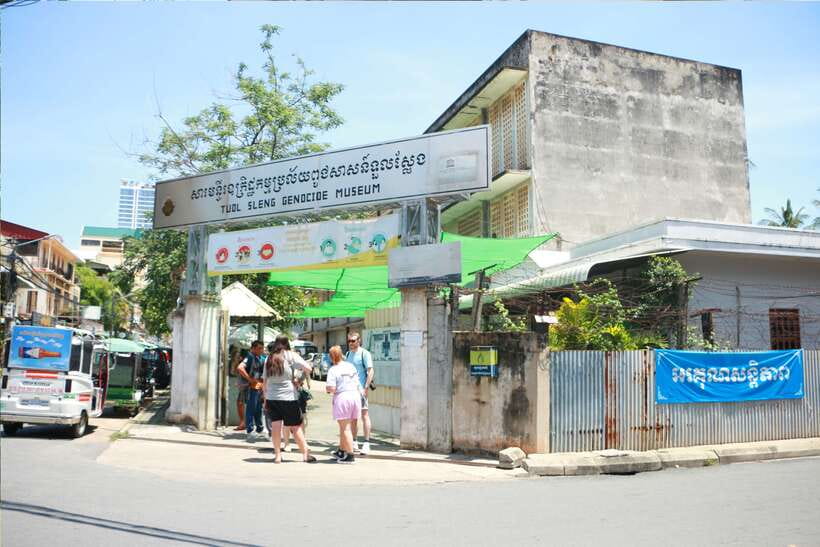
- S21 and the Killing Fields delivered with context, not just a checklist
- The 129 mass graves make the Killing Fields stop emotionally real
- Russian Market time for browsing and buying at the end of a long day
- Entrance fees aren’t included, so bring cash to avoid last-minute stress
How Phnom Penh’s full-day loop gives you the big picture
This tour is built for one day in Phnom Penh, and that’s the point. You’re not just seeing “stuff.” You’re getting the cause-and-effect storyline that ties together religion, power, and tragedy in the same city blocks.
I like that the pacing is efficient without feeling like a drive-by. You get a moment at each major place, plus time to look around. It’s also private, so you can ask questions as you go, and your guide can adjust timing based on what you care about.
One practical note: you’ll be walking and moving in and out of several sites. If you’re sensitive to heat or you’re not steady on your feet, plan for breaks and wear the most comfortable shoes you own.
You can also read our reviews of more guided tours in Phnom Penh


Pickup, comfort, and a driver you don’t have to think about
You’ll be picked up from your hotel and taken around in an air-conditioned vehicle with insurance. Mineral water is included, which matters in Phnom Penh heat, especially when the day runs rain or shine.
The timing is simple: wait in the lobby about 10 minutes before your pickup. After that, the “thinking” is handled for you—route, timing between stops, and getting you back when the day finishes.
This setup is also a quiet win for families and solo visitors. One person described feeling safe with a private van arrangement while traveling with two young kids. That’s not a guarantee, of course, but private transport can reduce a lot of stress.
Royal Palace and Silver Pagoda: where Khmer symbolism stops being abstract
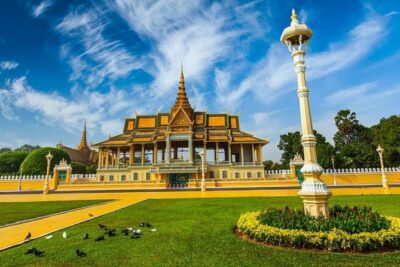
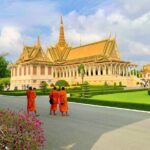
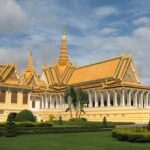
The Royal Palace is one of those places where your first reaction is usually visual: walls, roofs, glittering details, and a sense of ceremony. What makes the stop work better on a guided day is the explanation of what you’re looking at and why it matters.
Then you hit the Silver Pagoda, which is famous for its gleaming floor and religious role. Even if you only catch a few angles, the guide helps you connect the dots—what’s ceremonial, what’s historical, and what’s meant for the rituals of the present.
Two tips that make this section more enjoyable:
- Bring sunglasses and sunscreen, because this is open-space sightseeing.
- Wear clothing that respects temple areas. If you’re unsure, bring something that covers shoulders and knees.
If you’re the kind of person who likes to understand your photos afterward, this is where the guide’s timing pays off.
National Museum: make the artifacts feel real
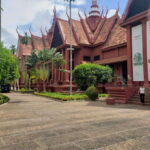
The National Museum stop is your “slow-down” moment in the middle of a busy day. Instead of jumping straight from one landmark to the next, you get a grounding perspective on Cambodian culture and history.
You also often get practical browsing time nearby. In one account, a visitor mentioned picking up souvenirs at markets and also seeing higher-end Cambodian craft options close to the National Museum area. If shopping matters to you, this is a smart time to check what’s around before you wrap up at the market later.
One thing I’d keep in mind: a museum can be a lot to process after standing in the sun for the palace. If you start to feel eyes-overloaded, choose a few highlights and focus. The guide can help you pick what to prioritize.
Wat Phnom: a calmer temple break in the city
Wat Phnom gives you a break from the most intense parts of the day. It’s still a religious site, but the mood shifts. You get to watch everyday temple life from a tourist-friendly angle and soak in the local rhythm of Phnom Penh.
This stop is also useful as a reset. After you leave the palace and museum, the city feels bigger and louder in your head. Wat Phnom helps you re-center before the heavier museums.
If you’re planning your energy wisely, this is a good place to take photos, pause, and just breathe for a few minutes.
You can also read our reviews of more city tours in Phnom Penh

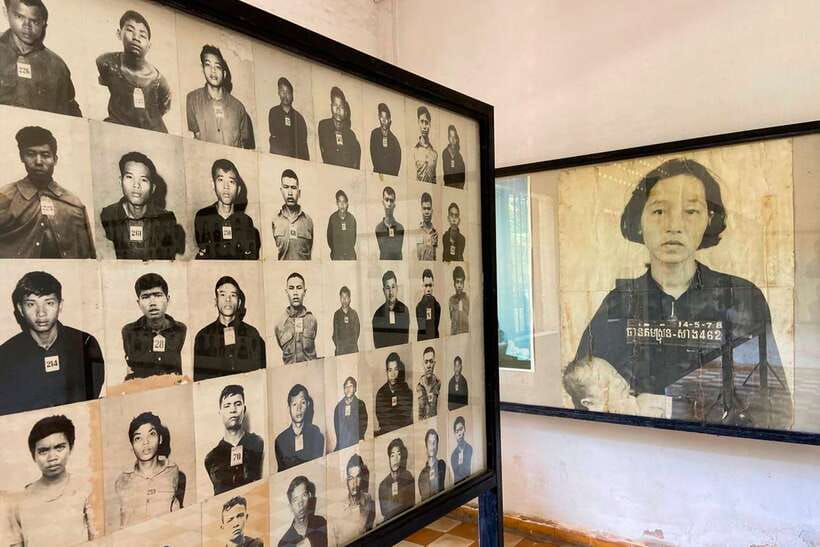
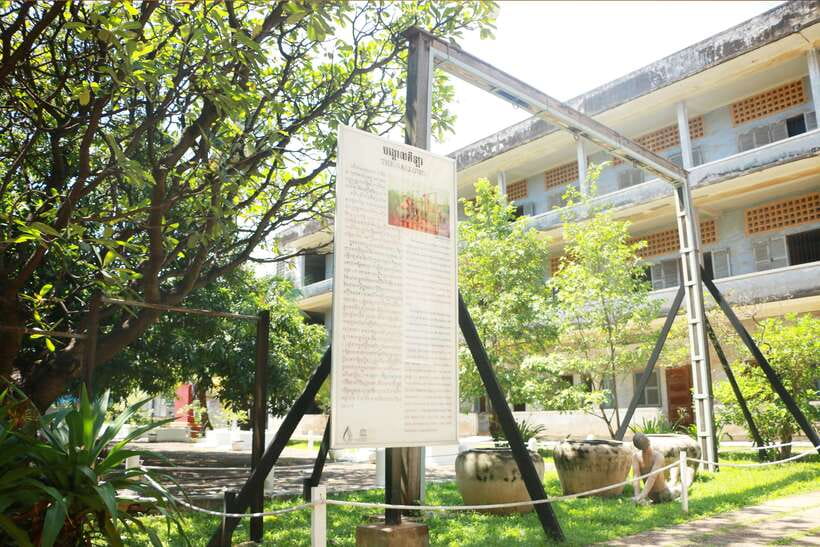
S21 Genocide Museum: why context matters here
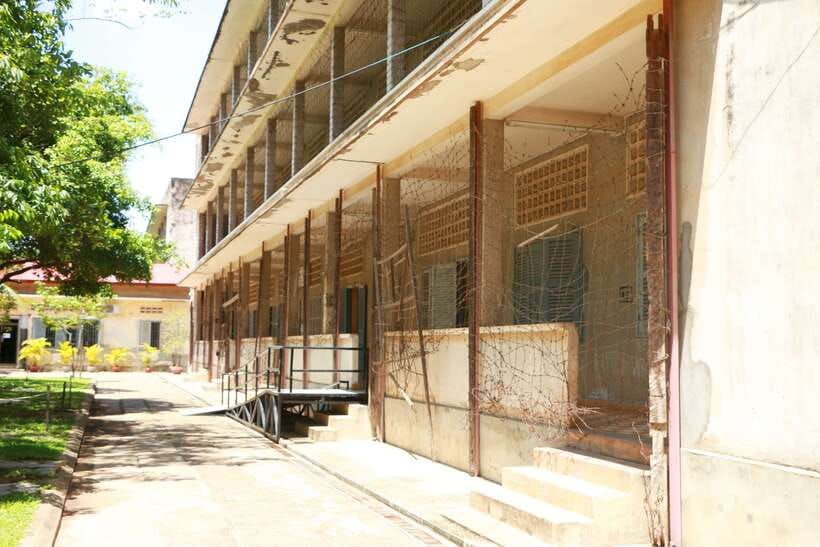
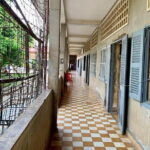
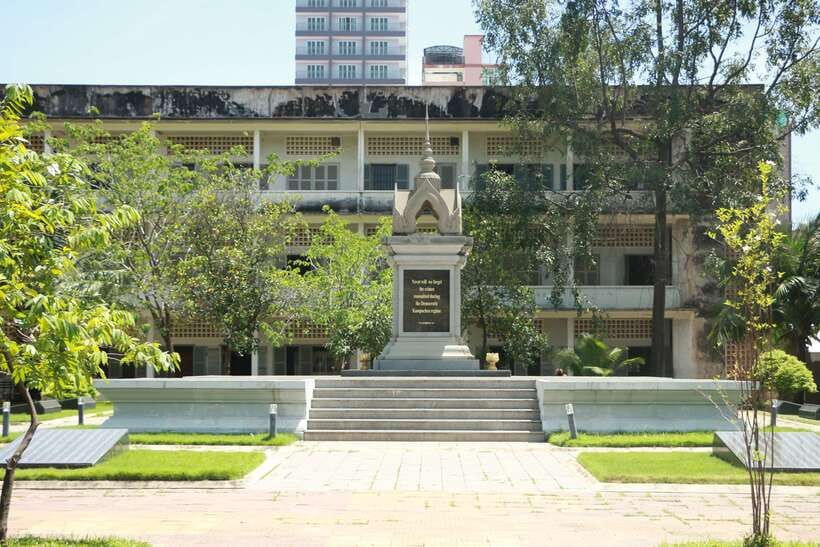
The S21 Genocide Museum is emotionally heavy. It’s also one of the most important stops on the route.
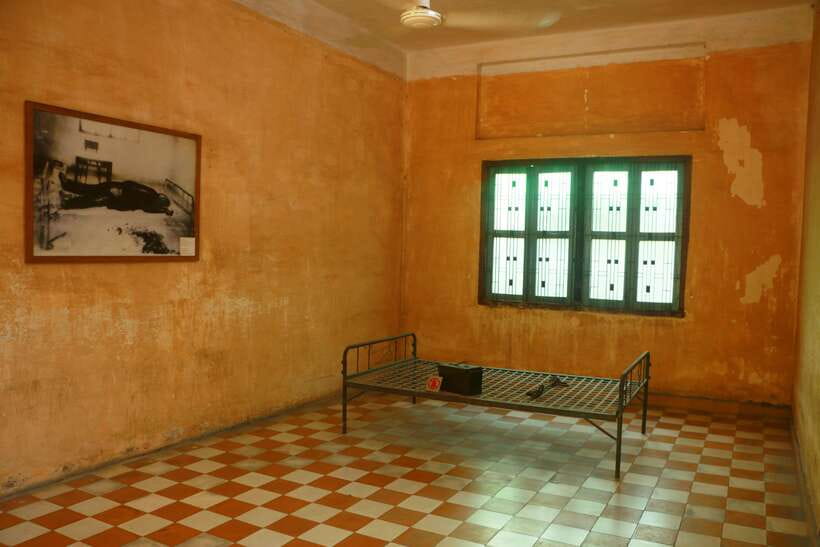
On a guided tour, you’re not just looking at rooms and documents. You’re hearing how the site fits into the wider story, and the guide can help you understand what the exhibits are showing and why they were preserved. One guide, Sam Ang, was singled out in multiple accounts for mixing history explanations with personal perspective, including lived experience during the Pol Pot regime.
That kind of context can change the entire visit. It turns the museum from a list of horrors into something structured enough to process.
Practical reality check: this is not a “quick glance” site. Even if the schedule is tight, you’ll want a minute to just absorb. If you’re taking photos, do it thoughtfully.
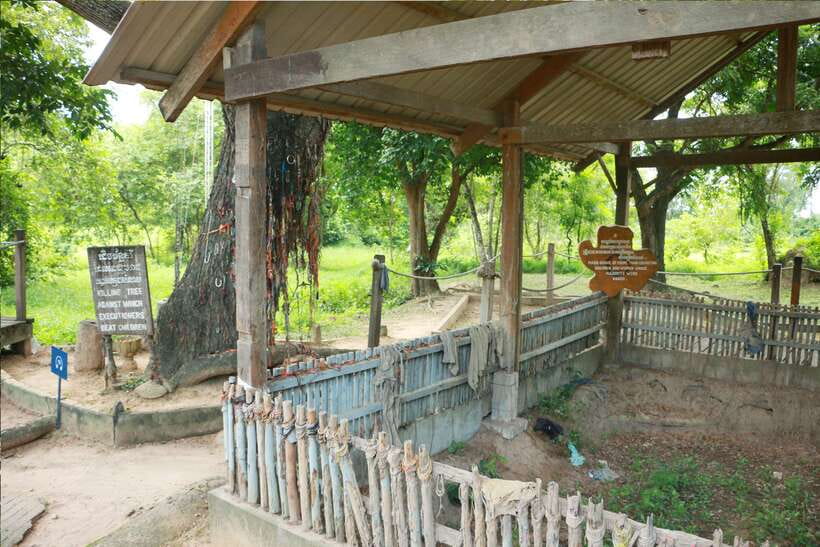
Killing Fields and the 129 mass graves: the part that stays with you
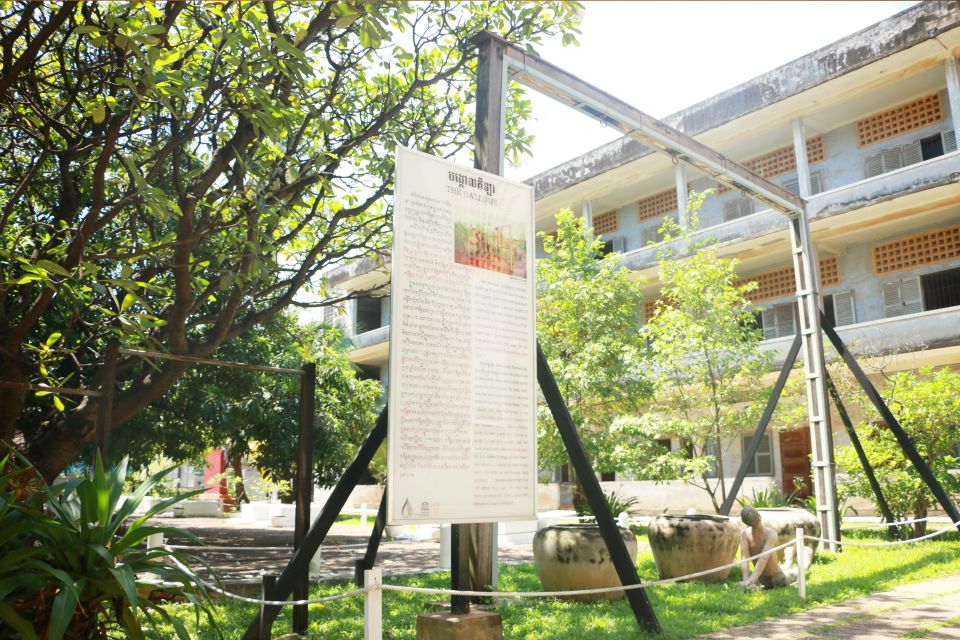
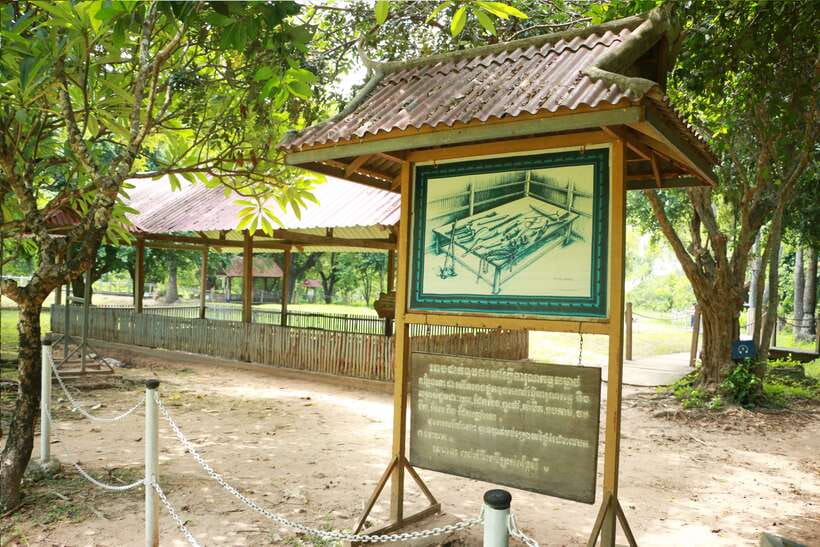
After S21, the route moves to the Killing Fields, where the subject turns even more direct and personal. The highlight here is the 129 mass graves, which makes the scale hard to ignore.
The emotional weight of this stop is the reason a private guide can matter so much. You’re less likely to feel lost, and you’re more likely to get the historical framing that helps you make sense of what you’re seeing.
I’ll say it plainly: this is tough material. If you’re sensitive, you may want to pause more often and pace your time. You can also ask your guide to adjust how quickly you move through areas, especially if you feel overwhelmed.
Russian Market: finish with local life and real shopping time
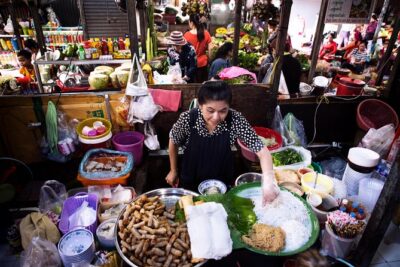
By the time you reach Russian Market, you’ve usually earned some normalcy. This is your chance to browse, buy small souvenirs, and pick up items for friends back home.
It’s also a good moment for anyone who wants the day to end with something lighter after the museums. One review praised the guide for being a local-food expert and steering people toward good local dishes around the market area—though that particular visitor couldn’t eat due to feeling unwell, which is a reminder to listen to your body today.
If you plan to shop, a simple rule helps: don’t wait until the very end if you’ll be spending cash. Entrance fees and shopping add up fast.
Price and value: what $65 per person really buys
At $65 per person for a 7-hour private tour with hotel pickup, air-conditioned transport, an English-speaking guide, insurance, and bottled water, you’re paying for time and translation—two things Phnom Penh demands if you want more than surface sightseeing.
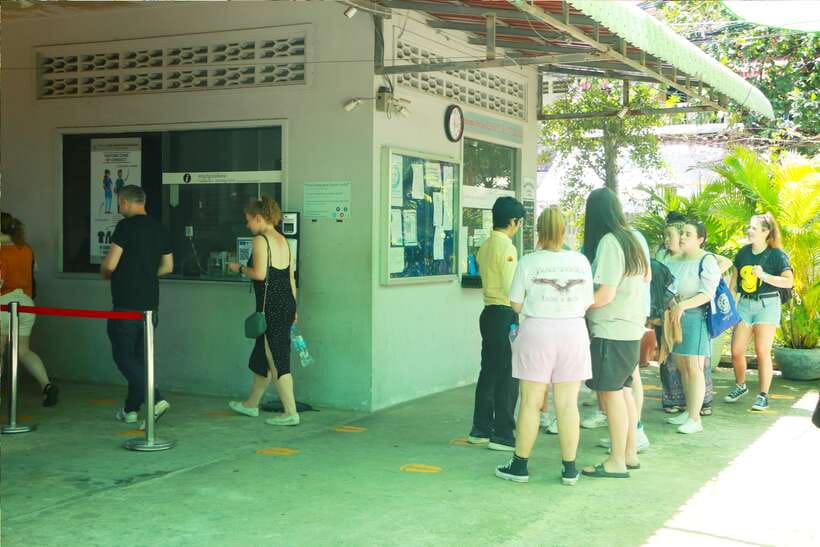
Here’s the trade-off: entrance fees are not included. One account suggested budgeting around $10 US per person for the palace and museums. That means you should carry enough cash to cover entry tickets without scrambling mid-day.
So the value equation looks like this:
- You pay less than it would cost if you hired separate private transport and guide time.
- You still control your pacing through a private group setting.
- You do need cash readiness because you’re responsible for site entry fees.
If you want the best “money-to-understanding” ratio, this tour is a strong pick for first-time Phnom Penh visitors who care about meaning, not just selfies.
What to bring (and what to plan for) in Phnom Penh weather
This tour runs rain or shine, so pack like the forecast might not be your friend. At minimum, bring:
- Sunglasses
- Sunscreen
- Cash (for entrance fees and shopping)
- A face mask or protective covering
I’d also add a smart clothing angle based on practical feedback from the day’s conditions: consider a hat for sun protection, and wear shoes you can move comfortably in. One review even mentioned bringing socks for situations where you may need to remove your shoes at certain places.
On the rules side: pets and drones are not allowed.
And if you’re thinking about health needs, note that this tour is not suitable for people with heart problems and wheelchair users, since it involves walking and mobility across multiple sites.
The guide makes it, especially when the story is personal
The biggest repeat praise across accounts wasn’t just that the guide “knew facts.” It was the way the guide explained culture and religion while also connecting Phnom Penh’s present to the past.
Sam Ang was mentioned by name in multiple experiences. In one, Sam shared personal history tied to the Pol Pot era, and the effect was memorable for visitors who wanted context, not just dates. Another account highlighted Sam’s humor and the feeling that the guide cared about making the day understandable and human.
This matters because Cambodia’s landmarks are layered. Without a good interpreter, the Royal Palace and temple sites can feel like pretty backgrounds. With the right guide, you see how power, spirituality, and survival connect across time.
It also helps that the tour is flexible. One review noted the itinerary can shift based on what you want to emphasize, and that’s a big deal on a private day.
Who this tour fits best
This is a strong fit if:
- you want a first-timer overview of Phnom Penh’s major sights
- you care about history and cultural context
- you prefer private transport over negotiating tuk-tuks for a full day
- you want an English guide who can answer questions as you go
It might be a tough fit if:
- you’re managing heart conditions (the tour isn’t suitable)
- you use a wheelchair (not suitable)
- you’re expecting a light, laid-back sightseeing day—this includes S21 and the Killing Fields, so the emotional content is real
Also, if you’re traveling with teens, it can work if everyone is prepared for serious material. One father-and-teen experience highlighted the value of the guide’s explanations in making it educational and manageable.
Should you book this Phnom Penh city tour?
If you want the fastest path to understanding Phnom Penh, this tour is easy to recommend. The combination of Royal Palace, Silver Pagoda, S21, and the Killing Fields (with 129 mass graves) is exactly the kind of pairing that makes a city feel coherent instead of random.
Book it if you:
- like guided context and Q&A moments
- have a full day and want a private day plan
- can handle emotional history
Skip it or choose a different style if you:
- need a slower, less intense day
- are uncomfortable with the content at S21 and the Killing Fields
- have mobility or health limits that make several stops on foot difficult
If you do book, plan ahead with cash for entrance fees, sunscreen for the outdoor parts, and a mindset that today will teach you more than you expect.
FAQ
How long is the Phnom Penh city tour?
The duration is 7 hours.
Is this tour private?
Yes, it’s a private group with a private vehicle and guide.
What’s included in the price?
It includes hotel pickup and drop-off, an air-conditioned vehicle, a licensed English-speaking guide, an insured vehicle, and mineral water. An English audio guide is also included.
Are entrance fees included?
No. Entrance fees are not included.
What should I bring?
Bring sunglasses, sunscreen, cash, and a face mask or protective covering.
Does the tour run in bad weather?
Yes. The tour takes place rain or shine.