REVIEW · PHNOM PENH
Oudong Mountain & Phnom Baset Private Tours from Phnom Penh
Book on Viator →Operated by About Cambodia Travel & Tours · Bookable on Viator
Oudong Hill turns a city day into something real. This private tour lets you hop out of Phnom Penh and spend a full day exploring the former royal capital area, plus Phnom Baset’s pre-Angkorian temple zone. I like that your guide keeps things practical, so you don’t just look at temples and stupas—you understand what you’re seeing.
I also like the comfort. You get hotel pickup/drop-off and private luxury air-con transport, plus all entrance fees are covered. One thing to keep in mind: the schedule is full, and some stops are brief, so you’ll want good shoes and a water plan if the heat is on.
In This Review
- Key Highlights Worth Marking on Your Map
- Why Oudong and Phnom Baset Make a Great Day From Phnom Penh
- Getting There in Luxury: Hotel Pickup and a Smooth 7–9 Hour Pace
- Oudong Temple and the Royal Hill: Stupas, Relics, and Photo Pauses
- Meditation Centers at Sontte Wan and the Vipassana Gardens
- A Pagoda Stop With Koh Chen Silver-Craft Energy
- Phnom Baset: The 8th-Century Temple, Reclining Buddha, and Views
- Wat Sowann Thamareach: A Different Architectural Style
- Price and Logistics: Is $135 Per Person Good Value?
- Who Should Book This Private Day Trip (and Who Might Skip It)
- Guides Matter: The Difference Between Listening and Learning
- Should You Book Oudong Mountain and Phnom Baset?
- FAQ
- How long is the Oudong Mountain and Phnom Baset private tour?
- Do I get hotel pickup and drop-off?
- Are entrance fees included for the sites?
- Is lunch included in the price?
- Is the tour guide English-speaking?
- Is this tour private or shared?
- What is the cancellation policy?
Key Highlights Worth Marking on Your Map
- Hotel pickup/drop-off so you don’t waste time figuring out logistics
- Entrance fees included for the temple stops on the route
- Luxury AC private vehicle for the long-ish day trip back and forth
- A guide-led history thread that ties Oudong’s royal era to what you see today
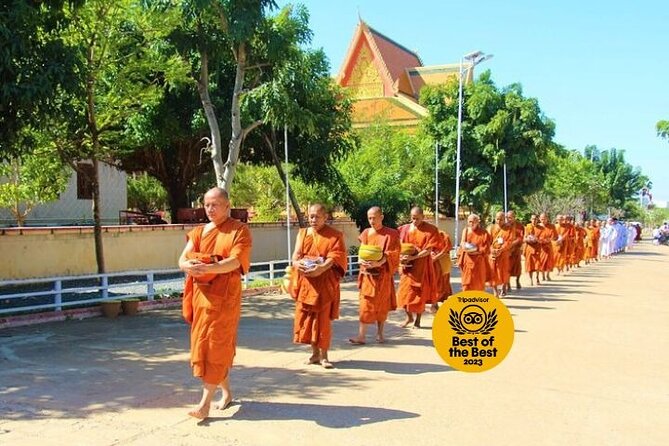
- Buddhist meditation centers you can actually wander (not just snap photos and leave)
- Phnom Baset’s reclining Buddha and views from the temple complex
Why Oudong and Phnom Baset Make a Great Day From Phnom Penh
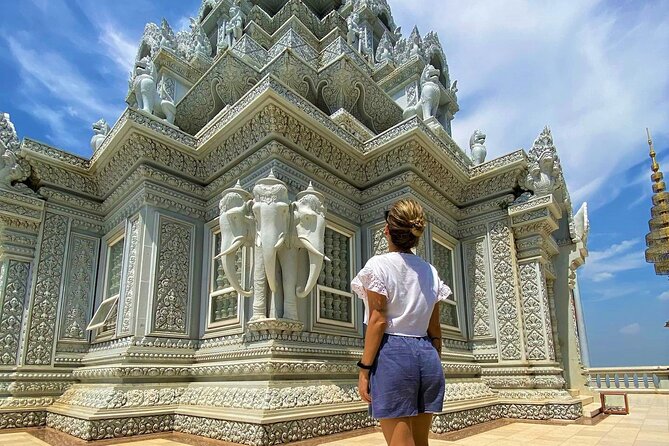
This is the kind of trip that makes Phnom Penh feel more like a base than a destination. Oudong was Cambodia’s royal capital between 1618 and 1866, before the capital shifted to Phnom Penh, and that timeline hangs in the air when you’re up on the hills. You’ll see large sacred structures spread across heights, and the guide’s commentary helps the place make sense.
Then Phnom Baset adds a different angle. The big draw here is the pre-Angkorian temple site dating to the 8th century, plus the reclining Buddha. The complex also gives you that wide-open sense of space—plains and rice fields stretching out below, depending on light and haze.
If your goal is to get cultural context fast, this route is built for that. It’s not a slow, museum-only day. It’s a walking-and-looking day, with stops that keep your feet moving while your brain stays busy.
You can also read our reviews of more private tours in Phnom Penh

Getting There in Luxury: Hotel Pickup and a Smooth 7–9 Hour Pace
The day is set for about 7 to 9 hours. That matters because it gives you time to see the main points without turning the trip into a sprint. You’ll get pickup and drop-off at your hotel, and you ride in a private, luxury air-con vehicle.
In hot Cambodia, comfort isn’t a small detail. The private car keeps the day realistic. You’re not waiting around in a shared vehicle, and you can pause when you need water or a breather. Several people also mention cold drinks and cold towels along the way, which is exactly the kind of thoughtful touch that makes the day feel cared for.
One small practical note: because the route includes lots of religious sites and a few short stops, the day can feel “full” even when you’re moving at a sensible pace. Plan to keep your expectations flexible. You’re collecting impressions, not trying to master every monument like a scholar.
Oudong Temple and the Royal Hill: Stupas, Relics, and Photo Pauses
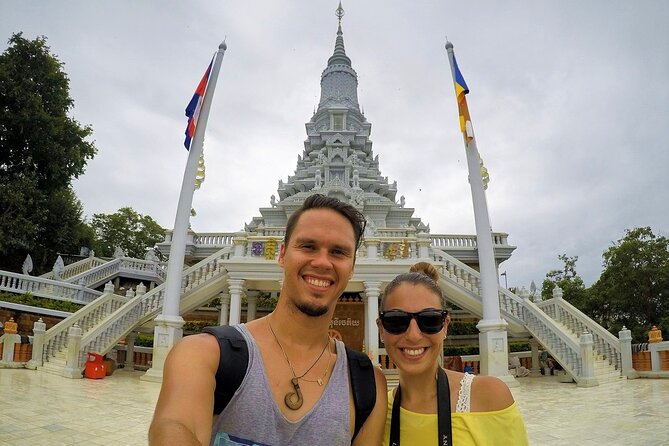
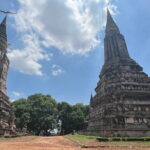
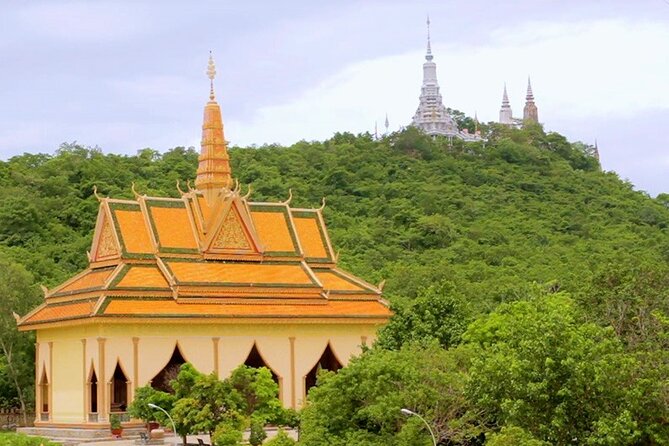
Oudong Temple is your first big stop, and it sets the tone. Oudong covers three hills, and you’ll notice how many stupas and temple structures sit across the slopes like they were placed to be seen from far away. The huge stupas are visible from miles away, and that scale helps you understand why this mattered as a capital.
You’re there for about 1 hour, so I’d treat this as your warm-up climb: look for the main structures, let your eyes adjust, and get your bearings. If you like photography, this is a good place to slow down for a few minutes. Early and late light can make textures pop, especially on stone surfaces and the edges of stupas.
Next comes Phreah Reach Throap Mountain (also tied to Phnom Oudong). This is a sacred mountain linked to relics from ancient settlements. It’s a shorter stop (about 45 minutes), but it’s one of those places where the “why” matters as much as the “what.” A solid guide helps you connect the relic-focused meaning to the way the site is laid out on the hill.
Then you move to the Royal Tombs of Oudong. This is one of the emotional anchors of the day. The tombs are associated with remains of rulers of Cambodia over roughly 200 years, and they’re set on Phnom Oudong with several stupas along the east-west stretch. Plan on respectful, quiet attention here. The time is about 30 minutes, so you don’t get long to wander, but it’s enough to grasp the overall layout and significance.
After the royal tombs, Preah Sakyamoni Chedi is next. This stop rewards patience. The chedi is described as picturesque and one of the best and most intact chedi structures in Oudong. You’ll spend about 30 minutes, which is perfect for taking a few steady photos and just watching how people move through the space.
Meditation Centers at Sontte Wan and the Vipassana Gardens
Not every temple day includes time to breathe. This one does, thanks to two Buddhist centers.
First is the Vipassana Dhurak Buddhist Centre of the Kingdom of Cambodia. The main purpose is teaching Vipassana meditation techniques, but the complex is open to the public, and you can wander the gardens. Your time here is about 30 minutes. I like stops like this because they soften the day. Instead of chasing monuments, you get a calmer pace where you can observe daily religious life.
Then you go to the Sontte Wan Buddhist Meditation Center. It’s described as the largest Buddhist center in Cambodia, and the setting is decorated in a way that you’ll enjoy if you like details—handmade patterns, architectural flourishes, and the feel of a place built for practice. The time listed is about 30 minutes, and the itinerary includes an additional 1-hour block tied to the same area, so you’re not rushed through it. This is where the day shifts from “see the sights” to “take in the atmosphere.”
If you want one takeaway from the whole tour, it’s this: these meditation center stops make the day feel balanced. You’re not only climbing and photographing. You’re also stepping into spaces designed for quiet focus.
A Pagoda Stop With Koh Chen Silver-Craft Energy
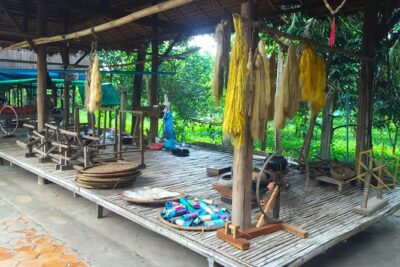
One of the more interesting cultural pivots happens around Moni Sakor Pagoda. The description ties this stop to Koh Chen island in the Tonle Sap Lake area and to a village known for silver crafts. In practice, this turns the day from pure temple viewing into something a little more human-scale: skill, work, and local craft traditions.
You’ll spend about 30 minutes here. That isn’t long, but it’s enough to notice the craft theme and get a sense of why Koh Chen is known for silver. If you’re the type who likes buying a small souvenir that feels connected to local life, this is the kind of stop that can deliver value.
Just remember: it’s still a temple-and-religion day. Dress and behave respectfully, even if the stop feels “market-adjacent.” The tone is religious and cultural, not tourist-fun.


Phnom Baset: The 8th-Century Temple, Reclining Buddha, and Views
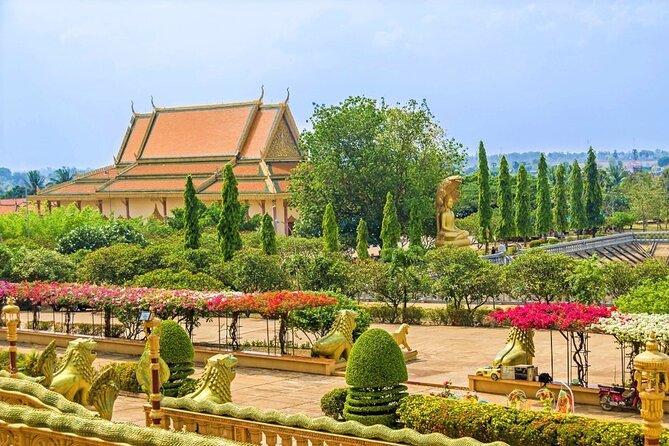
Phnom Baset is where the day turns cinematic. You’re there for about 2 hours, and the site includes a pre-Angkorian temple from the 8th century and a reclining Buddha. That combination is a big deal because it’s not just another hilltop viewpoint. It’s a specific historical and artistic experience.
The view from the temples is also part of the attraction. From up here, you can look out over the surrounding plains and rice fields. On a clear day, that wide view makes you understand why people built sacred spaces on elevated ground in the first place: you can see far, and it feels separate from the noise below.
You get enough time here to do the “walk a loop” approach—arrive, orient yourself, visit the main temple points, then come back for a slower look once the crowds thin or your eyes adjust. If the heat is strong, this is also a great spot to pause under shade and let the day cool down.
Wat Sowann Thamareach: A Different Architectural Style
Wat Sowann Thamareach is described as rarely visited, and that’s exactly why it’s worth including. You’re there for about 30 minutes.
The standout is architecture. The temple is described as a different architectural monument, sitting within a new Buddhist temple complex. That matters because it keeps the day from repeating the same type of structure. After Oudong’s royal hill atmosphere and the classic shapes of stupas and chedis, this kind of architectural change feels refreshing.
If you’re the kind of person who notices how styles shift over time, this stop is a good final chapter before you head back toward Phnom Penh.
Price and Logistics: Is $135 Per Person Good Value?
At $135 per person for a private tour, this isn’t the cheapest option on the Phnom Penh day-trip menu. One review notes it felt overpriced compared to other options, and that’s a fair warning flag if you’re hunting for a bargain.
Here’s how I’d think about value. What you’re getting includes:
- Private luxury air-con transportation
- Hotel pickup and drop-off
- Professional English-speaking guide
- All entrance fees for the stops listed
- Services charge and current government VAT
Those inclusions can narrow the price gap quickly, because Phnom Penh area day tours often charge extra for entrances and transport. Also, private means you’re not squeezed into someone else’s schedule.
What you’ll likely pay extra for:
- Lunch, which is on your own (local restaurants with both vegetarian and non-vegetarian options, often priced around $3–$10 per dish)
- Tips for your guide and driver
So, the real question is how much you value comfort and included costs. If you want a full day with less hassle, this price can make sense. If you’re fine with shared transport and don’t mind adding your own entrance fees, you might find cheaper tours.
Who Should Book This Private Day Trip (and Who Might Skip It)
This tour fits best if you want:
- A structured day with a guide to explain what you’re looking at
- A mix of Oudong’s royal hill sites and Phnom Baset’s notable temple complex
- Time to wander meditation center gardens instead of only rushing through monuments
- Private comfort in a luxury air-con vehicle, especially in heat
You might choose something else if:
- You hate packed itineraries where some stops are only 30–45 minutes
- You’re very price sensitive and want the lowest possible day-trip cost
- You’re mainly looking for one or two big “must-see” places and not a full circuit of sites
Also, if your idea of a good day includes patience with stairs and gentle climbing, you’ll have a better time. The hills matter here.
Guides Matter: The Difference Between Listening and Learning
This is a tour where the guide changes the experience. Different guides are mentioned by name, and the common thread is that they’re patient and good at explaining how the sites connect.
For example, Makara is noted for being so knowledgeable and kind, and for answering questions beyond the monuments themselves, including history and culture. Other guides like Ching and Tuk (plus Tok) are also described as attentive and easy to understand, with cold drinks and cold towels to keep the day comfortable.
If you care about context, this kind of guided pacing is a big part of why the tour works. You don’t just see a chedi; you understand why it’s placed where it is and what it represents in the wider setting.
Should You Book Oudong Mountain and Phnom Baset?
I’d book this tour if you’re in Phnom Penh for a short window and you want a full day that feels like more than a checklist. Oudong gives you royal-capital atmosphere and hilltop monument scale. Phnom Baset gives you a strong historical temple experience plus the reclining Buddha and open views.
The comfort and included entrance fees also make it easier to plan. You don’t have to juggle tickets while you’re out in the heat.
But if you want the cheapest possible day trip, or if short stops feel stressful, compare prices and tour lengths first. At $135, you’re paying for privacy, included entrances, and a guided route that keeps the day moving with purpose.
FAQ
How long is the Oudong Mountain and Phnom Baset private tour?
It runs about 7 to 9 hours.
Do I get hotel pickup and drop-off?
Yes. Pickup and drop-off at your hotel are included.
Are entrance fees included for the sites?
Yes. All entrance fees for the tour sites are provided.
Is lunch included in the price?
No. Lunch isn’t included, and you’ll pay for it at local restaurants (vegetarian and non-vegetarian options are available).
Is the tour guide English-speaking?
Yes. The tour includes a professional English speaking licensed guide.
Is this tour private or shared?
It’s private. Only your group participates.
What is the cancellation policy?
You can cancel for a full refund if you cancel at least 24 hours before the experience starts. If you cancel less than 24 hours before, the amount paid isn’t refunded.