REVIEW · PHNOM PENH
Phnom Penh Historical Sites Tour by Tuk Tuk
Book on GetYourGuide →Operated by Siem Reaper Travel · Bookable on GetYourGuide
Five hours, two eras of Cambodia. This Phnom Penh Historical Sites Tour by Tuk Tuk strings together royal grandeur, everyday temple life, and the sobering truth of the Khmer Rouge.
I really like how it mixes big icons with human scale: Wat Phnom lets you join locals and foreigners in prayer, and the Silver Pagoda offers a rare look inside Cambodia’s royal complex. The pace stays friendly with a small group and a live English guide.
One thing to consider: the main temple and museum entry fees are not included, so budget for tickets (plus you’ll want to double-check that you’ll have clear guiding at each stop, not just a ride).
In This Review
- Key Highlights You’ll Care About
- A 5-Hour Loop That Makes Phnom Penh Make Sense
- How the Tuk Tuk Ride Shapes the Experience
- Royal Palace Complex: Royal Grounds and the Silver Pagoda
- Silver Pagoda to Wat Phnom: Switching From State Ceremony to Local Prayer
- Independence Monument: A Photo Stop That Still Has a Story
- Tuol Sleng Genocide Museum: The Hard Visit Done With a Human Voice
- Tickets and Total Cost: Is It Good Value at $25?
- Who This Tour Fits Best (and Who Might Want a Different Day)
- The Pickup Reality: Make It Easy on Yourself
- What to Bring for a Rain-or-Shine Tuk Tuk Day
- Should You Book This Phnom Penh Tuk Tuk Historical Sites Tour?
- FAQ
- How long is the Phnom Penh Historical Sites Tour by Tuk Tuk?
- How much does the tour cost?
- Are entrance fees included in the $25 price?
- What sites are included on this tour?
- Is the tour guided?
- Is hotel pickup included?
- How big is the group?
- Does the tour run in bad weather?
- What’s included during the day?
- What should I bring?
Key Highlights You’ll Care About
- Small group (up to 6): more time to ask questions without feeling herded
- Royal Palace complex access: you can’t tour the whole palace, but you can visit the sacred Silver Pagoda
- Wat Phnom at street level: a 14th-century temple and a 27-meter landmark where people pray
- Tuol Sleng, guided: a focused visit to the Genocide Museum with an English narrative
- Comfort perks: cold water, local snacks, and a short coffee break built into the outing
A 5-Hour Loop That Makes Phnom Penh Make Sense
Phnom Penh can feel like a city of opposites. One moment you’re walking under ornate royal architecture; the next you’re in a museum that forces you to face what happened under the Khmer Rouge. This tour helps you hold both truths at once, without you needing to plan bus routes or stitch together separate tickets and timing.
I like that the itinerary doesn’t try to cram in everything. It targets places that explain Cambodia in a grounded way: belief and ceremony at Wat Phnom, state power and religious art at the palace complex, and history that’s painful but essential at Tuol Sleng. If you’re short on time, this is one of the cleanest ways to get oriented.
You can also read our reviews of more historical tours in Phnom Penh

How the Tuk Tuk Ride Shapes the Experience
This is designed for a tuk tuk day—so expect a comfortable, city-friendly pace rather than a frantic sprint. Your driver and an English-speaking guide handle the movement between sites, which matters in Phnom Penh where traffic and distances can surprise you.
The tour is set for 4.5 to 5 hours, and it’s limited to six participants. That small group size is more than a nice-to-have. It gives you room to hear the guide, to ask follow-ups, and to step out for photos without the whole group waiting.
Also, it runs rain or shine. That’s good news for planning. Just remember: the sites include outdoor walking and waiting for photo angles, so bring sunscreen and plan for wet paths if the weather turns.
Royal Palace Complex: Royal Grounds and the Silver Pagoda
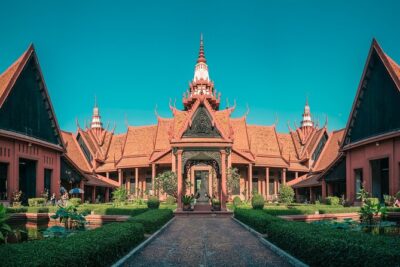
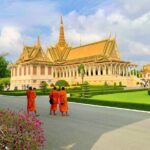
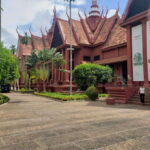
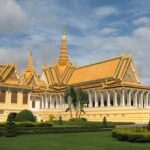
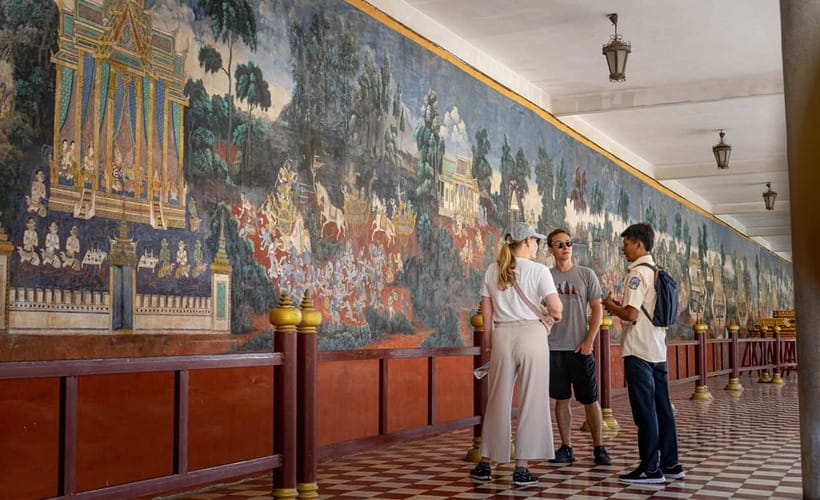
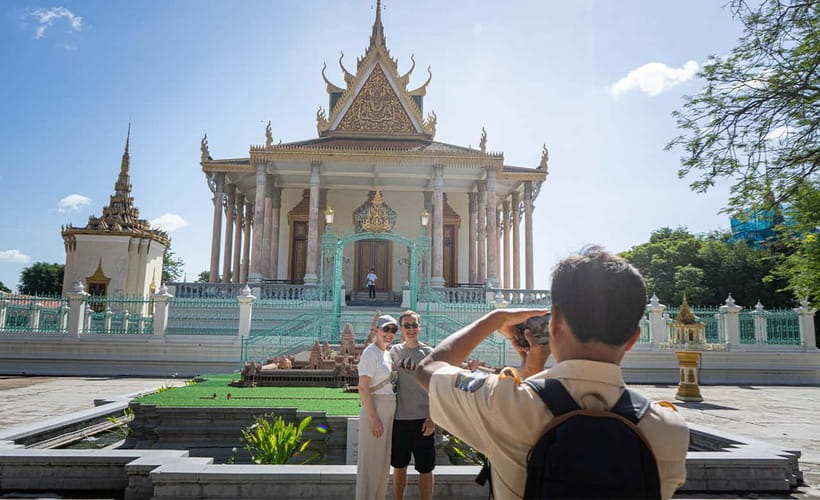
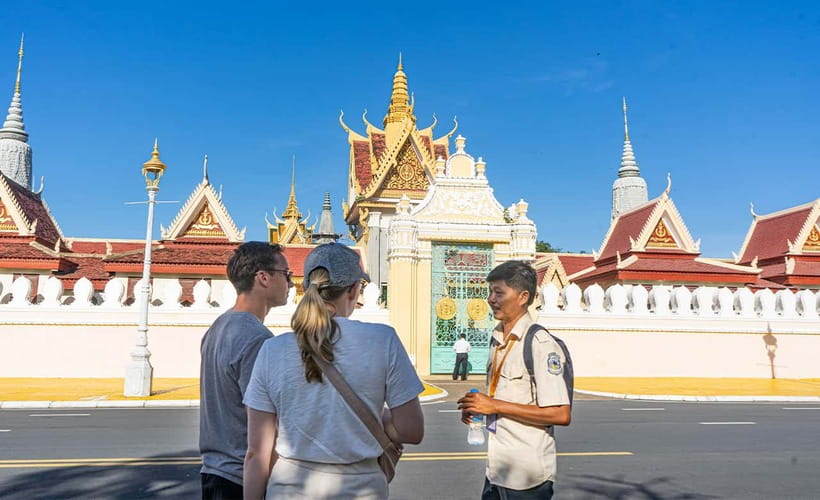
The day starts with the Royal Palace area. Here’s the key detail: the Royal Palace itself is closed off to the public, but the tour still delivers access to a major highlight inside the complex—the Silver Pagoda.
You’ll get a guided visit for about an hour at the palace stop, then a dedicated 30-minute guide time at the Silver Pagoda area. That structure helps you get the context first, then focus on the sacred space. Even if you’ve been to other Southeast Asian palaces, the Silver Pagoda is different in tone. It’s religious, ceremonial, and tied to Cambodian art and practice in a way that feels like more than sightseeing.
Practical tip: wear something respectful and keep your camera ready. This is the kind of place where you’ll want a few steady moments for photos, but you’ll also notice people moving with purpose—so don’t treat it like a quick photo stop.
Silver Pagoda to Wat Phnom: Switching From State Ceremony to Local Prayer
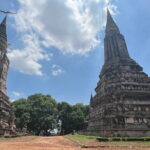
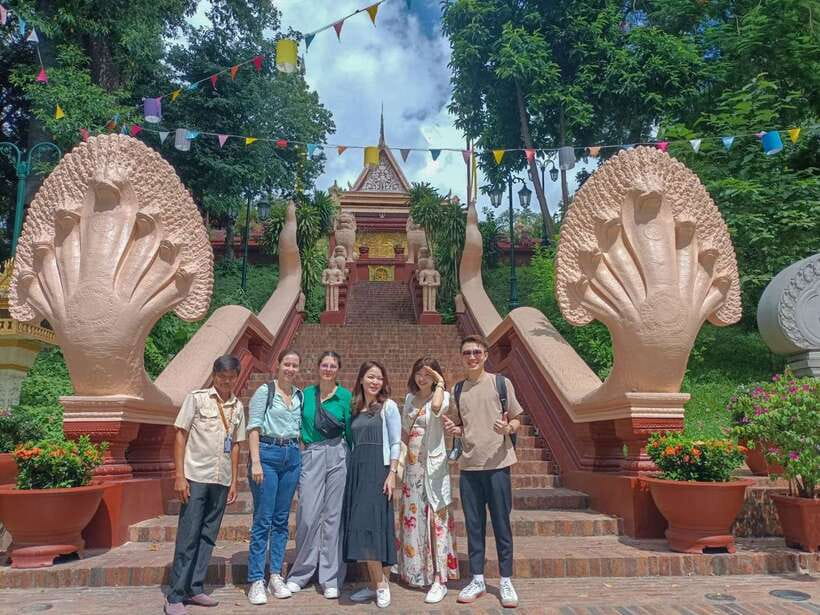
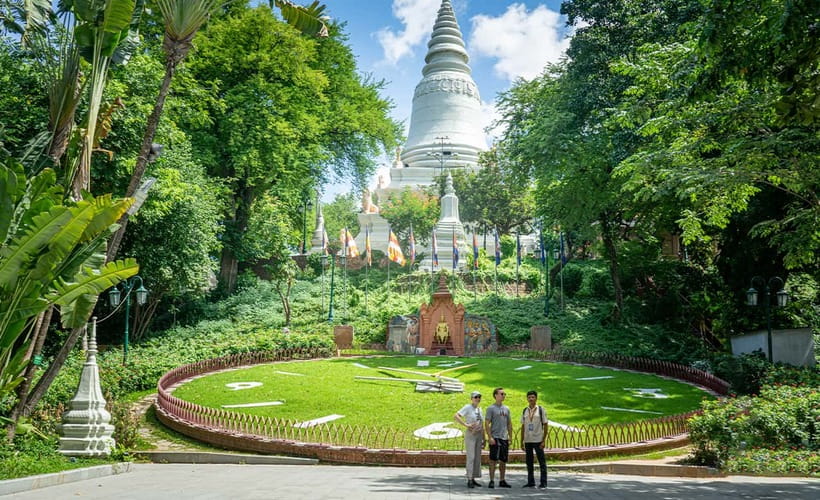
After the palace complex, the tour shifts to a totally different rhythm at Wat Phnom, a Buddhist temple dating to the 14th century. It rises to about 27 meters, and it’s known as the highest religious structure in the area.
This isn’t just about architecture, either. Wat Phnom is a working temple. You’ll have time for sightseeing and photos and, importantly, a chance to observe people praying for good luck. The tour frames it as a shared moment—locals and foreigners alike—so you get the sense that this place isn’t only for visitors.
You’ll also see several highly decorated structures in the complex, including a large stupa at the center. Because this is a guide-led tour, you’re not just looking at details—you’re learning what they mean in day-to-day religious life.
Watch your step: temple grounds can be slippery, especially after rain. Keep an eye on where you walk, and don’t rush your photos—just slow down and let the place work on you.
Independence Monument: A Photo Stop That Still Has a Story
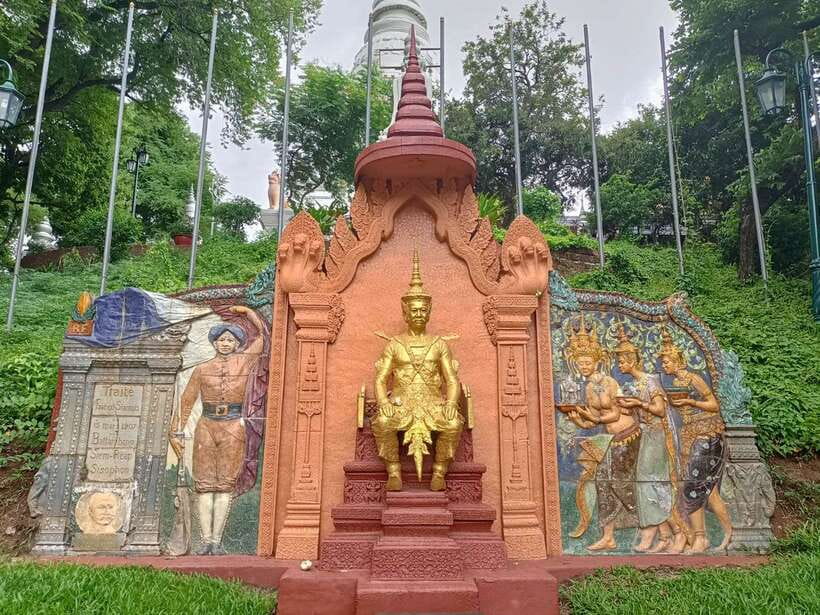
Next comes the Independence Monument. You’ll have a photo stop, plus a short guided segment.
Even with only limited time, this stop works because it’s not treated like a random landmark. The tour gives you context, then lets you take pictures without turning it into a stand-and-stare situation. If you’ve never heard the monument explained, you’ll likely appreciate having a guide point out what to look for and why it matters.
If you’re the type who skips monuments because they feel like filler, this one is still worth it here. In a tight 4.5 to 5 hour schedule, the best stops are the ones that help you connect the dots.


Tuol Sleng Genocide Museum: The Hard Visit Done With a Human Voice
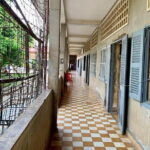
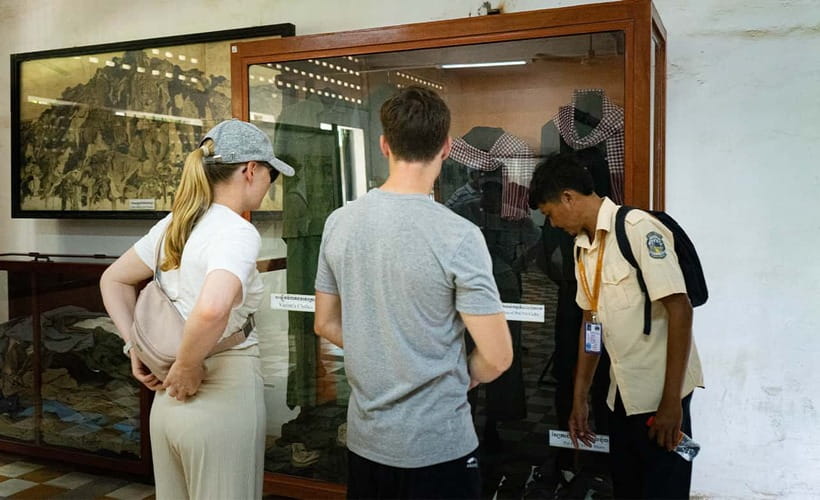
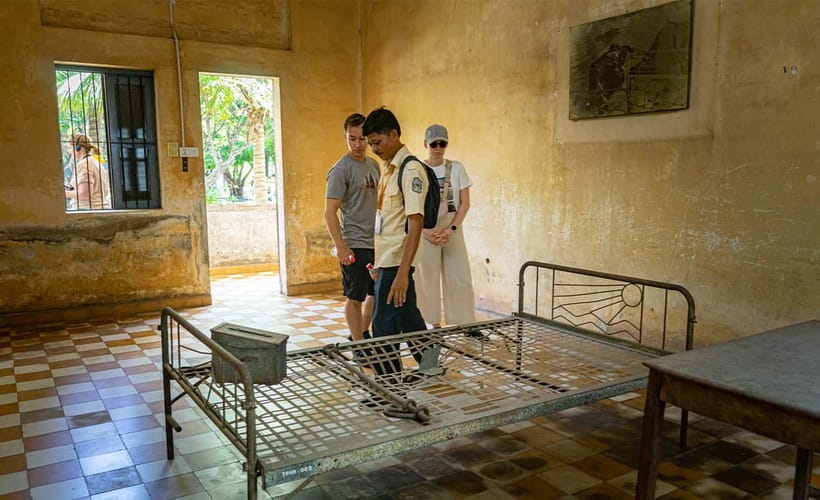
Then you reach the emotional center of the day: Tuol Sleng Genocide Museum (also known as the Tuol Sleng Genocide Museum on many schedules). The tour spends about 2 hours here, with guided interpretation.
This is where the tour earns its credibility. The guide explains the tragic legacy of the Khmer Rouge in detail, so you’re not walking through exhibits with no help. That matters, because genocide museums can feel overwhelming if you don’t have a roadmap. A good narration helps you understand what you’re seeing—why specific rooms and records exist—and how the story connects to Cambodia’s wider reality.
You should also be ready for the emotional weight. This isn’t a casual history stop. Plan to be mentally present. Bring patience for the pacing: 2 hours is enough time to see the main exhibits, but it’s also long enough for the guide to explain key events without rushing past the hard parts.
Tip for your visit: take breaks if you need them. The best experience is the one you can process. If you feel overloaded, step back for a moment and let the guide’s pacing do the heavy lifting.
Tickets and Total Cost: Is It Good Value at $25?
On paper, the price looks simple: $25 per person for about 4.5 to 5 hours. That rate includes hotel pickup and drop-off, a tuk tuk driver, and extras that actually make a difference on a hot day—cold water, local snacks, and a short coffee break.
But three major sites have separate entry fees:
- Royal Palace: $10
- Wat Phnom: $1
- Tuol Sleng Genocide Museum: $5
So your realistic total is closer to $41 per person once you add the attractions listed above, before any personal spending. For many visitors, that’s still fair value because you’re paying for guided time and coordinated transport—not just walking into places on your own.
Where the value can swing is this: the experience quality depends on the guide doing more than just shuttling you. Since this tour includes a live English guide, you should feel confident that the storytelling is part of the product. When it’s done well, it turns a list of sights into a real understanding of Phnom Penh.
Who This Tour Fits Best (and Who Might Want a Different Day)
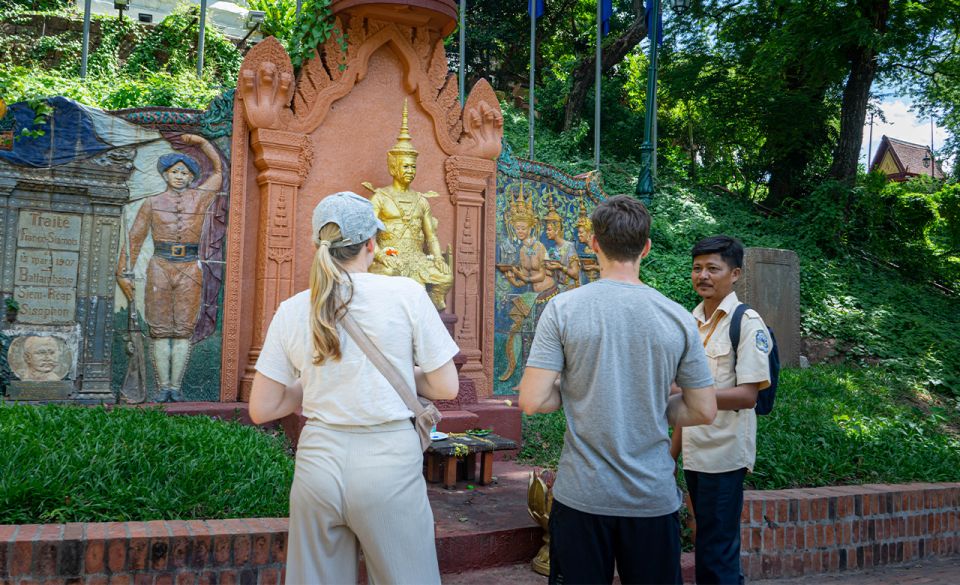
This is ideal if you:
- Want a first-timer-friendly historical overview of Phnom Penh
- Prefer a small group and an English-speaking guide rather than solo planning
- Want both the lighter cultural side (like Wat Phnom prayer moments) and the heavier history (Tuol Sleng) in one day
- Like guided context at museums, not just self-guided wandering
It might be less ideal if you:
- Are determined to do absolutely everything at your own speed, with zero reliance on a schedule
- Don’t want to think about separate site tickets
- Hate the idea of being on a tight timeline for two major “anchor” stops
If you want strong guidance at each point, pay attention to how the day starts at pickup and when the guide meets you. A smoother start makes everything feel better later.
The Pickup Reality: Make It Easy on Yourself
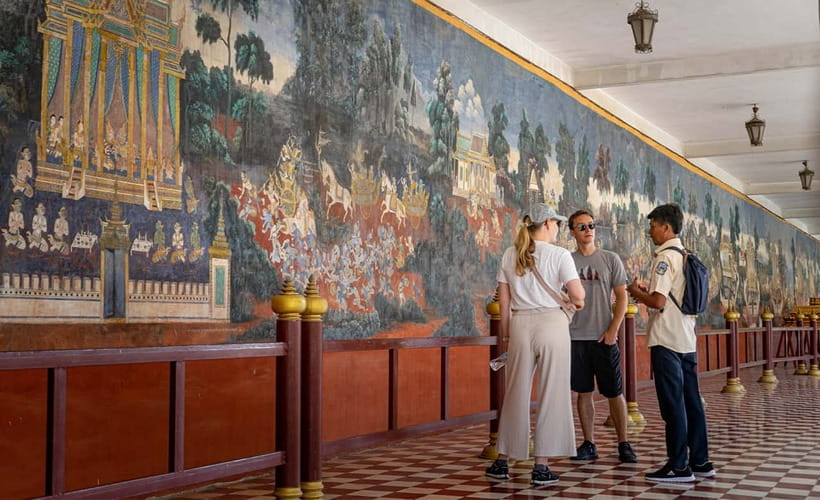
Pickup is offered, and you’re typically asked to wait in your hotel lobby about 15 minutes before the scheduled time. That means your best move is simple: be ready, have your phone charged, and don’t wander off expecting someone to find you on their own.
Also, if your meeting point has no obvious staff member in the lobby area, do a quick check with your hotel front desk. Phnom Penh days run on human logistics, not automation. If you’re using messaging (some guests communicate via WhatsApp with the operator), keep that open so you can contact the organizer quickly if anything feels off.
What to Bring for a Rain-or-Shine Tuk Tuk Day
This tour runs rain or shine, so pack for real weather, not the sunny version of your plan. Bring:
- Sunglasses
- Camera
- Sunscreen
And if you have them, I’d also add practical extras in your own day-bag, like a small umbrella or a light rain layer. Even when the tour continues, the path between stops can get slippery.
Should You Book This Phnom Penh Tuk Tuk Historical Sites Tour?
If you’re aiming for a well-paced, guide-led intro to Royal Palace + Silver Pagoda + Wat Phnom + Tuol Sleng, I’d say yes—especially if you want your history delivered with context instead of just ticket entry.
Book it if:
- You want a small group day with an English guide
- You value guided explanations at both a palace complex and a major museum
- You’re okay budgeting entry fees on top of the $25 rate
Skip it or choose another option if:
- You strongly dislike tours where you might need to confirm that guidance is happening consistently at every stop
- You want a fully flexible, self-directed day with no set timing
For most visitors, the mix of royal art, living temple practice, and Khmer Rouge history makes this a practical use of a half-day. And in Phnom Penh, where planning can get messy fast, having a tuk tuk driver and a guide doing the connecting work is the difference between a good day and a great one.
FAQ
How long is the Phnom Penh Historical Sites Tour by Tuk Tuk?
It runs about 4.5 to 5 hours.
How much does the tour cost?
The price is $25 per person.
Are entrance fees included in the $25 price?
No. Royal Palace ($10), Wat Phnom ($1), and Tuol Sleng Genocide Museum ($5) are not included.
What sites are included on this tour?
You visit the Royal Palace area (including the Silver Pagoda), Wat Phnom, Independence Monument, and the Tuol Sleng Genocide Museum.
Is the tour guided?
Yes. There is a live English tour guide.
Is hotel pickup included?
Hotel pickup and drop-off are included. Pickup is optional, and you should wait in the hotel lobby 15 minutes before the scheduled time.
How big is the group?
It’s a small group limited to 6 participants.
Does the tour run in bad weather?
Yes. It operates rain or shine.
What’s included during the day?
You get tuk tuk driver service, cold water, local snacks, and a short break for local coffee.
What should I bring?
Bring sunglasses, a camera, and sunscreen.