REVIEW · PHNOM PENH
Heritage tour of Phnom Penh in electric bus
Book on GetYourGuide →Operated by Phnom Penh Heritage city tours · Bookable on GetYourGuide
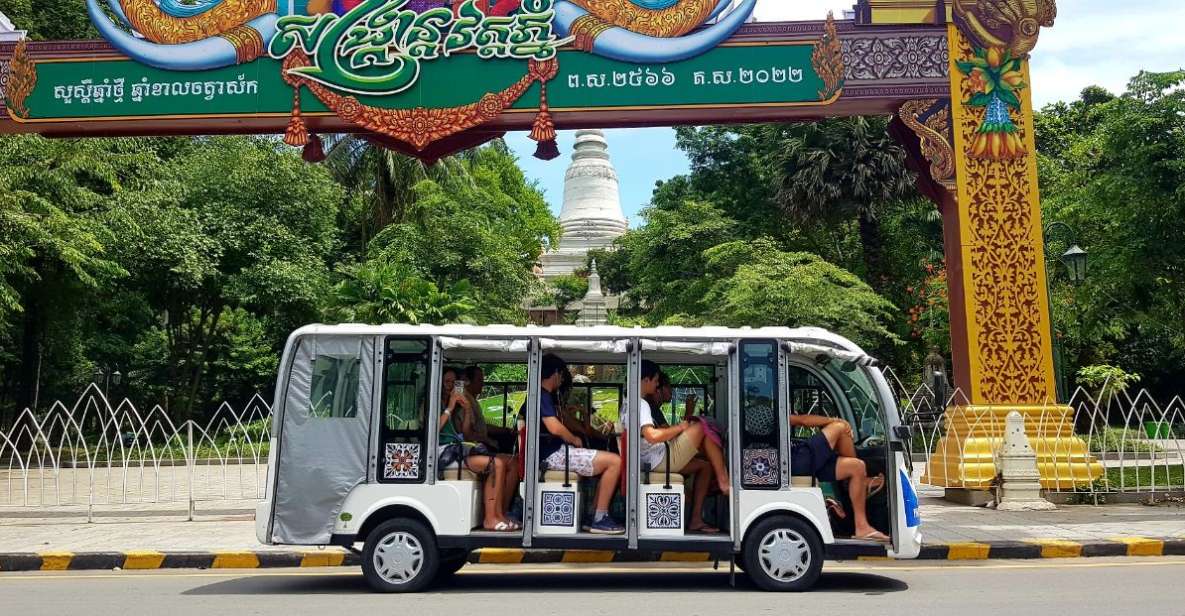
Phnom Penh’s history rolls past your window. I love how this electric bus tour pairs comfortable movement with audio-video guides on tablets and headsets, so you’re not just watching streets go by. You get a structured look at 22 major sites from the era when Cambodia was under French protectorate, with 19 stops that regularly pause the ride so you can actually see things up close. One catch: there’s no hotel pickup, so you’ll need to get yourself to the start point and be ready for some walking in Phnom Penh’s heat.
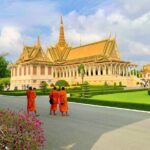
After the 2.5-hour loop, you finish on Street 240 near the Royal Palace and the riverside, which makes it easy to keep exploring on your own. The route also covers big swings in Phnom Penh’s story, from early French-style urban planning and Art Deco trends to royal life in the early 1900s—and the heavy mood of the Khmer Rouge years.
In This Review
- Key things I’d plan around
- Electric bus + tablet audio-video: how the tour plays out
- The big story arc: French protectorate, Art Deco, royalty, and Khmer Rouge
- 19 stops, 22 sites: what you’re actually seeing at each phase
- Walk-ins that make the tour feel real: Hokkien temple, National Library, Royal University
- Timing and heat: how to stay comfortable on a 2.5-hour loop
- Language options: the guides go beyond basic commentary
- Price and value: is $27 a smart deal?
- Where you end up: Street 240 for an easy next chapter
- Who should book this Phnom Penh Heritage Tour?
- Should you book? My take on this $27 heritage bus tour
- FAQ
- How long is the Phnom Penh Heritage Tour by electric bus?
- How much does the tour cost?
- What does the tour include?
- What languages are available for the audio-video guides?
- How many stops and sites are covered?
- Will I be able to enter any buildings?
- Where does the tour end?
- Is hotel pickup or drop-off included?
- Is food included?
- Is there a cancellation option or pay-later option?
Key things I’d plan around
- Tablet-led audio-video guides in 10 languages (including Khmer, Chinese, Japanese, Korean, Russian, and more)
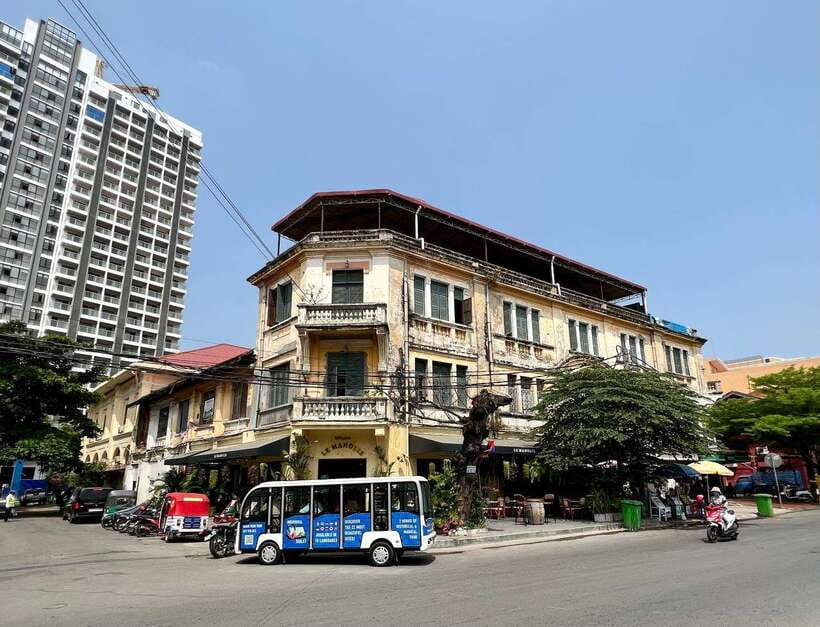
- 19 stops covering 22 inherited sites tied to the French protectorate period
- Three walk-in highlights: Hokkien temple, National Library, and the Royal University of Fine Arts
- Virtual access to some interiors that aren’t open to the public
- Electric bus comfort plus headsets and a bottle of water
- An easy landing near the Royal Palace and riverside for your next DIY stop
Electric bus + tablet audio-video: how the tour plays out

This is the kind of heritage tour that respects your attention span. Instead of one long lecture, you’re in a vehicle for efficient covering distance, then you stop often enough to keep your brain engaged. The electric bus helps the ride feel smoother than a typical city hop, and the whole system is built around a tablet and headsets.
Here’s the practical rhythm: you’ll use the pads to follow audio-video guides tied to each stop. The guides are available in 10 languages, and the setup includes films, vintage photos, and historical anecdotes for each place. You’re not stuck squinting at plaques. When a building’s interior is usually closed, the video portion can still show you what’s inside—so you get context without standing outside for hours.
The headsets matter more than you might think. Phnom Penh streets can be loud, and it’s hot—your instinct is to rush through. With audio at your ear, you can slow down on purpose and read details you might otherwise miss.
One more small but smart point: the tour includes a bottle of water, and there are multiple chances to step out. That keeps the “moving + learning” balance from turning into an all-day slog.
You can also read our reviews of more historical tours in Phnom Penh


The big story arc: French protectorate, Art Deco, royalty, and Khmer Rouge
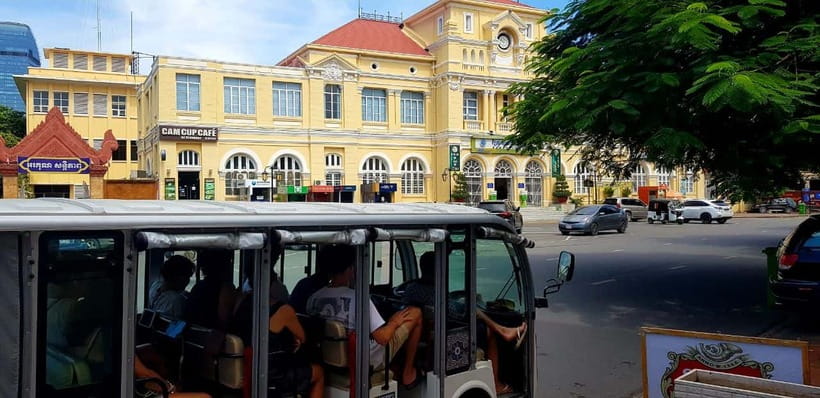
I like that the tour doesn’t treat Phnom Penh as one museum block. It gives you a timeline you can hold in your head while you walk past real buildings and streets.
The backbone is the era when Cambodia was placed under French protectorate. That’s where a lot of the visible architectural and urban-planning character comes from. The tour highlights:
- the transformation of a fishing village into a capital
- the first urbanization on a French model
- the social fabric and how the elite lived at the start of the 20th century
- a fascination with Art Deco architecture
- the organization of society around the royal family
- and then the stark contrast of the Khmer Rouge regime
What that means for you on the ground is simple: you start to notice patterns. French-influenced layout and building styles become easier to identify. You’ll also get a clearer sense of how the city’s identity formed—then shattered—then changed again.
If you’re visiting for the first time, this kind of structure is gold. You’re not just ticking off landmarks; you’re learning how the city’s layers connect. That makes your independent sightseeing after the tour feel less random.
19 stops, 22 sites: what you’re actually seeing at each phase
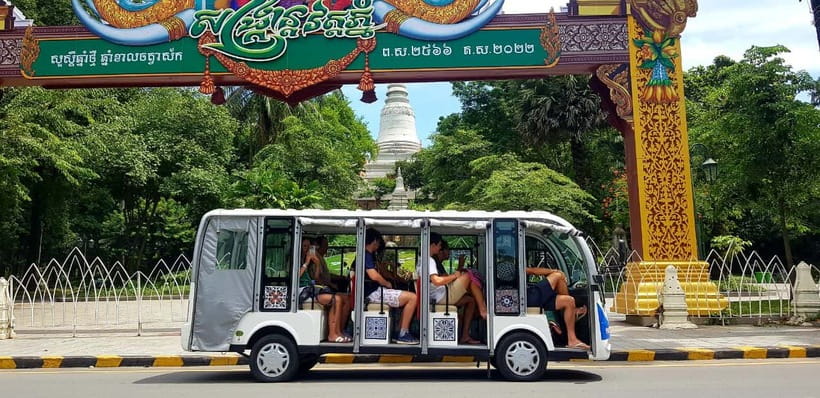
The tour uses 19 stops to introduce 22 major places. Not every stop is a quick photo moment. Some are walk-ins, others are “stand here and look at this with context,” and some include virtual viewing so you don’t miss key interiors.
Since the exact stop-by-stop list isn’t the point here, I’d think about the experience in phases:
Phase 1: How Phnom Penh became a capital
You’ll see the story of the city’s shift from fishing village roots toward an urban center. You’ll also get explanations that frame what you’re seeing as planned city growth, not random sprawl. This phase is where you learn how to read streets and building styles like clues.
Phase 2: French-style urbanization and everyday landmarks
This is where the tour starts making the city feel navigable. You learn what “French model” meant in real terms and how it shaped the built environment you still see today.
Phase 3: Art Deco and early-1900s elite life
If you’re a fan of architecture (or even if you just like noticing design details), this segment helps you place what you’re looking at. You get the why behind the look, including the early-20th-century vibe of the elite and how social life connected to the city’s key institutions.
Phase 4: Royal family presence and cultural institutions
This is also where the tour’s cultural depth shows. Instead of treating royalty like a distant fact, it helps you understand how the royal family influenced the city’s centers and the way power was organized.
Phase 5: The Khmer Rouge years
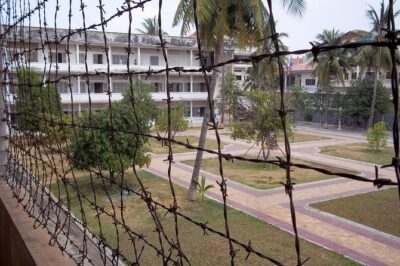
The tour doesn’t shy away from the dark turn. The “dark hours of the Khmer Rouge regime” theme gives weight to sites tied to that period. Even when you’re just viewing from outside, the historical framing changes how you experience the place.
Throughout all phases, the tablet videos and vintage imagery are what tie everything together. You’ll start to connect a modern street to an older photograph and a named historical role.
Walk-ins that make the tour feel real: Hokkien temple, National Library, Royal University
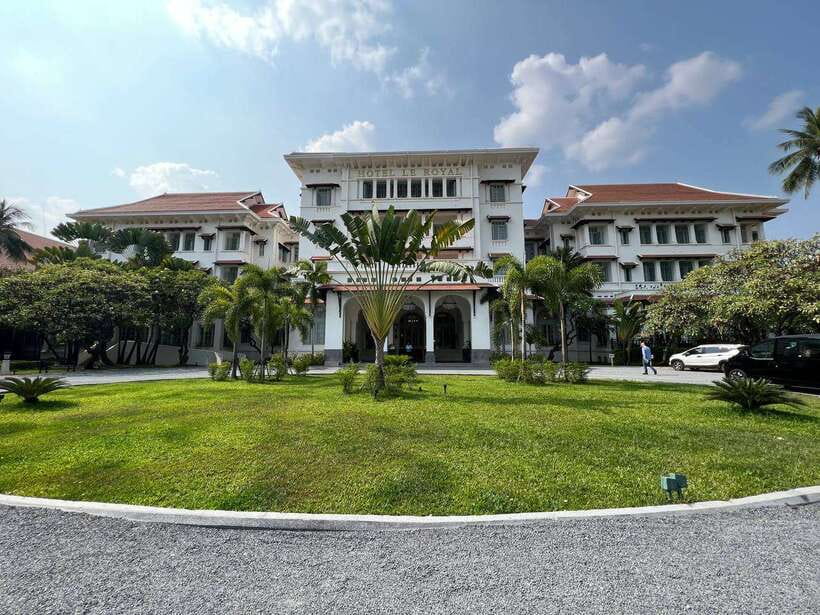
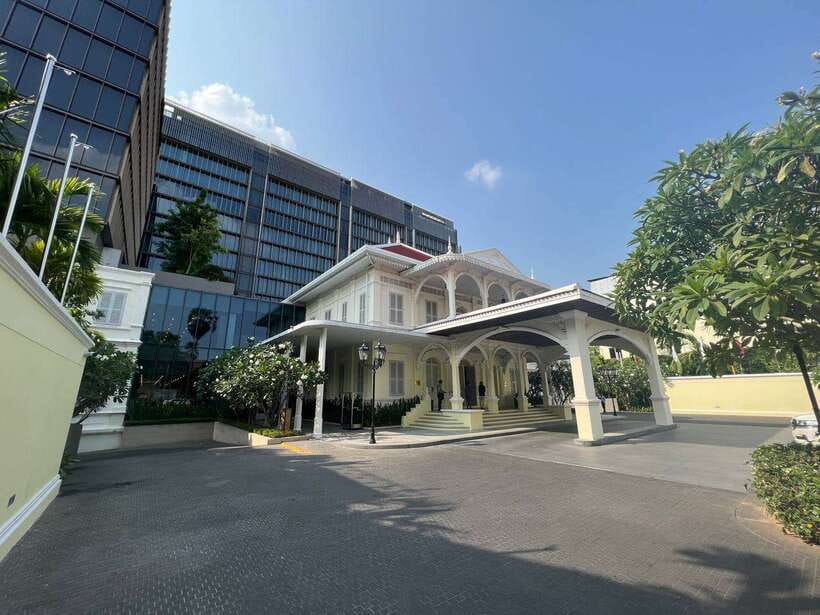
One of the best parts of this tour is that it’s not only “look but don’t touch.” You’ll get the chance to walk into three unusual places:
- an Hokkien temple
- the National Library
- the Royal University of Fine Arts
These three stops do different jobs, and that variety helps. A temple is about religious community and visible cultural continuity. The National Library is about knowledge and institutions. The Royal University of Fine Arts points to education and cultural production tied to the city’s older power structures.
Even if you don’t go deep into architecture, walking into real sites like these changes the entire feeling of the tour. Exterior views can only teach you so much; interiors and layouts add meaning.
And if you’re wondering what about other buildings that aren’t open to the public: that’s where the tablet’s video guides help. The tour includes virtual entry privileges for certain places that are inaccessible, so you’re not left with only explanations.
Timing and heat: how to stay comfortable on a 2.5-hour loop
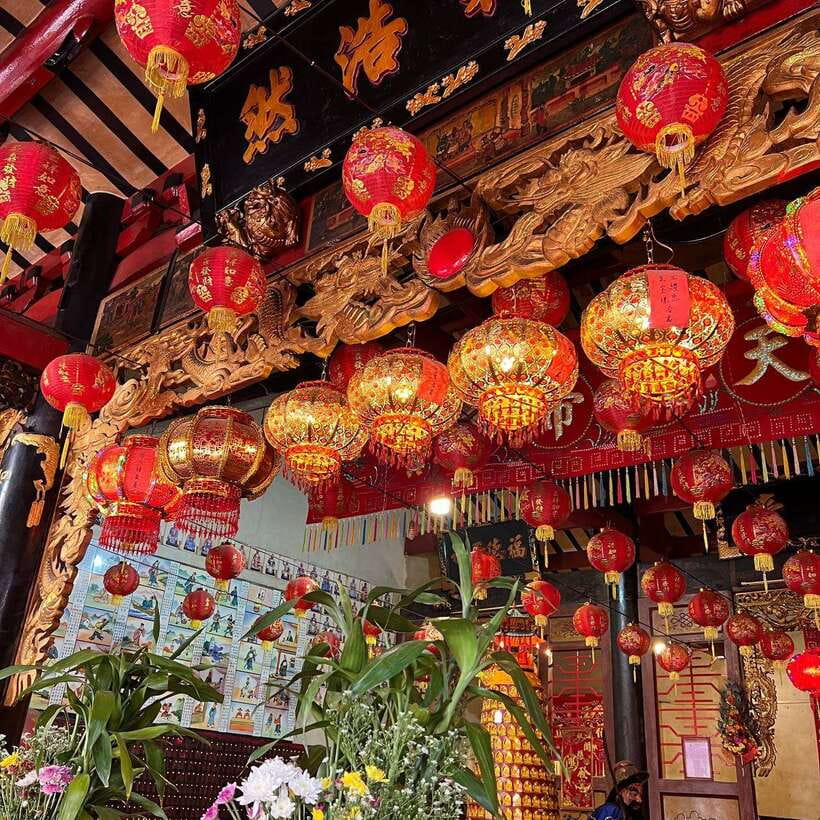
The tour lasts 2.5 hours, which is just enough time to build momentum without cooking your plans.
Because it’s in Phnom Penh, heat is the main enemy. The good news is that the format helps you manage it:
- you’re on an electric bus between stops
- you step out at multiple points
- you get water included
- and you’re not forced to listen the entire time without breaks
Here’s how you can make it smoother for yourself:
- Wear breathable clothes and closed-toe shoes you can walk in
- Bring sunglasses and a hat, because you’ll be outside between segments
- Keep your tablet charged if it’s your own device (the tour provides tablets, but it’s smart to have your phone ready too)
- Don’t rush through the walk-ins—those three interior visits are the moments that repay your energy
Also, plan your photos with the stop flow in mind. Some locations are better for quick exterior shots; others reward a slow look once the guide sets the context through the tablet video.




Language options: the guides go beyond basic commentary
If you want the best experience, choose your language carefully. The tour provides audio-video guides in 10 languages, and headsets keep the audio clear.
The available guide languages include:
- French, English
- Chinese
- German, Italian
- Korean, Japanese
- Spanish, Russian
- and Khmer
In my view, this is what turns a heritage tour from “interesting” into “useful.” History is full of proper names and dates. When you hear it in your own language, you can actually remember it—and that makes the city’s details snap into place later when you’re wandering on your own.
The guide is also available in English and French, which is helpful if you prefer live explanation for questions or clarification.
Price and value: is $27 a smart deal?
At $27 per person for a 2.5-hour heritage tour, the value comes from what’s included rather than the sticker price.
You’re getting:
- an electric bus ride
- tablets (pads) to run the audio-video content
- headsets
- bottled water
- and the multi-language, stop-by-stop guide content (24 audio-video guides referenced for the experience)
You’re not just paying for a vehicle. You’re paying for interpretation. The tablet system, especially the films and vintage photos, is what helps you connect what you’re seeing to why it matters.
What isn’t included matters too:
- no hotel pickup or drop-off
- no food or drinks
- no private tuk-tuk transport
So this tour fits best when you’re already planning to be in central Phnom Penh and you don’t need a driver to pick you up. If you’re staying close enough to reach the meeting area on your own, it’s a strong way to spend a half-day without overspending.
Where you end up: Street 240 for an easy next chapter
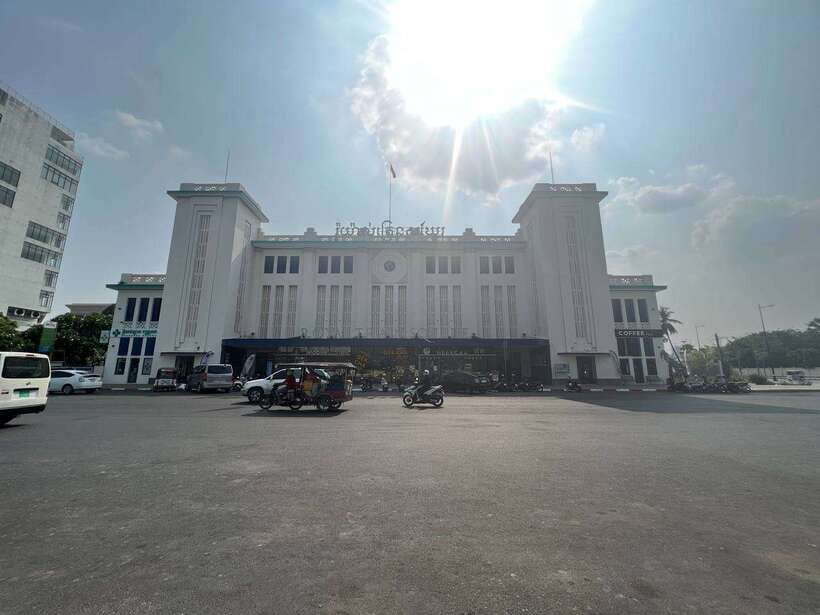
The tour finishes on Street 240, close to the Royal Palace and the riverside. That’s a practical finish point because it keeps your options open.
After learning about royal life and the city’s historical institutions, you can switch gears and explore the palace area and waterways with a clearer sense of context. Even if you only do a short wander, the payoff is that your independent time feels less like wandering in the dark.
If you’re trying to build a simple day plan, this ending location helps you avoid backtracking.
Who should book this Phnom Penh Heritage Tour?
Book it if:
- you want a structured introduction to Phnom Penh in a short amount of time
- you care about French-era urbanization, Art Deco architecture, and how those styles shaped the city
- you like tours that use tablets and videos to explain buildings you can’t fully access
- you’re the type who enjoys learning, then immediately using it while walking around
Consider skipping it or pairing differently if:
- you hate guided structure and prefer free-form wandering only
- you’re staying far from the meeting area and don’t want to solve transport logistics
- you want a full-day deep dive with lots of time in museums (this is 2.5 hours, not a long museum day)
Should you book? My take on this $27 heritage bus tour
I’d say yes, if your main goal is to get your bearings fast and understand why Phnom Penh looks the way it does. For $27, the combo of electric bus + tablet audio-video guides + headsets is a smart use of time, especially if you’re visiting for the first time and want more than a basic walking list.
You’ll likely enjoy it most if you like stepping out at stops, watching the videos on the pad, and then noticing details with new eyes. And because you end near the Royal Palace and the riverside, you finish with momentum instead of fatigue.
If you’re comfortable arranging your own start point and you’re ready for Phnom Penh heat, this is the kind of tour that pays you back immediately in understanding—and later in your independent sightseeing.
FAQ
How long is the Phnom Penh Heritage Tour by electric bus?
The tour runs for 2.5 hours.
How much does the tour cost?
The price is $27 per person.
What does the tour include?
It includes tablets (pads), headsets, a bottle of water, and audio guide access in multiple languages.
What languages are available for the audio-video guides?
The tour provides audio guide languages including French, English, Chinese, German, Italian, Korean, Japanese, Spanish, Khmer, and Russian.
How many stops and sites are covered?
There are 19 stops and 22 major places included.
Will I be able to enter any buildings?
Yes. You can walk into three unusual places: an Hokkien temple, the National Library, and the Royal University of Fine Arts. Some other sites use video access for interiors that aren’t open to the public.
Where does the tour end?
The tour ends on Street 240, close to the Royal Palace and the riverside.
Is hotel pickup or drop-off included?
No, hotel pickup and drop-off service is not included.
Is food included?
No, food and drinks are not included.
Is there a cancellation option or pay-later option?
Yes. You can cancel up to 24 hours in advance for a full refund, and there’s also a reserve now & pay later option.