REVIEW · PHNOM PENH
Phnom Penh private tour Tuol Sleng & Choeng Ek Killing Field
Book on GetYourGuide →Operated by Euro Khmer Voyages · Bookable on GetYourGuide
Two stops, one hard truth. This private half-day stitches together Choeung Ek and Tuol Sleng (S21) with an English guide who gives you the history first, so the sights land with context instead of shock. I love the smooth hotel pickup and the way the guiding stays sensitive and invites questions, including firsthand accounts from guides who lived through the Khmer Rouge era. The main drawback: entrance fees for both sites are extra, and the material is emotionally intense.
I also like the pacing. You get a calm car ride south to Choeung Ek, then you move into Tuol Sleng back in the city, with a simple return to your hotel in the early evening. Afterward, you’ll be offered fresh cool coconut juice, plus drinking water and a cool towel, which is a small kindness after a heavy morning.
One more consideration: 4 hours can feel tight once you’re inside the museums. If you prefer to read slowly and take your time at every display, you may want a longer option, or at least plan to mentally stretch out the visit even if the schedule can’t.
In This Review
- Key highlights you’ll feel immediately
- Why Choeung Ek and Tuol Sleng belong together
- Getting picked up in Phnom Penh: comfort and timing that matter
- Choeung Ek Killing Fields: walking above a mass tragedy
- Tuol Sleng (S21) prison museum: a high school turned high security prison
- English-speaking private guiding: why it makes the difference
- Cost and value: is $59 a fair deal?
- What the 4-hour flow feels like on the ground
- Practical tips before you go (so it’s easier to handle)
- Who this tour suits best
- Should you book Euro Khmer Voyages’ private Tuol Sleng & Choeung Ek tour?
- FAQ
- How long is the private tour?
- Where does pickup happen?
- Which sites are visited, and in what order?
- Is the tour private and does it include an English guide?
- Are entrance fees included for the museums and killing fields?
- What’s included during the tour?
- Can I cancel for a full refund?
Key highlights you’ll feel immediately
- Private, English-speaking guiding that sets context before you walk the memorial spaces
- Choeung Ek’s walking route above mass graves tied to the Pol Pot era
- Tuol Sleng (S21) as a former school turned prison focused on detention and torture for information
- Air-conditioned vehicle with hotel pickup and drop-off in Phnom Penh
- Small post-tour comfort: fresh coconut juice, water, and a cool towel
Why Choeung Ek and Tuol Sleng belong together
If you’re trying to understand the Khmer Rouge years, this combo works because it shows two sides of the same machine. Choeung Ek is where victims were taken and killed, then buried. Tuol Sleng (S21) is the detention system that fed into that violence, where people were imprisoned and tortured in hopes of extracting information.
I like how the order reinforces the story. You start with the killing fields, where you can feel the scale of what happened. Then you move to Tuol Sleng and see how the regime processed people first—using fear, confinement, and interrogation to break them. It’s not a pleasant pairing. It is a clear one.
And because this is private, you’re not stuck with a loud group rushing ahead. You can ask questions, pause when you need to, and let the guide shape what you’re seeing into something you can actually process.
You can also read our reviews of more private tours in Phnom Penh

Getting picked up in Phnom Penh: comfort and timing that matter
This tour is built around convenience in a city where traffic can be unpredictable. Your guide and driver collect you from your Phnom Penh hotel, then you head out by air-conditioned car or minivan. The total time is about 4 hours, with around 30 minutes of driving in each direction.
A small detail that helps: the schedule includes a reminder to be ready about 5 minutes before departure. That matters because the tour runs as a smooth private service—no waiting around for late arrivals—so you’ll start on time and finish in the early evening.
Also, the vehicle isn’t just for transport. Guides often use the drive to set up what you’ll see next, so you arrive with context rather than walking into a museum cold. In the experience style you’ll get here, the car ride becomes part of the learning, not dead time.
Choeung Ek Killing Fields: walking above a mass tragedy
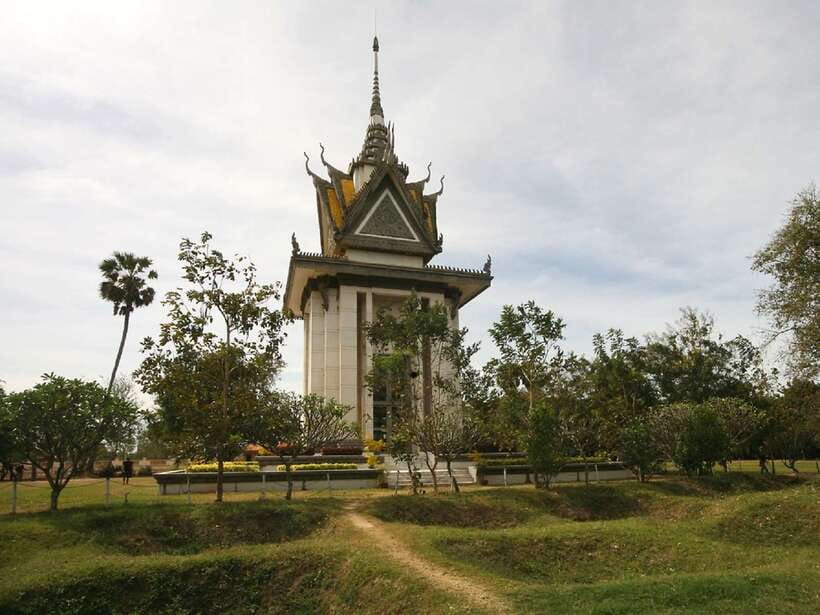
Choeung Ek is about 15 km south of Phnom Penh. It’s known for a brutal history that spans the Khmer Rouge years under Pol Pot. Before the killings, the area was once an orchard and a Chinese cemetery. Over time, the regime turned it into killing fields.
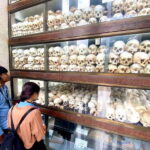
What hits hardest is not just the words, but the physical sense of scale. You walk above the ground tied to the deaths of around 2.5 million people who were massacred and buried there over roughly four years. That walk is the point of the place: you’re not just looking at information panels. You’re moving through the memorial landscape.
Your guide should frame the site carefully. This tour is set up so you receive the history in a way that aims to be respectful. If your guide has firsthand family history or survivor context—which some guides in this program do—that personal framing can make the experience feel less abstract and more human.
The “drawback” side is obvious but worth stating plainly: the killing fields are emotionally draining. Even if the space is calm now, the theme is still the same. You’ll want to pace yourself and use questions to steer your understanding toward clarity, not confusion.
Tuol Sleng (S21) prison museum: a high school turned high security prison
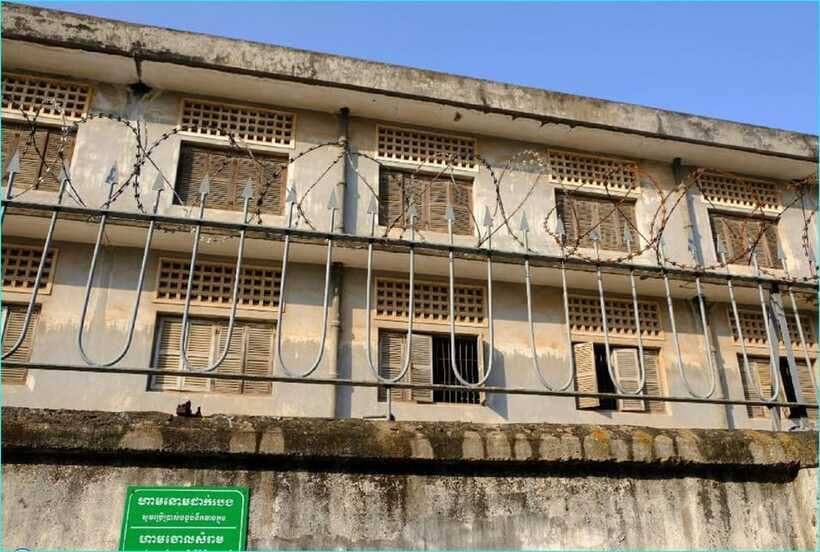
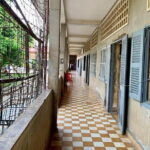
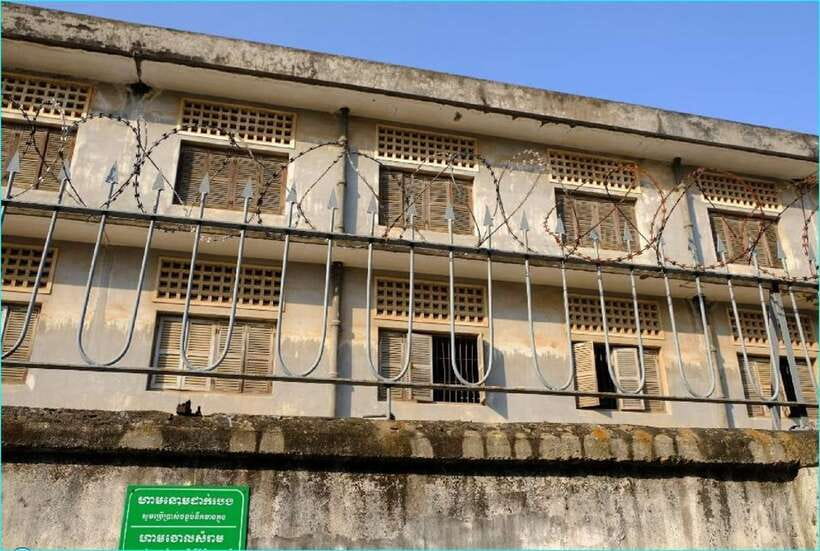
After Choeung Ek, you return to Phnom Penh for Tuol Sleng Genocide Museum, also known as S21. The name Tuol Sleng translates roughly to hill of the poisonous trees, and the site carries a shocking transformation. Pol Pot took a once popular high school and turned it into a high security prison.
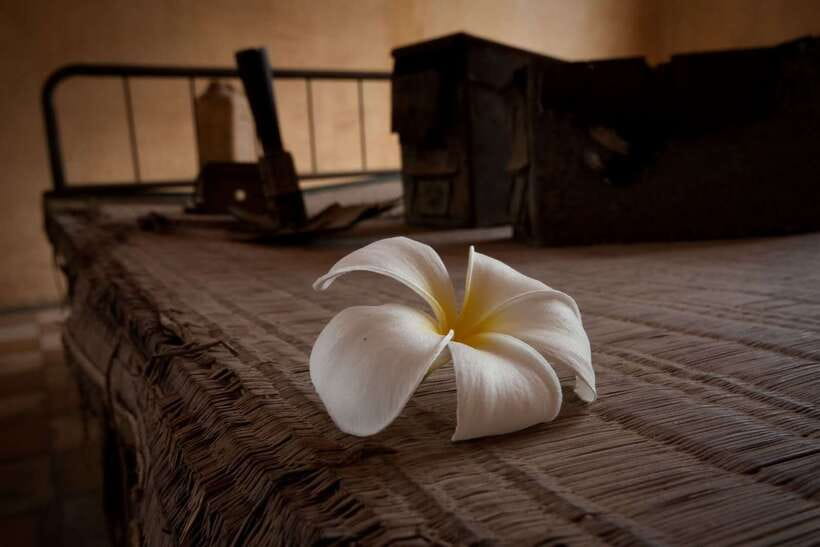
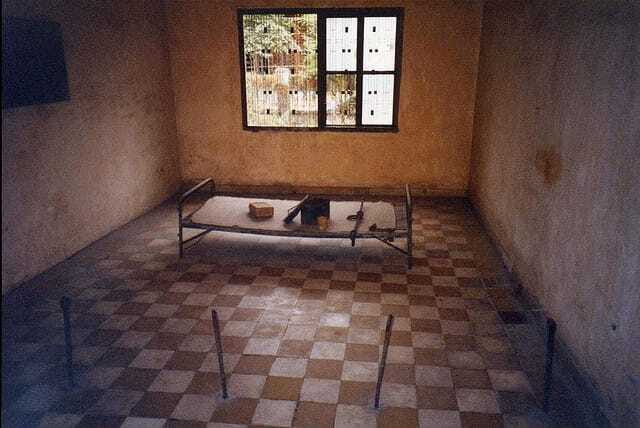
This is where the story shifts from the aftermath to the system. About 20,000 people were imprisoned at Tuol Sleng, and many were tortured to get information. Today, the prison buildings operate as a museum and a reminder of darker days.
In a good guided visit, Tuol Sleng doesn’t become a checklist of rooms. It becomes an understanding of how confinement worked: how fear was used, how people were processed, and how the regime’s logic turned normal spaces into cages. The time set aside—about 1.5 hours—means you should expect a focused route through the core areas, not a slow, hour-by-hour study of every corner.
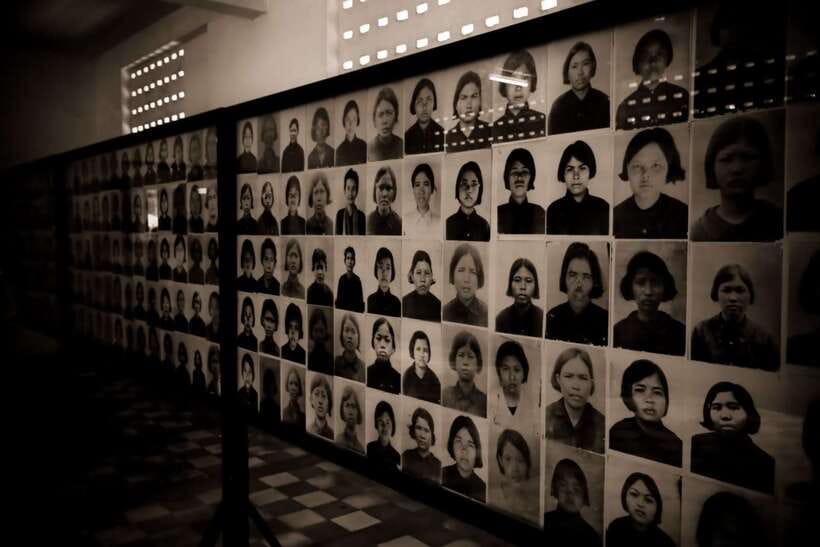
Here’s a practical note: you might see disturbing material and photos, and that can hit hard even if you’ve read about the Khmer Rouge before. If you’re the type who needs a breather, build that into your mindset. The guide can help you slow down emotionally, not just physically.
English-speaking private guiding: why it makes the difference
In my view, the biggest value of this tour isn’t the two destinations alone. It’s what a strong guide adds to them: context, clarity, and pacing that respects a difficult topic.
You’ll have an English-speaking tour guide, and the format is private. That matters because you can ask questions when something is unclear—about timing, about terms, about why events unfolded the way they did—without worrying about the group moving on. In this tour style, questions are encouraged, which is especially helpful when your brain needs hooks to connect what you’re seeing.
Several guides associated with this experience have shared personal links to the era. For example, guides named Channak and Sam Ang are described as sharing personal experiences or survivor perspectives during the tour. That doesn’t replace the historical facts, but it can change how those facts feel. Instead of reading a tragedy as a chapter in a textbook, you’re hearing it tied to lived memory.
So if you’re coming to Phnom Penh specifically for history, this is the version that helps it land in your head and your heart at the same time—without turning it into a performance.

Cost and value: is $59 a fair deal?
At $59 per person for a 4-hour private tour, the pricing is in a reasonable range for Phnom Penh private guiding, especially because you’re not just buying transport. You’re getting a full service package: hotel pickup and drop-off, a driver, an English-speaking guide, and an air-conditioned vehicle.
Here’s what you should remember: entrance fees for S21 and the Killing Fields are not included. Budget about $3–$5 for each site (so plan on extra cost once you arrive). Those small add-ons can change the total, so I’d treat the $59 as the “service” cost and keep a little buffer for admissions.
Included extras are also genuinely useful on a hot day and after walking. You’ll receive drinking water, a cool towel, and fresh cool coconut juice after the tour. That’s not a luxury flourish here—it’s practical comfort when you’ll be standing, walking, and absorbing emotionally heavy information.
Is it worth it? For me, yes—if you want a guided experience you can ask questions through, plus hotel convenience. If you’re a solo traveler comfortable navigating alone and reading everything yourself, you might save money with a self-guided approach. But if you want the story explained in a careful, human way, this format tends to justify the cost.
What the 4-hour flow feels like on the ground
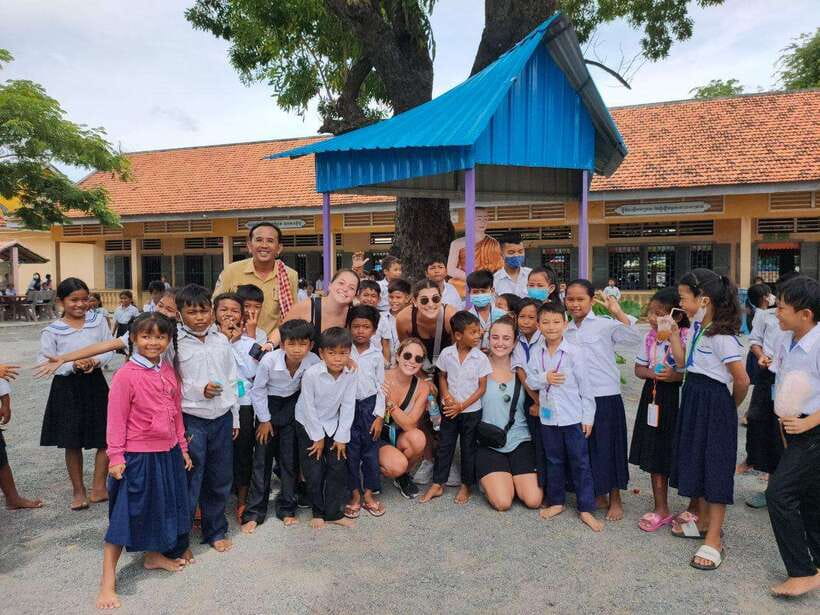
This tour is tight by design, so it’s helpful to visualize the rhythm before you go.
You’ll start with hotel pickup in Phnom Penh City, then get about 30 minutes of driving toward Choeung Ek. The sightseeing time is around 1.5 hours at the killing fields, then you return to the city for about 1.5 hours at Tuol Sleng. After that, another 30 minutes of driving gets you back to your hotel in the early evening.
The best part of this flow is that you’re not constantly changing locations or planning anything. Private pickup means you don’t deal with transport timing hassles. Also, because you visit both sites in one half-day, you can keep the story coherent. You won’t forget the context by the time you reach the second location.
The main risk is emotional fatigue and speed. Some people may find Tuol Sleng moves too quickly if they want to study every museum detail without skipping sections. If that’s your style, you can still do this tour, but go in knowing it’s a “guided highlights” experience rather than a slow museum day.
Practical tips before you go (so it’s easier to handle)

This tour is not light. Even if you’re mentally prepared, you’ll still feel the weight of what happened.
A few practical points that help:
- Wear comfortable shoes. You’ll walk the grounds at Choeung Ek, and you’ll want stable footing.
- Expect disturbing images and stories. Even with careful guiding, the museum content can be graphic and upsetting.
- Keep space for questions. If you need clarity, ask it. Good questions turn stress into understanding.
- Plan your day around it. Because the tour is heavy, don’t stack it with demanding activities right after. Let the rest of the day be quiet.
One more small detail: you may encounter survivors at or around the museum areas selling books. If you do, treat it as part of the living human presence around remembrance, not as a distraction.
And thanks to the included water, cool towel, and coconut juice, you won’t need to hunt for basic comfort. You can focus on the visit itself.
Who this tour suits best
This is a strong fit if you:
- Want a private, English-guided history experience rather than navigating alone
- Like learning with context, not just seeing sites
- Prefer a format where you can ask questions as you go
- Are visiting Phnom Penh for a half-day and want the most important Khmer Rouge sites in one plan
It’s also a good choice if you appreciate guides with personal or survivor-linked perspectives. That kind of explanation can make the story feel more precise and more human, especially when you’re trying to understand how such a tragedy could happen so recently.
If you’re someone who gets overwhelmed easily by graphic content, you might still visit, but I’d go in with a plan: sit down when you need to, ask for clarification, and give yourself permission to step back emotionally.
Should you book Euro Khmer Voyages’ private Tuol Sleng & Choeung Ek tour?
I’d book it if you want the best balance of structure and human guidance. The combo of Choeung Ek and Tuol Sleng is powerful, and the private setup makes it easier to handle the topic without feeling rushed or lost.
It may not be your top pick if:
- You dislike paying separate entrance fees for sites
- You need a long, slow museum experience rather than a guided route within a 4-hour window
- You’re not ready for emotionally heavy material
If you do book, I’d treat it like a respectful visit with a purpose. Show up a few minutes early, wear comfortable shoes, and let the guide do what they’re set up to do: connect the dates and places into a story you can understand, not just a tragedy you have to endure.
FAQ
How long is the private tour?
The duration is about 4 hours.
Where does pickup happen?
Pickup is included from your hotel in Phnom Penh City.
Which sites are visited, and in what order?
You visit Choeung Ek Killing Fields first, then Tuol Sleng Genocide Museum (S21).
Is the tour private and does it include an English guide?
Yes. It’s a private tour with an English-speaking tour guide and driver.
Are entrance fees included for the museums and killing fields?
No. Entrance fees for S21 and the Killing Fields are not included (around $3–$5 each).
What’s included during the tour?
Included items are a private air-conditioned vehicle (car or minivan), fully vaccinated English-speaking tour guide and driver, hotel pickup/drop-off, fresh coconut juice, cool towel, and drinking water.
Can I cancel for a full refund?
Yes. Free cancellation is available up to 24 hours in advance for a full refund.