REVIEW · PHNOM PENH
Phnom Penh: Street Art & Food Tour by Tuk-Tuk
Book on GetYourGuide →Operated by Siem Reaper Travel · Bookable on GetYourGuide
Street art and Khmer food, in one tuk-tuk loop. I love the combo of market breakfasts and street-art stories that connect what you taste with what you see. The one thing to keep in mind is that Phnom Penh street art is still spread out, so it’s not a wall-to-wall mural crawl.
This is the kind of tour that helps you understand a neighborhood, not just zip through it. You’ll ride with an English-speaking guide (often people like Kim, Mon, or Sok) and a tuk-tuk driver, then eat your way through local spots that most visitors would walk past twice.
In This Review
- Key highlights that make this tour worth your time
- Why this Phnom Penh mix of street art and food works
- Getting around: tuk-tuk pickup and the 4-hour flow
- Boeng Keng Kang Market: breakfast, coffee, and how people really shop
- Sangkat Boeung Kak 1 street art: what to look for on the walls
- Wat Botum Park lunch: banh chaev and the coffee finale
- What’s included (and where the real value comes from)
- Guides really shape the experience (Kim, Mon, Sok, and how they teach)
- Who this tour is best for (and who should skip it)
- Tips I’d use before you go
- Should you book this Phnom Penh street art and food tour?
- FAQ
- How long is the Phnom Penh Street Art & Food Tour by Tuk-Tuk?
- What does the $35 per person price include?
- Where do you visit for breakfast and coffee?
- Where do you go for street art?
- Is the tour available in bad weather?
- Is the tour suitable for pregnant women?
Key highlights that make this tour worth your time
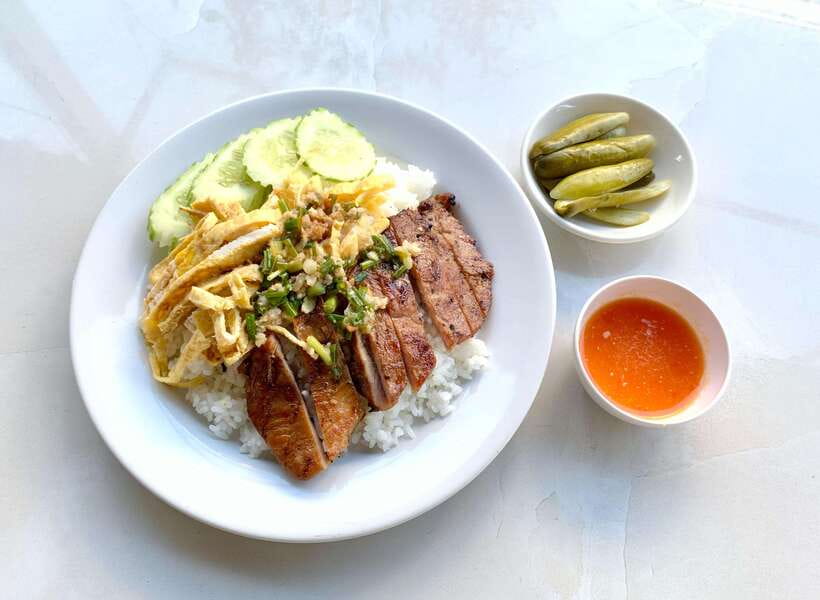
- Two included breakfasts with Khmer staples and strong coffee
- Local market navigation with tasting and a look at herbs, fruit, and produce
- Boeung Kak street art with context, including Khmer symbolism and history
- Banh chaev lunch stop, where the crepes get made (rice milk + turmeric)
- Coffee and extra sips at quieter back-alley style stops, plus market desserts
- Lots of guide talk time, so you can ask questions and get real answers
Why this Phnom Penh mix of street art and food works
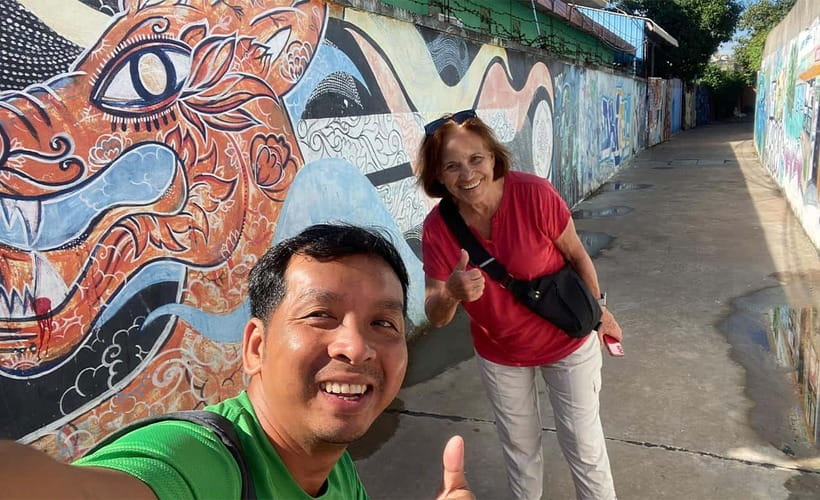
Phnom Penh can feel like a city of contrasts: quiet lanes beside loud markets, and old stories beside new artwork. This tour leans into that mix. You’re not chasing art for art’s sake. You’re seeing how Khmer symbolism and local history show up in murals, and then you’re tasting the everyday flavors that Khmer people build their days around.
I also like the pacing. Most food tours either turn into a nonstop snack parade or a strict schedule where you don’t linger. Here, you get a full breakfast start, a proper market walk, a street-art photo and story section, then an actual sit-down meal. That structure matters because you’ll taste plenty, and you want your body to keep up.
Finally, the tuk-tuk setup is practical. Phnom Penh streets can be busy, and distances can surprise you. The tuk-tuk keeps the day moving without turning it into a long-distance slog.
You can also read our reviews of more food & drink experiences in Phnom Penh

Getting around: tuk-tuk pickup and the 4-hour flow
Your tour begins with hotel pickup in a tuk-tuk, and you’ll spend about 4 hours on the move and eating. Plan to be ready in the hotel lobby about 15 minutes before your pickup time. That buffer helps you avoid the common travel problem of arriving just late enough to slow down the group.
Once you’re rolling, the day is built around three rhythms:
1) breakfast + coffee,
2) market browsing + tastings,
3) street art walk + photo stops,
4) lunch + the coffee finale.
If you want to keep energy high, this flow is smart. You’re fed early, you snack and taste along the way, and then you get your fuller meal before you wrap up and head back.
Tip: wear shoes you don’t mind getting dusty or damp. This is a rain or shine tour, and you’ll do a real walking section for the street art.
Boeng Keng Kang Market: breakfast, coffee, and how people really shop
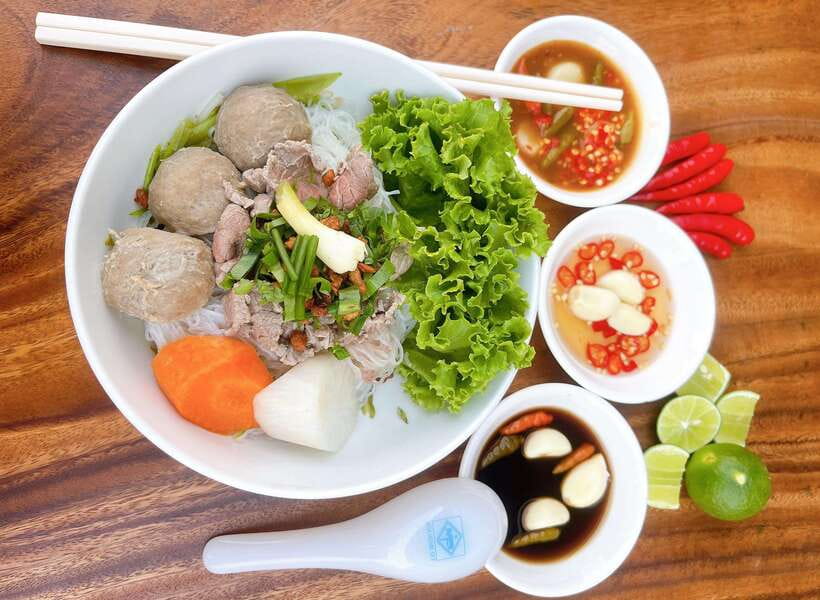
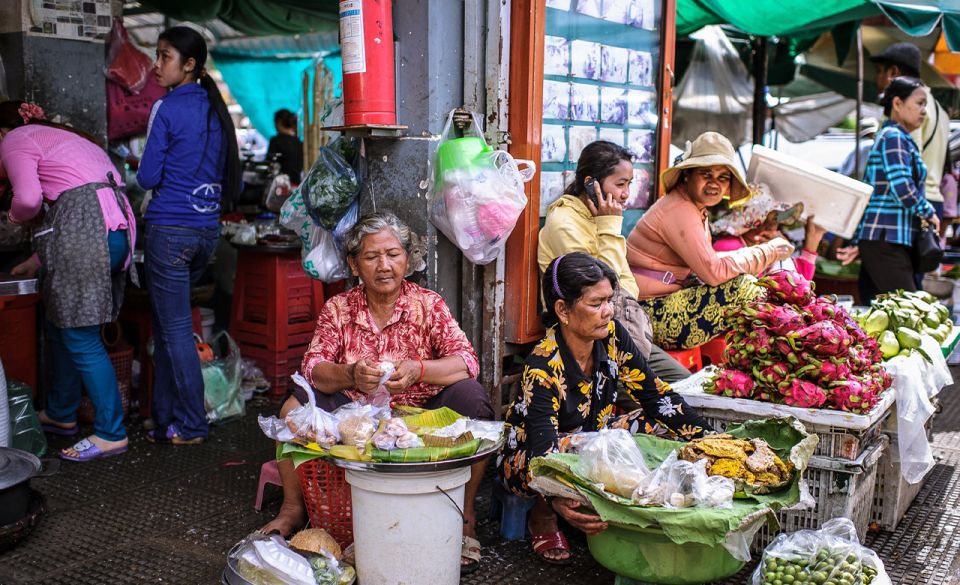
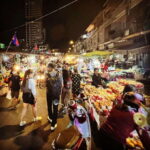
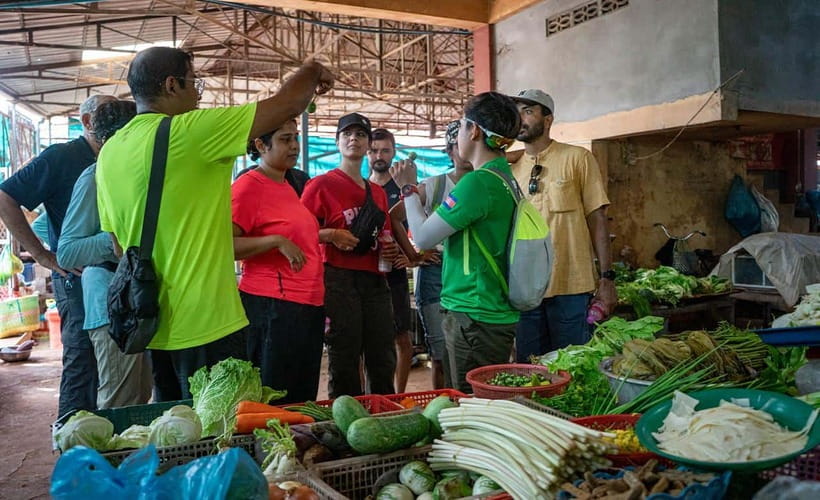
The first stop is Boeng Keng Kang Market. This is where you get the tour’s “this feels local” start. Expect time to eat and drink, then time to walk the aisles with your guide pointing out what matters.
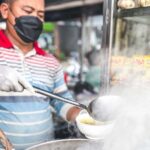
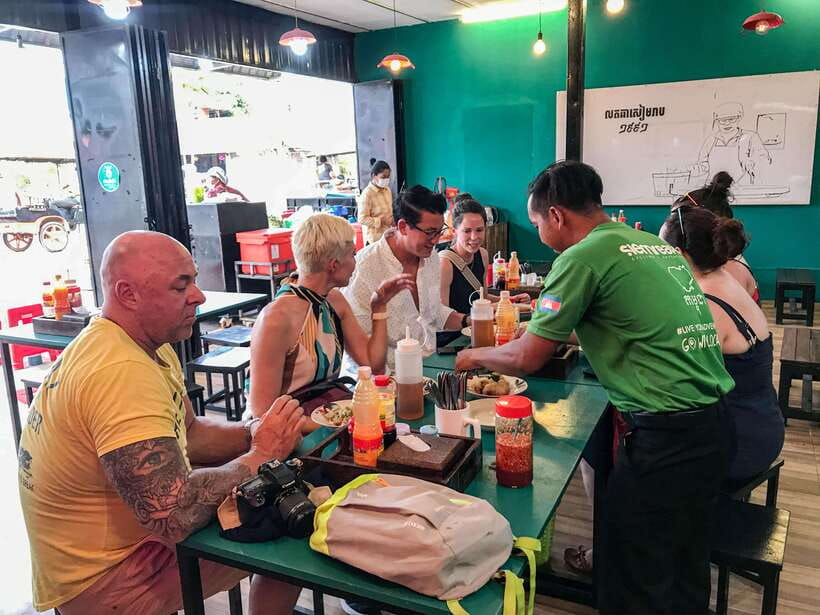
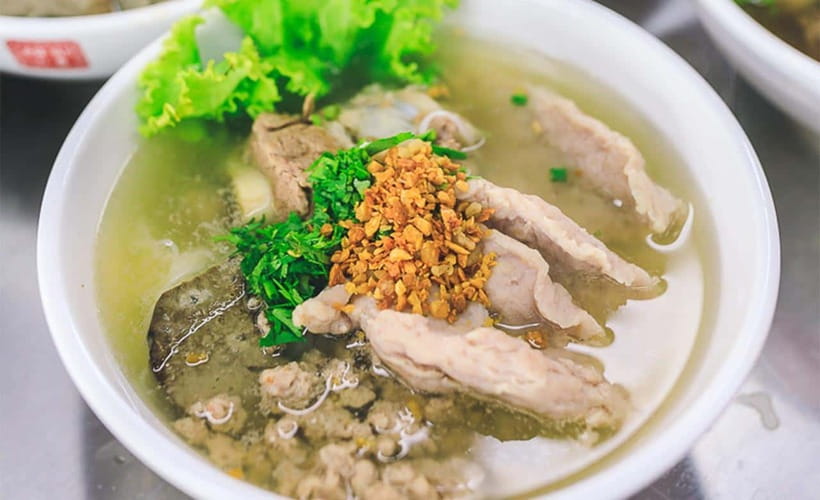
You might start with Khmer breakfast choices like noodle soup or pork rice, plus a cup of local coffee. What I like about starting here is that you’re not waiting until lunchtime to get the real flavors. You’re tasting Khmer morning food while the market is still in its daily rhythm.
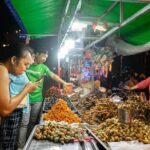
Then comes the part that makes the market walk more than just sightseeing: your guide helps you understand ingredients you’d otherwise ignore. You’ll see herbs, fruit, vegetables, and common staples up close, and you’ll hear how vendors and shoppers talk through choices and prices.
Even better, you’ll get tasting and dessert sampling as part of the market experience. That’s the difference between “I looked at food” and “I understand what I’m eating.”
Practical note: come hungry. One recurring theme from the experience is that you end up eating a lot. If you arrive with a full stomach, you might feel snack-fatigued before the street-art part even begins.
Sangkat Boeung Kak 1 street art: what to look for on the walls
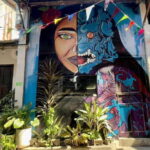
After breakfast, you head into Sangkat Boeung Kak 1 for the street art segment. Here’s what’s worth knowing before you go: Phnom Penh street art is developing, and you won’t see an endless maze of murals like you might in cities built around street-art tourism.
So instead of expecting walls everywhere, expect fewer but meaningful pieces. The goal is to learn what you’re seeing and why it matters.
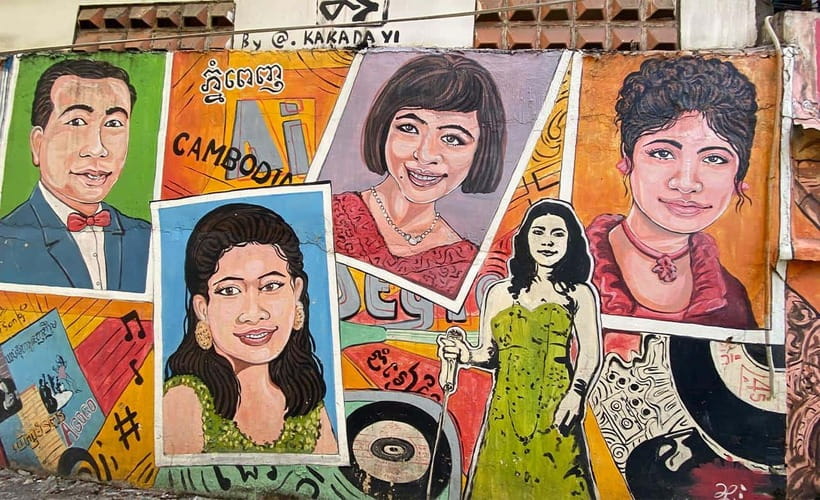
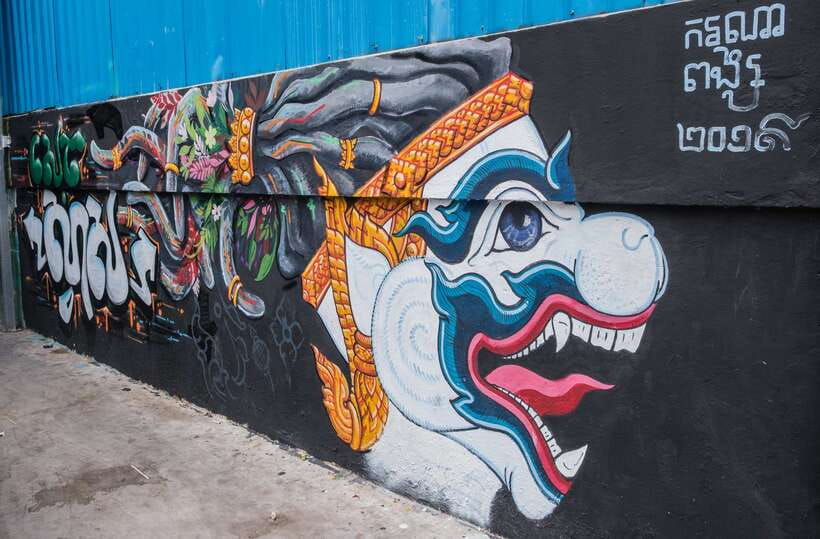
Your guide explains how the artwork pulls from Khmer symbolism and history. They also connect the art to how local people see themselves and their city now. Guides such as Kim and Mon are especially praised for turning the street-art visuals into stories you can actually remember, not just facts you forget five minutes later.
What you can do to make the photo stops better:
- slow down at each piece and read the details your guide points out,
- take a wide shot first (to capture the wall in context),
- then step closer for textures and smaller symbols.
One fun thing to watch for: some routes include recognizable references, like a cat mural attributed to London artist Himbad. Even if you don’t spot that specific piece, you’ll likely find your own favorite “this feels Cambodian” character in the artwork.
Wat Botum Park lunch: banh chaev and the coffee finale
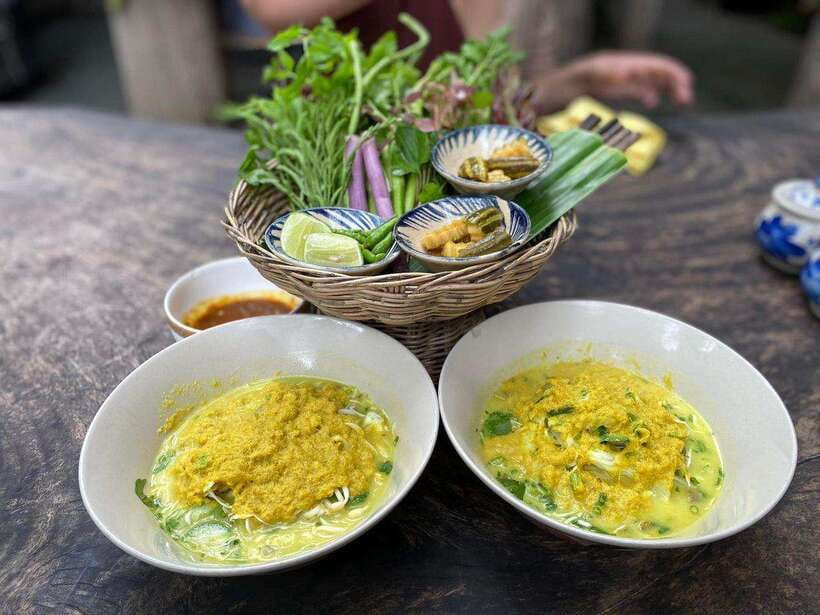
The tour’s next main stop is around Wat Botum Park for the lunch portion. This is where you swap walk-and-snack for a proper sit-down meal.
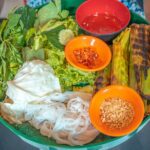
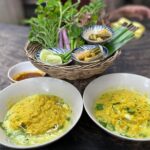
A key feature is banh chaev—the Khmer crepe-style dish—made at the local restaurant. The crepes use a blend that includes rice milk and turmeric, giving it a color and flavor profile that’s different from the Western idea of a crepe. This is the kind of meal that tastes like it belongs to the day, not like a restaurant performance.
Then the tour ends with coffee. Your final taste experience is Phnom Penh’s signature coffee blend, served after the food portion, so you finish with something that feels both local and calming.
If you love coffee, this is a smart ending. Some guides also include extra sips like freshly squeezed orange juice during the tour experience, which pairs nicely with all the savory food you’ve already tasted.
You can also read our reviews of more tours and experiences in Phnom Penh
What’s included (and where the real value comes from)
For $35 per person and a 4-hour day, the value comes from stacking several costs you’d normally pay separately:
- hotel pickup and drop-off
- tuk-tuk transportation
- an English-speaking guide
- 2 breakfast items (market breakfast time plus another breakfast/brunch stop)
- coffee & soft drink
- market dessert tastings
- bottle of water
This is not a “buy a ticket, get one snack, and call it a tour” deal. You’re eating at multiple points, and you’re also getting guided context for the street art. That combo is what makes it feel worth it even if you’re only in Phnom Penh for a short stretch.
Not included is basically what you’d expect: personal expenses.
Guides really shape the experience (Kim, Mon, Sok, and how they teach)
The most praised part isn’t just the places. It’s how the guides explain them.
Many experiences highlight Kim as a standout—people point to the way he ties street art back to Cambodian history and how he stays flexible with what you want to try. Others mention guides like Mon and Sok for a similar reason: clear English, lots of stories, and an easygoing style that makes questions feel welcome.
What that looks like on the ground:
- You learn the meaning behind street art symbols instead of guessing.
- You get help ordering or choosing food without feeling pressured.
- You can talk about Cambodia beyond food and graffiti—history, everyday life, and local perspectives.
One small bonus that shows up for some people: a pepper tasting where you compare different peppers and learn how flavors change in cooking. That kind of stop isn’t always listed in the same way for every itinerary, but it’s the kind of “extra learning” add-on that feels very Khmer—practical, sensory, and fun.
Who this tour is best for (and who should skip it)
This is best for you if:
- you like food enough to want full tastings, not just a single sample,
- you care about context for street art (symbols, local meaning, and story),
- you want to see neighborhoods you wouldn’t pick on your own.
It’s also a strong choice for solo travelers who want direction in markets. Guides often help you navigate what to look for and how to handle choices at stalls without feeling lost.
Who should skip it:
- Pregnant women. The tour is noted as not suitable for pregnancy, and you’ll be on foot through market and street-art areas.
If you have dietary limits, it’s still worth asking. One experience describes a guide accommodating a preference around red meat, and that suggests you should tell the guide what to avoid so they can guide you toward options.
Tips I’d use before you go
- Don’t eat a huge meal right before. You’ll have breakfast, dessert tastings, then lunch, plus coffee, and it adds up fast.
- Bring water. Bottled water is included, but keeping a small habit helps in Phnom Penh’s heat and humidity.
- Take your time with street art. The best photos come from slowing down and letting your guide point out what you’d otherwise miss.
- Plan for rain. The tour runs rain or shine, so bring a light rain layer or umbrella.
- Ask questions early. If you want deeper context about Boeung Kak street art, ask at the start of the street-art section so you get it while you’re still looking at the visuals.
Should you book this Phnom Penh street art and food tour?
I’d book it if you want one day to do two things well: eat Khmer food in real market settings and understand why Phnom Penh street art is growing in the way it is. The $35 price feels fair because pickup, tuk-tuk rides, multiple tastings, and two breakfast moments are part of the deal, not add-ons.
I wouldn’t make this your only plan if you’re the type who expects a huge volume of street art everywhere you turn. The street-art side is meaningful, but it’s more “a few strong stops with strong stories” than “endless murals.”
If you can show up hungry, stay flexible in rain, and enjoy guided talk, this tour is a smart way to get your bearings fast and leave with a real taste and story of Phnom Penh.
FAQ
How long is the Phnom Penh Street Art & Food Tour by Tuk-Tuk?
The tour lasts 4 hours from hotel pickup to return.
What does the $35 per person price include?
It includes hotel pickup and drop-off, tuk-tuk transportation, an English-speaking tour guide, 2 breakfasts, coffee and a soft drink, local dessert tastings in the market, and a bottle of water.
Where do you visit for breakfast and coffee?
You start at Boeng Keng Kang Market, where you’ll have breakfast and coffee and also do market tastings.
Where do you go for street art?
You visit Sangkat Boeung Kak 1 for the street art portion, including photo stops and a guided walk.
Is the tour available in bad weather?
Yes. The tour runs rain or shine.
Is the tour suitable for pregnant women?
No. The tour is noted as not suitable for pregnant women.