REVIEW · PHNOM PENH
3-Day Private Tour Phnom Penh & Siem Reap include domestic flight
Book on Viator →Operated by Global Travel & Tours Asia · Bookable on Viator
Two cities in three days feels intense. This private tour packs the emotional weight of Phnom Penh with the bigger-than-life scale of Angkor, and then bridges the gap with a domestic flight so you do not lose a whole day in transit. I love that the logistics are handled for you with private transfers, hotels, entry fees, and a Mekong sunset cruise. I also love having a licensed English-speaking guide leading the story, and I’m especially happy when I get guides like Channak in Phnom Penh and Rith in Siem Reap to make the sites click.
One possible drawback: the schedule is fast, including an early Phnom Penh to Siem Reap flight at 07:35, so you’ll want to treat this as a highlights sprint, not a slow wander. That pace works well for a short trip, but it can feel like a lot if you like downtime.
In This Review
- Key things you’ll notice right away
- What this tour actually covers (so you do less planning)
- Day 1 in Phnom Penh: Tuol Sleng, the Royal Palace grounds, and Wat Phnom
- Tuol Sleng Genocide Museum (afternoon stop)
- Royal Palace (and Silver Pagoda area)
- National Museum (Khmer art and sculpture)
- Wat Phnom (late-day closer)
- Sunset on the Mekong and Tonle Sap: a real break in pace
- Day 2 starts with a flight: South Gate to Angkor Wat at sunset
- Angkor Thom: South Gate, Bayon, and the terraces
- Phimeanakas and Ta Prohm: a shift in mood
- Angkor Wat at late afternoon: the centerpiece
- Angkor Wat timing tips that fit this itinerary
- Day 3 in the north: Banteay Srei and Preah Khan
- Banteay Srei: pink sandstone and fine carvings
- Preah Khan: Sacred Sword and better preservation
- Kompong Phluk: countryside life, ox-cart ride, and fresh coconut
- Hotels and private transportation: comfort between long days
- The guides matter: Channak and Rith bring the story to life
- Price and value: what $735 includes (and why it can be worth it)
- Who this tour is best for (and who may feel rushed)
- Should you book Phnom Penh & Siem Reap in three days?
- FAQ
- Is the domestic flight from Phnom Penh to Siem Reap included?
- How many hotel nights are included?
- Are museum and temple entry fees included?
- Is lunch included on the tour?
- Are meals like breakfast included?
- Is a boat cruise included?
- What kind of transportation do you use?
- Are guides included, and what language do they speak?
- What is the cancellation window for a full refund?
Key things you’ll notice right away
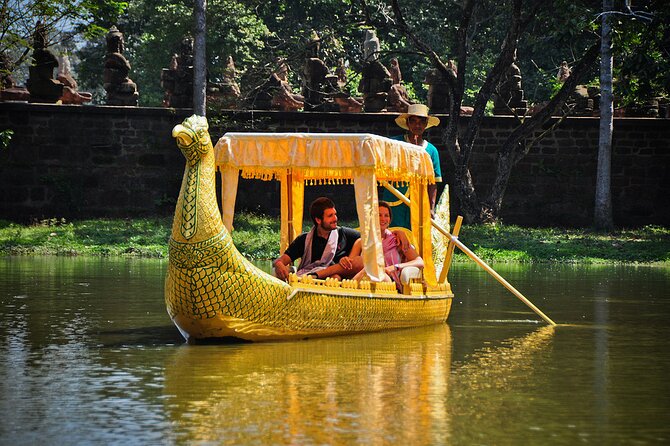
- Private guide and private transport keep the days moving without waiting around
- Phnom Penh’s major museums and temples are all in one structured day
- Angkor Thom plus Ta Prohm plus Angkor Wat are packed into a single Angkor-focused day
- A sunset Mekong/Tonle Sap cruise adds a calmer, scenic break
- Kompong Phluk with an ox-cart ride swaps temple hours for countryside life
- Two specific hotel stops (iRoHa Garden and Golden Temple) with room upgrades built in
What this tour actually covers (so you do less planning)
This is a private, door-to-door style tour where the heavy lifting is already done: private air-conditioned transportation, a licensed English-speaking guide, hotel nights, entry fees, and the domestic flight from Phnom Penh to Siem Reap.
Here’s what you should feel good about before you go:
- Hotels (2 nights): iRoHa Garden Hotel for the first night (Comfort Room with Balcony) and Golden Temple Hotel for the second night (Premier Pool View Room), or similar
- Meals included: lunch on the itinerary and 2 breakfasts
- Core admissions included: the Royal Palace and National Museum in Phnom Penh, Tuol Sleng Genocide Museum, Wat Phnom, and an Angkor Archaeological Park single-day ticket (listed at $62)
- Add-ons that matter: a 1-hour sunset cruise on the Mekong and Tonle Sap Rivers, plus 2 bottles of mineral water per person during sightseeing and transfers
- Domestic flight included: Phnom Penh → Siem Reap in economy class
In plain terms, this tour is designed for you to show up, follow the day, and trust that the important stuff (getting you there, getting you in, and explaining what you’re seeing) is covered.
You can also read our reviews of more private tours in Phnom Penh
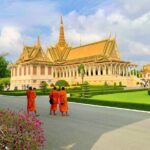

Day 1 in Phnom Penh: Tuol Sleng, the Royal Palace grounds, and Wat Phnom
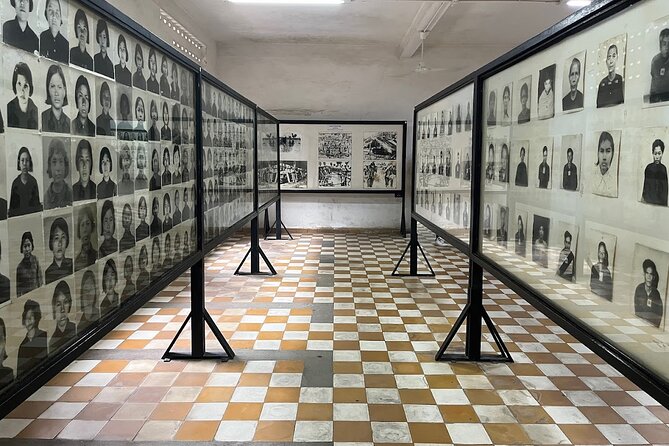
Phnom Penh has two sides you’ll feel immediately: a city that keeps moving, and a city that forces you to slow down when you enter places tied to Cambodia’s 20th-century trauma. Day 1 leans into both, and it does it in a logical order that prevents you from bouncing around all day.
Tuol Sleng Genocide Museum (afternoon stop)
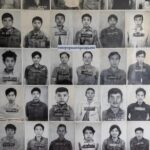
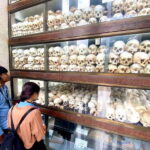
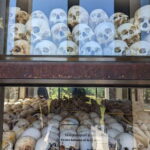
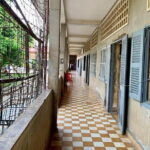
You’ll head out with your guide after a bit of free time and lunch. Tuol Sleng (a former high school) is now one of the most notorious genocide-era sites in Cambodia. Plan for a serious, heavy visit. If you do not handle somber history well, bring that awareness into the day and give yourself a moment afterward to reset—this is the kind of museum that sticks with you.
Royal Palace (and Silver Pagoda area)
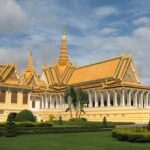
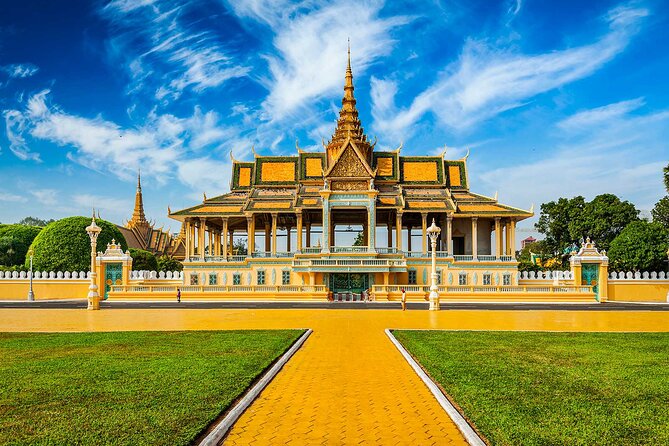
Next is the Royal Palace built in 1866 by King Norodom. The day focuses on the palace’s structures inside the compound and the gardens, then includes time at the Silver Pagoda, named for its distinctive silver features.
What I like about putting this here on Day 1: it helps you shift from grief to scale and symbolism. It’s not a distraction. It’s a different lens on how Cambodia’s past lives in the present.
National Museum (Khmer art and sculpture)
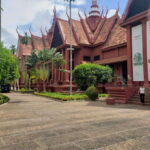
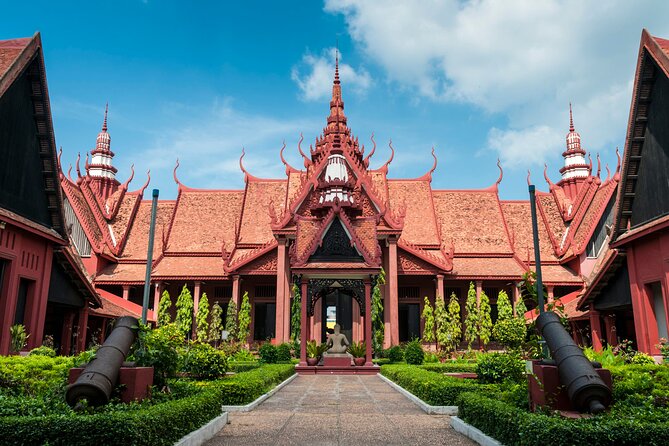
You also visit the National Museum, built in 1917, devoted to preserving and displaying Khmer art and sculptures. If you’ve ever wanted to understand how Angkor-era culture connects to later Cambodian identity, a museum stop like this gives your temple photos a stronger context.
You can also read our reviews of more tours and experiences in Phnom Penh
Wat Phnom (late-day closer)
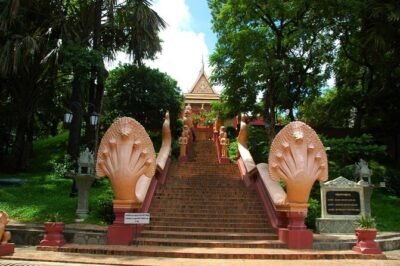
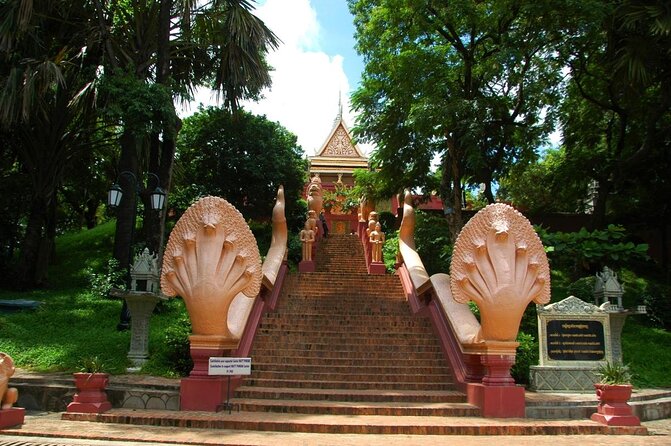
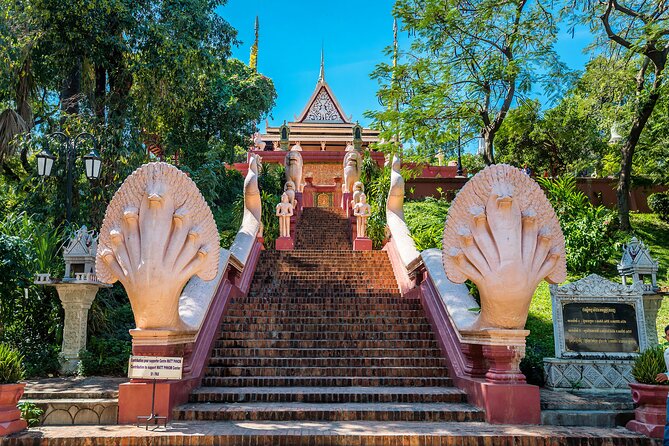
Finish the temple circuit at Wat Phnom, founded in 1373. The pagoda was built to house Buddhist relics washed ashore by the river. It’s a shorter stop (about 30 minutes), which is good on a long first day.
Sunset on the Mekong and Tonle Sap: a real break in pace
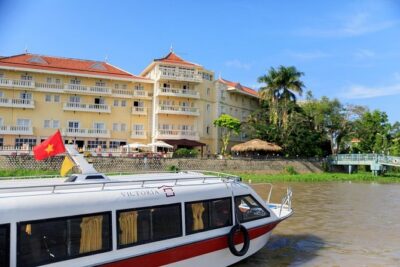
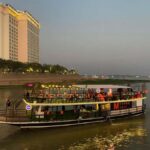
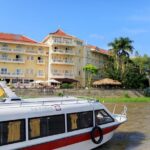
After all the historical and cultural stops, you’ll get a 1-hour sunset cruise on the Mekong and Tonle Sap Rivers. The boat passes past floating villages, and you’ll get views of Phnom Penh’s skyline changing as the light shifts.
This is more than “pretty scenery.” It’s a smart pacing tool in the itinerary. When you’ve spent hours in museums and palace grounds, the river gives your brain a chance to breathe—then you can head into sleep without feeling like you only did sightseeing.
Day 2 starts with a flight: South Gate to Angkor Wat at sunset
Day 2 is where you feel the trip’s true shape: morning transfer, then the domestic flight from Phnom Penh to Siem Reap departing 07:35 and arriving 08:20. In a 3-day format, this flight is the difference between seeing Angkor and missing it.
Once you land, the itinerary pushes you straight into the Angkor area with an efficient circuit.
Angkor Thom: South Gate, Bayon, and the terraces
You start at the South Gate of Angkor Thom, the walled capital founded in the 12th century. Then you move to Bayon Temple, famous for the face-like faces on multiple sides.
From there, the tour continues through:
- Baphuon Temple
- Terrace of the Elephants, used by King Jayavarman VII as a platform to view returning victorious armies
- Terrace of the Leper King (built in the Bayon style)
This part of the day works well because it gives you variety. You’re not stuck on only one temple type. You’re moving across gates, big icon-heavy structures, and narrative terraces.
Phimeanakas and Ta Prohm: a shift in mood
Next comes Phimeanakas (or Vimeanakas), a Hindu temple in Khleang style, built at the end of the 10th century and completed under Suryavarman I.
Then you go to Ta Prohm, described as one of Angkor’s most atmospheric temples and built as a monastery with the mother of Jayavarman VII as a key connection. Ta Prohm is often the temple where people feel the “movie set” effect—so if you’re going to take one “pause and look around” moment, make it here.
Angkor Wat at late afternoon: the centerpiece
Your day ends with Angkor Wat in the late afternoon and sunset hours. This is Angkor’s largest and most famous monument, built as the funeral temple for King Suryavarman II (1112–1152).
The way this tour times it matters. By the time you reach Angkor Wat, you’ve already seen Angkor Thom’s faces and Ta Prohm’s mood, so Angkor Wat doesn’t feel like random “last stop temple.” It feels like the destination you’ve been building toward all day.
Angkor Wat timing tips that fit this itinerary
You get roughly 3 hours for Angkor Wat during sunset hours. That’s enough to do more than a quick walk-through, but you still have a limited window—so aim for a simple strategy.
Here’s what I recommend:
- Pick a few spots you want to return to rather than trying to cover every angle once
- Take one longer moment to read the setting (funeral temple role, the scale, the symmetry) before you start picture-taking
- If you feel tired, prioritize one view lane and one temple-level circuit instead of sprinting for every photo viewpoint
This tour’s strength is that it sets you up to enjoy Angkor Wat without needing to manage the schedule yourself. You just have to choose where your attention goes.
Day 3 in the north: Banteay Srei and Preah Khan
Day 3 shifts away from the big Angkor core circuit and into temples that still feel “grand,” but with a different tone.
Banteay Srei: pink sandstone and fine carvings
You journey north to Banteay Srei, a jewel of Angkor built in the 10th century and dedicated to Shiva. The pink sandstone structure is known for detailed sculpture work, so this is the day’s “look longer” stop.
This temple is a nice change after the heavier number of stops from Day 2. Instead of rushing through landmark after landmark, you get to slow down and appreciate craftsmanship.
Preah Khan: Sacred Sword and better preservation
Next is Preah Khan, built in a similar style to Ta Prohm and named as the Sacred Sword. It’s also associated with Jayavarman VII and is described as having a much better state of preservation than Ta Prohm.
If Ta Prohm felt too “overgrown and atmospheric” for your preferences, Preah Khan can feel like the same vibe but easier to see clearly.
Kompong Phluk: countryside life, ox-cart ride, and fresh coconut
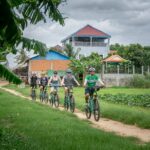
After lunch, the tour heads to Kompong Phluk, a countryside setting where you step away from temple architecture and into daily life in the surrounding area.
You’ll take an ox-cart ride through villages and rice fields, and at the end of the ride you’ll have a fresh coconut drink with the family.
This stop is valuable because it gives you a broader sense of Cambodia that does not rely on stone ruins. Even in a short 3-day schedule, it adds contrast, which makes the rest of the trip feel more complete.
Hotels and private transportation: comfort between long days
After big days, where you sleep matters. This tour uses:
- iRoHa Garden Hotel for 1 night: Comfort Room with Balcony
- Golden Temple Hotel for 1 night: Premier Pool View Room, or similar
You should expect private air-conditioned vehicle transport between stops. That matters in Phnom Penh and Siem Reap because travel time can eat your energy quickly when you’re doing everything yourself.
Also, because this is private, the pacing stays under your guide’s control. That often means fewer awkward gaps and more steady momentum.
The guides matter: Channak and Rith bring the story to life
The biggest “quality signal” in the provided feedback is the effect of the guides. In one group, guides Channak in Phnom Penh and Rith in Siem Reap were praised for being helpful and for making the sites make sense.
On a tour like this, that’s not fluff. A licensed English-speaking guide helps you:
- understand what you’re looking at beyond the obvious
- connect the dots between museums, royal power, and the temple world at Angkor
- handle the day without you worrying about timing or what comes next
If you care about context (not just photos), pay attention to how your guide explains things as you go.
Price and value: what $735 includes (and why it can be worth it)
At $735 per person, this is not a budget-only option. But it includes the items that usually inflate short Cambodia trips: domestic flights, two nights of hotel, private transport, guide service, and major entrance fees.
Here’s what the package explicitly covers:
- Domestic economy flight Phnom Penh → Siem Reap
- 2 hotel nights (with the listed room types)
- Private transportation by modern air-conditioned vehicle
- Entrance fees listed for Phnom Penh sites:
- Royal Palace: $10 pp
- National Museum: $10 pp
- Tuol Sleng Genocide Museum: $5 pp
- Wat Phnom: $1 pp
- Angkor Archaeological Park single-day ticket: $62 pp
- Mekong/Tonle Sap sunset cruise
- Lunch and 2 breakfasts
- Bottled water during sightseeing/transfers
- VAT and taxes/service charge
If you’ve tried to DIY a tight Angkor schedule before, you know the hard part is not seeing the temples—it’s coordinating flights, transport, tickets, timing, and interpretation fast enough to fit into 3 days. This tour pays for that coordination up front.
The trade-off is that you do not get to customize pacing much. You’re buying a ready-made route.
Who this tour is best for (and who may feel rushed)
This tour suits you if:
- you’re visiting Cambodia for the first time and want the headline sights in a short time
- you like structured days with a guide handling timing and ticketing
- you want both Phnom Penh’s historical sites and Angkor’s temple highlights without adding stress
It may feel wrong if:
- you need long breaks and slow mornings
- you dislike intense days with early starts (the 07:35 flight makes that clear)
- you want more freedom to linger at one place for hours without moving on
A good fit is someone who likes momentum—but still wants thoughtful context from a real guide.
Should you book Phnom Penh & Siem Reap in three days?
I’d book this if you want an efficient, guided highlights tour where most logistics are already covered, and you like the mix of museum seriousness (Tuol Sleng), palace and art context (Royal Palace and National Museum), and temple big moments (Angkor Thom, Ta Prohm, Angkor Wat).
I’d think twice if you’re the type who hates being on a schedule. This itinerary is built to move, and it does so on purpose. Also, schedule awareness matters: the genocide museum is heavy, so plan to be mentally ready for that part of the story.
If you want a short Cambodia trip that actually feels complete—Phnom Penh plus Angkor, with a river cruise and a countryside day—this is a strong, sensible choice.
FAQ
Is the domestic flight from Phnom Penh to Siem Reap included?
Yes. The tour includes a domestic flight from Phnom Penh to Siem Reap in economy class.
How many hotel nights are included?
Two nights are included: one night at iRoHa Garden Hotel and one night at Golden Temple Hotel (or similar), based on the room types listed.
Are museum and temple entry fees included?
Yes. The package includes admission fees for the Royal Palace, National Museum, Tuol Sleng Genocide Museum, Wat Phnom, and a single-day Angkor Archaeological Park ticket listed at $62.
Is lunch included on the tour?
Yes. Lunch is included.
Are meals like breakfast included?
Yes. Breakfast is included for two mornings.
Is a boat cruise included?
Yes. There is a 1-hour sunset cruise on the Mekong and Tonle Sap Rivers.
What kind of transportation do you use?
Private transportation by a modern air-conditioned vehicle is included, with pickup offered.
Are guides included, and what language do they speak?
Yes. A professional licensed English-speaking guide is included throughout the sightseeing.
What is the cancellation window for a full refund?
You can cancel up to 6 days in advance of the experience for a full refund.