REVIEW · PHNOM PENH
Private 3-Day Mekong Delta River Tour from Phnom Penh to Ho Chi Minh City
Book on Viator →Operated by Bravo Indochina Tours · Bookable on Viator
That long Mekong stretch feels like a journey, not a day trip. You get a private guide, air-con transport, and a route that links Cambodian riverside life to Vietnam’s floating markets. It’s built for first-timers and slow-travel types who want more than a quick photo stop.
I especially like the mix: boat time on the Mekong Delta plus land visits like local markets and a temple. The stops around Chau Doc and Tra Su also give you that rare quiet nature break, not just crowds and commerce.
One thing to think about: the schedule can be transfer-heavy, especially on the Phnom Penh-to-border start day and the road legs between river areas. If you hate being in a car, you might prefer a Mekong day trip based around Ho Chi Minh City instead.
In This Review
- Key highlights worth planning for
- A 3-day Mekong crossing that connects two countries
- Starting at Phnom Penh Pier and then getting through the border
- Chau Doc: a market morning and a Cham community stop
- Tra Su Bird Sanctuary: cajeput forest quiet and protected nature
- Can Tho and Cai Rang: seeing the floating market from the water
- Vĩnh Tràng Temple near Mỹ Tho: a calm culture stop before the finish
- Hotels and meals: where the private value really shows
- Price and what $359 buys you (and what it doesn’t)
- Logistics you can control: timing, language, and weather
- Who this tour fits best (and who should rethink it)
- Should you book this private Mekong Delta tour?
- FAQ
- How long is the Mekong Delta tour?
- Where does the tour start?
- Where does the tour end?
- Is this tour private?
- What’s included in the price?
- Are meals included?
- Do I need a Vietnamese visa in advance?
- What are the main activities and stops?
- Is the tour dependent on weather?
- Is free cancellation available?
Key highlights worth planning for
- Private guide and car service: one group, one plan, and fewer logistics headaches.
- Tra Su Bird Sanctuary eco-area: walk and boat-style nature time in a protected cajeput forest.
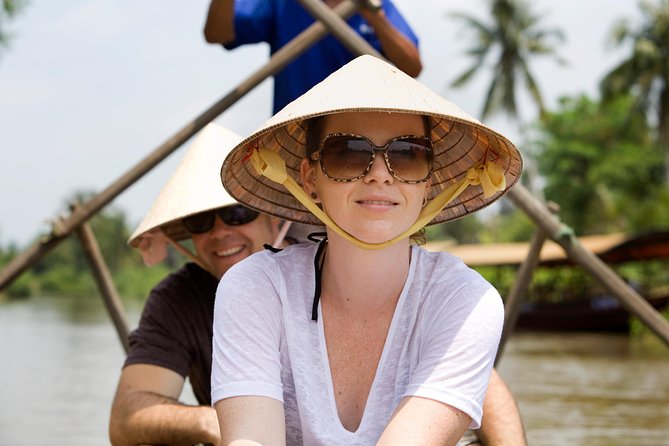
- Cai Rang floating market close-up: small-boat navigation so you actually see the action on the water.
- Cultural stops in Chau Doc: local market views and a Cham community mosque visit.
- Temple time at Vĩnh Tràng: a focused stop near Mỹ Tho before you roll into Ho Chi Minh City.
A 3-day Mekong crossing that connects two countries
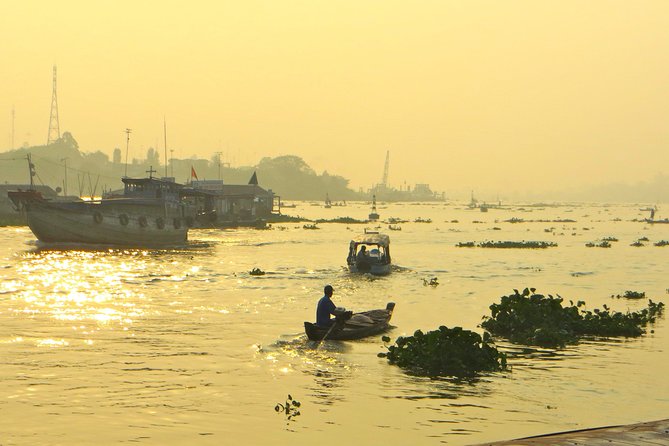
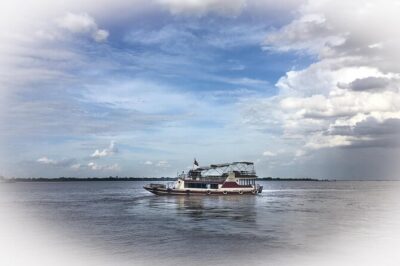
This tour is all about the route: Phnom Penh on the Cambodian side, then onward through the Mekong Delta before finishing in Ho Chi Minh City. You’re not just going to one “big sight.” You’re moving through river towns, farmland edges, and protected nature zones—so the scenery and daily rhythms change every day.
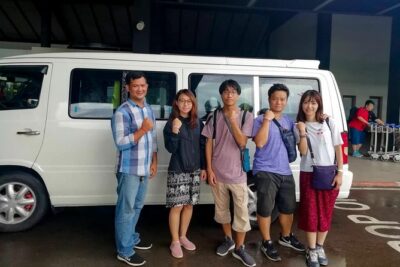
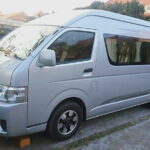
The private format matters. You’re in an air-conditioned minivan and you travel with a guide who keeps the day moving and explains what you’re seeing. That can turn border time and transit time from a headache into a workable part of the story.
You’re also getting a real range of experiences that travel writers like to group under “cultural and active.” Here it’s more practical than that: markets for how people shop and eat, boat time for how the water shapes travel, a nature sanctuary for the ecology, and a temple stop to connect the spiritual side of southern Vietnam.
You can also read our reviews of more city tours in Phnom Penh
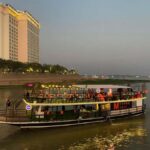
Starting at Phnom Penh Pier and then getting through the border
Day one starts at 12:00 pm at the pier area at 103 Sisowath Quay, Phnom Penh. From there, you’re whisked toward the Cambodian-Vietnam border. You should expect a passport and visa check as part of the process.
A key practical point: you must have your Vietnamese visa before the tour. The tour info is explicit—there’s no visa-on-arrival service at the border crossing. If you’re still waiting on documents, don’t book yet. Plan your paperwork first, then book.
This first day is also when the “car-time reality” shows up. The experience is not only river travel. You’ll spend significant hours in transport as you leave Phnom Penh and position yourself for the Mekong-side activities in Vietnam. If you’re hoping for a mostly scenic day right away, temper that expectation. Think of day one as the handoff day.
Still, that mid-day start can work in your favor if you like a more relaxed morning in Phnom Penh. You’re not forced out the door at sunrise—you begin after lunch and roll into border formalities and the drive south.
Chau Doc: a market morning and a Cham community stop
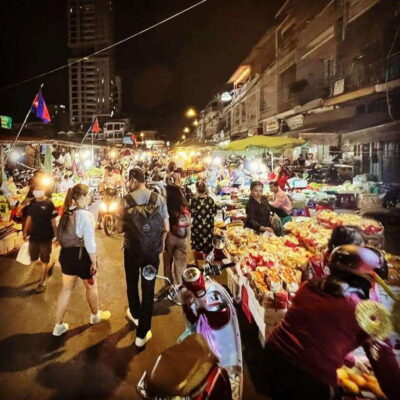
After breakfast, the tour shifts toward Chau Doc, a town that sits at a strategic river junction where life is shaped by water routes. Your morning includes a visit to a local market with views over the confluence of three rivers. Even if you don’t shop, you’ll get a good sense of what people are buying and how busy daily commerce is in river towns.
Next comes a cultural stop aimed at the Cham community. You’ll visit a tiny mosque in the Chau Giang district. It’s not positioned as a long lecture. It’s more like a quick, meaningful pause that gives context for the different communities living in this part of Vietnam.
Then the day tilts toward active transport and nature options. The tour description includes the idea of a speedboat ride to Chau Doc as part of this region-to-region travel. It also mentions a hike to the peak of Sam Mountain. You’ll want comfortable shoes and a practical mindset here: river humidity and heat can make even a “moderate” walk feel like work.
What makes the Chau Doc portion feel worthwhile is the texture. You’re not only looking at attractions. You’re seeing everyday life, then stepping into a nature area and a hill viewpoint. That mix is exactly what keeps a Mekong trip from feeling repetitive.
Tra Su Bird Sanctuary: cajeput forest quiet and protected nature
Tra Su Bird Sanctuary is the standout nature stop on this route. You head out of Chau Doc and join an eco-tour in the cajeput forest and bird sanctuary, described as a protected nature reserve of about 845 hectares (2,088 acres).
This is one of those places where the point isn’t to “check off” a famous building. The point is the ecology: a forest of cajeput trees and a calm, watery environment where birds and local ecosystems thrive. Even if you’re not a hardcore birdwatcher, the tone of the reserve matters. It gives your trip a slower tempo after market and road time.
Because you’re in a wet, forested environment, pack for comfort rather than fashion. Light rain protection, bug spray, and covered footwear help. If you burn easily, bring sun protection too—cajeput forest areas can still have bright light between shaded patches.
The tour info notes that admission for this sanctuary portion is included, and the time you spend there gives you more than a quick pass-through. This stop is a good reason to book a multi-day itinerary instead of trying to do everything from Ho Chi Minh City in a single long day.
Can Tho and Cai Rang: seeing the floating market from the water
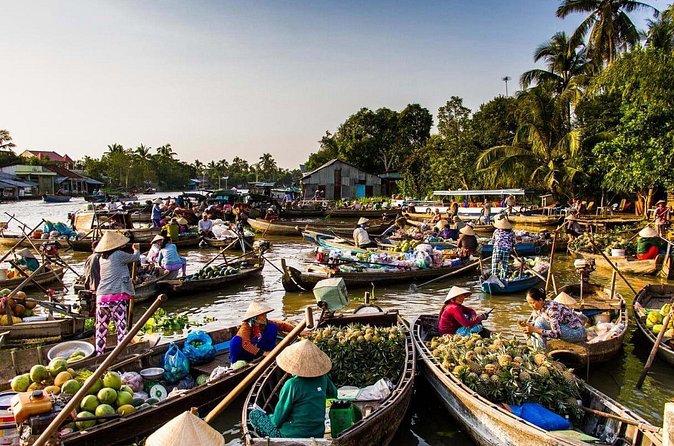
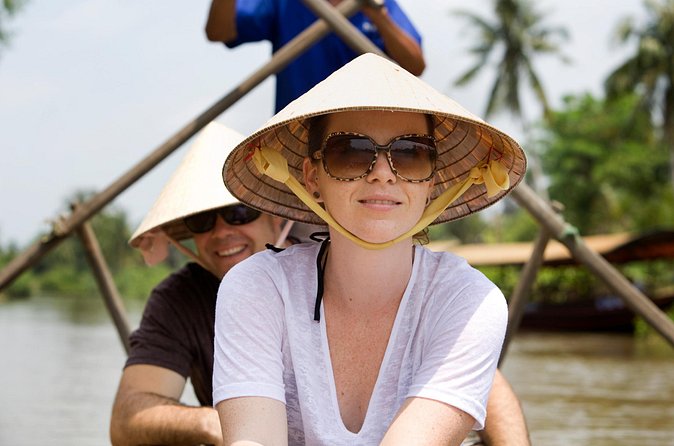
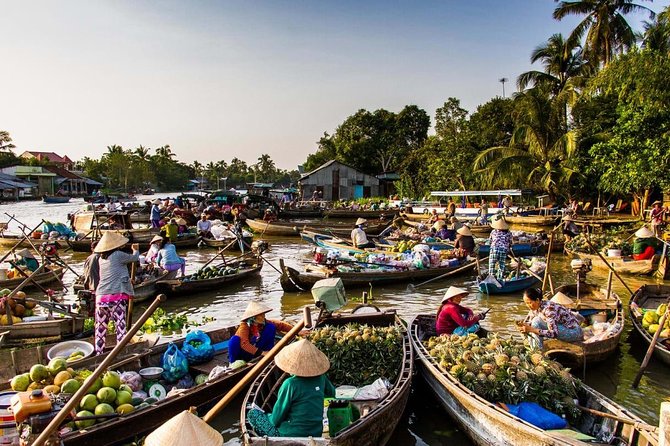
Day three is built around Can Tho and the Cai Rang floating market. After breakfast, you go bright and early to get close to the action while it’s happening. The highlight here is how you experience the market: you hop on a small boat to move between the floating boats and stalls.
That detail is important. If you only watch from the riverbank, you miss how packed and active the market feels. From the water, you get the rhythm: quick exchanges, sellers calling out, and the practical reality of goods moving by boat rather than truck.
The tour keeps this part simple and focused. You’re there for the market, not for a long shopping detour. That makes it more likely you’ll enjoy it even if your tastes run toward food and atmosphere rather than souvenirs.
A quick reality check: floating markets are busy, and boats can splash. Bring shoes you don’t mind getting damp and plan for a bit of spray. And if you’re sensitive to motion, brace yourself for the boat ride portion.
You can also read our reviews of more private tours in Phnom Penh

Vĩnh Tràng Temple near Mỹ Tho: a calm culture stop before the finish
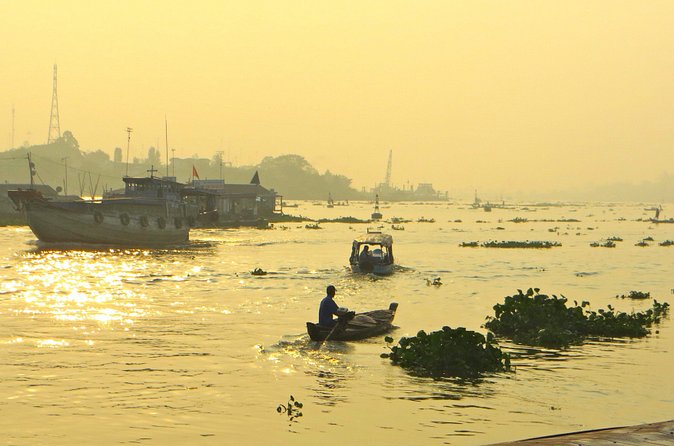
After Can Tho, the route includes a stop at Vĩnh Tràng Temple, a Buddhist temple near Mỹ Tho in the Mekong Delta region. The tour description frames it as one of the best-known temples in the area, but the experience is timed and controlled: it’s a short, included visit (about 30 minutes).
This temple stop works as a gentle pivot. You’ve just had crowds and water-market motion. Now you get a quieter scene with religious architecture and a different pace. It’s also a useful final cultural layer before you roll into Ho Chi Minh City, where the tour ends.
Don’t expect a long temple marathon here. This is a “see it, understand the setting, move on” style of stop. If you want a full religious deep dive, you’d add a separate temple day in Vietnam. But for this itinerary, it fits.
Hotels and meals: where the private value really shows
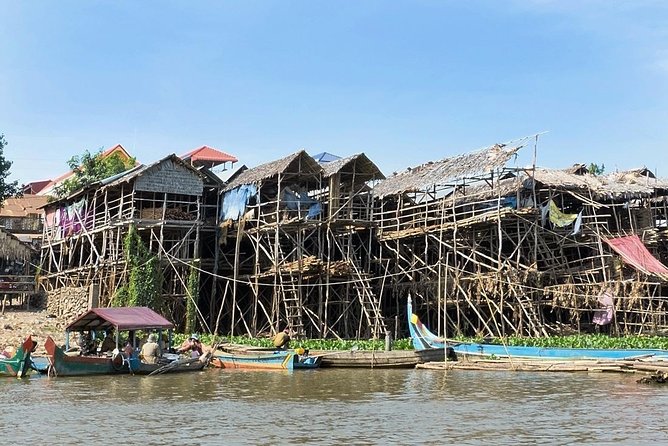
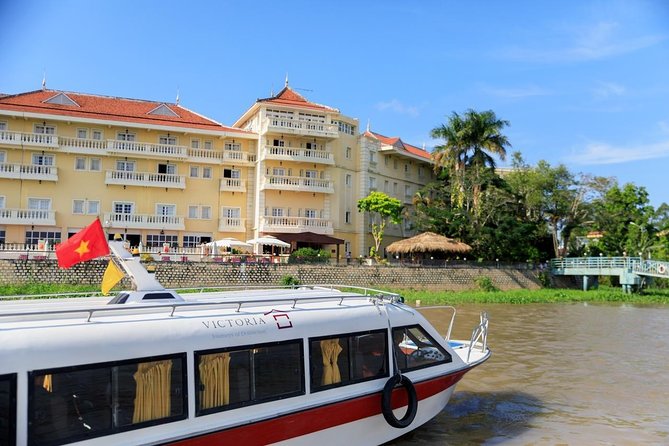
The tour includes two nights of accommodation, plus meals as listed in the itinerary—breakfast and lunches, and also a dinner. If you choose the upgraded category, the description specifically calls out deluxe accommodations with Victoria Resort (4-star).
This matters because Mekong travel can be exhausting. If you’re paying extra for comfort, you want it to show up where it counts: good shower, decent bed, and a place to recover between days of heat and boat rides.
The tour also frames hotel choice as something you can tailor to your style and budget. That flexibility is a practical win. If you’re traveling with someone who wants comfort and another person who’d rather spend less, upgrades can be the compromise.
One small caution: “nice hotel” is helpful, but it doesn’t fix long transit time. If your main goal is minimizing driving, you still need to be honest with yourself about the itinerary’s structure.
Price and what $359 buys you (and what it doesn’t)
At $359 per person, you’re paying for more than entry tickets. The included package covers:
- Private guide
- Air-conditioned minivan transport
- Two nights of accommodation
- Meals as per itinerary (breakfasts, lunches, and dinner)
- Included entries like Tra Su Bird Sanctuary and Vĩnh Tràng Temple
That’s the value side. Mekong Delta tours often cost more than they look because logistics and driver/guide time are expensive—especially when you’re crossing from Cambodia into Vietnam and coordinating multi-stop river areas.
Where you should be careful is expectation matching. Several travelers in the provided feedback said the time in the car can be a lot, and that the itinerary can feel compressed. That doesn’t mean the experience is bad. It means the money is partly paying for transport and pacing choices. If what you want most is pure river time, you may feel the balance is off.
Also, because the trip ends in Ho Chi Minh City, you’re not paying for backtracking. That’s good for overall value. But it can feel like a trade: you’re essentially doing a corridor transfer with experiences layered in, not a “stay put and explore slowly” stay.
Logistics you can control: timing, language, and weather
A few practical points decide whether this feels smooth or stressful:
1) Start time
Day one begins at 12:00 pm. If you like early starts, plan how you’ll spend the morning in Phnom Penh before you meet the team.
2) Language
The tour info says you’ll have a professional guide, but the feedback you provided includes concerns about limited English on some runs. Your best move is to ask ahead how your guide will communicate and confirm the level of language support you expect.
3) Weather dependence
The experience notes a good-weather requirement. If conditions are poor, the tour may be canceled and you’ll be offered a different date or a full refund. For the Mekong Delta, this is sensible. Bring a flexible mindset.
4) Minimum traveler rules
It also mentions a minimum traveler requirement. That mostly affects whether the tour runs at all, not the day-of experience, but it’s worth knowing.
Finally, remember that this is a private tour for your group only. That reduces friction. You’re not stuck waiting on other people, and your guide can adjust stops if needed—within reason.
Who this tour fits best (and who should rethink it)
You’ll likely love this itinerary if you want:
- A guided multi-day route with fewer logistics tasks
- A mix of markets, boat time, nature sanctuary, and a temple stop
- A comfort level that includes transport, meals, and hotels
It may not fit you as well if:
- You’re extremely sensitive to long car rides
- You prefer staying in one base town and doing short local day trips
- You want maximum freedom to pick your own exact timing on the water
One simple decision rule: if you’d rather pay for organization and comfort while someone else handles borders and routing, book this. If you’d rather optimize for pure river time and minimal driving, consider a Mekong day trip from Ho Chi Minh City instead, and then come back for a second region later.
Should you book this private Mekong Delta tour?
I’d book it if your priority is a structured, private introduction to the Mekong Delta with real variety—Chau Doc culture, Tra Su nature calm, and Cai Rang’s water-market experience—plus comfortable hotel stays and meals handled for you.
Before you hit confirm, do two quick checks:
- Make sure your Vietnamese visa is already sorted. This tour doesn’t do visa-on-arrival at the border.
- Be honest about your tolerance for transfer time. If sitting in a minivan wears you down fast, plan to offset that with comfort upgrades (like the deluxe hotel option) and a relaxed attitude on day one.
If you can do that, this is a strong way to connect Phnom Penh to Ho Chi Minh City while seeing more than the standard highlights.
FAQ
How long is the Mekong Delta tour?
It runs for about 3 days.
Where does the tour start?
The meeting point is at 103 Preah Sisowath Quay, Phnom Penh, Cambodia, starting at 12:00 pm.
Where does the tour end?
The tour ends in Ho Chi Minh City, Vietnam.
Is this tour private?
Yes. It’s a private tour/activity, and only your group participates.
What’s included in the price?
The tour includes 2-nights accommodation, air-conditioned minivan transport, meals as per the itinerary, and a private guide, plus listed admissions.
Are meals included?
Yes. Meals are included as per itinerary (breakfasts, lunches, and dinner).
Do I need a Vietnamese visa in advance?
Yes. You must obtain your Vietnamese visa before the tour, because there is no visa-on-arrival service at the border crossing. Visa requirements are the traveler’s responsibility.
What are the main activities and stops?
You’ll visit areas around Phnom Penh and the border, then experience Chau Doc, Tra Su Bird Sanctuary, Can Tho and the Cai Rang floating market, and Vĩnh Tràng Temple near Mỹ Tho.
Is the tour dependent on weather?
Yes. It requires good weather. If canceled due to poor weather, you’ll be offered a different date or a full refund.
Is free cancellation available?
Yes. You can cancel up to 24 hours in advance for a full refund.