REVIEW · PHNOM PENH
Explore Phnom Penh, Cambodia’s Capital City, French Guide
Book on GetYourGuide →Operated by Travel to Inspire · Bookable on GetYourGuide
Phnom Penh can hit hard and still delight. This private French-guided day strings together Cambodia’s art, power, and tragedy in a way that actually makes sense. I love that you get guided context at the National Museum and at the Khmer Rouge sites, not just entry tickets. One thing to keep in mind: this is a long day, and two stops are emotionally heavy.
The big win here is the pairing of Phnom Penh’s public grandeur with the places where history was darkest. I also like that the tour is private with a guide who takes time to explain, and that you’re set up with an air-conditioned vehicle and water. The only drawback is that a few key tickets cost extra and are cash only, so plan ahead.
In This Review
- Key points worth knowing before you go
- A full day that explains Phnom Penh’s contrasts
- Royal Palace & Silver Pagoda: rules, scale, and the 5,000 silver blocks
- National Museum of Cambodia: where Khmer art stops being vague
- Choeung Ek: a memorial you walk through slowly
- Tuol Sleng (S-21) Genocide Museum: preserved cells and haunting portraits
- How the order of stops affects your day
- Private group comfort: tuk-tuk or air-con van
- Price and ticket math: what $119 really covers
- What to bring (and what to wear) so the day stays smooth
- Guides matter: the difference between reading and understanding
- Should you book this French guide Phnom Penh day tour?
- FAQ
- How long is the Phnom Penh day tour?
- Where can I be picked up?
- Which sites does the tour include?
- What is included in the price?
- How much are the tickets for the sites that are not included?
- Are the tickets included or do I pay separately?
- What language is the guide available in?
- What should I wear or bring?
Key points worth knowing before you go
- Private guide with real explanation: French-speaking (and also available in German, Spanish, or English) with time for questions.
- Skip-the-line at major sites: Less waiting, more looking.
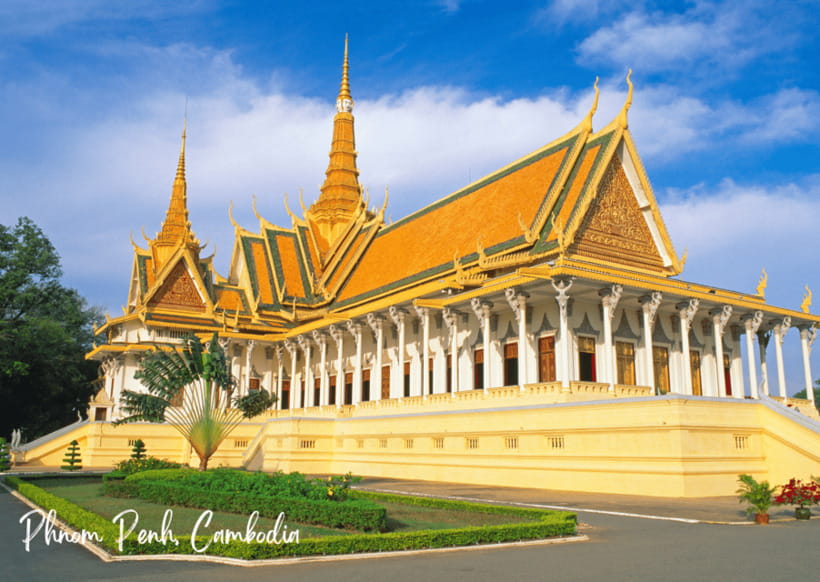
- Royal Palace plus Silver Pagoda facts that land: Built in 1966; Silver Pagoda’s 5,000 silver blocks; 17th-century emerald Buddha statue.
- National Museum turns Khmer art into a story: From Angkorian era pieces to earlier work.
- S-21 and Choeung Ek are powerful, on purpose: You’ll see preserved cells/portraits and a memorial tower.
- Cash-only tickets for several stops: Budget about $36 in added entry fees.
A full day that explains Phnom Penh’s contrasts
Phnom Penh is not one mood. It’s court drama and museum polish in the morning, then prison cells and killing fields later. What makes this tour work is the way it’s paced and guided, so the city’s contradictions feel connected instead of random.
You also get a practical structure: morning palace and museum time, then the heavier memorial visits. Photo stops are built in, and the walk times are modest at each main site (you’re not trying to conquer the whole city on foot). It’s the kind of day that helps you get your bearings fast—emotionally and historically.
One more reason I’d pick this style of tour: you’re not stuck figuring it out alone across four major destinations. A guide keeps the day coherent, especially when the story is complicated and the details matter.
You can also read our reviews of more guided tours in Phnom Penh

Royal Palace & Silver Pagoda: rules, scale, and the 5,000 silver blocks
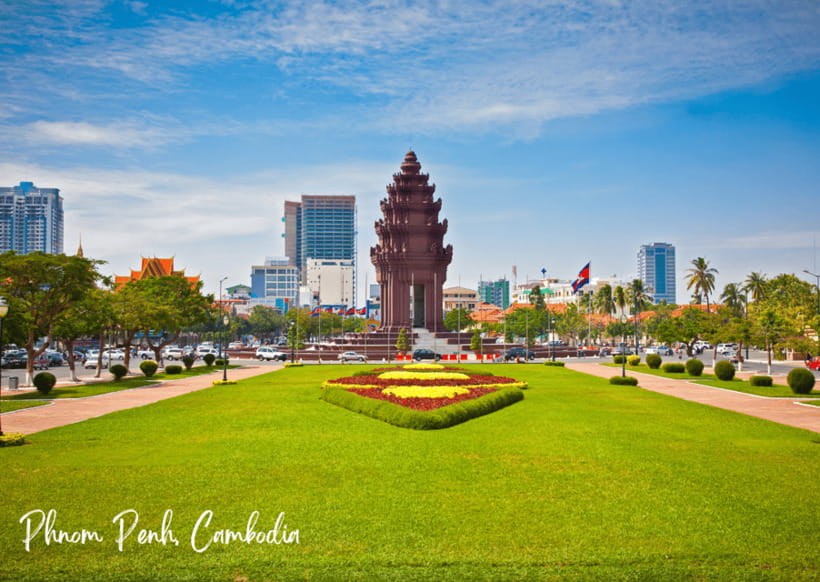
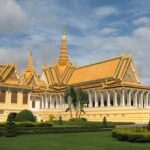
Royal Palace is the classic Phnom Penh icon for a reason. You’ll spend about two hours here, including guided time plus a chance to wander and take photos. The Royal Palace grounds are tightly controlled in a good way: there’s a sense of ceremony, and you’ll see architecture and layout that reflect how authority was displayed.
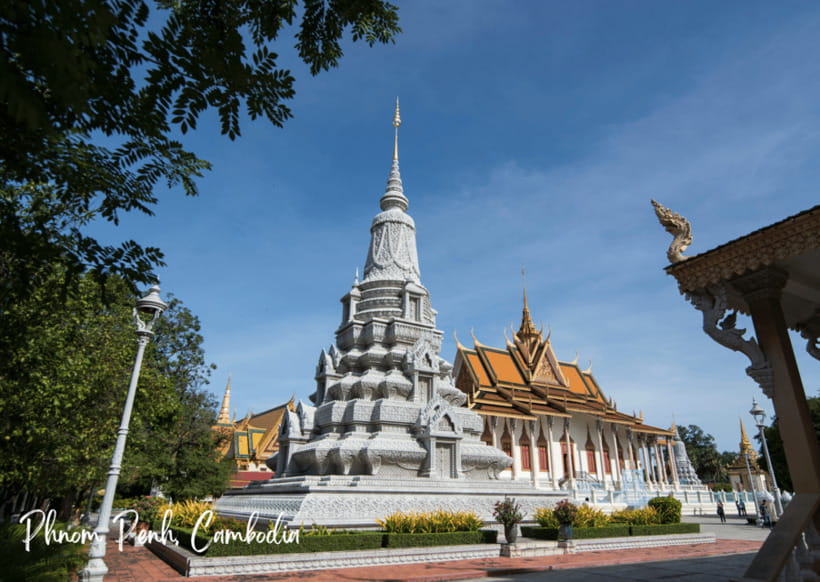
Silver Pagoda is the star inside the palace complex. It’s tied to a specific story and specific objects, not just “a pretty temple.” The highlights to look for are the 5,000 silver blocks covering a section of the floor and the 17th-century emerald Buddha statue. When you see these with guidance, you understand why the place is so famous.
Practical tip: dress matters. You’ll need clothing that covers your knees and shoulders, and you’ll be ready at your pick-up point with dress covers provided/required. Bring a long-sleeved shirt too—especially if you run cold at temples or plan to stay into the later part of the day.
Drawback to note: palace visits can involve a bit of walking and watching where you step. If you don’t like “line-of-sight” rules and restricted areas, this portion can feel structured—but it’s also what makes it feel authentic.
National Museum of Cambodia: where Khmer art stops being vague
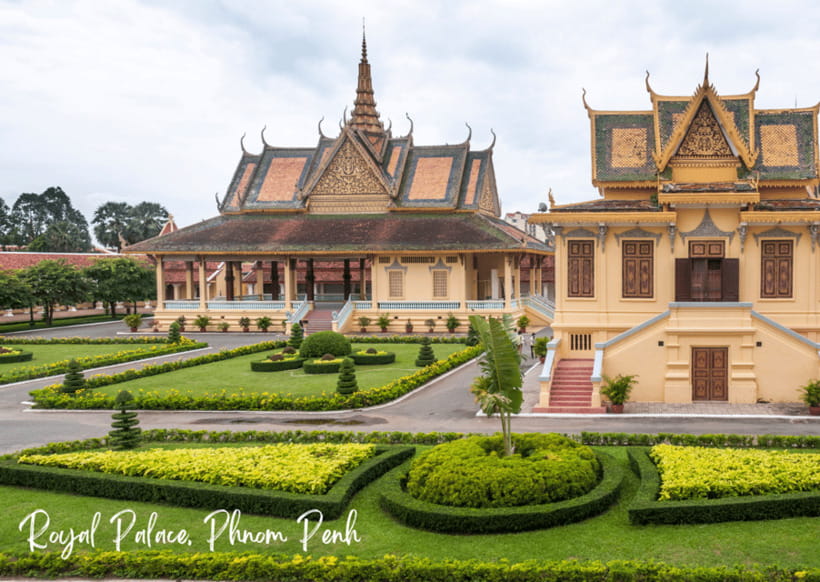
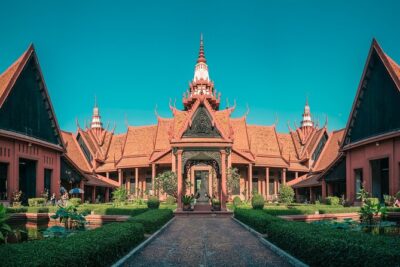
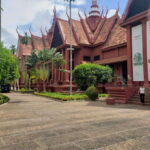
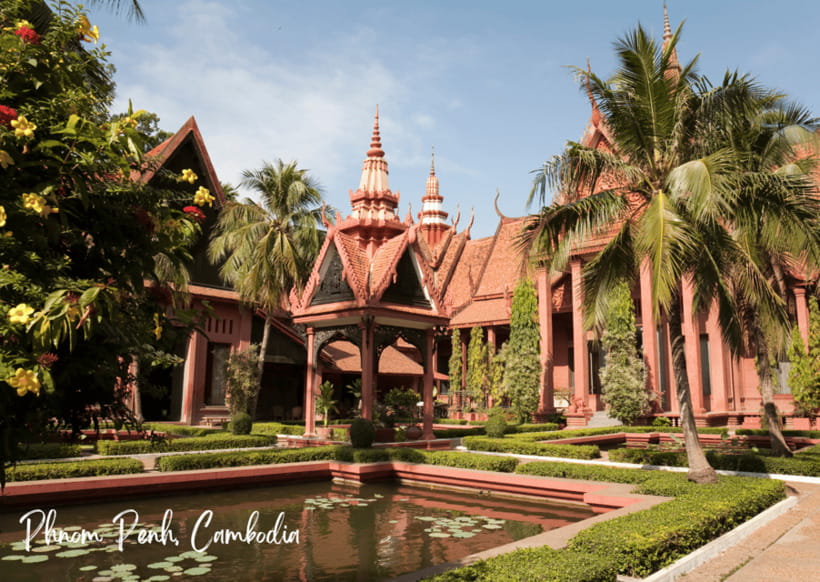
After the palace, the National Museum of Cambodia helps you “read” what you’re seeing in Phnom Penh. This isn’t just a room of statues. With a guide, it becomes a timeline of style and symbolism—especially for people who’ve only encountered Angkor-era art through photos.
You’ll have about 1.5 hours here, with guided explanation plus free time. The museum’s strength is how it connects multiple periods of Khmer sculpture and artwork, including the Angkorian era and earlier pieces. That matters because a lot of visitors think of Khmer art as one style. It isn’t. You start to see changes in craftsmanship, themes, and cultural influences.
I also like that the guide context helps you slow down. You don’t just look at objects; you learn what to notice: recurring motifs, the way figures are carved, and how religious and political ideas show up in art.
Small drawback: museums require mental energy. If you’re the type who powers through attractions, give yourself the full guided time and then use your free time to re-check anything that sparked your interest.
Choeung Ek: a memorial you walk through slowly
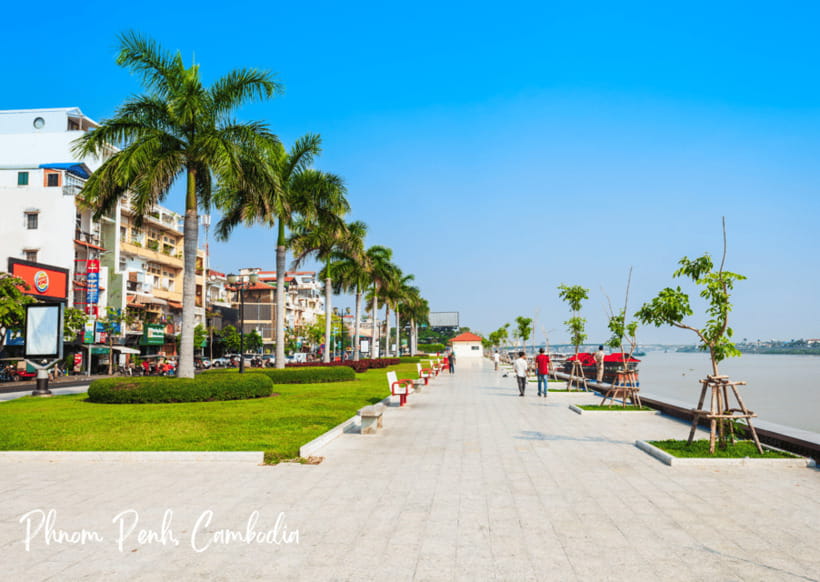
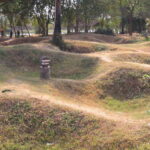
Then comes the stop that most people will remember for the rest of their trip: Choeung Ek Killing Fields. Expect about one hour for guided visit and walking.
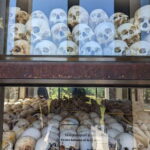
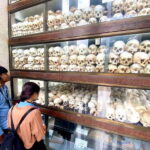
This is the kind of place where you don’t want to rush. The memorial is designed to make you face scale and suffering. One key feature is the moving memorial tower, meant as a reminder of the thousands who were killed here during the Khmer Rouge era. The guide’s role matters a lot at this stop—history needs framing, not just facts.
What you’ll likely notice: the layout forces a path and a rhythm. You move between points of remembrance, and the emotional tone doesn’t let you treat it like a normal attraction. That’s not a drawback; it’s the point.
Practical note: you’ll have a photo stop, but you should expect that some moments will feel too serious for casual snapshots. Bring a camera if you want it, but think “record and respect,” not “shoot everything.”
Tuol Sleng (S-21) Genocide Museum: preserved cells and haunting portraits
Next is Tuol Sleng Genocide Museum, also known as S-21. It’s about one hour and is both educational and hard to process.
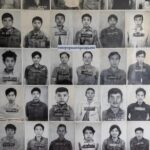
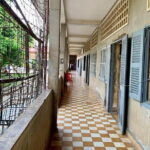
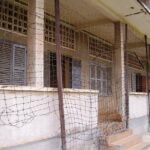
Tuol Sleng has a specific transformation: it was once a high school, later used as a Khmer Rouge prison. The experience is shaped by what you can still see—preserved cells and haunting portraits. Those two elements are what make it stick. The story isn’t abstract. It’s attached to spaces and images.
The guide is crucial here because the site covers a lot of ground quickly. A good guide helps you connect the dots: who was targeted, how the system worked, and why the evidence preserved here matters. In participant feedback, French-speaking guides like Le are praised for taking the time to explain thoroughly—exactly the kind of pacing you want at S-21.
One consideration: if you’re sensitive to graphic themes or strong historical content, this is the moment you’ll feel it most. Plan to slow down during the walk-through and don’t feel obligated to stay emotionally “tough.” This place asks for attention, not performance.
You can also read our reviews of more city tours in Phnom Penh
How the order of stops affects your day
This tour’s flow is intentional. Palace and museum come first while you still have daylight, energy, and a brain ready to absorb culture. Then the heavy sites arrive, when you’ve built a foundation for understanding Cambodia’s past rather than dropping into it cold.
You’ll start with a pick-up (either around Wat Phnom or from your hotel), then head to the Royal Palace area. After that, you move to the National Museum, then on to Choeung Ek and Tuol Sleng.
That order can matter for your emotional pacing. If you went to the genocide museum first, you might feel “stuck” and struggle to engage with art afterward. Coming to Tuol Sleng after the art and palace portion doesn’t erase the horror—but it can make the day feel more structured and less like a blur.
The day includes break time plus lunch at your leisure. That lunch pause matters. Don’t skip it, even if you’re tempted to “get it all done.” You’ll do better at the memorials if you’ve eaten.
Private group comfort: tuk-tuk or air-con van
This is a private group day, so you’re not sharing your guide’s attention with a busload of strangers. That sounds like a luxury, but it’s also practical: you can ask questions, and the guide can shape the pace.
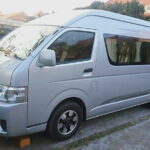
Transport is flexible. The info you get says an air-conditioned vehicle for groups up to 4, and 1–3 passengers by tuk-tuk. That’s a real consideration in Phnom Penh heat and traffic. If you’re in the smaller group range, you might feel more air movement (and more street noise), which can be fine—but plan for it.
Your pick-up timing is also specific: you’ll be collected about 15 minutes before the tour start. You’re expected to be at the hotel lobby and have the correct clothing prepared (or at least ready to comply with the dress requirement).
I like this setup because it reduces friction. You don’t have to coordinate rides between four major sites. You also don’t have to guess how long transfers will take—your guide’s day plan already accounts for walking and photo stops.
Price and ticket math: what $119 really covers
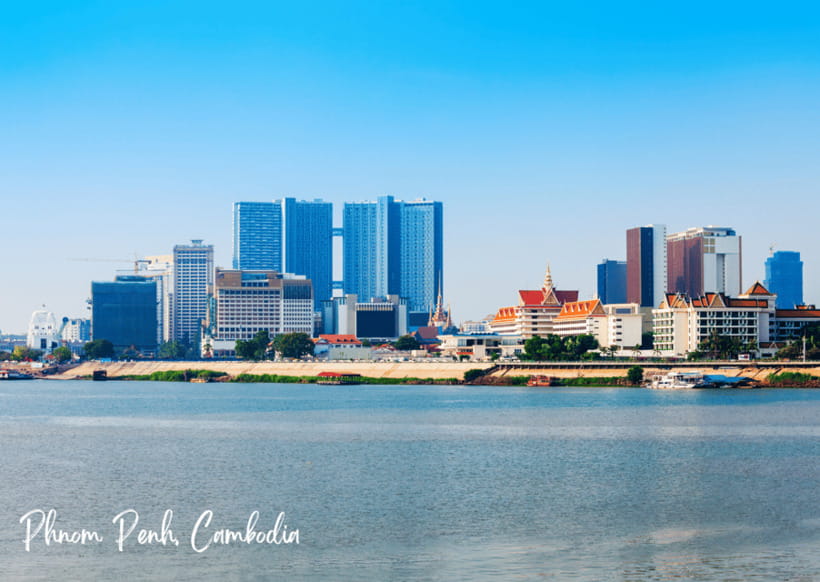
The advertised price is $119 per person for a day that runs about 7–8 hours. That includes a French-speaking guide, drinking water, and a vehicle, plus skip-the-ticket-line service.
What’s not included is where you should do a quick budget check. Tickets not included are:
- Killing Fields (Choeung Ek): $6 per person
- Tuol Sleng (S-21): $10 per person
- Royal Palace: $10 per person
- National Museum: $10 per person
If you add those, you’re looking at roughly $36 in extra entry fees on top of the $119. That brings your all-in total to about $155 per person, not counting any personal expenses.
Value-wise, the guide time is the main reason this feels worthwhile. You’re not paying just for access to sites. You’re paying to have someone connect palace facts, museum context, and Khmer Rouge evidence into a coherent story. And skip-the-line helps when you’re working with a single day and a tight schedule.
One more practical point: tickets are accepted in cash only. Bring small bills if you can.
What to bring (and what to wear) so the day stays smooth
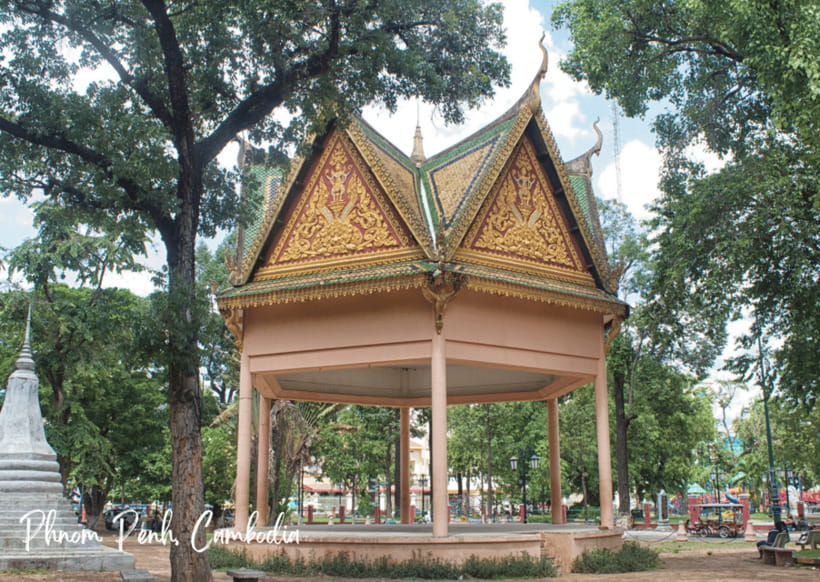
Your tour asks for straightforward items:
- Camera
- Long-sleeved shirt
Also plan clothing to match the temple/palace dress requirement: knees and shoulders covered. The pick-up instructions say you should be ready with dress covers. In practice, that means you’ll want clothing that can handle air-con and sun without feeling miserable.
For the heavier sites, you don’t need special gear. But you will want to feel comfortable enough to keep moving calmly for about an hour at each main stop.
If you’re taking medication or have health needs, keep them easy to access. This is a full-day route, and your time is structured—so it’s smarter to be prepared than to improvise.
Guides matter: the difference between reading and understanding
Two guide names show up in standout feedback: Livoin and Le. Both are described as kind and professional, with a strong focus on explaining. That’s not small talk. In a day that includes both art and genocide memorials, explanation changes the entire experience.
At the palace and museum, you want someone who can turn architecture and art into stories you can repeat later. At Tuol Sleng and Choeung Ek, you want someone who can frame what you’re seeing with care and clarity.
This tour’s multilingual capability is also a plus in a private format. You can match the guide language you prefer, and the guide can keep your day moving without language gaps.
If you’re picky about tours—if you hate blank explanations and rushed pacing—this style is likely to suit you.
Should you book this French guide Phnom Penh day tour?
Book it if you want a structured, private day that connects Phnom Penh’s top sights with context. It’s a good fit for first-timers who don’t want to piece together history on their own, and for people who want the palace and museum to mean something, not just look pretty.
You might skip or choose a lighter alternative if you’re short on time or you know you’ll struggle with intense historical content. Two of the stops are emotionally heavy by design. Also, if you dislike dealing with cash-only ticket payments, you’ll want to prepare for that upfront.
For most visitors, though, this is strong value: $119 buys guided time across multiple major sites, plus transportation and water, with skip-the-line help. Add the four cash tickets and you still get a coherent day rather than four separate errands.
If you want Phnom Penh to feel understandable—even when it’s painful—this is the kind of tour that makes that happen.
FAQ
How long is the Phnom Penh day tour?
The duration is listed as 7 to 8 hours.
Where can I be picked up?
You can choose two pick-up options: Phnom Penh, Wat Phnom or any hotel in Phnom Penh (the guide picks you up about 15 minutes before the tour begins).
Which sites does the tour include?
The tour includes Royal Palace & Silver Pagoda, National Museum of Cambodia, Choeung Ek Killing Fields, and Tuol Sleng Genocide Museum.
What is included in the price?
Included are a French-speaking guide, drinking water, and an air-conditioned vehicle (or tuk-tuk depending on group size). It also offers skip-the-ticket line.
How much are the tickets for the sites that are not included?
Not-included ticket costs are listed as:
- Choeung Ek Killing Fields: $6 per person
- Tuol Sleng Genocide Museum: $10 per person
- Royal Palace: $10 per person
- National Museum of Cambodia: $10 per person
Are the tickets included or do I pay separately?
You pay the listed site tickets separately. The tour notes that tickets are accepted in cash only.
What language is the guide available in?
The tour is offered with live guides in French, and also German, Spanish, and English.
What should I wear or bring?
Bring a camera and a long-sleeved shirt. You must have knees and shoulders covered for the sites, and you should be ready with dress covers at pick-up.