REVIEW · PHNOM PENH
Phnom Penh: S-21 Prison and Killing Fields Half-Day Tour
Book on GetYourGuide →Operated by Angkor T.K. Travel & Tours · Bookable on GetYourGuide
A place like this doesn’t do small talk. A private, English-guided visit to the Killing Fields of Choeung Ek and Tuol Sleng (S-21) gives you context that’s hard to piece together on your own, and it moves at a respectful pace for serious sights. I especially like the fact that your guide is built into the experience, not tacked on, and that you get a quiet, structured route from one site to the next. One drawback: this is intense—even if you’re prepared, you’ll still feel it.
The tour runs about 4 hours, starting with a morning pickup and a drive south from Phnom Penh (roughly 16 km) before you enter two locations tied to the Khmer Rouge era. You’ll end around 12:00 PM with a transfer back to your hotel, plus a cold towel and a small drink along the way—small comfort for a big emotional day.
In This Review
- Key things I’d zero in on before you go
- Choeung Ek Killing Fields: what you’re walking through, and why guidance matters
- Tuol Sleng S-21 Museum: from a school to Security Prison 21
- The 4-hour rhythm: how the timing keeps you from feeling rushed
- Private group value: what $116 actually buys you
- Your guide’s role in making S-21 and Choeung Ek land the right way
- What to expect emotionally (and how to prepare without trying to be brave)
- Practical tips that make the day easier
- Should you book the Phnom Penh S-21 and Killing Fields half-day tour?
- FAQ
- What time does the tour start and end?
- How long is the Phnom Penh S-21 and Killing Fields tour?
- Is hotel pickup included?
- What’s included in the tour price?
- Are entrance fees included?
- Can I cancel for a refund?
Key things I’d zero in on before you go
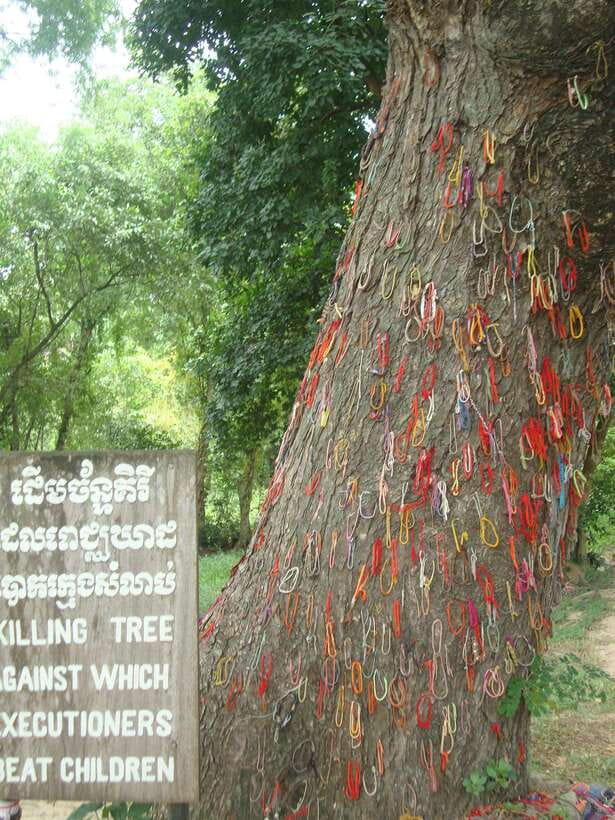
- Two linked sites, one guided story: Choeung Ek first, then S-21 at Tuol Sleng, so the timeline makes more sense.
- Private group experience: You’re not rushing with strangers, and your guide can slow down when you need it.
- Guides make or break the meaning: People remember the explanations most, especially guides such as Kim, Kin, Baboon, Sam, and Chudsta.
- Extra facts you don’t want to miss: the scale of the killings and how S-21 was used for detention, torture, and forced confessions.
- Entrance fees add up: plan for $3 per person at Choeung Ek and $5 per person at Tuol Sleng, on top of the tour price.
Choeung Ek Killing Fields: what you’re walking through, and why guidance matters
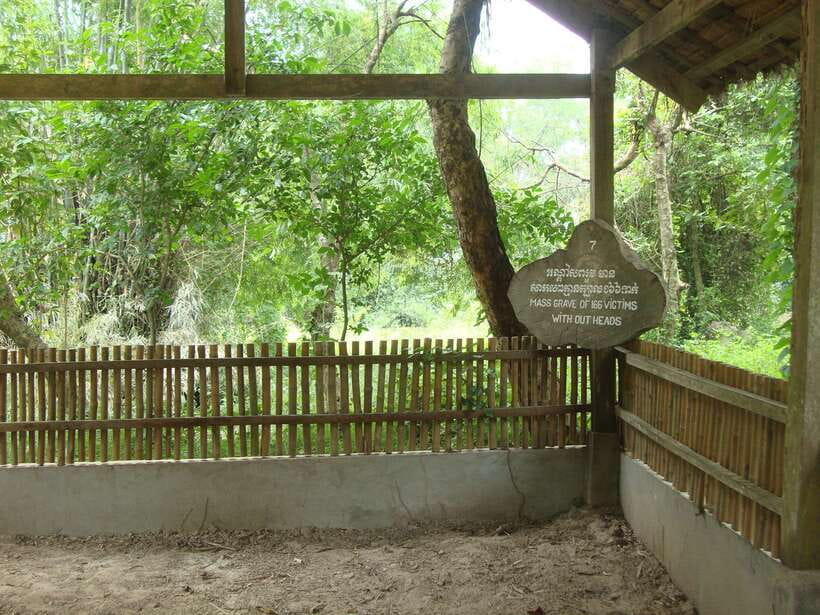
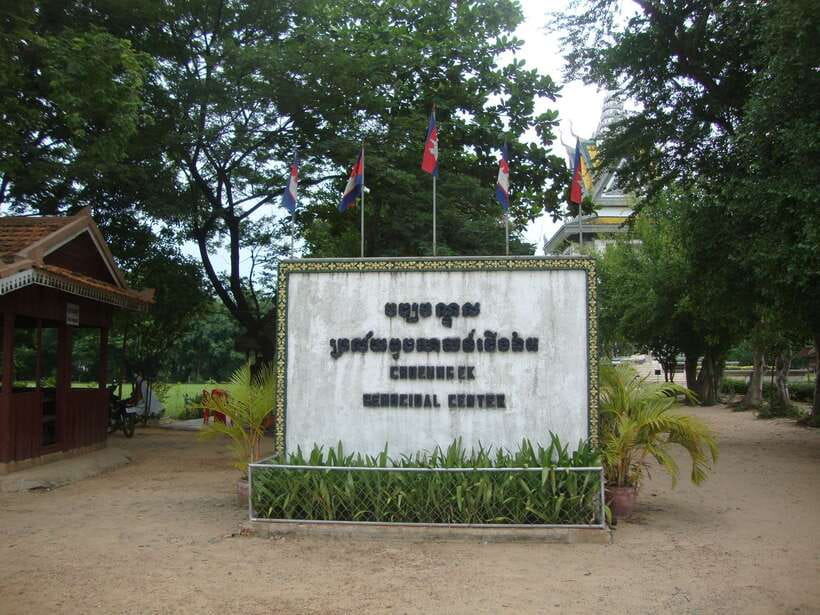
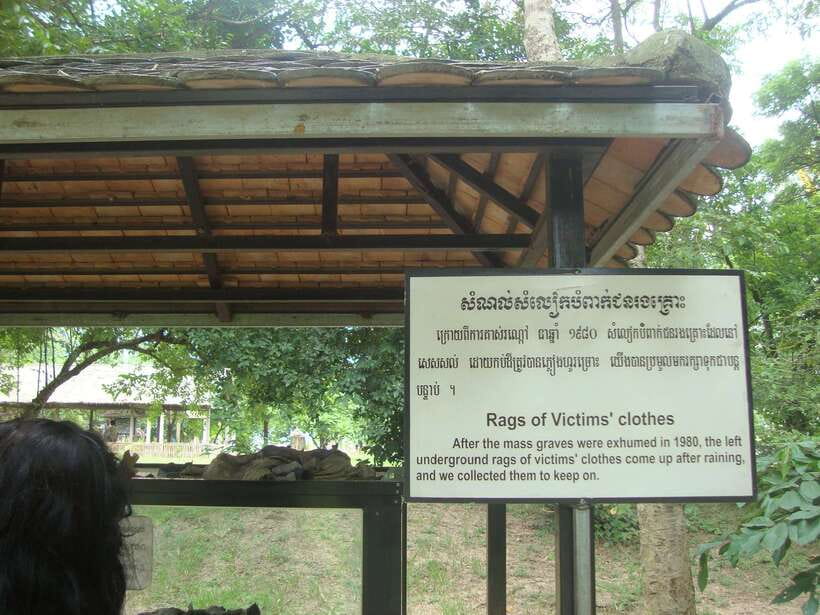
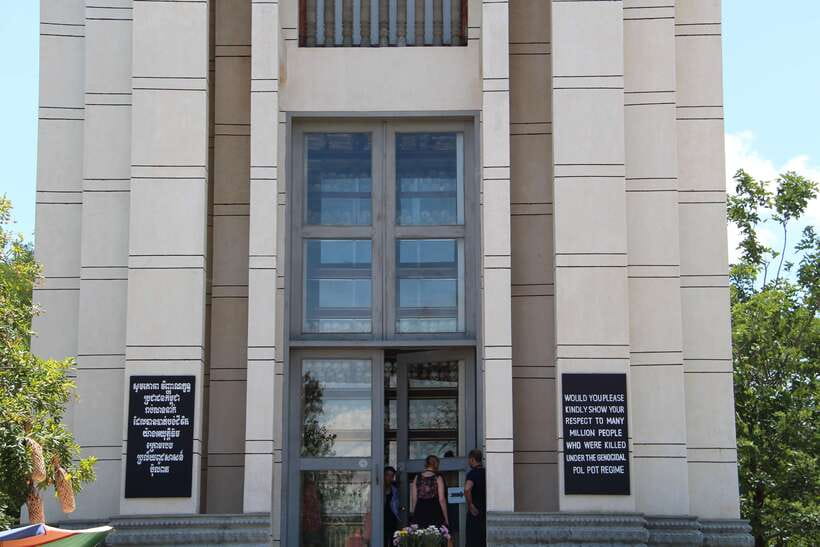
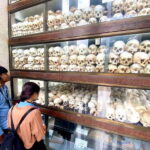
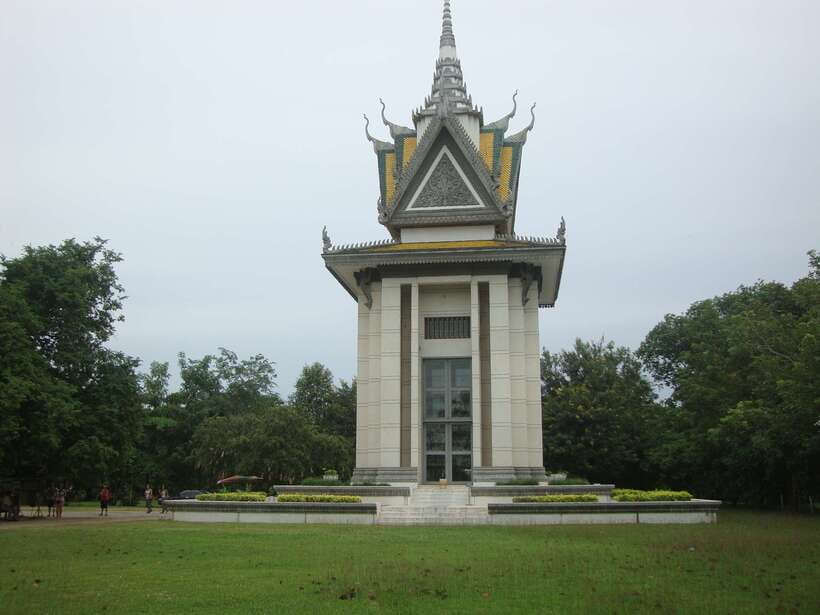
Choeung Ek is about 16 km south of Phnom Penh, and the ride sets the tone. This isn’t a quick photo stop. It’s a place where the ground carries memory—specifically, the final resting place for more than 17,000 men, women, children, and infants between 1975 and 1978, after the Khmer Rouge took power.
I like the order: you start here because it frames what comes next. At Choeung Ek, you’re not only looking at sites—you’re absorbing the reality of a system designed to erase human lives. The tour info also reminds you of the broader scale: estimates commonly place the Khmer Rouge’s death toll between 2 and 4 million Cambodians across 1975–1979. Even if those numbers already live in your head, seeing them placed in time and place helps your brain stop treating them as abstract history.
Here’s the practical part: at a site like this, pace matters more than speed. A good guide doesn’t just recite dates. They point out what you’re seeing, explain why it’s meaningful, and give you a moment to look without feeling like you’re on a treadmill. If you tend to get overwhelmed, you’ll likely appreciate that your guide can help you process what you’re taking in—especially when the explanations are clear and structured.
One thing to keep in mind: audio guides for the Killing Fields aren’t included. If you know you like audio narration, you might want to budget for it—or rely on your guide’s explanation. Either way, plan on your senses being hit first, then your understanding catching up.
You can also read our reviews of more tours and experiences in Phnom Penh
Tuol Sleng S-21 Museum: from a school to Security Prison 21
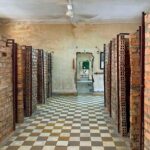
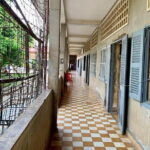
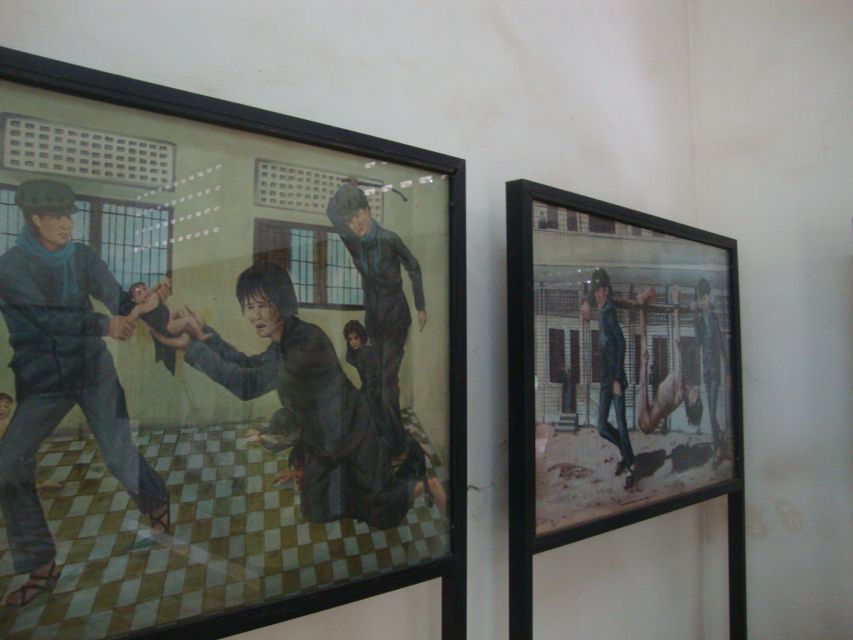
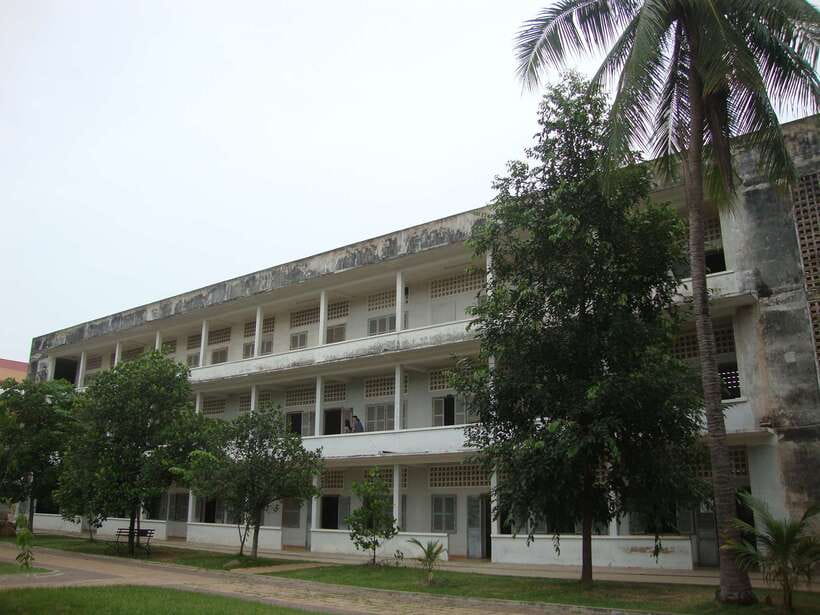
Then you move to Tuol Sleng, and the tone shifts in a way that’s almost harder to process. Tuol Svay Prey High School was taken over in 1975 by Pol Pot’s security forces and turned into Security Prison 21 (S-21). The museum explains how quickly it became the country’s largest center of detention and torture.
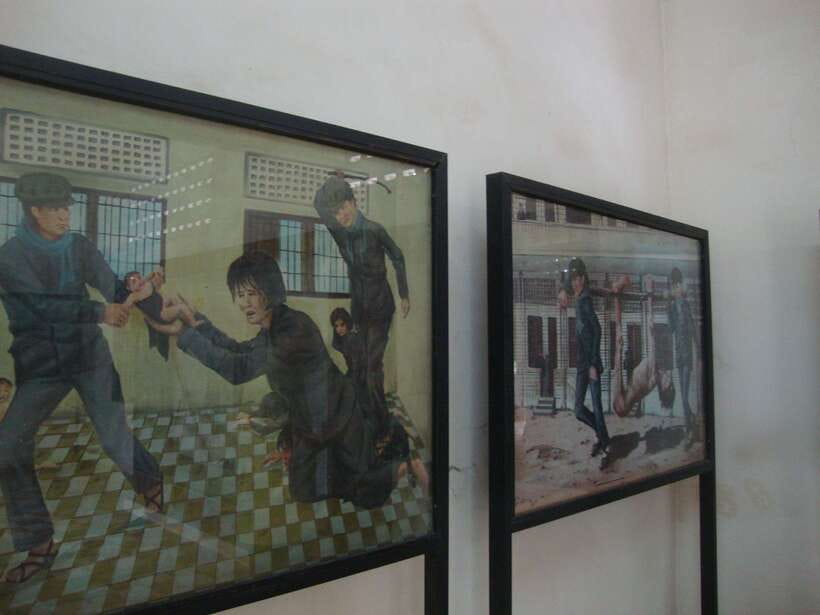
What you’ll notice in S-21 is how methodical the suffering was. The tour walk-through includes the idea that prisoners were repeatedly tortured and coerced into naming family members and close associates. Those names didn’t stay inside the building. People were arrested, brought to S-21, and then tortured and killed.
This is why your guide matters so much here. The site is emotionally heavy, but it also has details you can miss if you’re not guided—how the prison functioned, what the space was used for, and how the Khmer Rouge security apparatus worked. Your guide’s job is to help you connect the rooms and artifacts to the human system behind them.
Some people also talk about how guides help with emotional processing in real time. For example, one group shared that their guide acted as a translator for a special interaction involving survivors. That’s not something you should assume will happen every day, but it shows what the best guides try to do: not just explain the tragedy, but help you understand the people living beyond it.
Also, audio tours for S-21 aren’t included. Again, if you’re the type who wants narration while you walk, consider whether you’ll want to add audio separately. Otherwise, you may find you don’t need it, because a good guide can keep the flow coherent.
The 4-hour rhythm: how the timing keeps you from feeling rushed
This is a half-day tour that runs about 4 hours, and the schedule is built around a morning start. You’ll depart from your hotel around 8:00 AM, drive to Choeung Ek (roughly 16 km away), tour the Killing Fields, then continue to Tuol Sleng. Your tour ends at 12:00 PM, with a transfer back to your hotel.
That structure is practical for two reasons. First, you’re not trying to cram two major sites into an endless day. Second, the morning timing can help you avoid that feeling of getting mentally tired before you’ve really absorbed what you came to see.
In terms of emotional pacing, the guide’s presence is a bigger deal than most tours. On a self-guided visit, you might bounce between plaques, rooms, and timelines. With a guide, you get a guided sequence that makes the bigger picture easier to hold onto while you’re confronting difficult scenes.
And yes, it can feel like the day hits you all at once. That’s normal. If you’re the kind of person who likes breaks, ask your guide for small pauses as you go. On a private group, that’s usually easier than in a group bus scenario.
Private group value: what $116 actually buys you
The price is $116 per group for up to 2 people (check availability for starting times). That’s not a bargain price, but it’s not random either. You’re paying for three things that matter here:
- Transportation (hotel pickup included, plus driving between Phnom Penh and the sites).
- An English-speaking guide who explains what you’re seeing.
- The small comfort extras: a refreshment drink and cold towel.
Then add entrance fees on top: $3 per person for the Killing Fields and $5 per person for Tuol Sleng. Audio tours are also extra, since audio tours for both S-21 and the Killing Fields aren’t included.
So is it worth it? For many people, it is—because this isn’t just a sightseeing route. It’s a route through trauma tied to the Khmer Rouge era. The guide can turn “I saw a prison and a field” into “I understand how this system worked, and why these places matter.” People who do it privately often say the difference is getting more context and the ability to ask questions without feeling rushed.
Also, private tours tend to feel safer and smoother. One person noted that the private car felt luxurious and the air conditioning helped, but the bigger value was the personal pacing and space to look when needed.
If you’re traveling solo, compare your cost to a small-group option. If you want maximum control over pace and questions, private tends to win.
Your guide’s role in making S-21 and Choeung Ek land the right way
This tour is powered by your guide. And the reviews you shared highlight a very consistent theme: good guides balance facts with care.
Names that came up include Kim, Kin, Baboon, Sam, and Chudsta. People praised how these guides explained atrocities clearly, answered questions, and kept the visit reverent without rushing people through.
One review also described a guide’s personal way of helping visitors process the information—sharing personal experience alongside the historical facts. That kind of approach isn’t just “extra.” It can help you keep your footing emotionally while your brain is working overtime.
There was also a practical benefit mentioned: after the tour, one guide recommended a great nearby restaurant, made a reservation, and even introduced the visitor to the chef/owner. That’s the kind of local touch that makes a hard morning feel less like it ends in a blank space.
Here’s my advice: before you book, check that you feel comfortable with the idea of spending hours with a serious topic and actively listening. If you want facts, ask questions. If you want space, ask for that too. A private tour is where you can set the temperature of the experience.
What to expect emotionally (and how to prepare without trying to be brave)
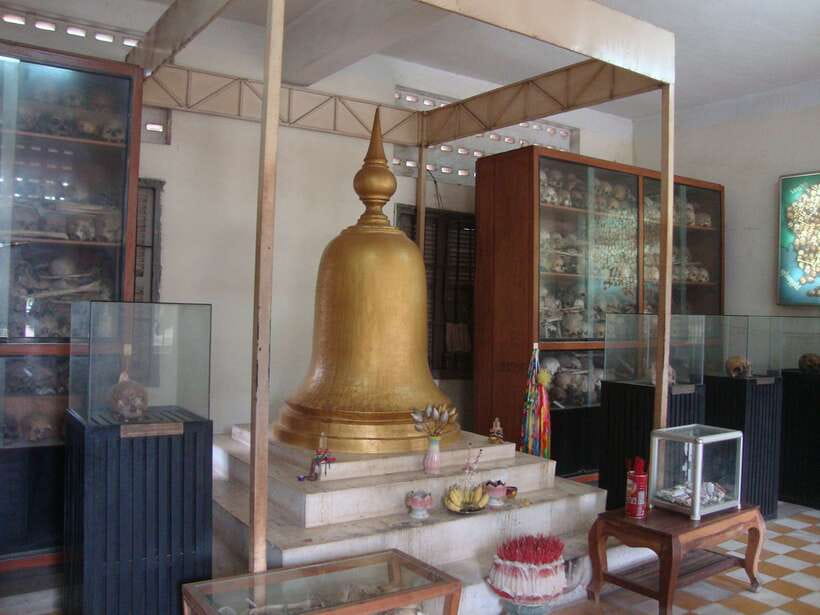
Let’s be blunt: this tour is confronting. You’re dealing with executions, mass deaths, detention, torture, forced confessions, and the Khmer Rouge’s impact on families. You should not plan this as a “quick history lesson.”
I’d prepare in three simple ways:
- Decide your intensity level beforehand. If you’re the type who freezes or gets overwhelmed in museums, know that this one can hit hard.
- Wear something comfortable. You’ll be standing, walking, and reading—sometimes in open outdoor areas.
- Plan your afternoon buffer. Don’t schedule something cheerful right after. Give yourself time to digest.
And about kids: the info you provided doesn’t state a firm age rule, but one guide mentioned that they brought children aged 12 and 13 and felt glad they did, while also acknowledging how tough it was. If you’re thinking about bringing younger teens, have a real conversation with them ahead of time, and be ready to leave early if you need to. This is the kind of learning that can’t be explained away with a snack.
Practical tips that make the day easier
A serious tour still needs logistics. Here are the practical things I’d plan around based on how this tour is run:
- Start with the early pickup mindset. The tour starts at 8:00 AM, and you’ll be leaving your hotel then. Set an alarm that doesn’t rely on willpower.
- Budget the entrance fees. Remember $3 per person and $5 per person.
- Bring a layer. Even in Cambodia, mornings can feel different depending on weather and shade.
- Use the guide’s pacing. If you need a moment, ask. Private groups make small adjustments easier.
- Consider audio only if you need it. Audio tours aren’t included for either site, so rely on your guide unless you specifically want audio narration.
Also, don’t underestimate the mental work. Your guide will cover history and explain what you’re looking at, but your brain still has to process the reality of it. Taking it slower is not a weakness—it’s how you actually learn.
Should you book the Phnom Penh S-21 and Killing Fields half-day tour?
If you want a guided, private half-day that connects Choeung Ek to Tuol Sleng (S-21) with clear context, I think it’s a strong booking. The structure makes sense, the guide is built in, and the added cost of privacy is often justified by better pacing and question time on a topic this heavy.
Book it if:
- You want an English-speaking guide to explain how the Khmer Rouge system worked.
- You’re ready for emotionally difficult sights and want the meaning, not just the locations.
- You like the idea of a private car pickup and a respectful morning schedule that ends by 12:00 PM.
Maybe skip or rethink it if:
- You’re looking for a casual sightseeing day.
- You’re likely to shut down under heavy, graphic historical content.
- You won’t have any mental space to recover afterward.
In short: this tour isn’t light, but it’s one of the most direct ways to understand why these places matter. If you go with the right expectations—and a guide who can talk you through it—it can be both devastating and clarifying.
FAQ
What time does the tour start and end?
The tour typically departs at 8:00 AM and ends around 12:00 PM. Starting times may vary, so check availability for the exact slot.
How long is the Phnom Penh S-21 and Killing Fields tour?
The duration is listed as 4 hours.
Is hotel pickup included?
Yes. Pickup from your hotel lobby is included, along with transportation for the drive between sites.
What’s included in the tour price?
Included are transportation, an English-speaking guide, and a refreshment drink and cold towel.
Are entrance fees included?
No. Entrance fees are extra: $3 per person for the Killing Fields and $5 per person for Tuol Sleng.
Can I cancel for a refund?
Yes. There’s free cancellation up to 24 hours in advance for a full refund.