REVIEW · PHNOM PENH
From Phnom Penh: Kampot and Kep Day Trip with English Guide
Book on GetYourGuide →Operated by Brother Transports Travels · Bookable on GetYourGuide
A perfect day for food lovers and slow wanderers. You’ll bounce between Kampot’s pepper world and Kep’s crab-and-seafood scene with an English guide keeping the day moving and making it make sense. You also get scenic breaks like the Kampot River walk and the coastal stops around Kep.
My favorite part is how much local flavor you taste and see in one shot—pepper on the farm and fresh crab at the market. The other big win is that pickup and transport are handled end to end from Phnom Penh, so you’re not spending your day figuring out connections.
One consideration: it’s a full day in Cambodia heat, and you’ll be on your feet for several stops. Bring comfortable shoes, plus hat and sunscreen, and don’t expect this to be a lazy beach day.
In This Review
- Key highlights worth your attention
- Kampot and Kep in one day: what the day feels like
- Price and logistics that actually affect your experience
- Salt Farm Coffee: a calm start with a local food-and-farm vibe
- Kampot’s pepper farm: where the flavor story becomes real
- Kampot River stroll + salt field time: scenery with meaning
- Kep Beach and Brateak Krola: quick coast hits with real photo payoff
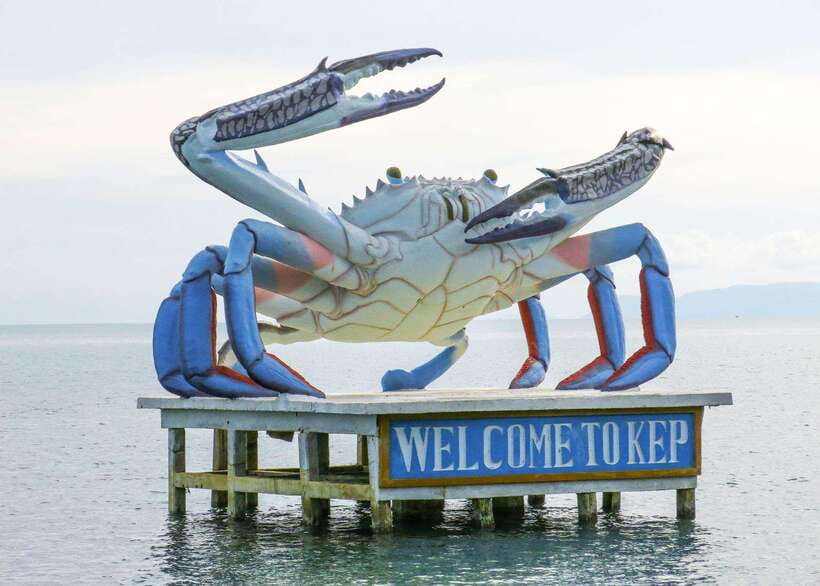
- Kep Crab Market: where lunch turns into a highlight
- Kep National Park area: Gulf views without the all-day grind
- La Plantation: a stop for visiting, shopping, and another look at the region
- English guide and transport: the human details that make or break the day
- What to bring (and what to skip) so the day stays pleasant
- Who should book this Kampot–Kep day trip
- The only real drawback: how much time you get in Kampot
- Should you book this tour?
- FAQ
- How long is the Phnom Penh to Kampot and Kep day trip?
- What’s the price per person?
- What’s included in the tour price?
- Are meals included?
- Where does pickup happen?
- Is it suitable for wheelchair users?
- What should I bring for the day?
Key highlights worth your attention

- English guide + private group: you get a human explanation of what you’re seeing, not just a checklist.
- Salt Farm Coffee (photo stop + visit): a quick, easy start that sets the tone for the day.
- Kampot pepper farm tasting: you’ll learn how the region’s pepper became a big deal and sample varieties.
- Kep Crab Market with a proper lunch break: time to eat where the action is, not far away.
- Kep coast stops + viewpoints: quick photo windows plus time around Kep’s National Park area for Gulf views.
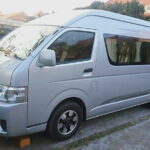
- Friendly drivers help on long roads: punctual pickup and smooth transport matter more than people think.
Kampot and Kep in one day: what the day feels like
This is a one-day route that strings together three themes: taste, views, and local places. You start in Phnom Penh, then head out toward Kampot’s countryside and river, and finish in Kep for coastal sights and seafood.
The pacing is about balance. You’re not doing long hikes all day, but you also won’t be sitting still the whole time. Think: short walking moments, photo stops, and a couple of real “this is the place” breaks—especially around pepper and crab.
You can also read our reviews of more guided tours in Phnom Penh

Price and logistics that actually affect your experience
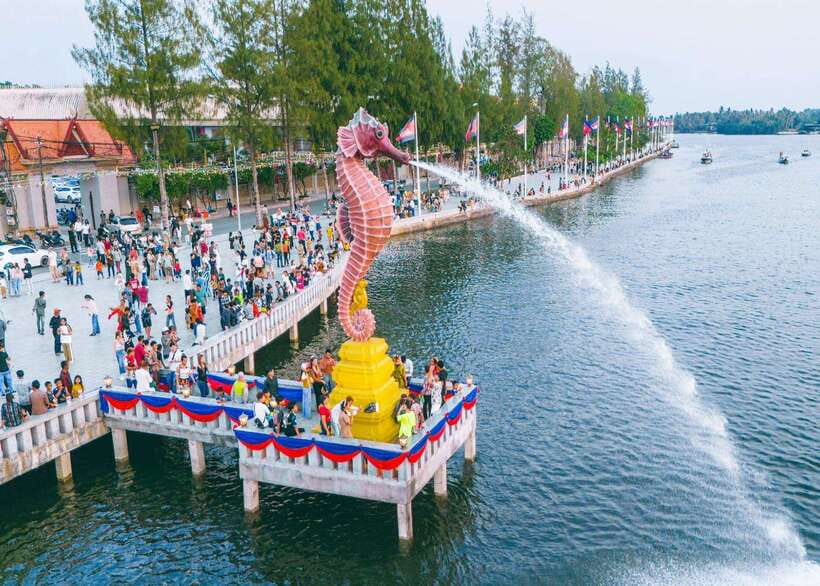
At $159 per person for about a full day, the value depends on what you want: this price buys you transportation, a dedicated English-speaking guide, and entrance fees to local sights. Meals aren’t included, so you’ll still budget for lunch and drinks when you get your break time.
Because it’s a private group, you avoid the stress of matching schedules with strangers and you can ask your guide questions without waiting for the group to catch up. You’ll also have someone organizing the day so you don’t lose time chasing directions between small stops.
Pick-up happens in Phnom Penh, and the driver arrives about 15 minutes early with a welcome sign board. That detail sounds small, but it reduces the “where are they?” headache that can spoil a day trip.
Salt Farm Coffee: a calm start with a local food-and-farm vibe
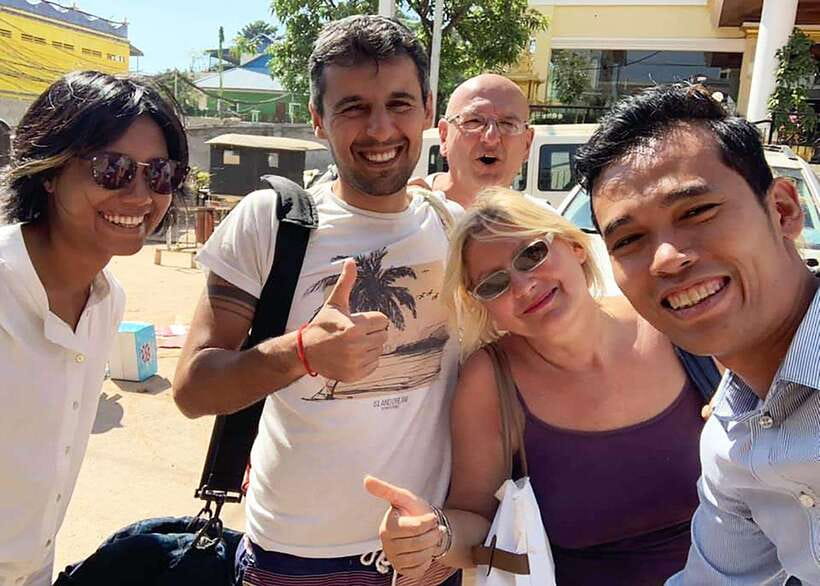
Your day begins with a Salt Farm Coffee stop, including a photo stop plus a visit and sightseeing (about 30 minutes). Even if you’re not ordering coffee, this kind of early stop works because it gets you out of Phnom Penh and into the rhythm of the countryside without rushing you.
Salt and coffee both connect to how people make a living here, and the timing is smart: you’re not sweaty and exhausted yet. If you do want to buy something, this is also where you can pick up a small treat before the day’s seafood and pepper plans.
Kampot’s pepper farm: where the flavor story becomes real
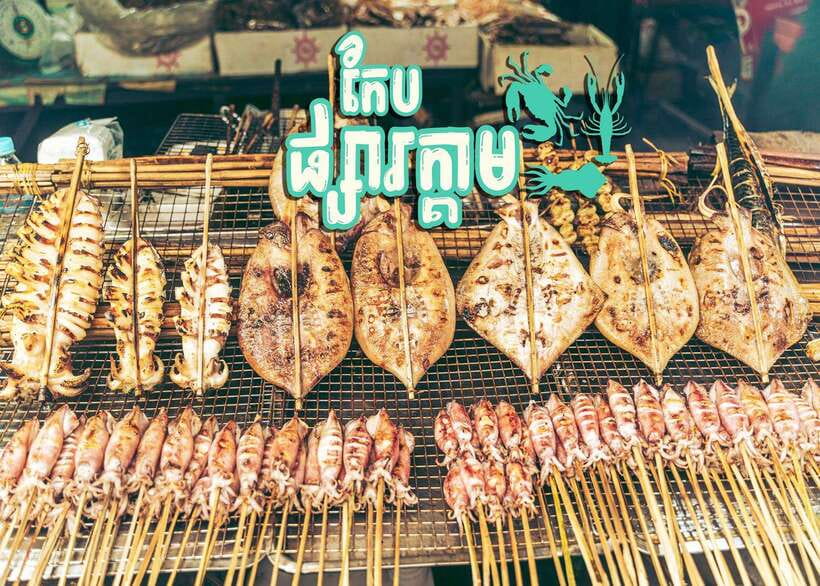
In Kampot, one of the most important stops is the pepper farm. This is where you learn why Kampot pepper earned world recognition and you get the chance to taste different varieties. That tasting part matters because pepper can feel like “pepper” until you’ve compared types side by side.
A good pepper farm visit usually teaches you more than just taste. You’ll hear context about how the growing region and farming approach influence what’s in your cup or on your plate. If you’ve ever bought pepper as a souvenir and wondered why it tasted stronger back home, this is where you’ll understand the difference.
I also like that this stop helps anchor the rest of the day. Once you’ve tasted pepper at the source, later shopping and meals feel more meaningful. You’re not just collecting items; you’re connecting them to what you saw.
Kampot River stroll + salt field time: scenery with meaning
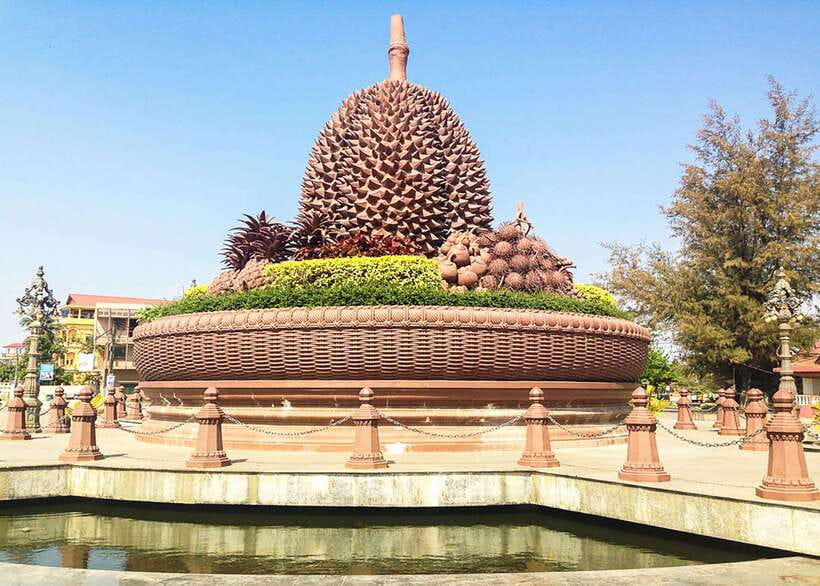
After the pepper, you’ll spend time around the Kampot River with a relaxing stroll and mountain views in the background. This is the kind of break that keeps the day from feeling like a sprint. It also gives you a chance to reset between the food stops.
You’ll also visit Kampot Salt Field. Salt fields may sound niche, but in Cambodia they’re part of local industry and daily life. Seeing the area helps you understand why salt shows up in regional flavors, local products, and even the way the day trip is organized from start to finish.
If you’re sensitive to heat, this is where you’ll feel it most—so take the shade when you can, and don’t treat photos as a stopwatch. The best views take a little time.
You can also read our reviews of more tours and experiences in Phnom Penh


Kep Beach and Brateak Krola: quick coast hits with real photo payoff
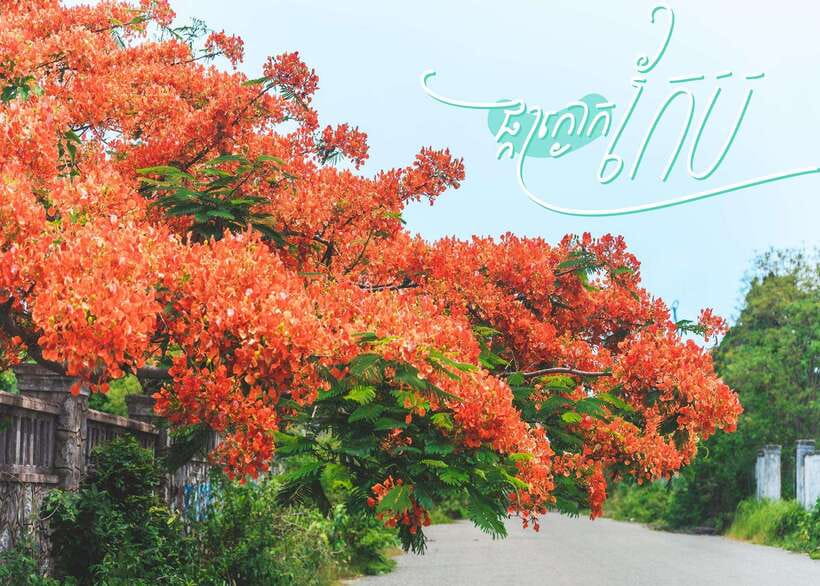
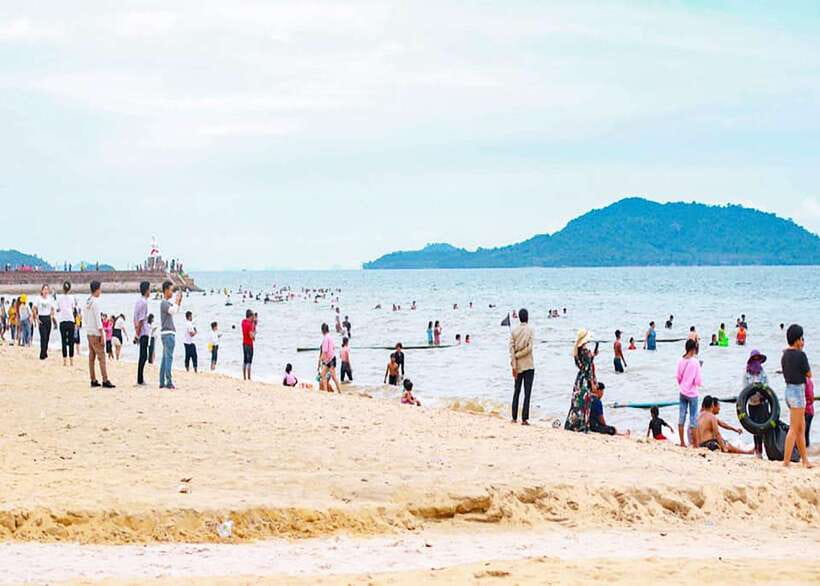
Moving toward Kep, you’ll stop at Kep Beach for about 30 minutes (photo stop plus sightseeing). This is a chance to get your bearings at the coast and enjoy the breeze if the road heat has been building.
Then there’s Brateak Krola, another short stop around 30 minutes with photo time and sightseeing. These quick viewpoints are useful because they show you what Kep looks like from angles you wouldn’t get if you were just passing through. You’re not lingering all day, but you’re also not missing the “you’re here” moments.
Tip: if it’s sunny, keep your hat on early. Waiting until you’re already squinting is how you end up in “photo penalty mode.”
Kep Crab Market: where lunch turns into a highlight
The Kep Crab Market is the heart of the coastal food stop. You’ll have a photo stop there, then later you’ll get a break time with a lunch window of about 1 hour.
Because meals aren’t included in the tour price, you’ll be paying for lunch yourself. But the value is that you’re choosing where locals (and seafood lovers) go—right at the market. You’ll also have time to sample fresh crab and other local delicacies, which is the kind of experience that’s hard to replicate if you wander on your own without a plan.
What I like about this structure is that it gives you flexibility. If you want crab, go for it. If you want to try a mix of smaller dishes, you can do that too. The guide can help you navigate what to order during that lunch hour, which saves time when menus are moving fast.
Kep National Park area: Gulf views without the all-day grind

Kep is closely tied to sea views, and part of your day includes the Kep National Park area. You’ll have trails with views over the Gulf of Thailand and nearby islands. This isn’t described as a marathon hike, so it works well for visitors who want nature scenery without committing to a half-day trek.
Still, wear shoes you can walk in comfortably. Even short trails can be uneven, and when you’re tired, that’s when trips go wrong. If you’re traveling with someone who gets winded easily, keep your pace slow and take the viewpoints as you find them.
If you get a clear sky, this is one of the most satisfying stretches of the day—because it pulls you away from markets and food stops and lets your eyes rest.
La Plantation: a stop for visiting, shopping, and another look at the region
Later in the day you’ll visit La Plantation for about 1 hour, with time for photo stops, sightseeing, and shopping. The length here suggests you’re not just passing through—you can browse at a comfortable pace.
What you’ll find depends on what they’re selling at the time, but plan on using this hour to pick up small souvenirs tied to the region. If you’re pepper-focused, this is where that “source-to-souvenir” idea can click. If you’re more coffee- or farm-product oriented, you’ll likely like having a shopping window after you’ve seen the countryside side of things.
In a day trip like this, an hour is a sweet spot. Long enough to make a choice, short enough that you still arrive back in Phnom Penh without feeling like you’re trapped.
English guide and transport: the human details that make or break the day
This trip leans heavily on the guide doing the connecting work. An English-speaking guide helps you understand what you’re seeing—pepper farms, salt fields, market culture, and the reasons behind the region’s food reputation.
Two names from real experiences stand out for me as proof of why this matters. Mr. Sok San is mentioned as the driver in one of the excellent experiences, and guide Kimsung is praised for being friendly and making the journey enjoyable.
You should care about that because day trips fail when the route feels confusing or the timing gets messy. Here, you’ve got private-group structure and transport with early arrival for pickup, plus entrance fees handled, plus the chance to skip the ticket line.
It also helps that the day includes plenty of short stops rather than one long, silent ride. That structure gives your guide opportunities to talk, and it gives you chances to stretch your legs.
What to bring (and what to skip) so the day stays pleasant
You’ll be outside on and off all day, so pack like it’s a warm, active day. The basics are clear:
- Comfortable shoes
- Hat
- Sunscreen
- Camera
- Water
Also note the rules: no smoking, and no alcohol or drugs. If you’re the type who likes to sip a beer on vacation, save it for your return evening.
And don’t underestimate hydration. Even if you’re not hiking hard, stops like river walks and viewpoints add up. Bring your water and use it.
Who should book this Kampot–Kep day trip
This tour fits best if you want a practical sampler of the region: pepper, salt, crab, coast views, and a guide who can translate the meaning behind each stop.
You’ll probably enjoy it if you:
- Like food experiences you can trace back to where it comes from
- Want short scenic walks instead of long treks
- Appreciate an English guide on topics like pepper and local farming
It’s also worth a heads-up for safety and comfort. It’s not suitable for wheelchair users, and it’s also not suitable for people with altitude sickness. If you’re sensitive to uneven walking or heat, plan accordingly and take slow breaks.
The only real drawback: how much time you get in Kampot
One consideration is that the day is structured to hit both Kampot and Kep hard, which can mean Kampot time is more focused than you might expect if you’re hoping for extra wandering in town. You’ll see the big items—river scenery and pepper farming—but the schedule is built to prevent Kep from getting shortchanged.
If you’re the type who could spend all day in Kampot’s streets and riverside corners, you might feel the day is “tight.” For most people, though, that’s also the charm: you get the highlights without needing to rearrange your whole trip.
Should you book this tour?
I’d book it if you want a well-run day trip that mixes food and views and saves you from planning the route. The private group setup, English guide, and the fact that transport and entrance fees are covered give you a strong “less hassle, more doing” value.
I’d think twice if your travel style is mostly about long, unstructured time in one place. This tour is designed to move—pepper farm, salt-related stops, river scenery, then crab and coast in Kep. If you accept that pacing, you’ll likely come away happy and full.
FAQ
How long is the Phnom Penh to Kampot and Kep day trip?
It’s a one-day tour.
What’s the price per person?
The price is $159 per person.
What’s included in the tour price?
You get an English-speaking guide, round-trip transport from Phnom Penh to Kampot and Kep, and entrance fees to local attractions.
Are meals included?
Meals are not included. Lunch is given as a break time, but you’ll pay for what you eat.
Where does pickup happen?
Pickup is included from Phnom Penh.
Is it suitable for wheelchair users?
No, it’s not suitable for wheelchair users.
What should I bring for the day?
Bring comfortable shoes, a hat, sunscreen, a camera, and water.