REVIEW · PHNOM PENH
Full-Day Discover Oudong Mountain-Former Capital City & Phnom Penh City Tours
Book on Viator →Operated by Royal Phnom Penh Tours · Bookable on Viator
Oudong feels like Cambodia’s past in 7 hours. This private outing pairs Oudong Mountain (former royal capital ground above the plains) with a focused Phnom Penh sweep of the city’s top temples and monuments. I like how the day is built around movement and meaning: you climb, look out over the country, then shift into the ceremonial heart of the capital with Wat Phnom, the Royal Palace, and the Silver Pagoda area.
Two things make this tour especially worth your time. First, Oudong is not just one viewpoint—it’s a whole hill complex with stupas, shrines, and temple areas that show how religion and politics have changed over the decades. Second, the Phnom Penh portion is paced like a tour, not a race, so you actually get context at Wat Phnom and time inside the palace compound.
One possible drawback: the Oudong stops include a stair climb, and the day runs long (about 7–8 hours). Also, lunch isn’t clearly included, so you’ll want to plan for food breaks on your own.
In This Review
- The Day at a Glance (key highlights)
- From Old Royal Capital to Modern Phnom Penh in one arc
- Oudong Mountain and Phnom Udong: views plus the religious layer
- What makes this stop worth your time
- What to consider
- Preah Sakyamoni Chedi and Oudong Temple: shrines, damage, and recovery
- What to look for while you’re there
- Phnom Penh’s first hits: Wat Phnom and Independence Monument
- A practical tip for you
- Royal Palace and Silver Pagoda: the ceremonial core
- What you’ll get from this pairing
- Consideration
- The included perks that make the day easier (and better value)
- Heat, walking, and what to pack for this day
- Who should book this Oudong and Phnom Penh private tour
- Booking verdict: should you take this tour?
- FAQ
- How long is the full-day Oudong and Phnom Penh tour?
- Do I get hotel pickup and drop-off?
- Is the tour private?
- Are entrance fees included?
- Is lunch included in the price?
- What’s included during the trip for comfort?
- Does the tour require good weather?
- What is the cancellation policy?
The Day at a Glance (key highlights)
- Oudong Mountain’s hilltop complexes with historic stupas and relic housing areas
- Phnom Udong stairs and viewpoints that help you understand how Oudong ruled the plains
- Preah Sakyamoni Chedi shrines tied to Buddhist worship and the impact of 1977 destruction
- Wat Phnom + Independence Monument for Phnom Penh’s origin story and national symbolism
- Royal Palace + Silver Pagoda grounds in one efficient, guided block
- Private AC transport with hotel pickup/drop-off, plus entrance fees and bottled water
From Old Royal Capital to Modern Phnom Penh in one arc
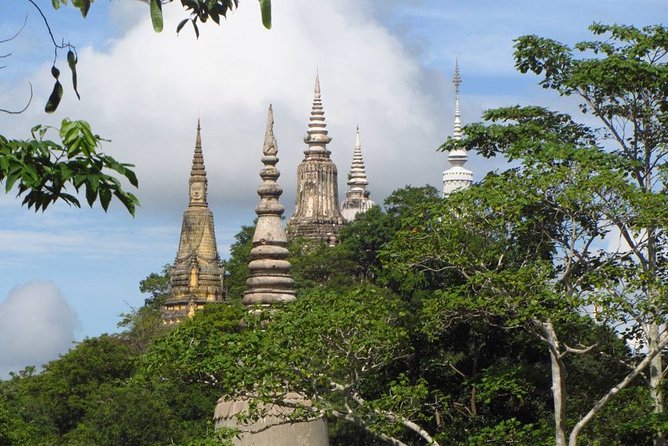
This is the kind of day tour that works because it has a clear story line. You start outside the capital, on a sacred hill tied to royal power and Buddhist tradition. Then you return to Phnom Penh for major monuments that show how the city gained its identity as the national center.
What I like for your planning: you’re not stuck bouncing between random stops. The route is built around a logical contrast—country hill sacred sites first, then central-city ceremonial landmarks after.
And yes, it’s a long day. But the timing matters. One praised detail from previous groups: starting Oudong early helps you get through the hill portion before the hottest stretch of the day settles in.
You can also read our reviews of more city tours in Phnom Penh
Oudong Mountain and Phnom Udong: views plus the religious layer
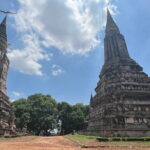
Oudong Mountain is the anchor of the day. You’ll spend time at the hill complex that includes a newer stupa built in 2002 by King Norodom Sihanouk. That kind of detail matters because it shows the site isn’t frozen in time—you’ll see how modern Cambodia still frames Buddhism on older ground.
Then comes Phnom Udong, where you climb stairs to reach the top. This is where the tour becomes more than sightseeing. The viewpoints over the plains help you understand why a hilltop capital made sense: control, visibility, and spiritual importance all in one place. Your guide should connect the physical climb with the religious and cultural purpose of the area, so you’re not just counting steps.
A practical note for you: the stair section is short enough for many people, but it’s still a climb. If you’re sensitive to heat or you prefer slower walking, bring water planning seriously. The tour does include bottled water, and you’ll also get a hand cold towel during the trip, which helps during Phnom Penh-level humidity later in the day.
What makes this stop worth your time
- You get a full hill-top feel, not just a quick look.
- The newer stupa detail (built in 2002) gives a timeline anchor.
- The viewpoint makes the history easier to grasp because you can see the surroundings.
What to consider
- If stairs are a dealbreaker, this is the portion to think about first.
Preah Sakyamoni Chedi and Oudong Temple: shrines, damage, and recovery
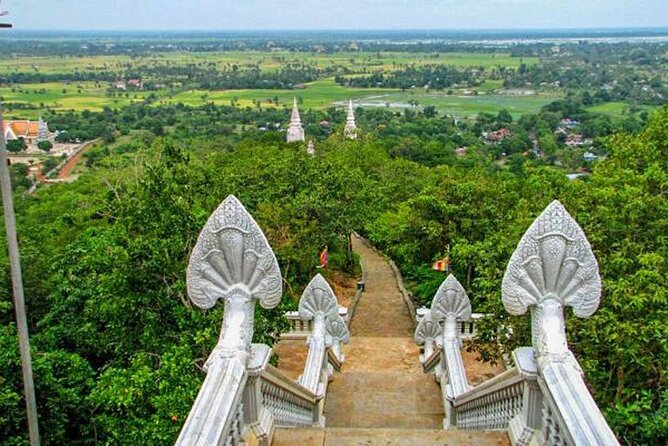
After the main mountain views, the tour shifts into the slope and temple areas. Preah Sakyamoni Chedi is a highlight because it focuses on shrines and Buddha statues on the sacred hill. The important context here is the site’s 1977 suffering: many elements were severely damaged or destroyed during the Khmer Rouge period, and later restoration and religious use became part of the story again.
Why this matters for you: Cambodia’s historic sites can feel like they’re only about the distant past. This stop shows that the present includes remembrance—how worship spaces respond after major trauma, and how religious meaning continues.
Next is Oudong Temple at the mountain base area. Here you’ll transition from hilltop sanctuaries down to the ground-level experience. The tour description points to picnic huts clustered at the base. That’s not just a food note—it changes the mood. On weekends especially, you might find more activity in this area, so plan to treat it as a chance to pause, reset, and use the last stretch of energy before Phnom Penh.
You can also read our reviews of more tours and experiences in Phnom Penh
What to look for while you’re there
- The shift from panoramic views to close-up shrines
- The contrast between newer features and areas tied to historical destruction
- The general feel of temple grounds at base level versus the hilltop
Phnom Penh’s first hits: Wat Phnom and Independence Monument
Once you head back toward the city, you’ll feel the day change from rural hill terrain to urban symbolism. Wat Phnom is a strong starting point because it’s tied directly to Phnom Penh’s name and identity. It sits on an artificial hill about 27 meters tall near the Tonle Sap River in the northeast section of the city.
What I like here is the tour pace. You get a focused visit instead of scattering time across ten sites. Wat Phnom is a good “orientation” stop: you understand where the city places its spiritual center, then you move toward national monuments.
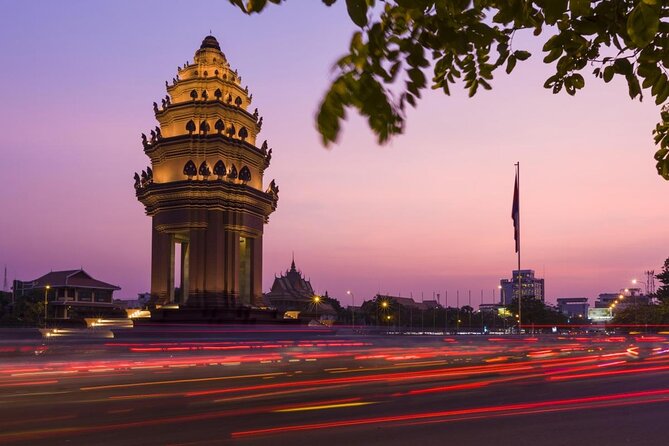
After that, Independence Monument gives you a different kind of learning. It’s described as Angkorian style and located in the heart of Phnom Penh. Built in 1958 to mark Cambodia’s Independence Day, it connects national pride to a visual style associated with earlier Cambodian greatness. You won’t need a history degree; your guide can translate the monument’s story into something you can remember later.
A practical tip for you
Wear something you can handle for both temple walking and city heat. Phnom Penh can feel relentless, so your goal is comfort, not outfit perfection.
Royal Palace and Silver Pagoda: the ceremonial core
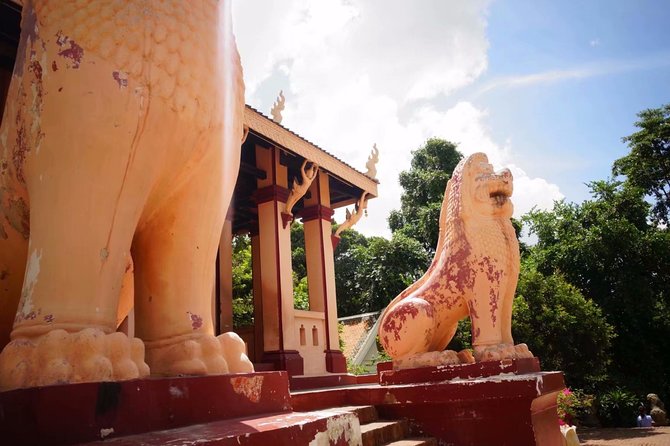
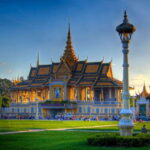
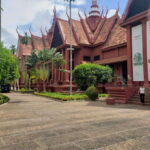
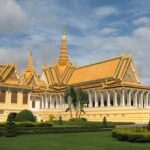
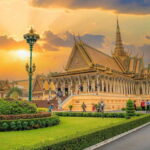
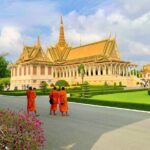
This is the part of the day where Phnom Penh looks and feels like a capital. The Royal Palace is constructed over a century ago and served as the residence of the King of Cambodia, his family, and foreign dignitaries. It also functions as a venue for court ceremony performances.
Even if you’re not deep into court rituals, the palace compound gives you a strong sense of how power and ceremony were built into space. It’s a key stop because it’s more formal than the temple areas. You tend to notice details: courtyards, ceremonial layouts, and the way the grounds are organized for official use.
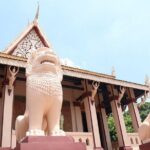
Right next door is the Silver Pagoda, within the same larger walled compound, separated by a walkway. The tour information includes its proper name: Wat Preah Keo Morokat. The fact that it’s paired with the palace makes the experience efficient. You don’t have to guess what connects these two. A guide can explain how the palace compound and pagoda worship spaces work together in the city’s religious-government story.
What you’ll get from this pairing
- A shift from general temple spirituality to state-level ceremonial Cambodia
- A clear sense of how the palace area is organized
- Enough time to actually look around rather than just pass through
Consideration
Royal Palace grounds can feel strict about behavior and rules. Dress and manners matter at most palace sites. The tour includes entrance fees, but it doesn’t override site rules, so plan clothing that’s respectful and practical.
The included perks that make the day easier (and better value)
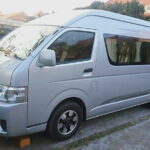
Let’s talk money and what you get for it. The price is $100.52 per person for a private tour lasting about 7–8 hours, with hotel pickup and drop-off, a private English-speaking guide, and private comfortable AC transportation.
Crucially, entrance fees are included for the stops in the program. That removes a common pain point in Cambodia touring, where costs can add up quickly if you’re buying tickets at each site. You’re also given cold bottled water during the trip and a hand cold towel, which sounds small until the heat hits.
There’s also a mobile ticket option, which is handy if you prefer less paper clutter.
One more detail: the tour notes group discounts and also describes itself as private, meaning only your group participates. That can be a good value play if you’re traveling with someone you trust to share decisions and pace.
Heat, walking, and what to pack for this day
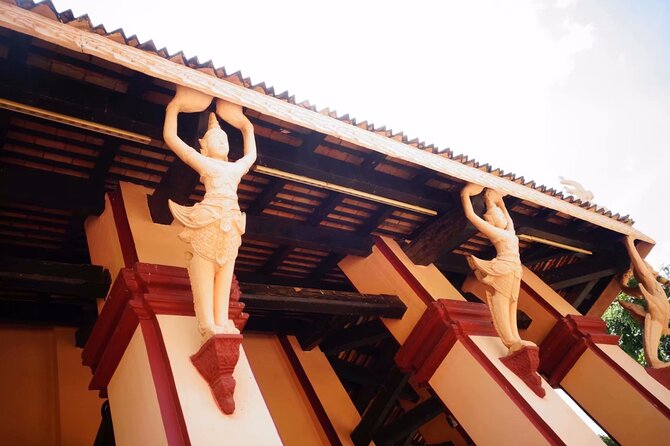
This is a day tour built around outdoor time on hills and city temple grounds. That means weather can be a real factor, and you should pack like the day is “sun + stairs + walking.”
Based on the tour design and what guides are praised for, the operation seems to manage timing well: one praised experience started with Oudong first thing in the morning, and another highlighted an easy-to-climb path at Oudong Mountain with a guide who adjusted for hot weather conditions.
What you can do to match that comfort:
- Bring water (you’ll get it, but extra never hurts)
- Wear breathable clothing and shoes you can walk in on uneven surfaces
- Bring a hat or cap and sunscreen
- Consider light layers for indoor air-conditioning in the vehicle
And remember: lunch and drinks are not clearly mentioned. If you get hungry quickly, you’ll want a plan for snacks or a meal during gaps in the day.
Who should book this Oudong and Phnom Penh private tour
This works best if you want two things in one day:
1) Oudong Mountain as a hilltop historic and religious experience
2) The best-known Phnom Penh landmarks without spending your time figuring out transport, tickets, and timing
It’s also a good fit for couples, friends, or small groups who like the freedom of private guiding. Having your own private English-speaking guide matters here because the value is in the explanations—why these places look the way they do, and how the religious story connects to Cambodia’s larger national story.
It may not be the best choice if:
- You dislike stair climbing or you need very slow walking
- You want a day with a guaranteed lunch stop built into the price
- You prefer fewer stops and more free time to wander on your own
Booking verdict: should you take this tour?
I’d book this tour if your goal is a well-paced, guided day that links Oudong’s hilltop heritage to Phnom Penh’s ceremonial center. The biggest value points for me are the entrance fees included, the AC private transport, and the fact that the day is organized around meaningful clusters: Oudong sites first, then Wat Phnom and the Royal Palace complex.
If you’re sensitive to heat or stairs, treat Oudong Mountain as the main decision point. Plan clothing and comfort for that climb, and don’t count on lunch being included.
Lastly, ask about guide pacing when you book. Past named guides in this operation—like Sam Ang at the Royal Palace and Silver Pagoda area, and Suyhong around the Oudong Mountain portion—have been praised for adjusting the day to the conditions, including heat.
If that kind of guidance style sounds good to you, this is a strong way to spend your one day in Phnom Penh without missing the key sights.
FAQ
How long is the full-day Oudong and Phnom Penh tour?
It runs about 7 to 8 hours.
Do I get hotel pickup and drop-off?
Yes. Hotel pickup and drop-off are included.
Is the tour private?
Yes. It’s a private tour/activity, and only your group will participate.
Are entrance fees included?
Yes. Entrance fees are included for the stops in the program.
Is lunch included in the price?
Lunch and drinks are not clearly mentioned as included.
What’s included during the trip for comfort?
You’ll get private comfortable/AC transportation, a private English-speaking guide, cold bottled water, and a hand cold towel.
Does the tour require good weather?
Yes. The experience requires good weather. If it’s canceled due to poor weather, you’ll be offered a different date or a full refund.
What is the cancellation policy?
Free cancellation is available up to 24 hours in advance for a full refund. If you cancel less than 24 hours before the start time, the amount paid is not refunded.