REVIEW · PHNOM PENH
Phnom Penh: City & Silk Island Haft Day or Full Day Tour
Book on GetYourGuide →Operated by Vespa Backstreet · Bookable on GetYourGuide
Two Phnom Penh vibes in one trip.
This Phnom Penh city + Silk Island tour mixes big landmark sights with quieter countryside culture, all tied together by tuk tuk rides and a ferry crossing. You’ll see major temple-and-museum highlights, then switch gears to watch how silk and dried tofu skin are made on the island.
I love the way the morning portion gives you clear context fast, especially at the Royal Palace and the National Museum. I also like the craft focus on Silk Island, where you’re not just looking, you’re learning the steps behind Cambodia’s traditions.
One consideration: the headline $15 price is a great start, but several top stops charge extra entry fees, and lunch isn’t included.
In This Review
- Key points to know before you go
- How the tour blends a city morning with an island afternoon
- Royal Palace and Silver Pagoda: where Phnom Penh flexes its history
- National Museum of Cambodia: Khmer art made easier to understand
- Independence Monument and Central Market: quick photos, real city texture
- Wat Phnom: the hilltop pause that feels communal
- Golden temple and Koh Oknha Tei: extra stops on the longer day
- Ferry to Silk Island: countryside views with fewer distractions
- Silk weaving on Silk Island: craft you can actually picture
- Dried tofu skin: the family business stop that adds variety
- Getting around, timing, and what you’ll pay in real life
- What to bring and how to make the day feel easy
- Guides and group feel: why it matters on this kind of day
- Who this tour suits best
- Should you book the Phnom Penh city and Silk Island tour?
- FAQ
- What time does the morning Phnom Penh city tour start?
- What time does the afternoon Silk Island tour start?
- Is the ferry to Silk Island included?
- Is lunch included?
- Do I need to pay entrance fees at major Phnom Penh sites?
- What’s included in the tour price?
- What should I bring?
Key points to know before you go
- Royal Palace + Silver Pagoda: iconic grounds plus a quick lesson in what you’re seeing
- National Museum of Cambodia: Khmer art and sculpture in a traditional terracotta setting
- Wat Phnom: you’ll pause at a hilltop temple where locals and foreigners pray together
- Silk Island by ferry: countryside views, farming life, and market stops along the way
- Family craft stops: silk weaving and dried tofu skin production, explained by artisans
- Simple timing: morning ends around 12:30, afternoon returns around 6:30
How the tour blends a city morning with an island afternoon
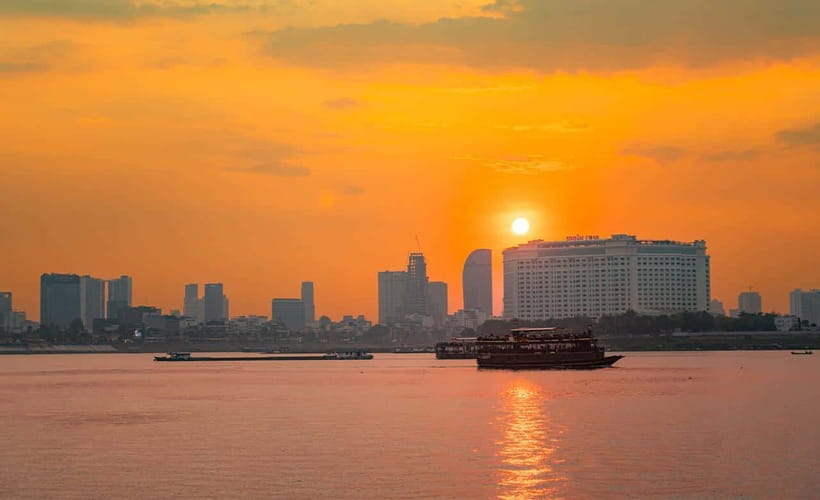
This is one of those smart Phnom Penh pairings: temples and museums in the morning, then real local life on an island in the afternoon. You can do the shorter morning city loop, the afternoon Silk Island outing, or the longer full-day mix (with more breaks and extra stops along the route).
The schedule keeps things moving without feeling like a sprint. Morning pickup starts at 8:00am, and you’ll be back to your hotel around 12:30pm. The afternoon pickup is 2:30pm, and you’ll return around 6:30pm.
You can also read our reviews of more city tours in Phnom Penh

Royal Palace and Silver Pagoda: where Phnom Penh flexes its history
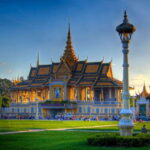
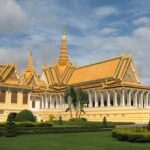
Your day starts with a guided visit at the Royal Palace area for about 1.5 hours. This is one of the easiest places to get your bearings in Phnom Penh, because it’s visually strong and emotionally clear—royal Cambodia in stone, tile, and ornament.
You’ll also visit Silver Pagoda, famous for its floor of silver tiles and for housing national treasures. Even if you’re not the type to remember every artifact name, you’ll walk away with a better sense of what the palace complex represents and why it matters.
Practical note: plan for sun. Bring sunglasses and sunscreen as the tour asks, because temple days in Phnom Penh can feel hot even when you’re only outside between buildings.
National Museum of Cambodia: Khmer art made easier to understand

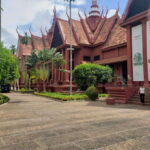
Next up, you’ll head to the National Museum for about 1 hour. The museum is known for Khmer art and sculpture, and the building itself is traditional and terracotta-toned—so it feels like part of the culture, not just a container for objects.
A good guide matters here, because they help you connect what you’re seeing to Cambodia’s story, from the Angkorian period through more modern times. This stop is also a nice pace break after the palace grounds, since you’re moving through displays rather than navigating outdoor courtyards.
If you only pick one “museum moment” in Phnom Penh, this is a strong choice. It’s focused, guided, and timed well inside the overall tour.
Independence Monument and Central Market: quick photos, real city texture
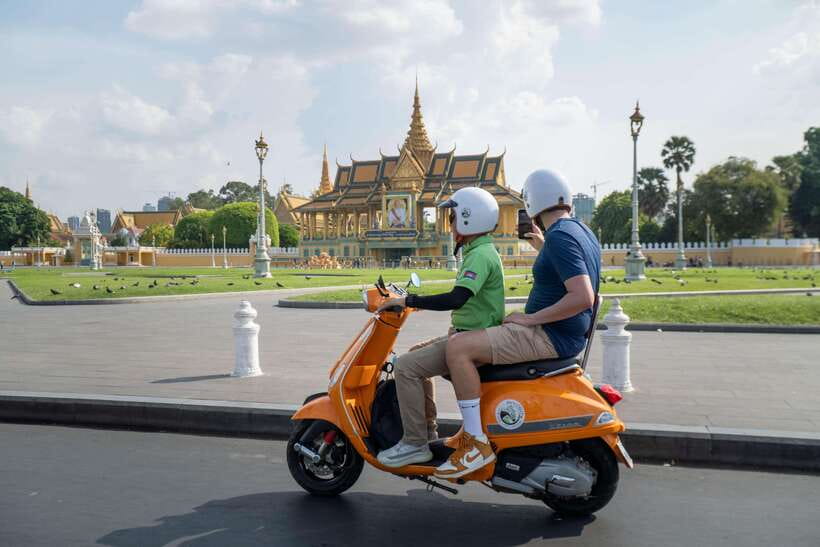
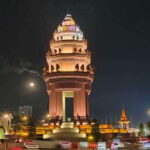
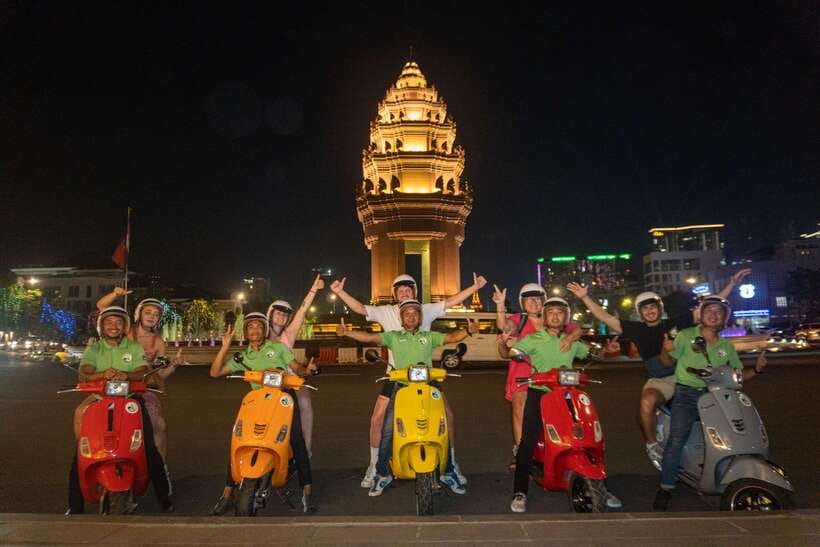
After the palace and museum, you’ll pass the Independence Monument for a photo stop and guided context (about 30 minutes). It’s a compact stop, but it helps you understand Cambodia’s modern identity beyond the older Khmer kingdoms.
Then you reach Central Market (Phsar Thmey) for about 1 hour of photo stops and guided exploration. This is one of Phnom Penh’s most recognizable landmarks, built during the French colonial period with a distinctive Art Deco look. That contrast—French-era architecture inside today’s market life—makes it a useful stop if you like seeing layers of a city.
One tip: wear comfy shoes. Even when it’s not a long walk, markets involve uneven ground, people moving in every direction, and plenty of stalls to pause at.
Wat Phnom: the hilltop pause that feels communal
Wat Phnom is where your tour turns more reflective. It’s on a hilltop temple that gave Phnom Penh its name, and the guided visit lasts about 1 hour.
The payoff here is atmosphere. You’re not just sightseeing a monument; you’re observing the kind of daily spirituality where locals and foreigners both come to pray for good luck. A good guide will also tell you the legend of Lady Penh, which anchors why the temple exists beyond its physical beauty.
If you prefer slower moments during a tour, this is your best “exhale stop.”
You can also read our reviews of more tours and experiences in Phnom Penh


Golden temple and Koh Oknha Tei: extra stops on the longer day
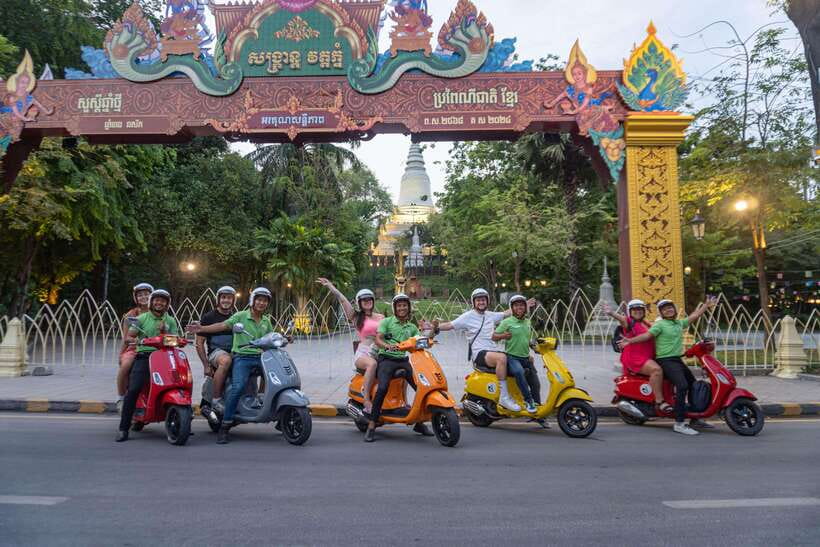
On the longer full-day version, the itinerary adds a few more places that function like breaks—some guided, some photo-focused, some snack-focused. You’ll spend time around:
- Golden temple: about 45 minutes, with photo stops and a guided visit
- Koh Oknha Tei Market: about 45 minutes, with a break time plus photos and guided visiting
- Koh Oknha Tei: about 1.5 hours, including local snacks
Not every Cambodia itinerary is built around local food and smaller neighborhoods, so these stops help the day feel more like living in the city for a while. The local-snack time is especially practical: it keeps you from running on empty between the Phnom Penh sights and the island portion.
Because the tour description doesn’t spell out exact menu items, I’d treat this as an opportunity to try what’s available that day rather than hunting for specific dishes. Your guide should point you toward good options.
Ferry to Silk Island: countryside views with fewer distractions
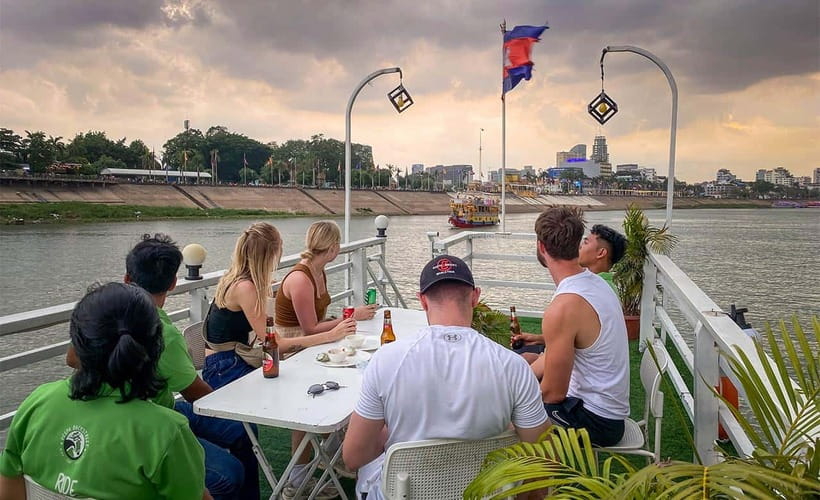
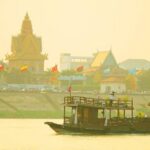
When you transition to Silk Island, you’ll board a ferry—this is included in the price. The ferry crossing matters because it’s not just transport; it’s a reset. You’re literally leaving the city’s pace behind, and you start moving into farming villages and smaller local markets.
On Silk Island time, you can expect to experience and observe local culture and the way people live. The island outing includes stops connected to tofu skin production, a Buddhist temple, local markets, and countryside views.
This section is a great antidote if your Phnom Penh day normally feels all stone-and-gold. Here, the focus becomes how people make things and how daily work fits around faith and community.
Silk weaving on Silk Island: craft you can actually picture
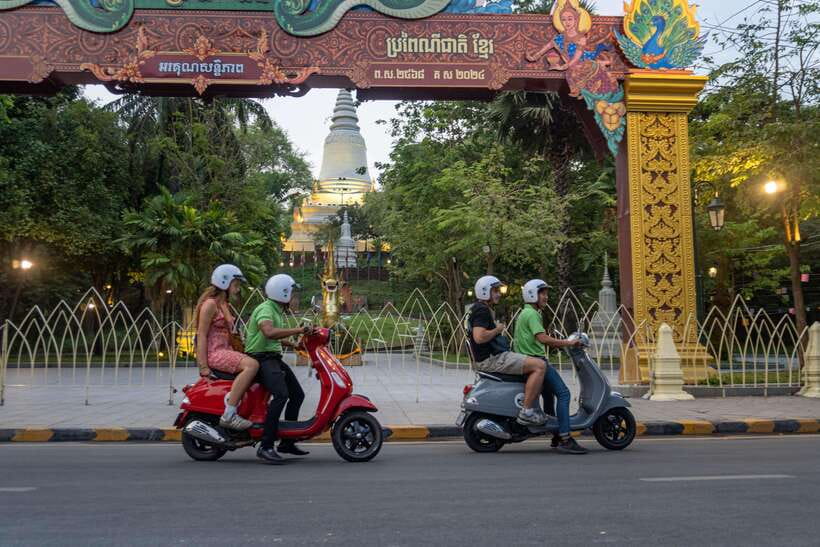
One of the strongest parts of this tour is that it treats silk weaving like a story you can follow—not a quick photo.
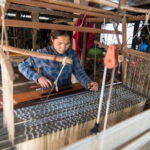
You’ll visit the craft of silk weaving with local artisans, and the guide-led explanation covers how silk weaving is passed down through generations, from parent to child. That detail gives the process meaning. It’s not just about a product; it’s about family knowledge and continuity.
Also, because you’re on-site, you can see the work rather than imagining it. That makes the entire craft portion feel grounded, even if your vocabulary for textile terms is limited.
If you care about culture that’s practiced daily, not only displayed, this is the highlight you’ll remember when you get back to the city.
Dried tofu skin: the family business stop that adds variety
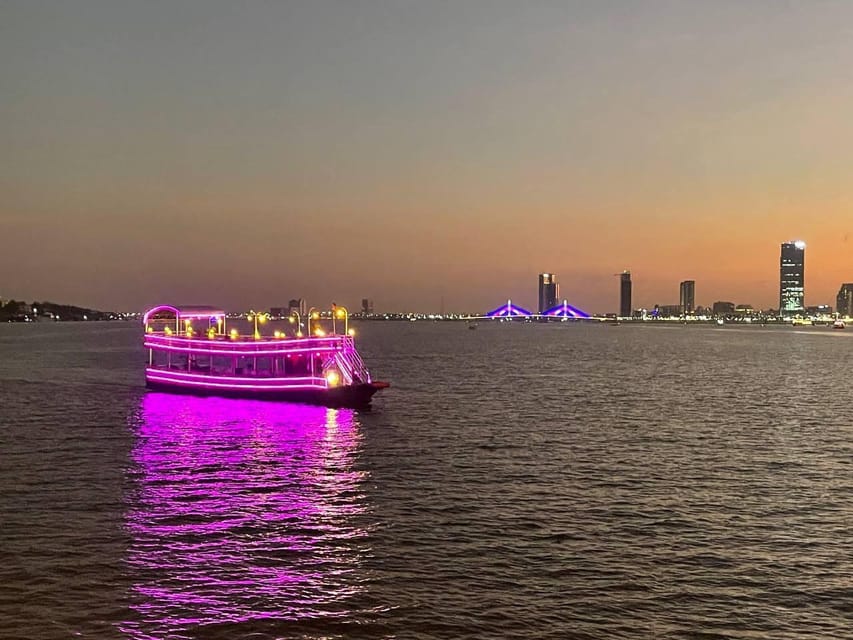
Alongside silk, the tour includes a family-run business specializing in producing dried tofu skin. This is a clever inclusion because it broadens the island story beyond weaving alone.
The dried tofu skin production stop gives you a different kind of Cambodian craftsmanship—one tied to food and local processing rather than luxury textiles. It also breaks up the day nicely: you get one craft lesson (tofu skin) and then a second (silk weaving), so your brain doesn’t feel stuck in one theme.
If you like learning how everyday items are made—especially in places where you can see the full chain of work—this is a very worthwhile part of the itinerary.
Getting around, timing, and what you’ll pay in real life
The tour includes hotel pickup and drop-off, an English-speaking tour guide, and transportation by tuk tuk, plus a bottle of water. You also get the ferry crossing and the Silk Island visit fees included.
What’s not included is important for budgeting:
- Royal Palace: $10
- National Museum: $5
- Wat Phnom: $1
- Lunch (not included)
So if you’re doing the morning city portion, you should plan for about $16 in extra entrance fees on top of the $15 base price. The exact total you pay depends on which portion you choose (morning city vs afternoon Silk Island vs the full blend), but you’ll always want to bring a little extra cash for these site entries.
Value-wise, I think the pricing makes sense because you’re paying for a guided day with real transportation included, and Silk Island fees are covered. This is the kind of tour where the “cheap ticket” becomes fair value once you factor in guide time and the ferry.
What to bring and how to make the day feel easy
Keep the packing simple. The tour asks for sunglasses and sunscreen, and I’d also add:
- Comfortable walking shoes (markets and temple grounds add up)
- A light layer (indoors can feel cooler than outdoor sun)
Since lunch isn’t included, you should plan where you’ll eat. The longer day includes time for local snacks during the Koh Oknha Tei portion, which helps. For the morning-only or afternoon-only options, you’ll want to eat before the tour begins or plan a meal after you get back.
Guides and group feel: why it matters on this kind of day
Tour quality here depends less on fancy performance and more on how the guide connects the dots. The best moments in this itinerary are when someone explains what you’re looking at—like the symbolism behind Lady Penh at Wat Phnom, or how Khmer art fits into Cambodia’s broader timeline.
In the past, guides such as Lee have come across as friendly and genuinely engaged, sharing local knowledge without turning it into a lecture. Other guides mentioned by name, like George and Kim, also show the pattern: clear communication, safe, thoughtful pacing, and the kind of conversation that makes stops feel less rushed.
Even if you don’t care about history trivia, a good guide helps you enjoy the tour more, because you’re not just collecting sights—you’re understanding why they matter.
Who this tour suits best
This is a strong match if you want:
- A balanced Cambodia day: big landmarks plus countryside culture
- A tour with craft focus, not only sightseeing
- An English-guided itinerary that helps you connect the dots quickly
It’s also ideal if you like small, personal cultural stops—especially the combination of silk weaving and dried tofu skin production on Silk Island.
If you dislike ferries or you prefer one long continuous experience over multiple themed stops, consider choosing the half-day option. But if you like variety, this itinerary gives it to you in a structured way.
Should you book the Phnom Penh city and Silk Island tour?
Yes, if you want Phnom Penh that goes beyond temples on a checklist. The best reason to book is the pairing: you get palace-and-museum context in the morning, then you switch to real craft and local island life with ferry time, plus guided visits that make the day feel purposeful.
Book with a realistic budget in mind. Bring extra money for Royal Palace, the National Museum, and Wat Phnom, and don’t plan on lunch being included. If you do that, the $15 base price feels fair, and the Silk Island fees being covered is a practical bonus.
FAQ
What time does the morning Phnom Penh city tour start?
The morning portion starts at 8:00am and you’re expected to return to your hotel around 12:30pm.
What time does the afternoon Silk Island tour start?
The afternoon portion starts with pickup at 2:30pm, and you should return to Phnom Penh around 6:30pm.
Is the ferry to Silk Island included?
Yes. The ferry crossing to Silk Island is included in the tour.
Is lunch included?
No. Lunch is not included.
Do I need to pay entrance fees at major Phnom Penh sites?
Yes. Royal Palace ($10), National Museum ($5), and Wat Phnom ($1) are not included in the base price.
What’s included in the tour price?
Your tour includes hotel pickup and drop-off, an English-speaking guide, tuk tuk transportation, a bottle of water, the ferry crossing, and Silk Island visit fees.
What should I bring?
Bring sunglasses and sunscreen.